
Visual literacy
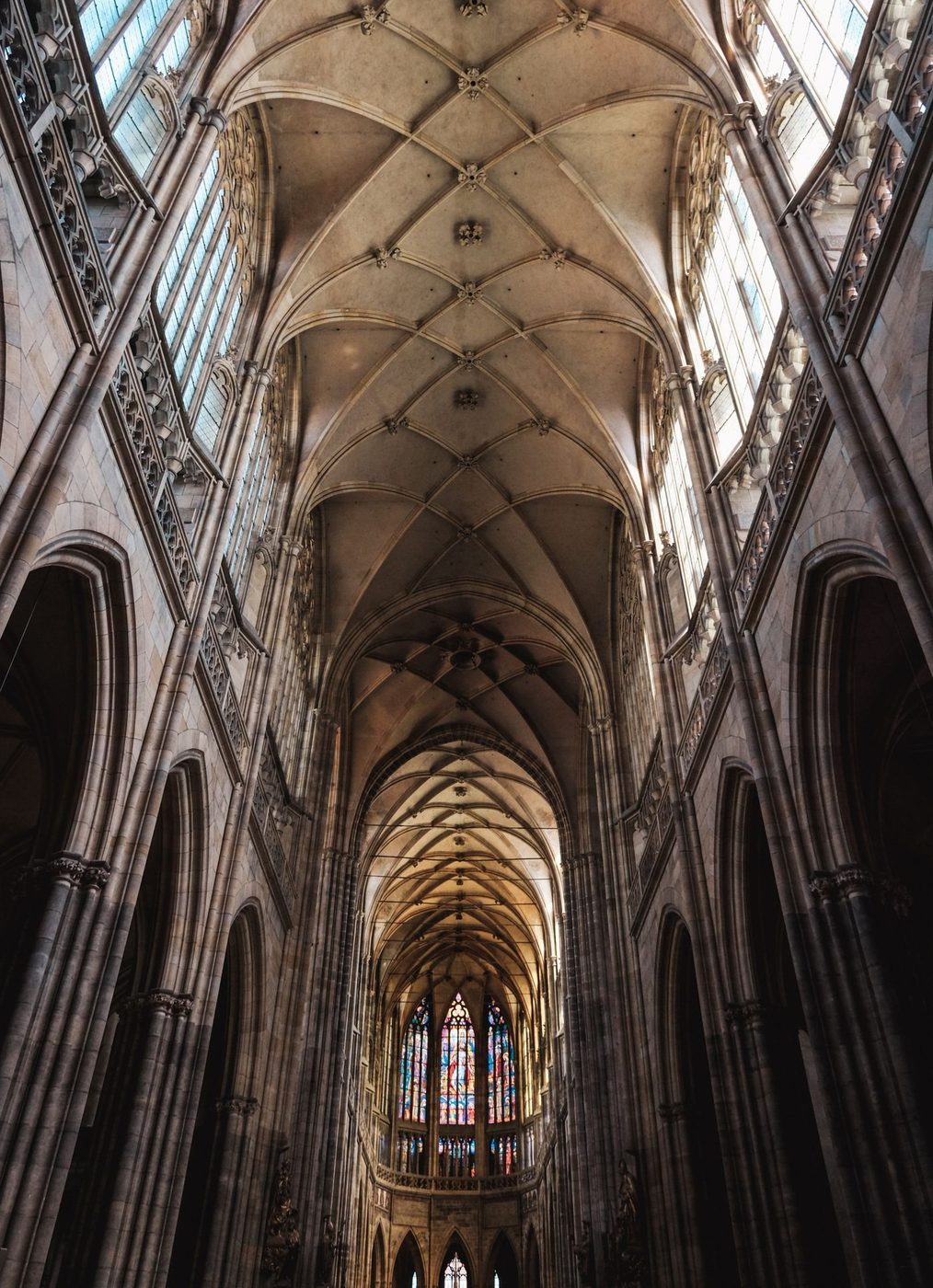
St Vitus Is Gothic, but the Site Beneath Its Story Is Romanesque
Prague City Tourism identifies today’s St Vitus as a Gothic cathedral founded in 1344 on the site of an earlier Romanesque rotunda.
Prague Stories
A curated library of researched Prague stories: myths tested against chronology, buildings that changed purpose, political memory hidden in plain sight, and details that make the city easier to read.
Visual literacy
Prague City Tourism identifies today’s St Vitus as a Gothic cathedral founded in 1344 on the site of an earlier Romanesque rotunda.
City systems
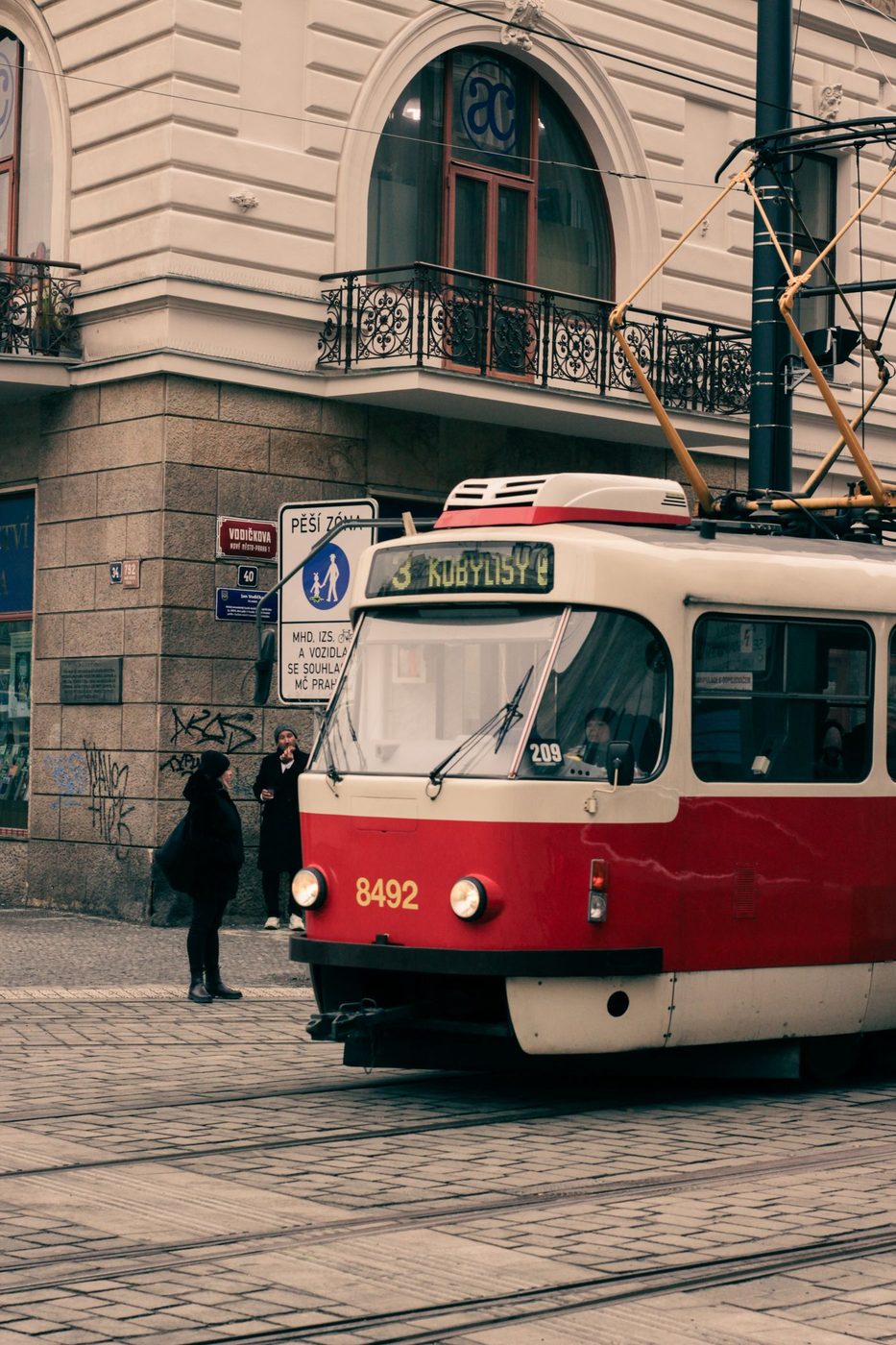
The Prague Public Transit Company dates the start of tram-line numbering to 24 October 1907, when line 5 was established first.
Read the skyline
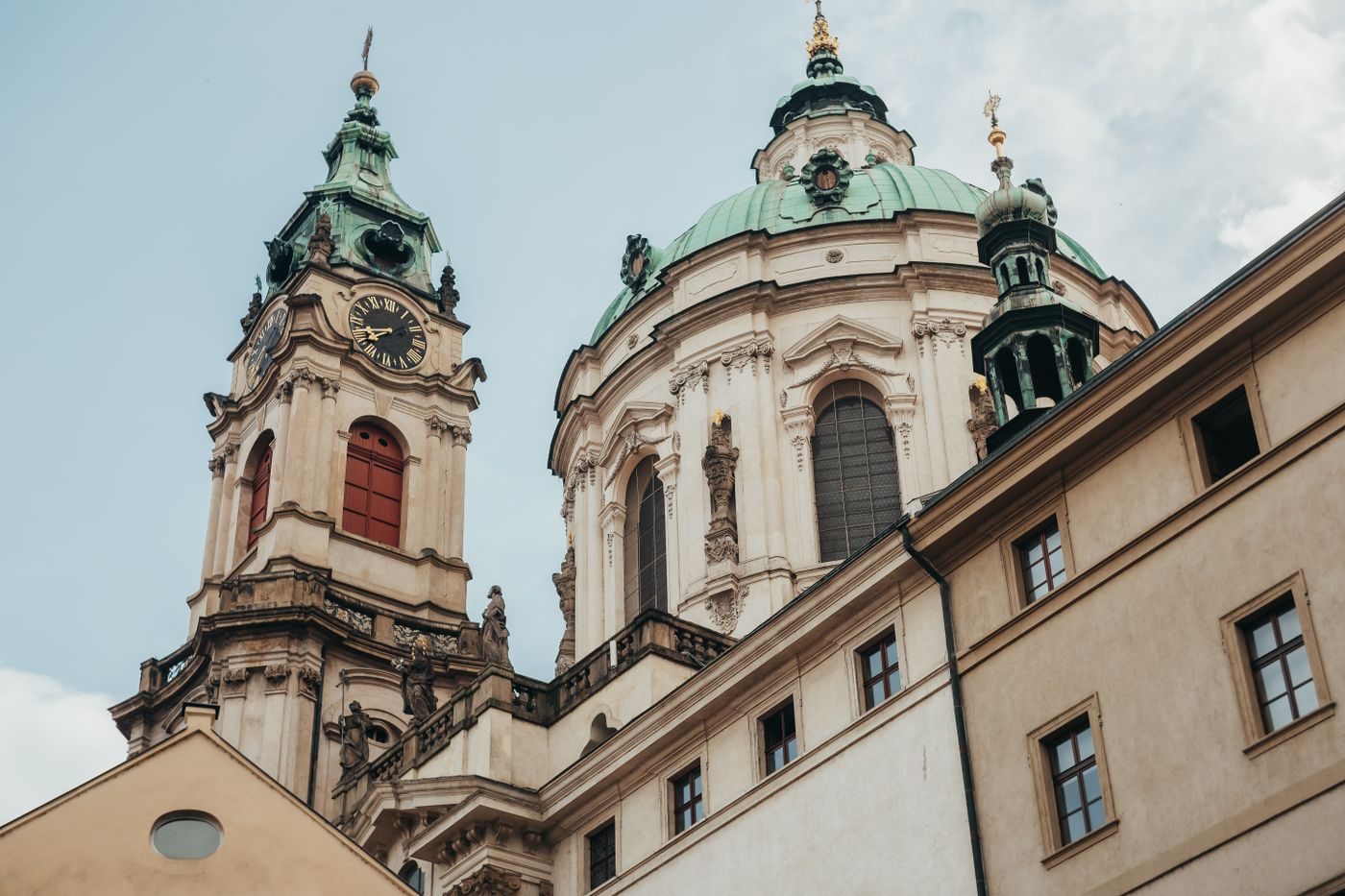
Prague City Tourism says the St Nicholas Bell Tower in Malá Strana was always secular municipal property, not ecclesiastical property.
Hidden details
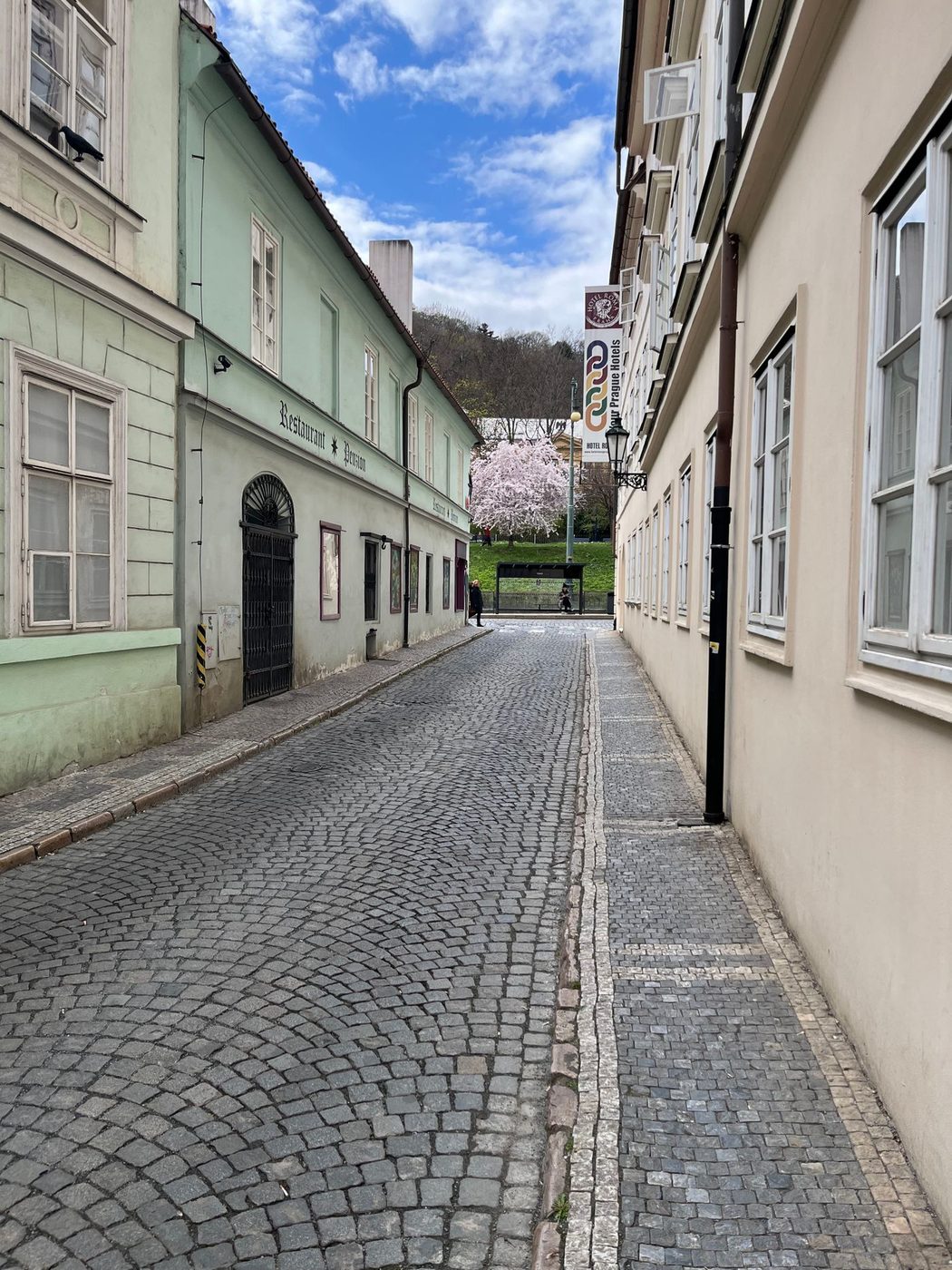
Prague City Tourism explains that older cobbles were split by hand, leaving irregular shapes suited to both straight and curved pavement patterns.
River literacy
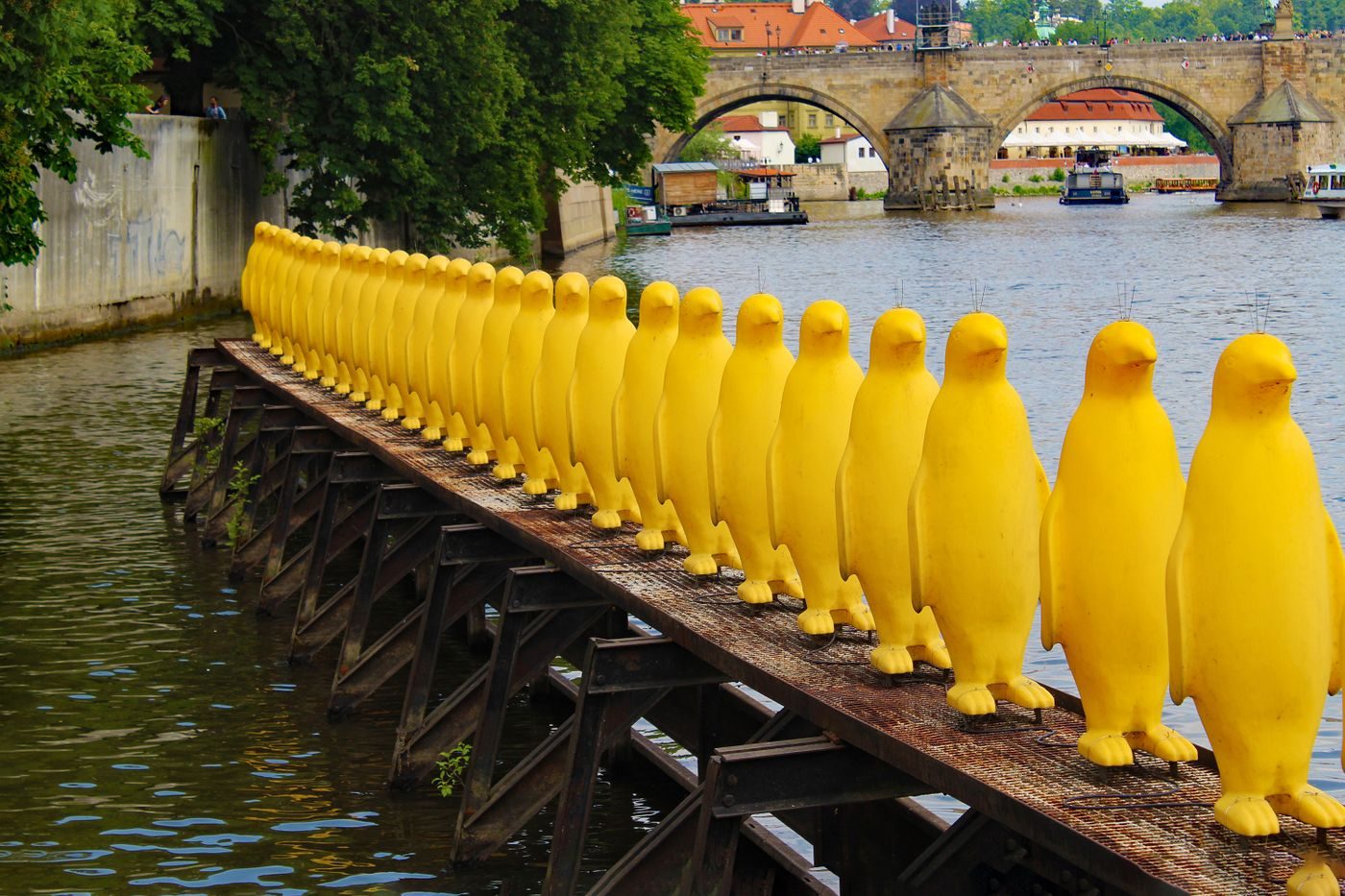
Prague City Tourism describes Čertovka as an artificial distributary channel of the Vltava River.
River geography
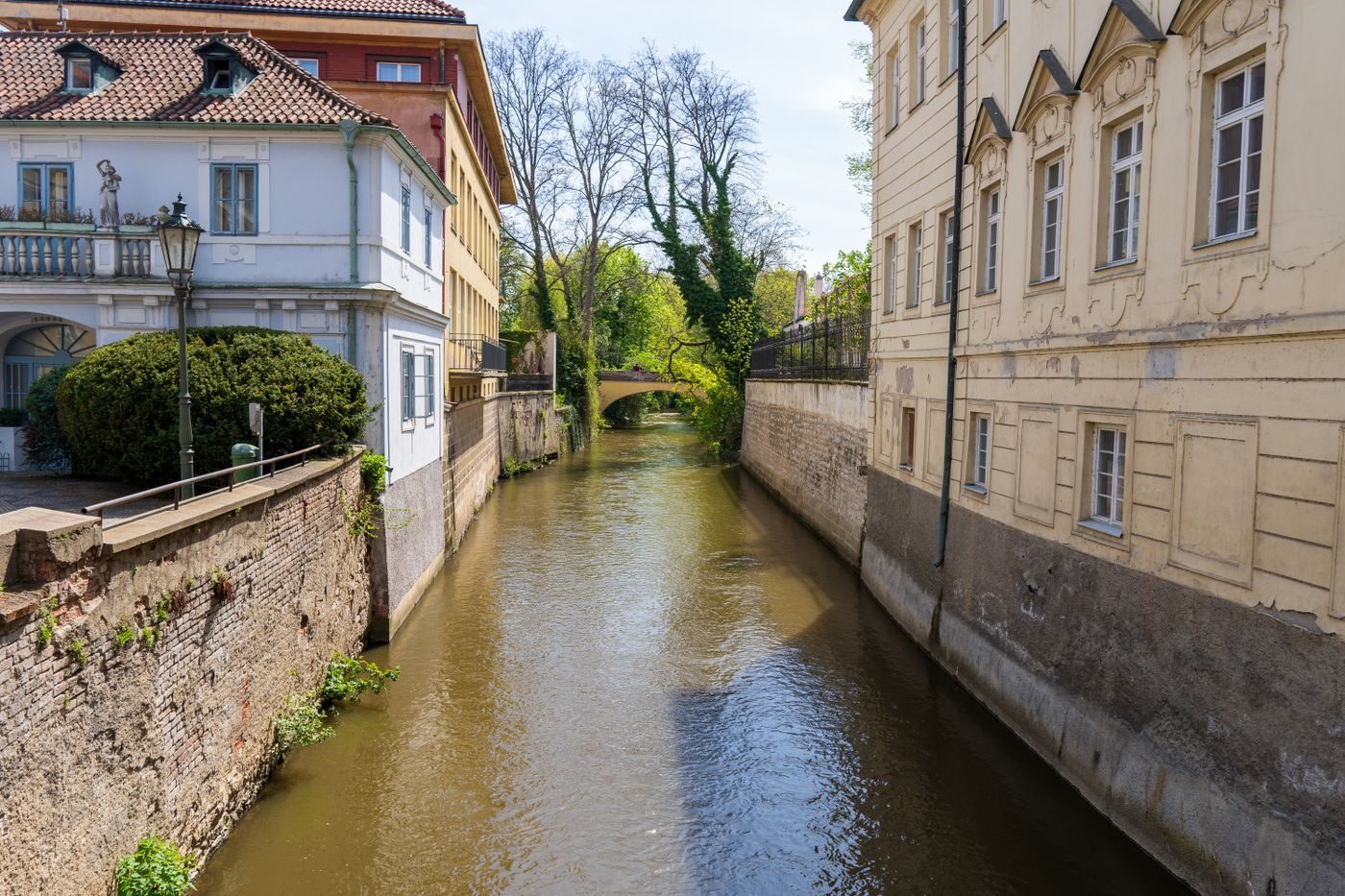
Prague City Tourism says Kampa is separated from the Lesser Town by the artificial Vltava canal called Čertovka.
Public transport
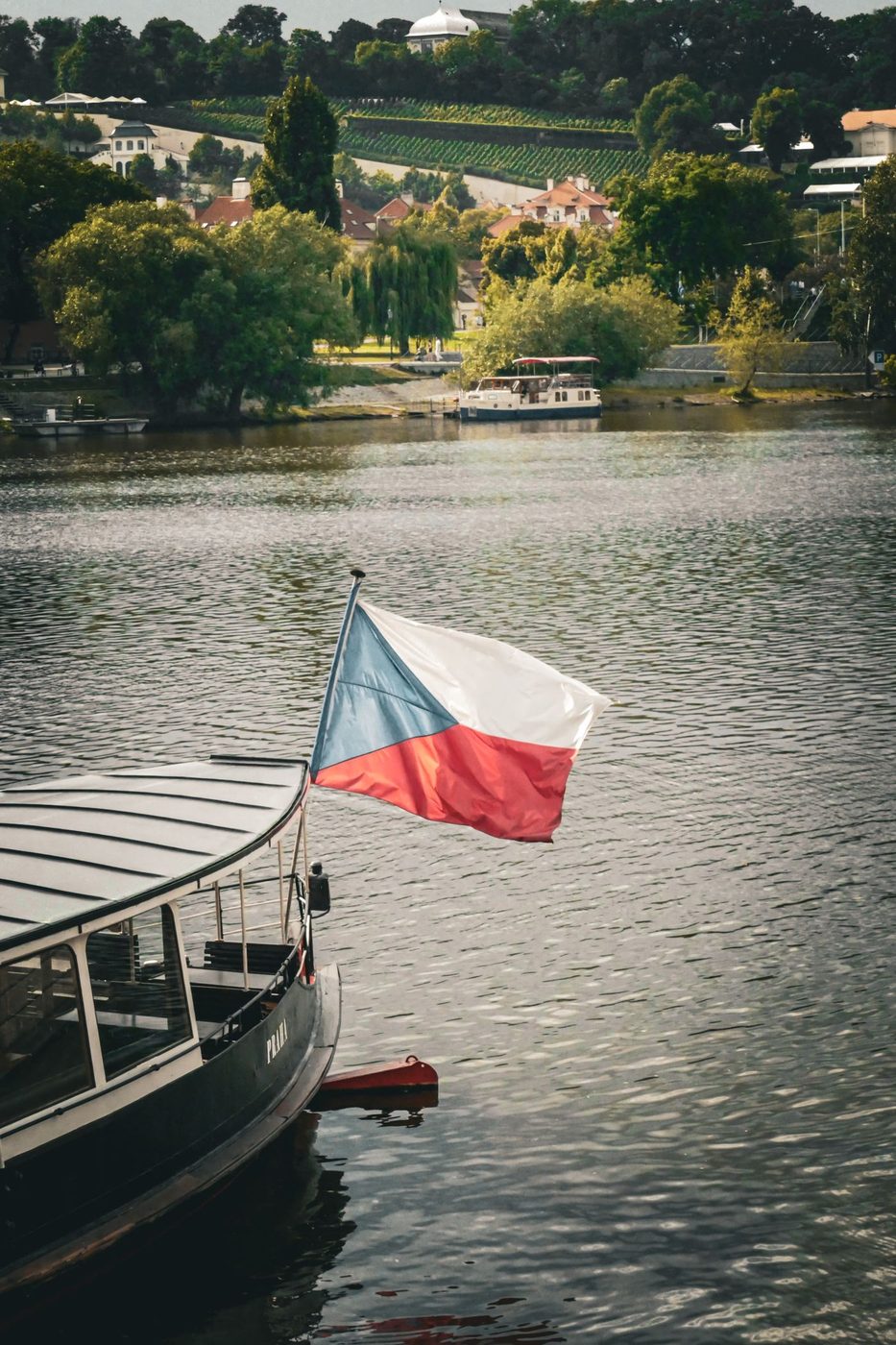
Prague City Tourism says a valid public transport ticket can be used to ride Prague ferries.
Neighborhood layers
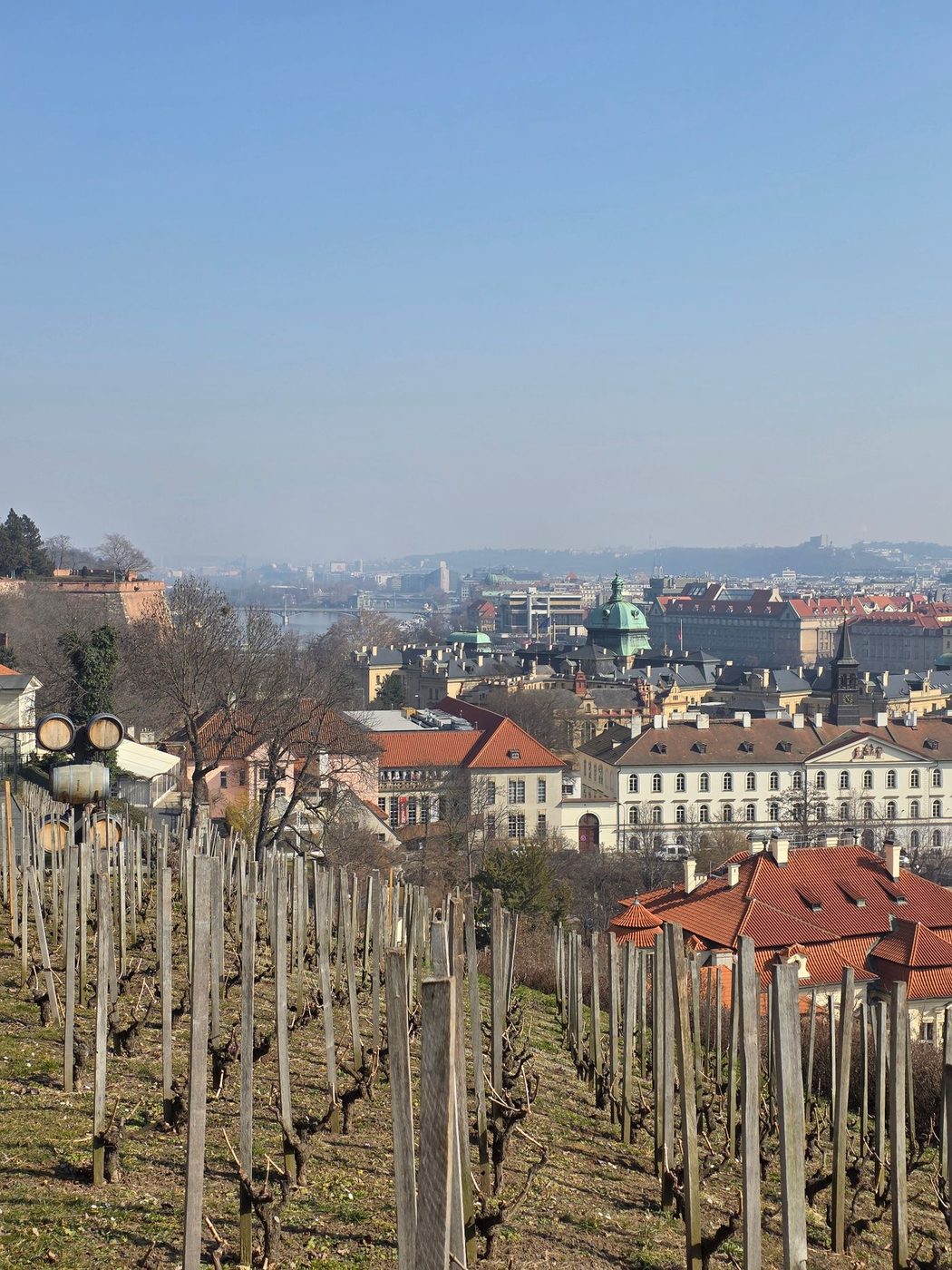
Prague City Tourism says Vinohrady gets its name from real vineyards laid out on these hillsides during the Middle Ages.
Hidden infrastructure
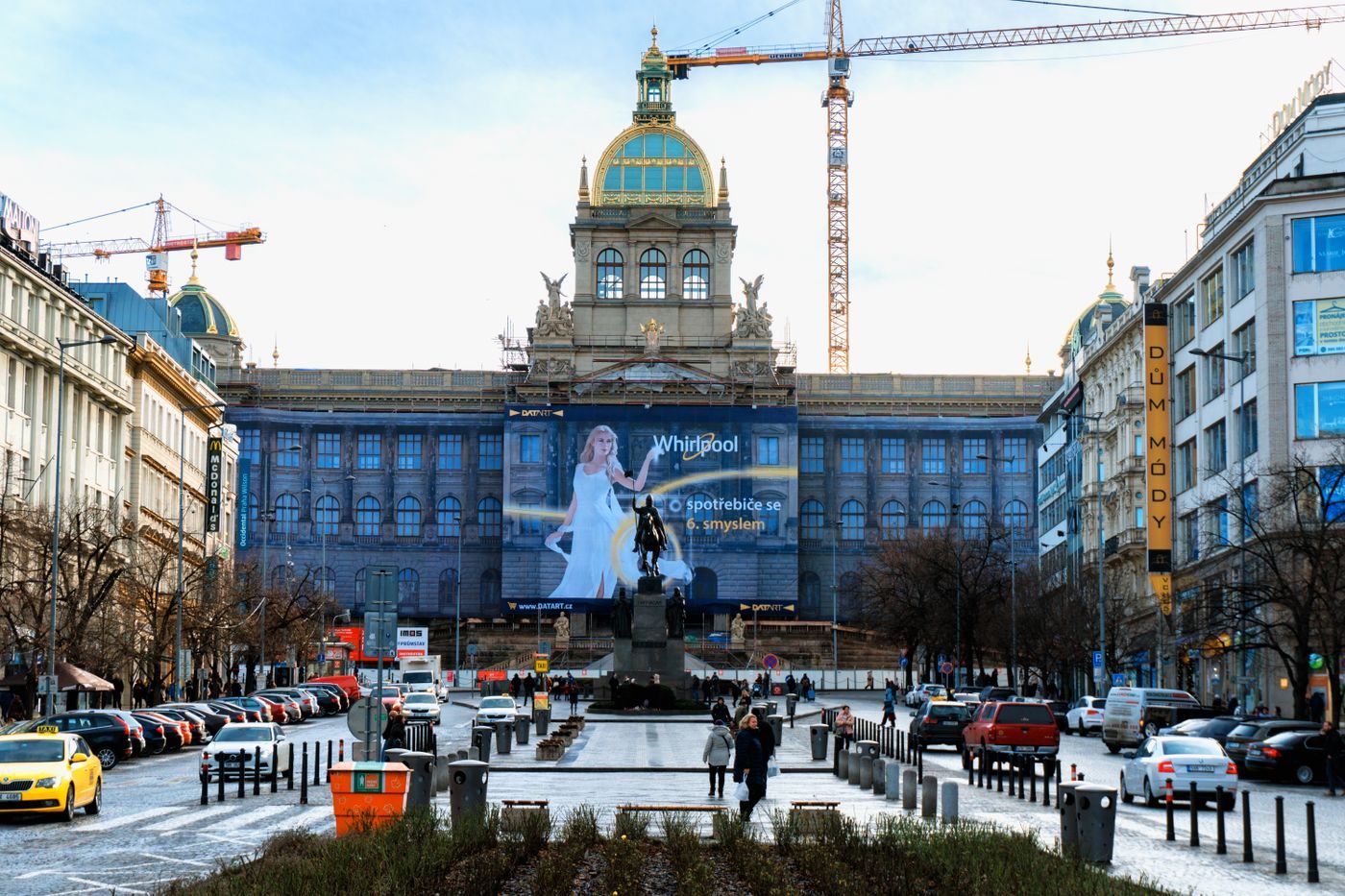
Prague City Tourism dates gas lighting on Wenceslas Square to 1865 and the massive iron lampposts on its central axis from 1868.
Medieval layers
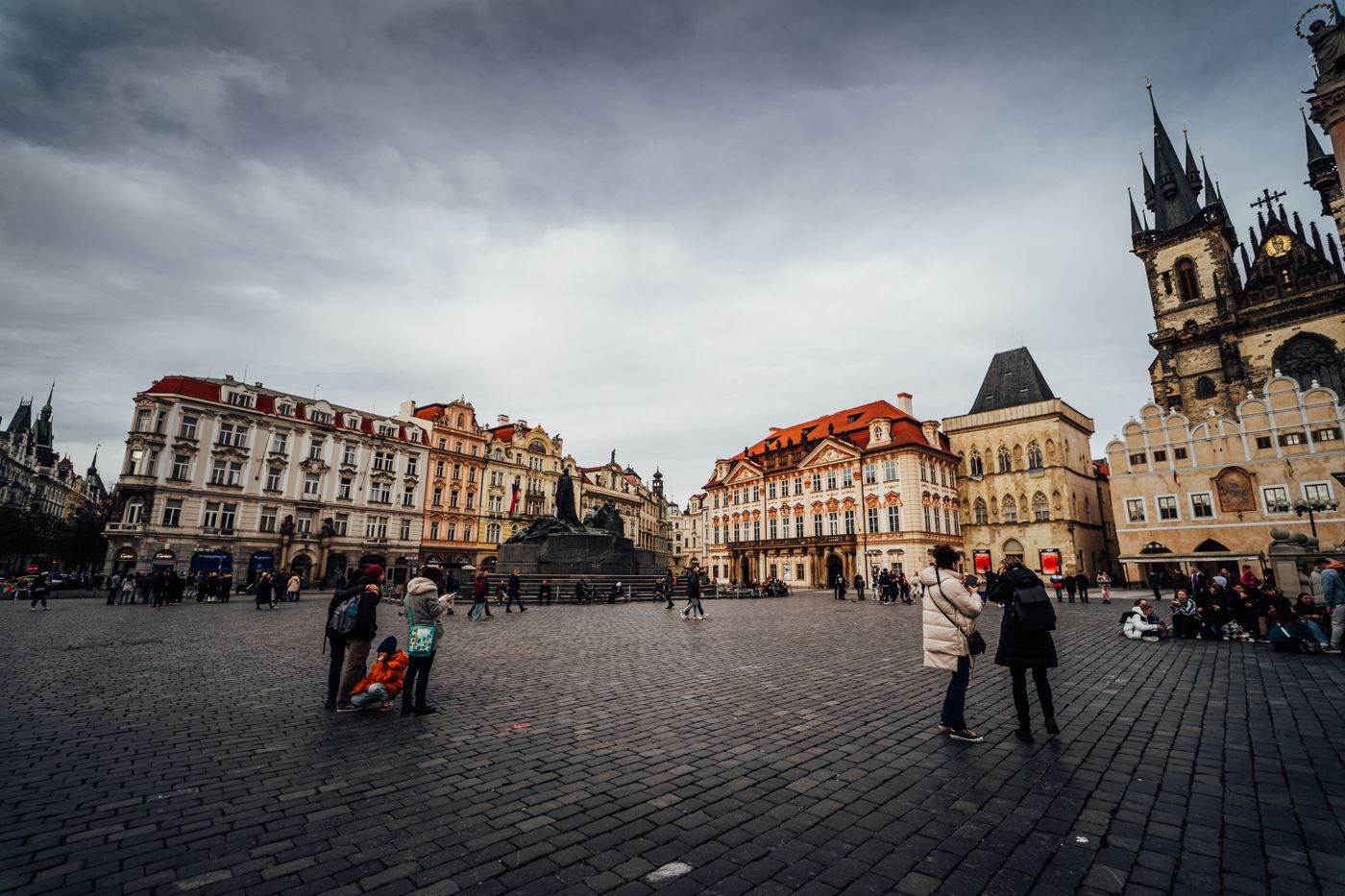
Prague City Tourism says this major Gothic building was hidden for years behind a Baroque facade before reconstruction restored its Gothic appearance.
Contemporary architecture
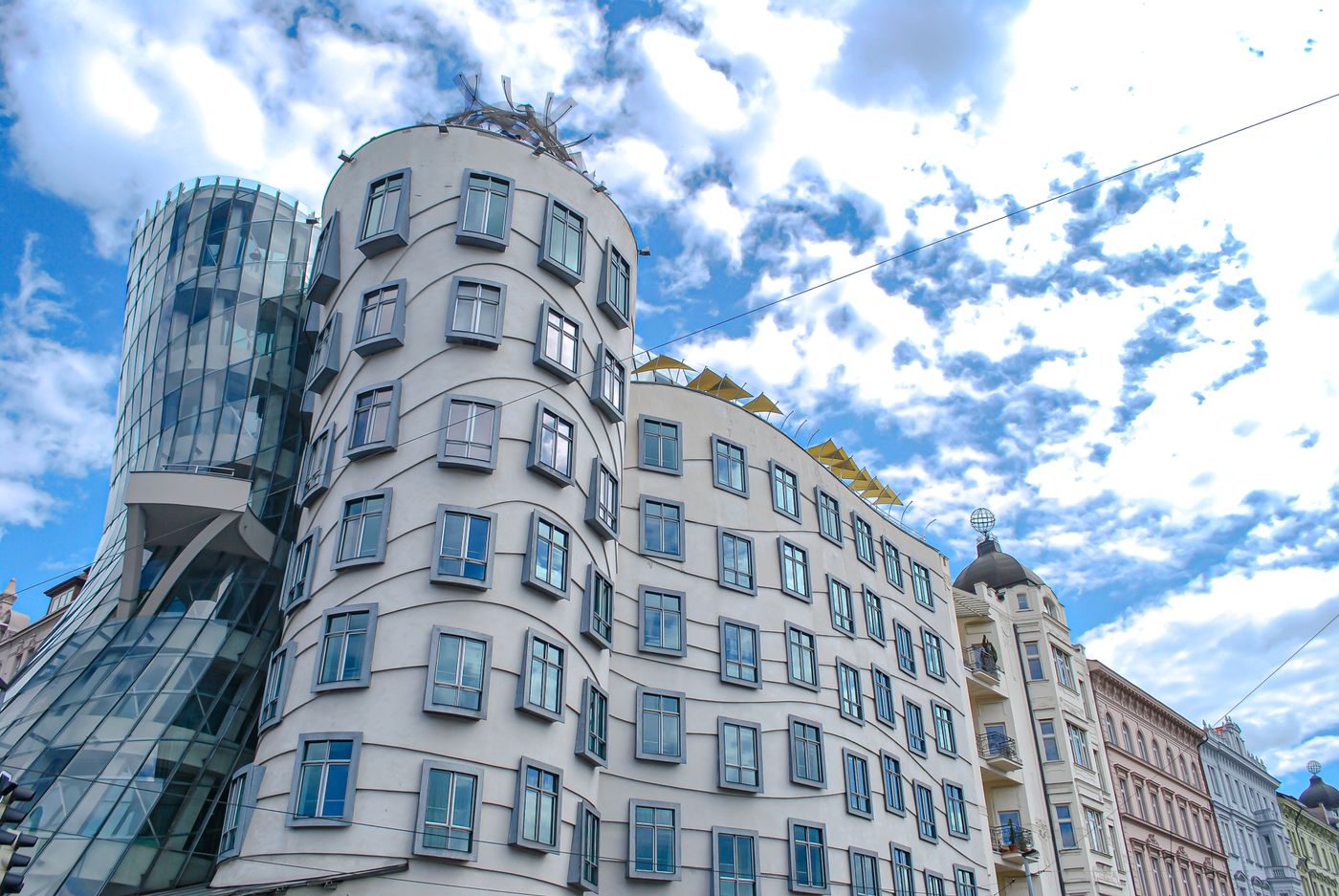
Prague City Tourism says the stone tower symbolizes Fred Astaire and the glass tower symbolizes Ginger Rogers.
Public art
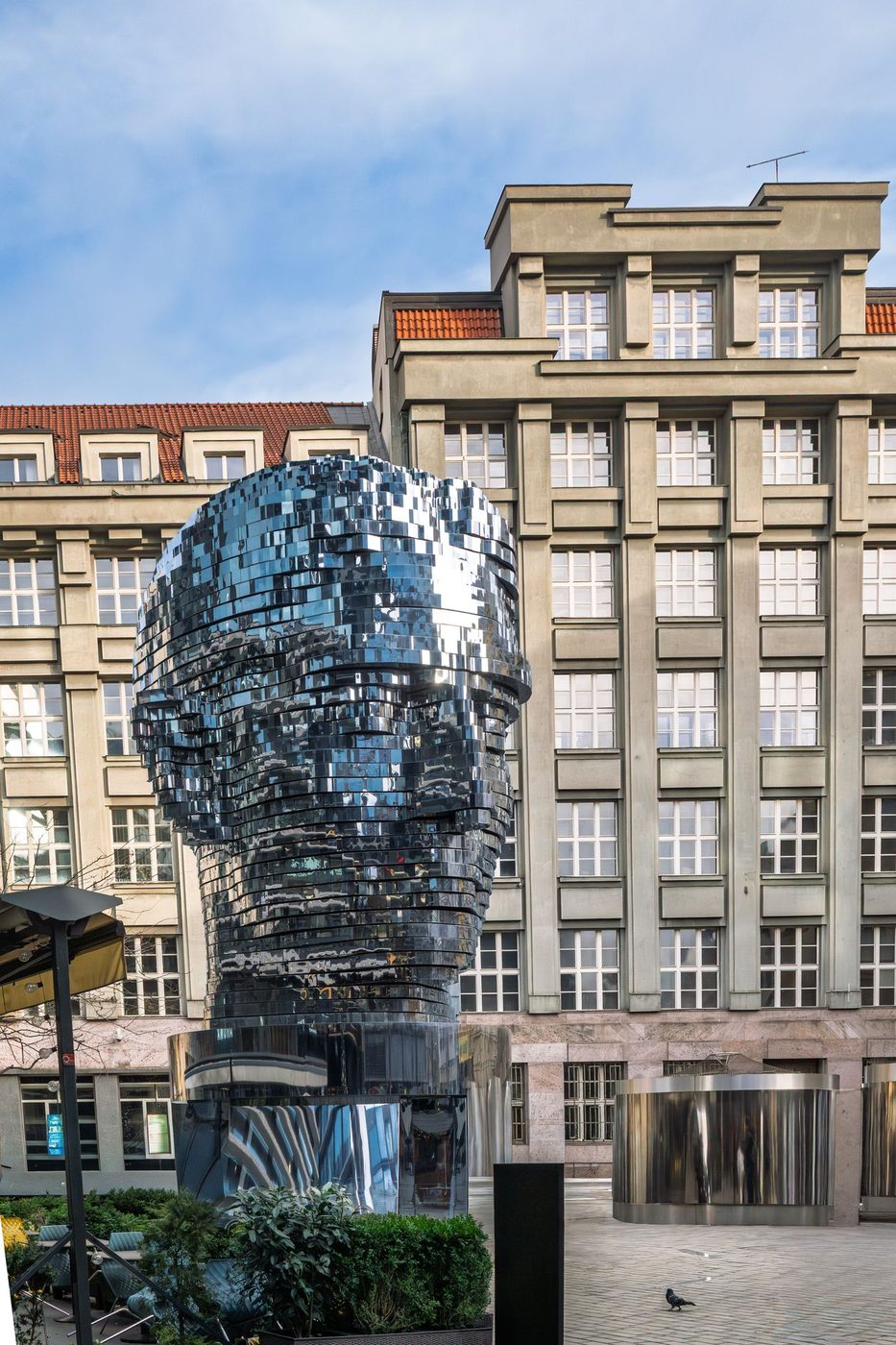
Prague City Tourism describes David Černý’s moving sculpture of Franz Kafka’s head as almost eleven metres tall.
Infrastructure history
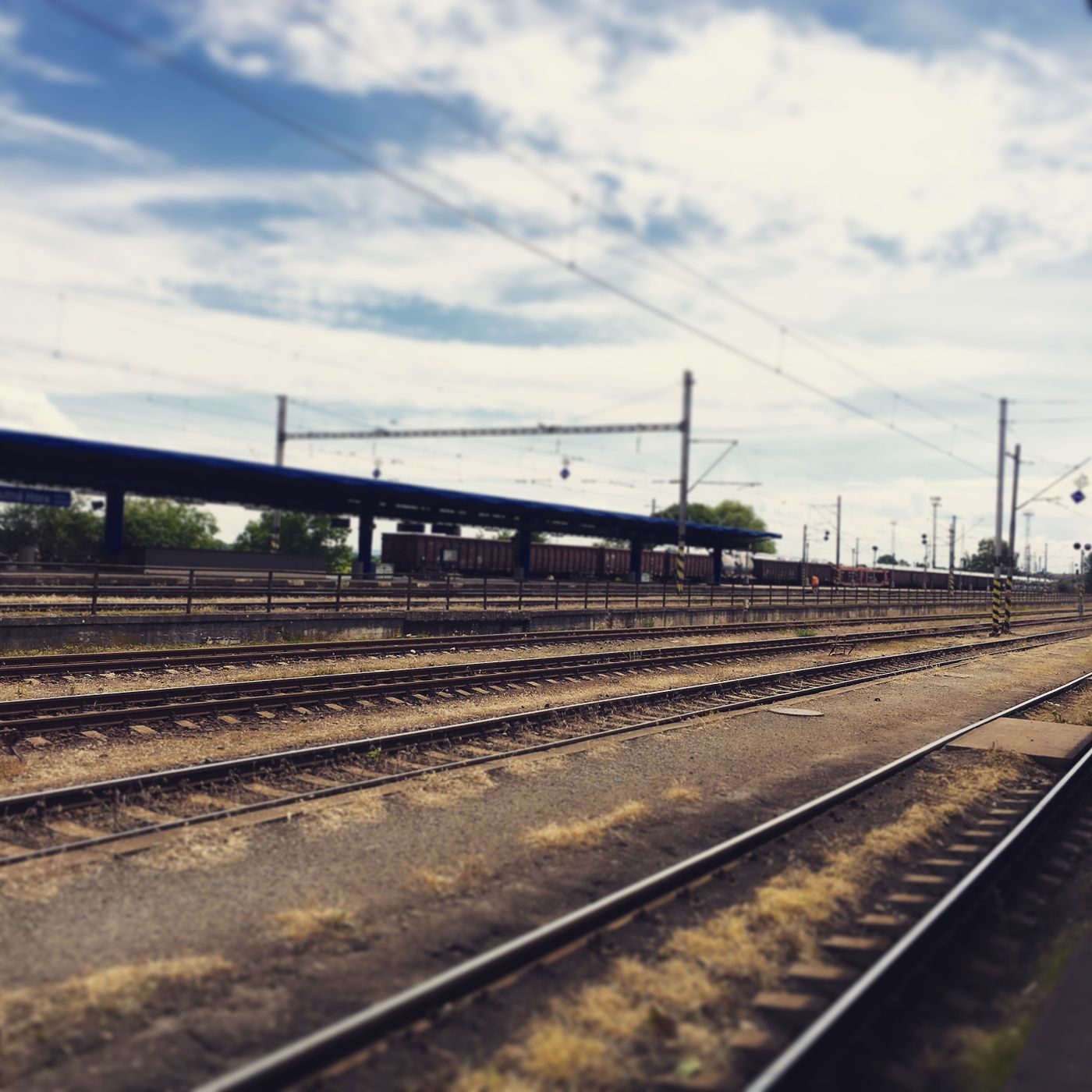
Prague City Tourism identifies Masaryk Railway Station as Prague’s oldest station and says the first train appeared there in 1845.
Jewish Prague
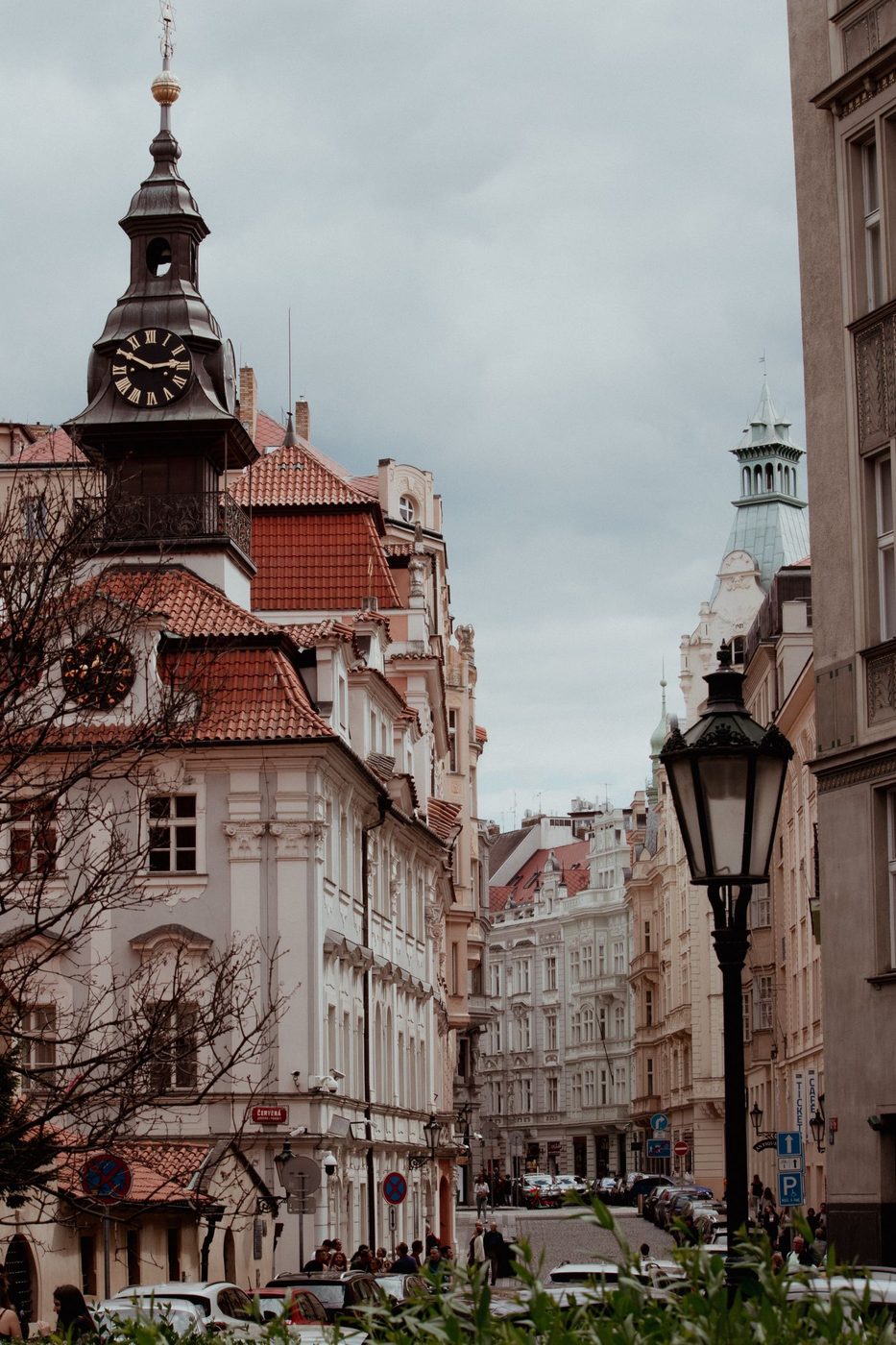
Prague City Tourism describes the early Gothic Old-New Synagogue as the oldest synagogue in Central Europe.
Artist architecture
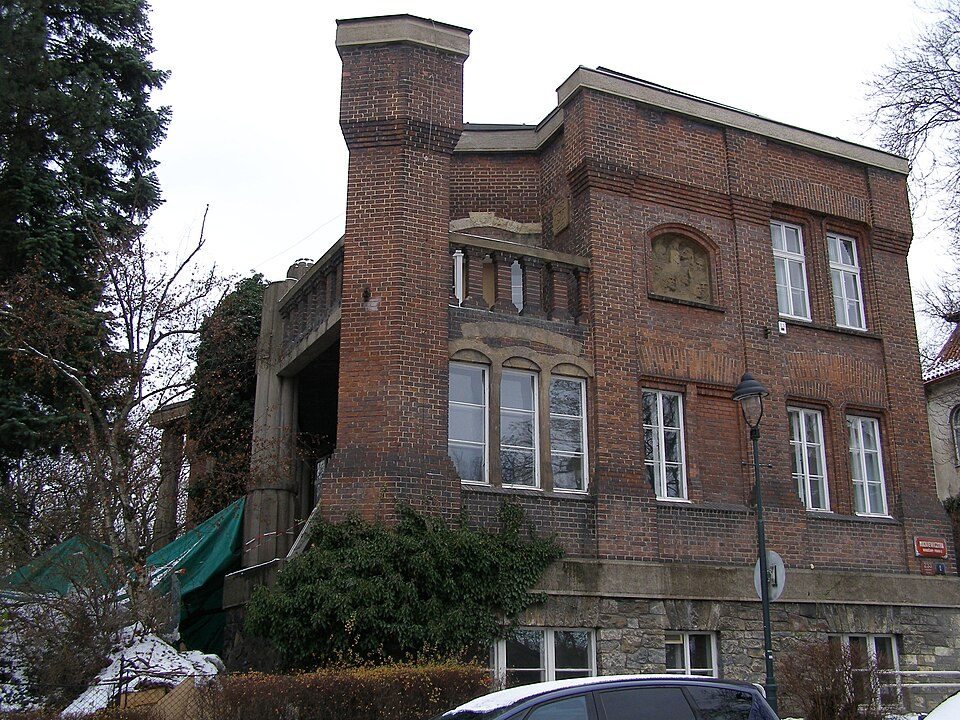
Prague City Tourism says the sculptor František Bílek designed the villa-atelier built for him in 1910–1911.
Modern architecture
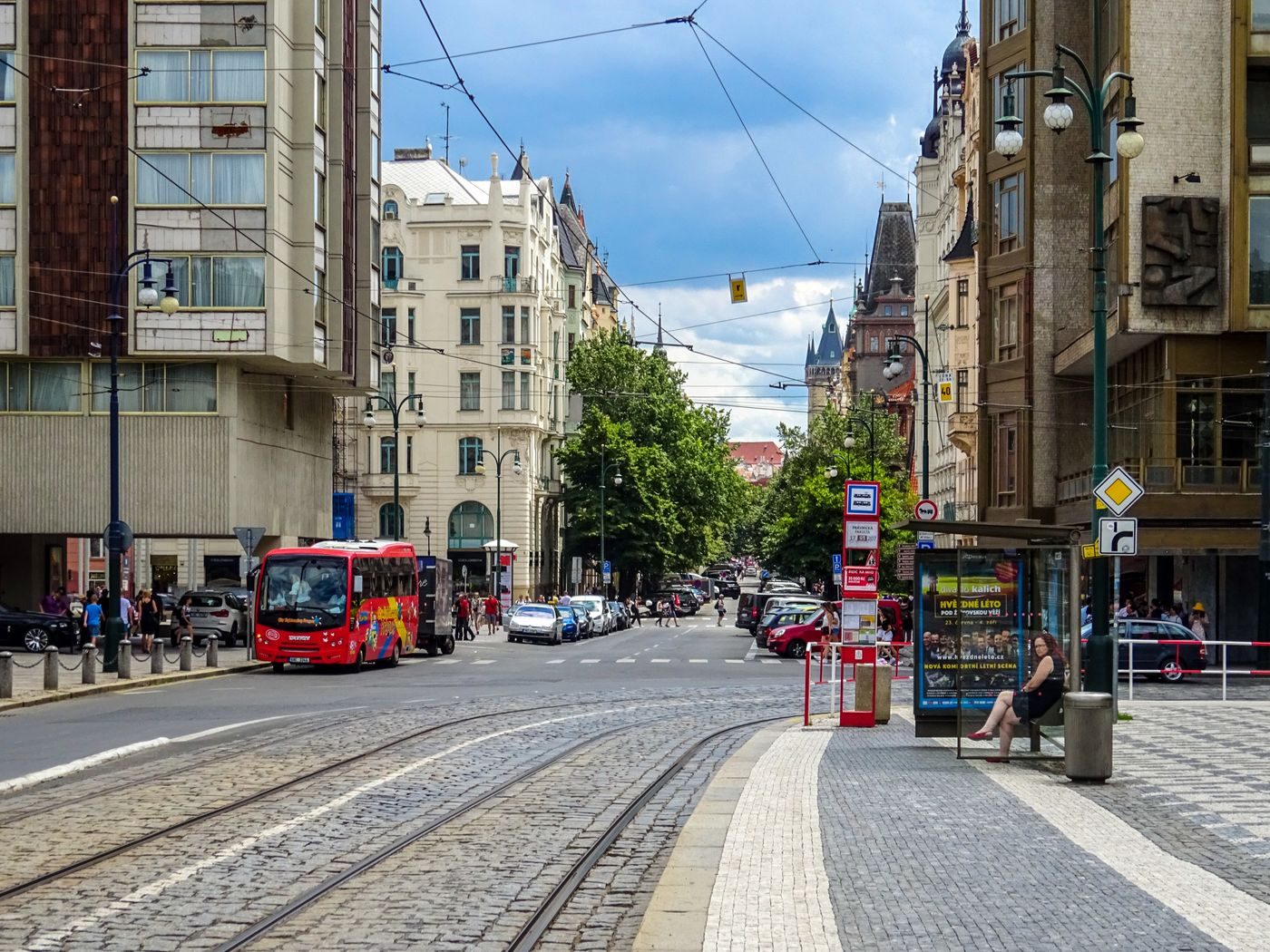
Prague City Tourism says the Trade Fair Palace, completed in 1928, was Prague’s first Functionalist building.
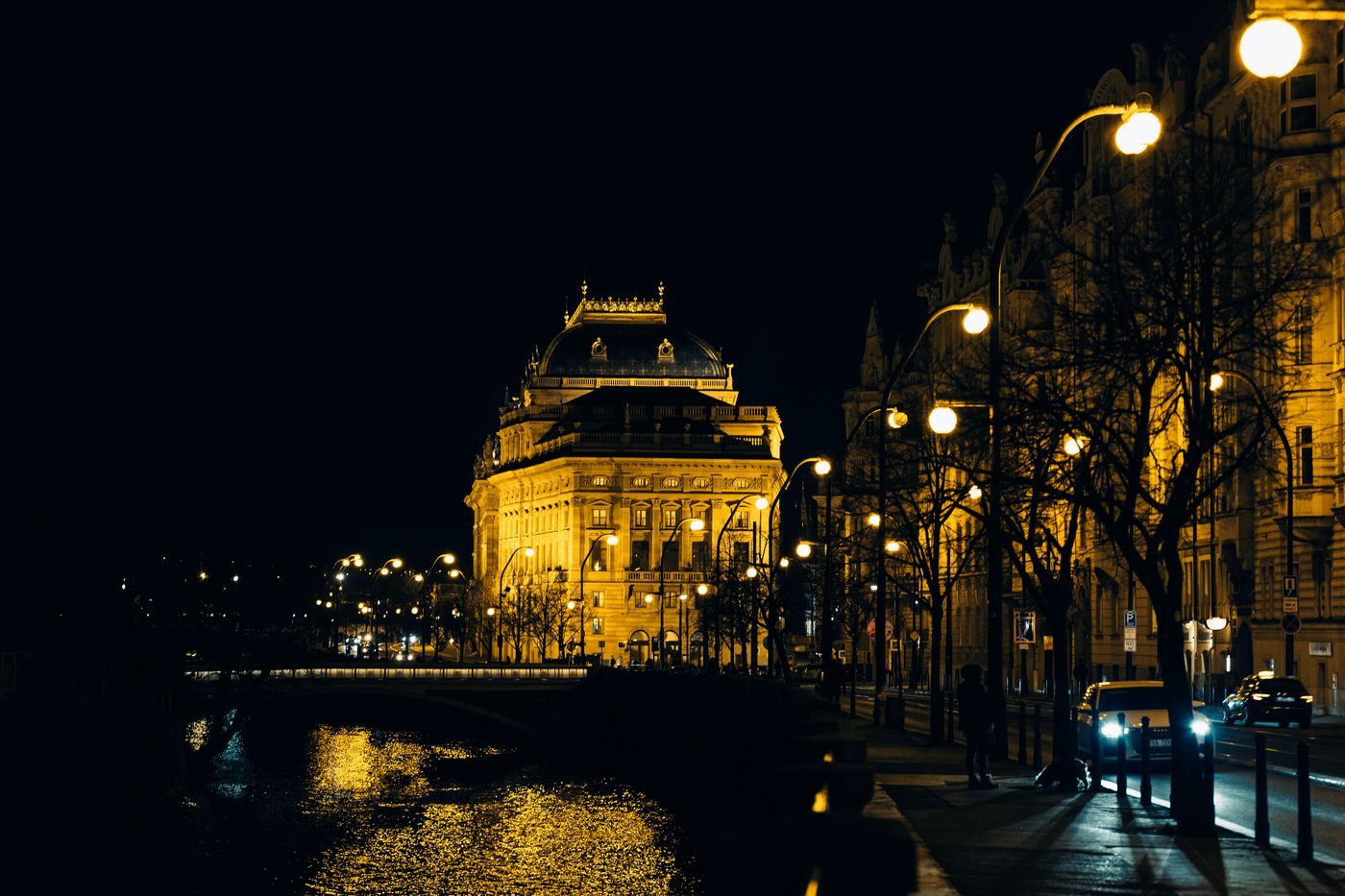
20th-century design
Prague City Tourism says Karel Prager designed the New Stage and that it was created for Laterna Magika.
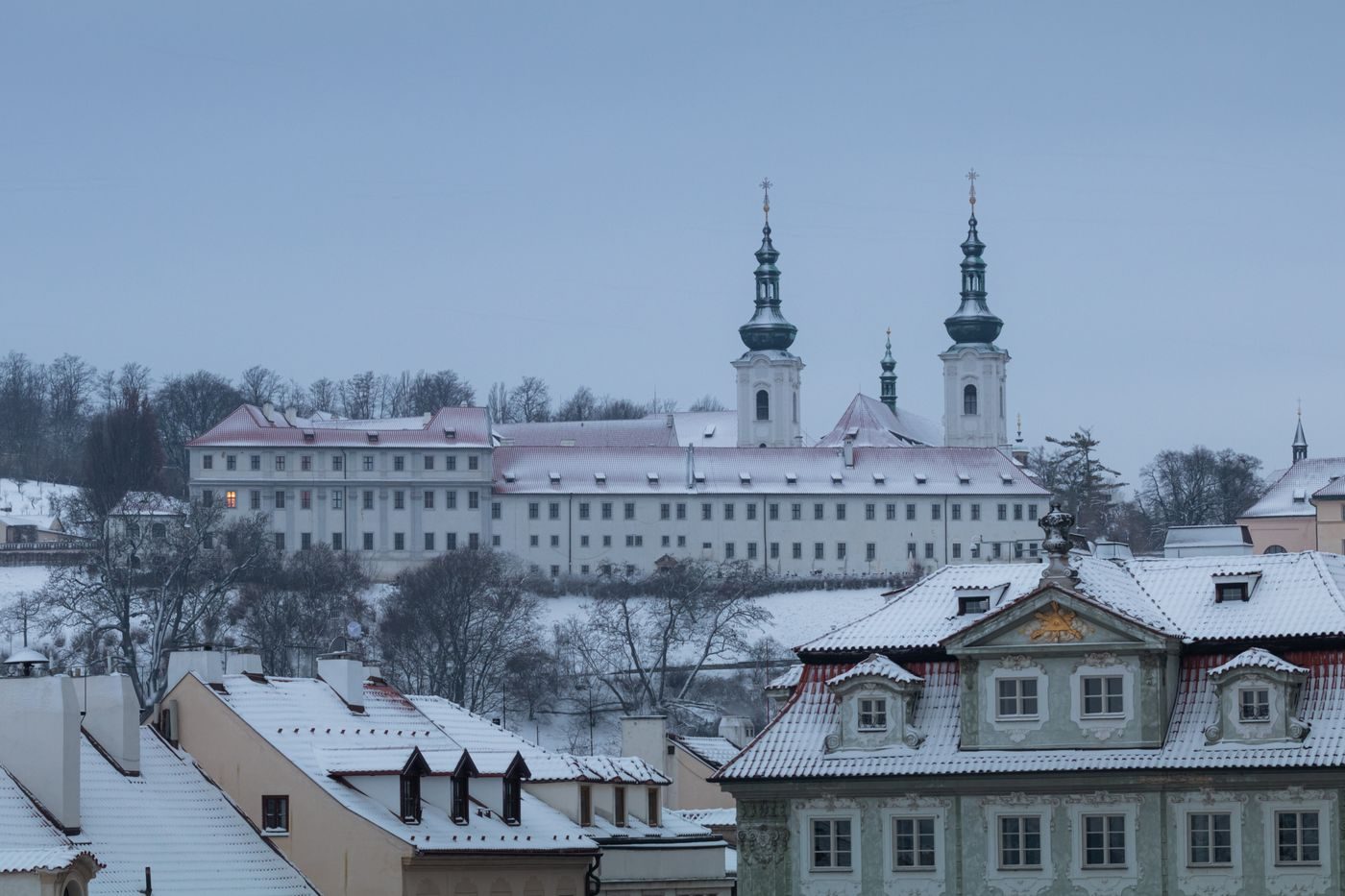
Sacred knowledge
Prague City Tourism dates the Baroque Theological Hall to 1671–1674 and the main Classicist vaults of the Philosophical Hall to 1794.
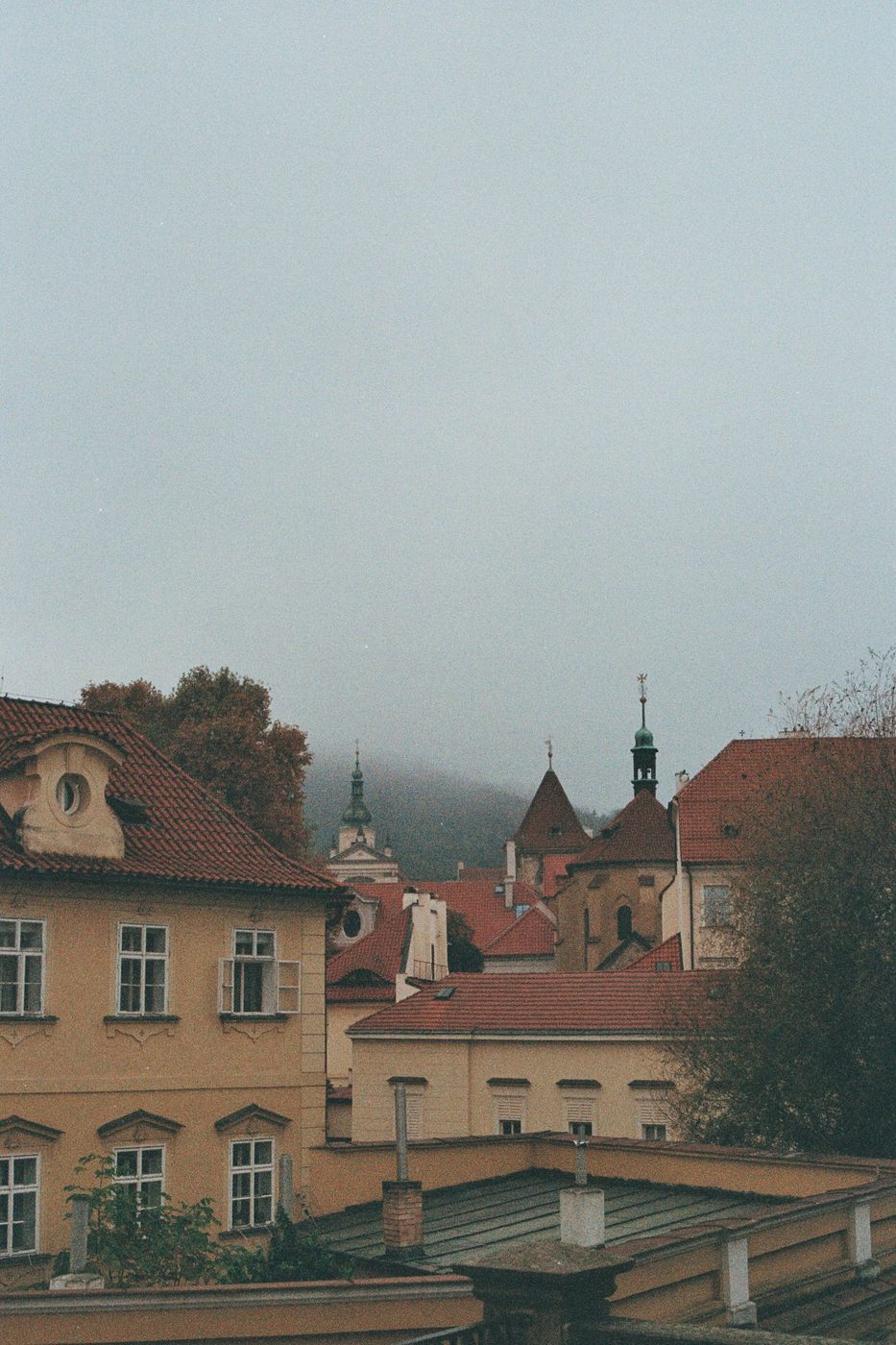
Religious Prague
Prague City Tourism says the famous statuette was originally from Spain and was donated to the Carmelites by Polyxena of Lobkowicz in 1628.
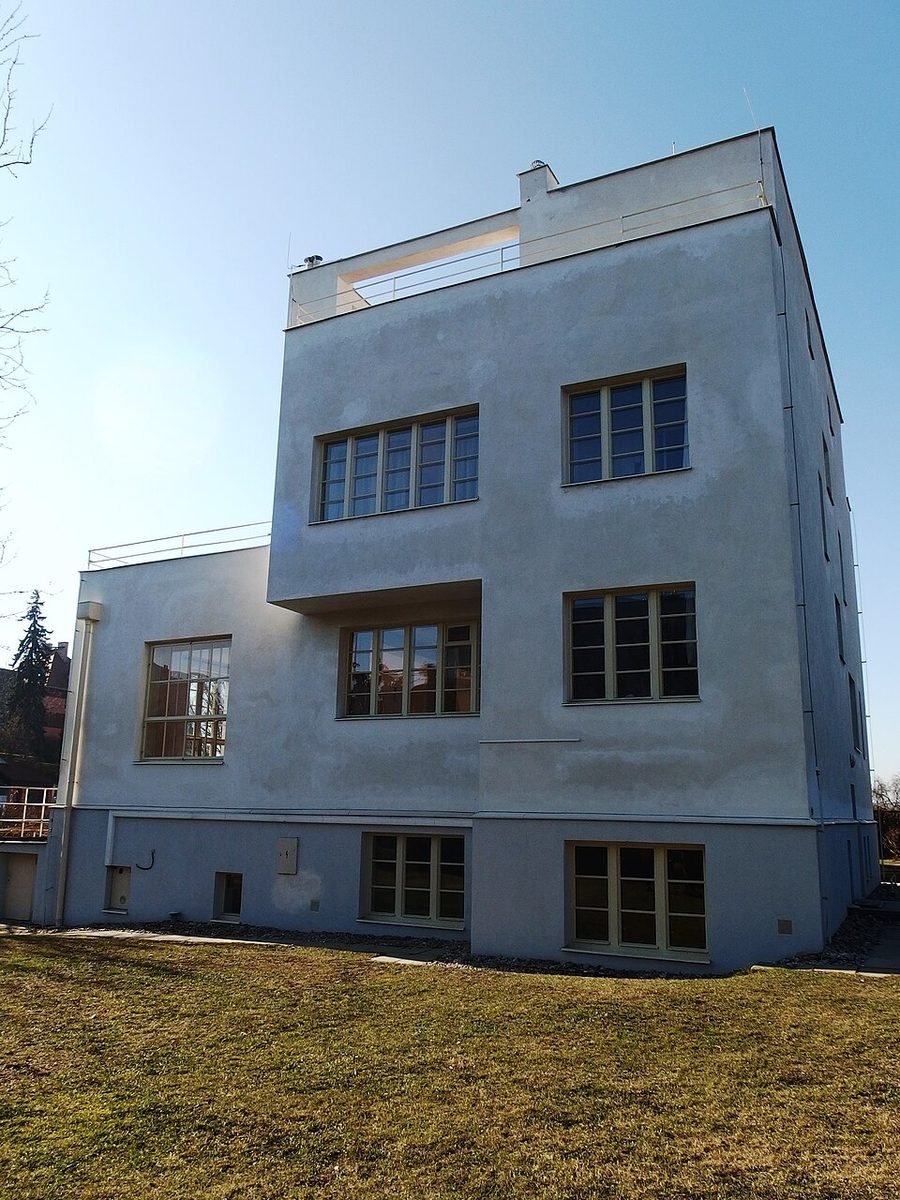
Modern architecture
Prague City Tourism says the Smíchov villa was built in 1932 by Adolf Loos and Karel Lhota and was the last Loos building completed in his lifetime.
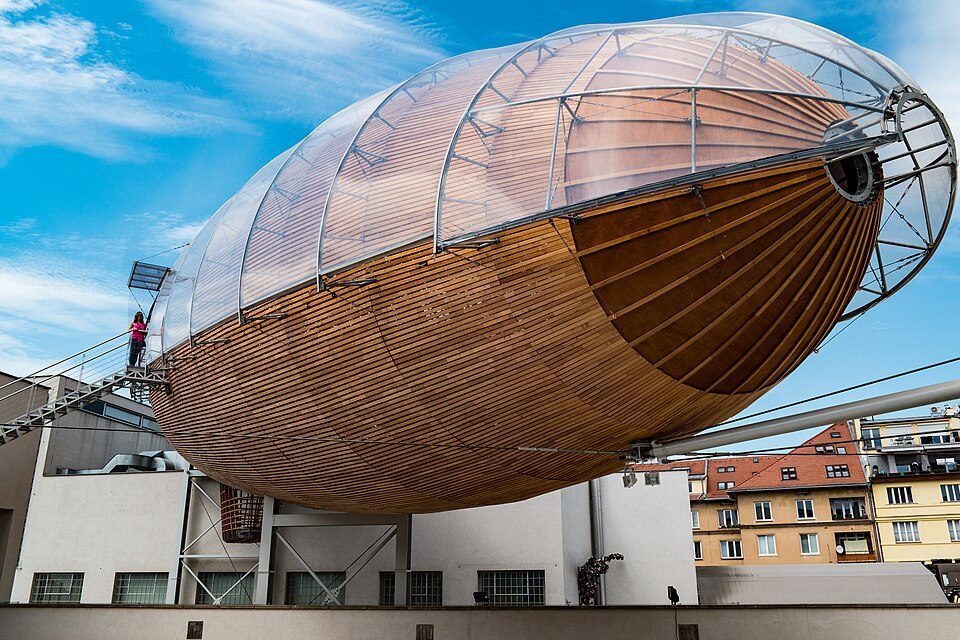
Contemporary art
Prague City Tourism describes Gulliver at DOX as a 42-metre-long steel and wood structure inspired by early twentieth-century airships.
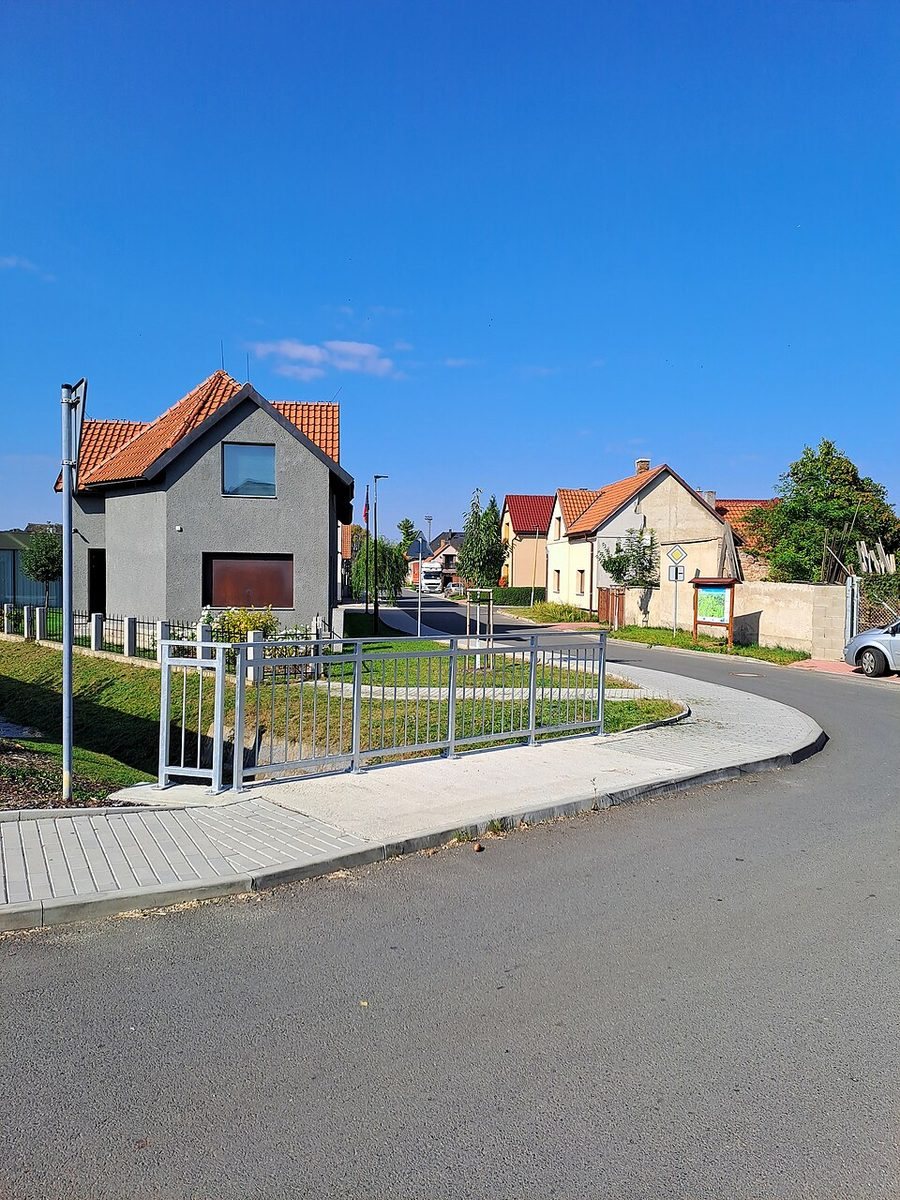
Modern memory
Prague City Tourism says John Hejduk’s paired sculpture uses a paler Son’s House for Jan Palach and a darker Mother’s House for his mother.
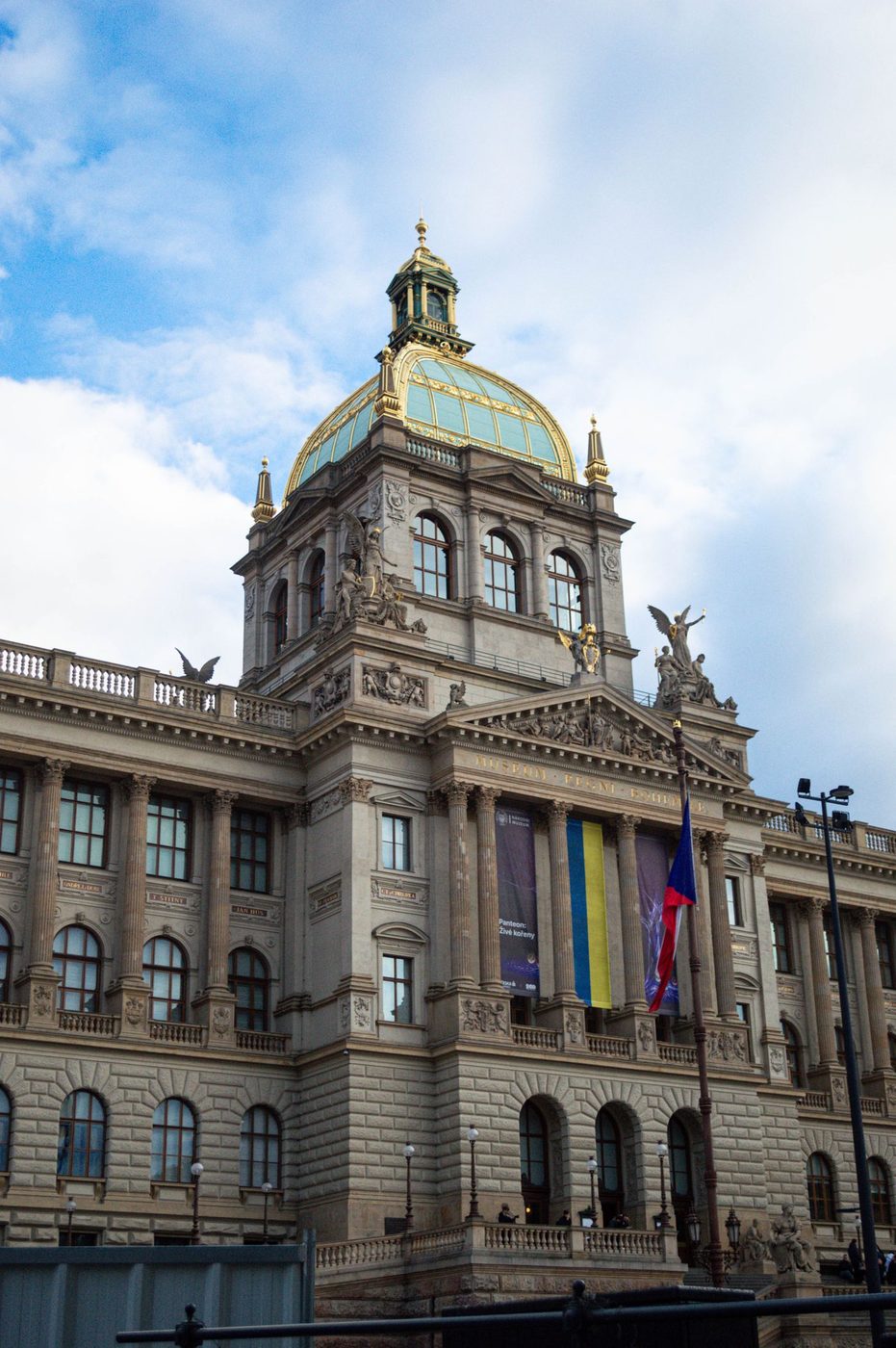
Modern history
The National Museum says Soviet soldiers fired on its Historical Building on 21 August 1968 and that traces of the damage were deliberately preserved during reconstruction.
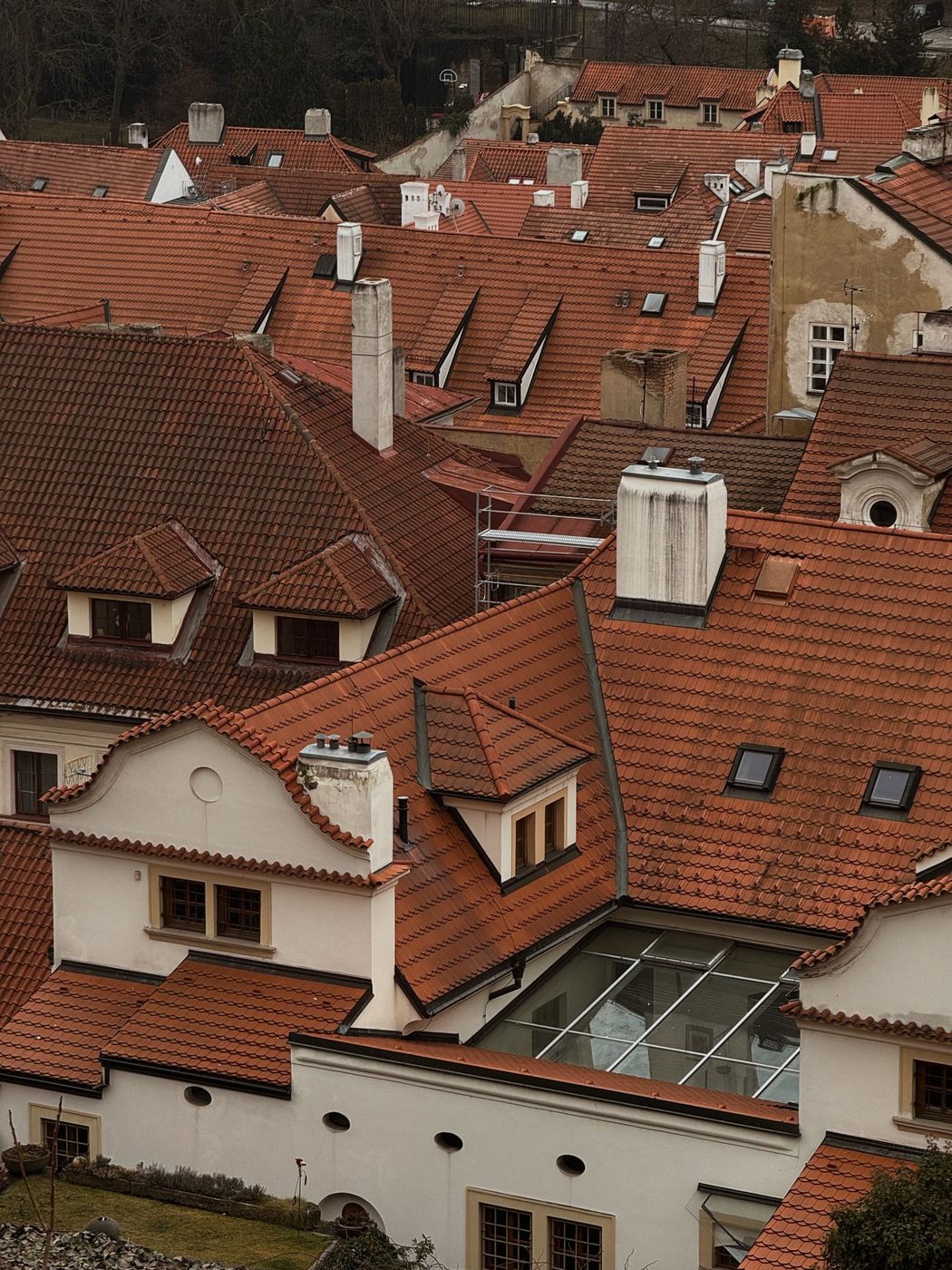
Baroque landscape
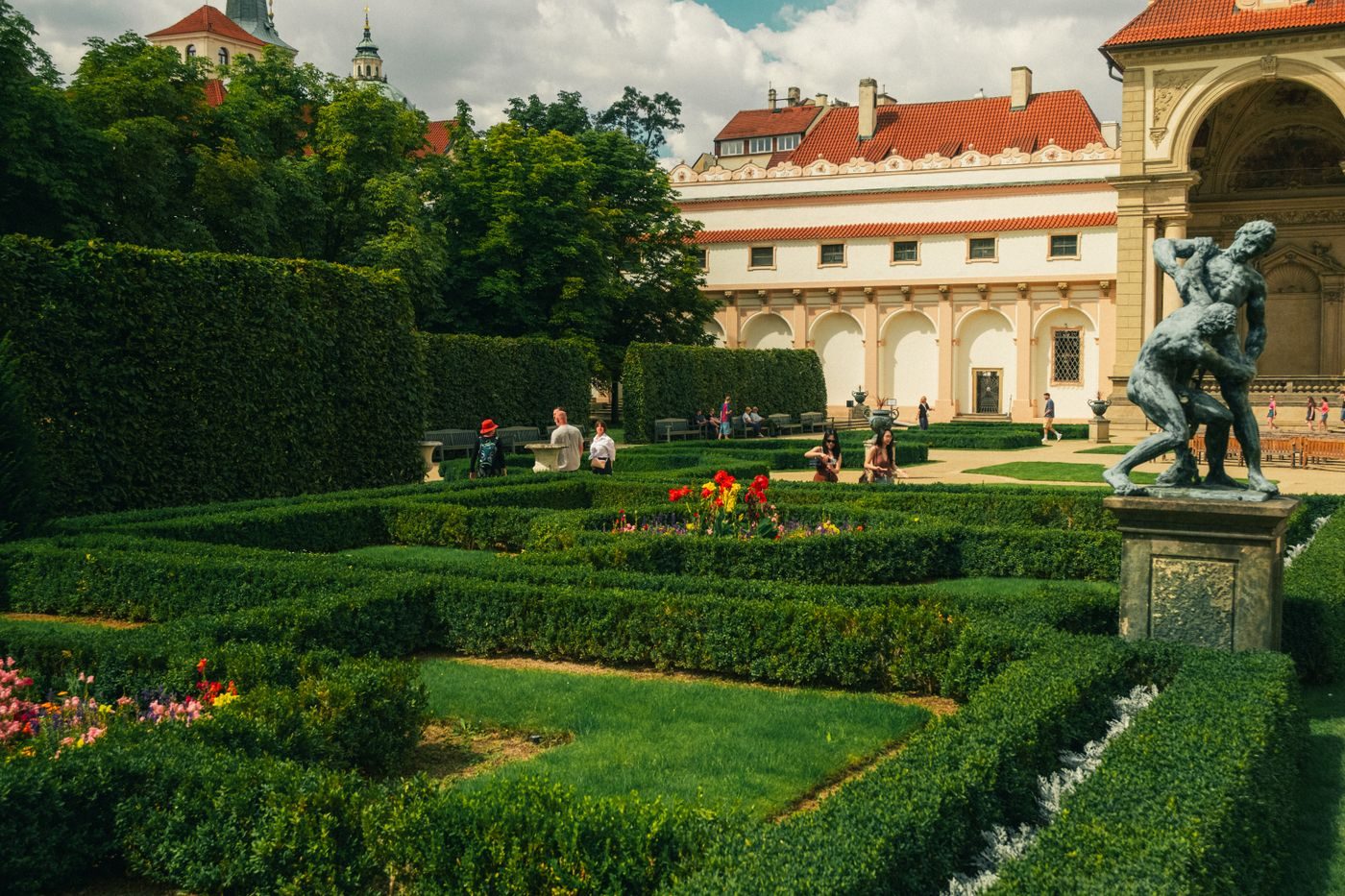
Prague City Tourism describes the palace gardens below the Castle as interconnected terrace gardens on the southern slopes, with staircases, balustrades and scenic terraces.
Power and architecture
Prague City Tourism says the vast early-Baroque palace was built between 1624 and 1630 on the site of 26 houses, six gardens and two brickworks.
Names that remember
Prague City Tourism links Charles Square to the foundation of Prague’s New Town by Charles IV in 1348.
Medieval architecture
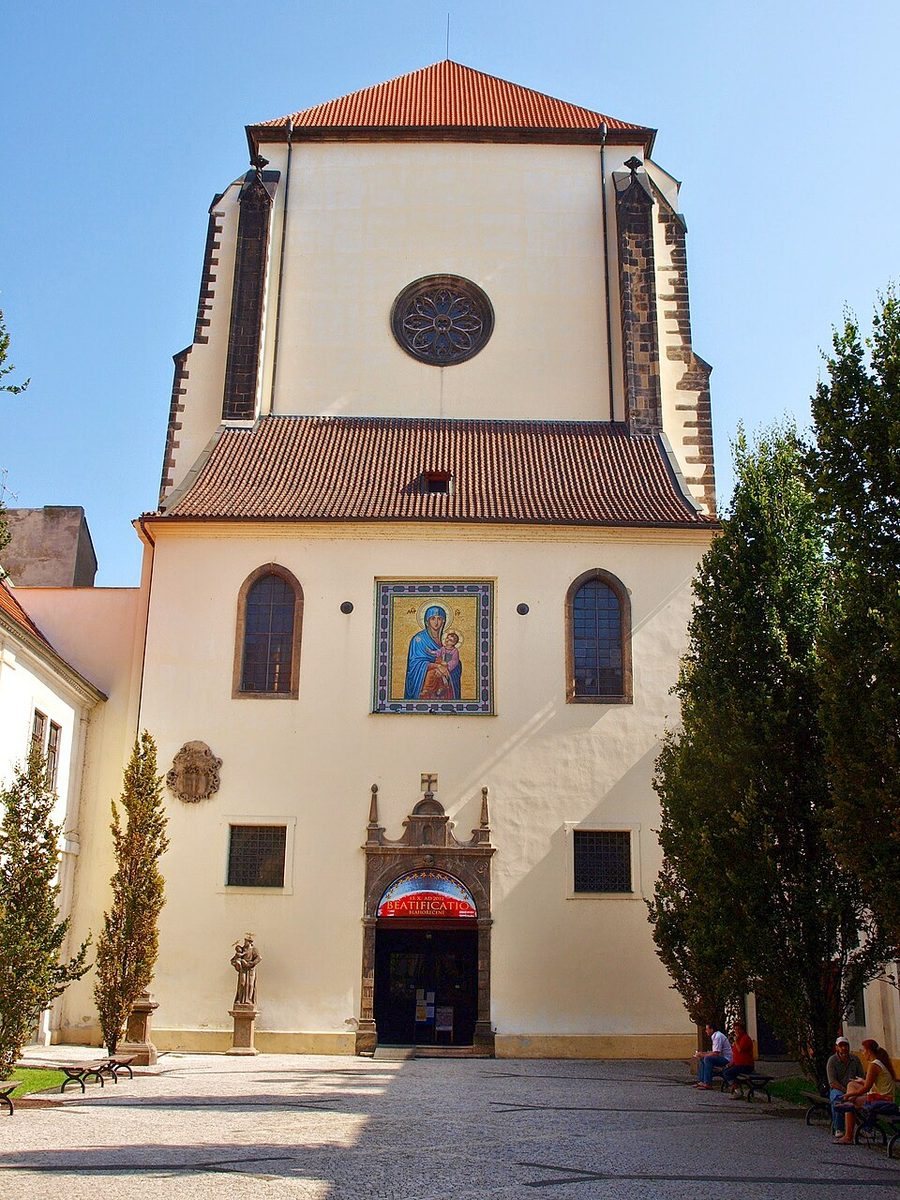
Prague City Tourism says the Church of Our Lady of the Snows was never completed to its planned size, yet its vault reaches 34 metres.
Royal Prague
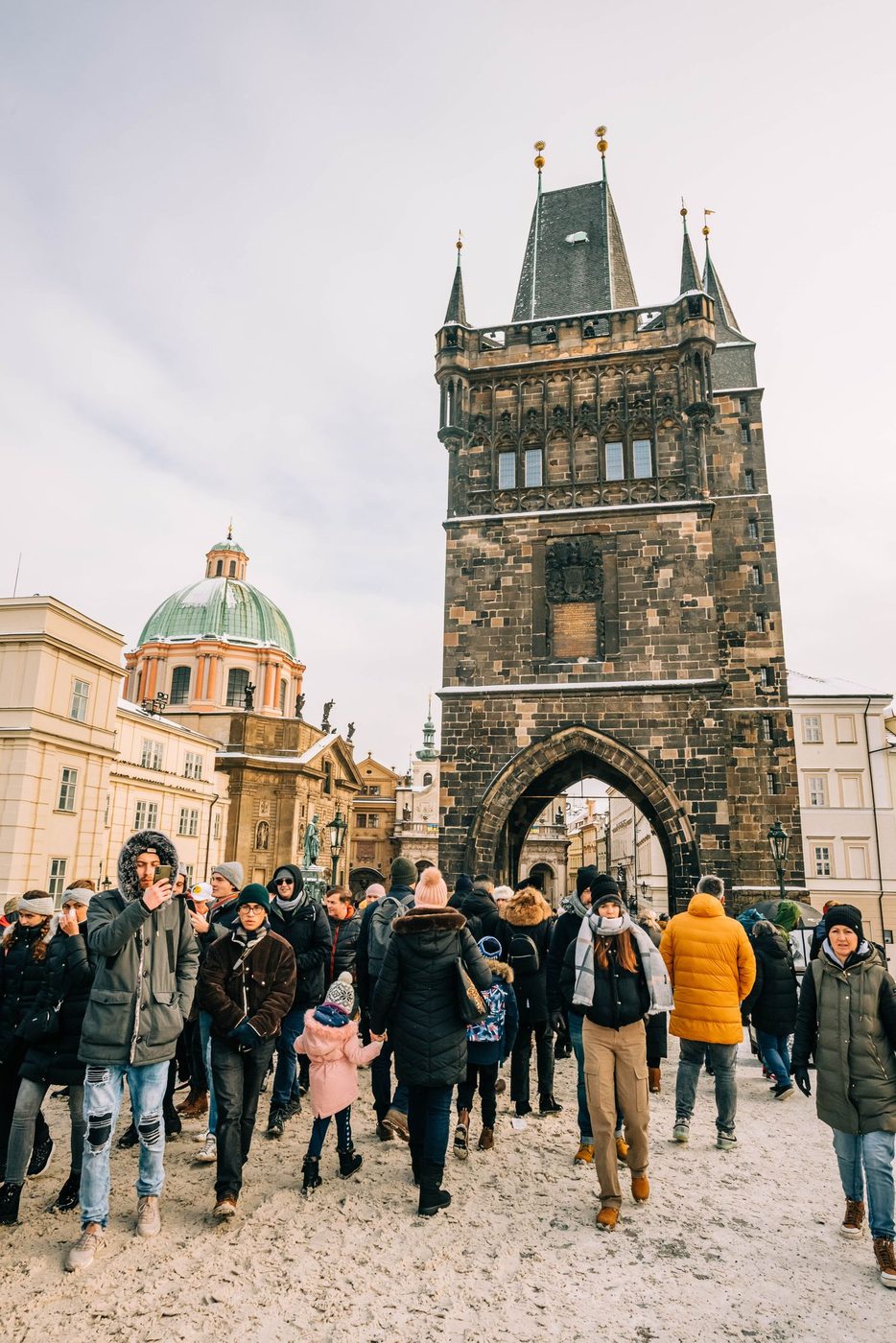
Prague City Tourism says the Gothic gateway was conceived as a symbolic victory arch for Czech kings on their coronation processions.
Pilgrimage architecture
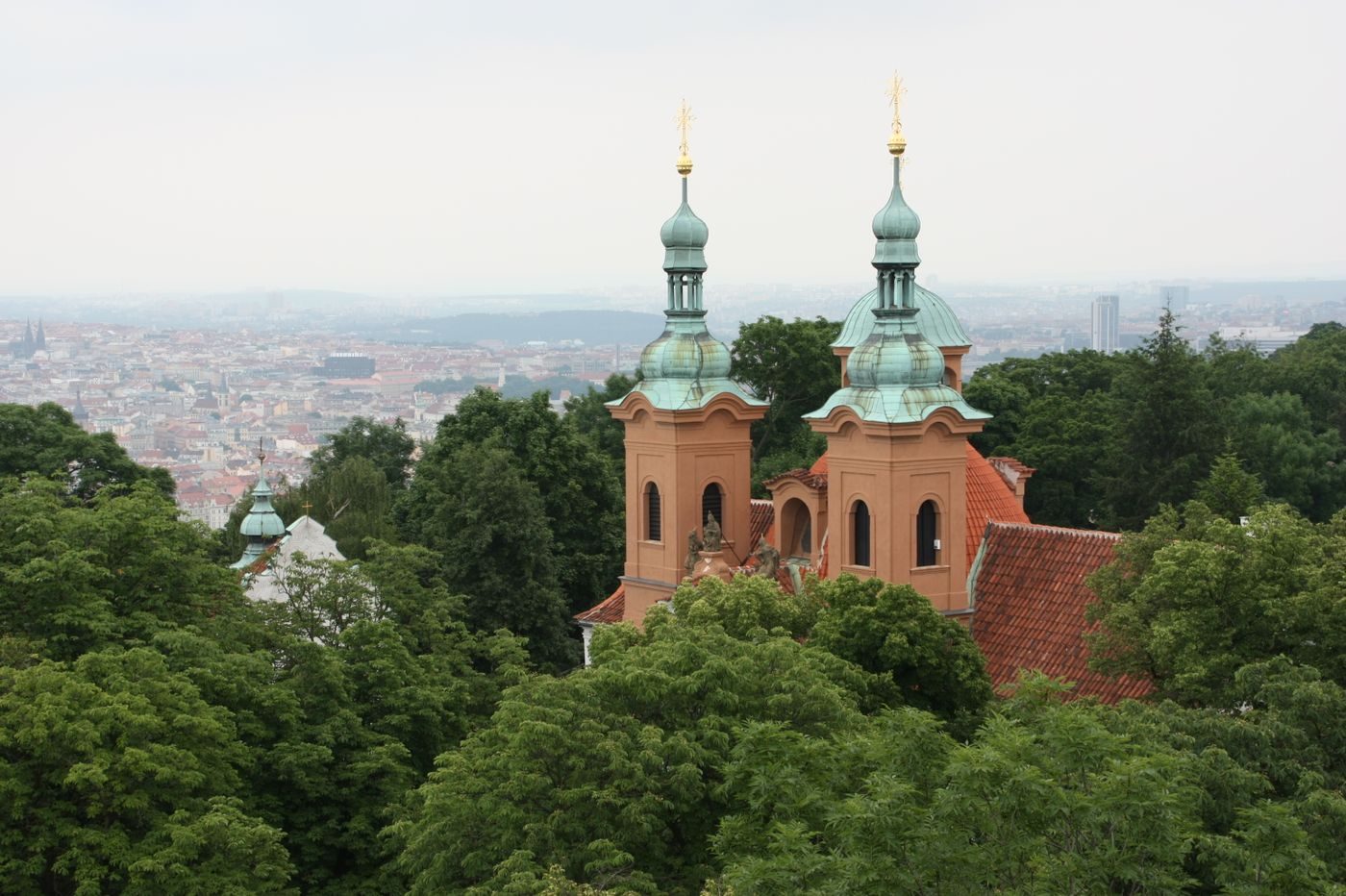
Prague City Tourism describes Loreto as a Marian pilgrimage site whose courtyard contains a replica of the Holy House, the Santa Casa.
Transit design
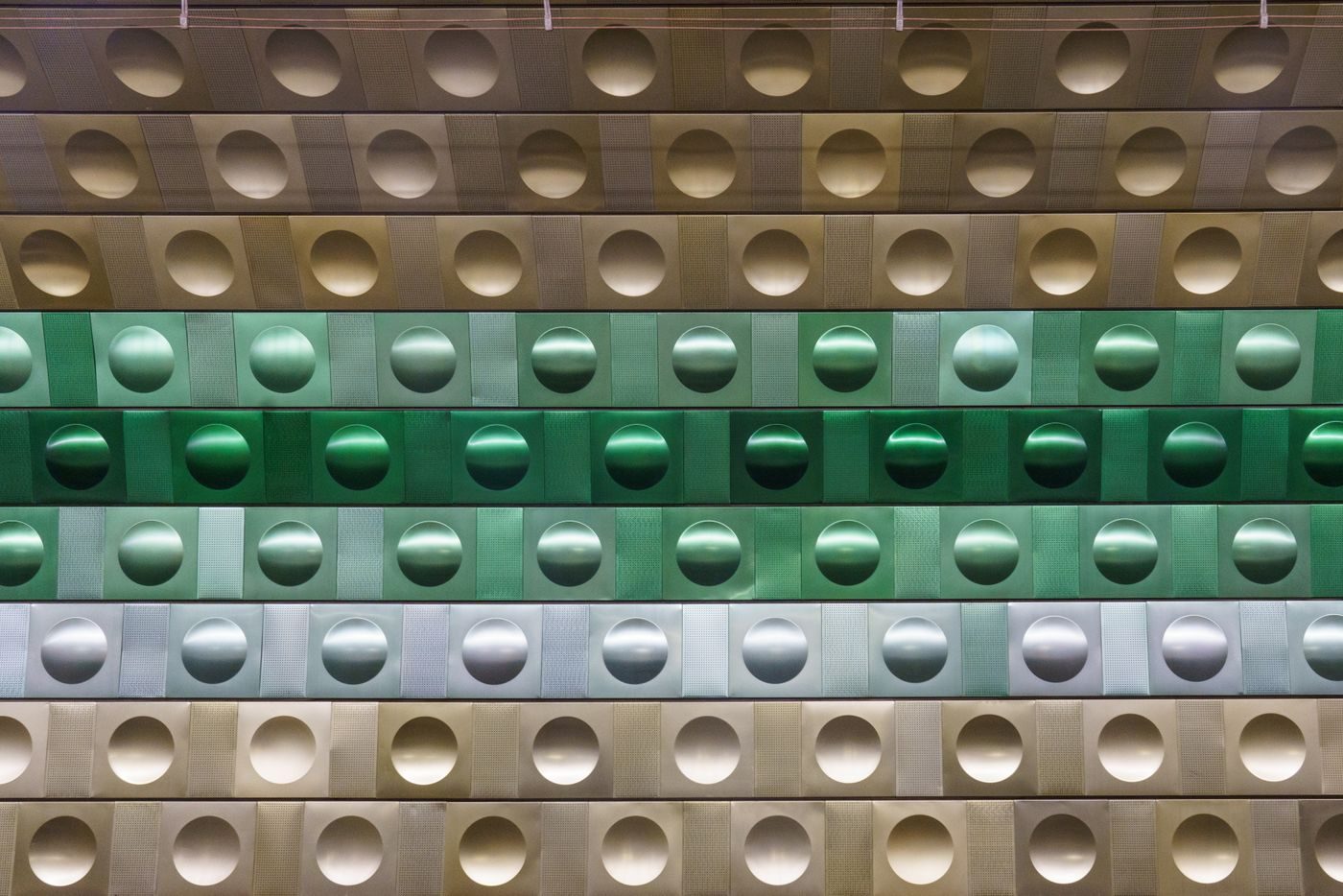
Prague City Tourism credits Jaroslav Otruba with the iconic shaped tiles of anodised aluminium used on metro line A.
Performing arts
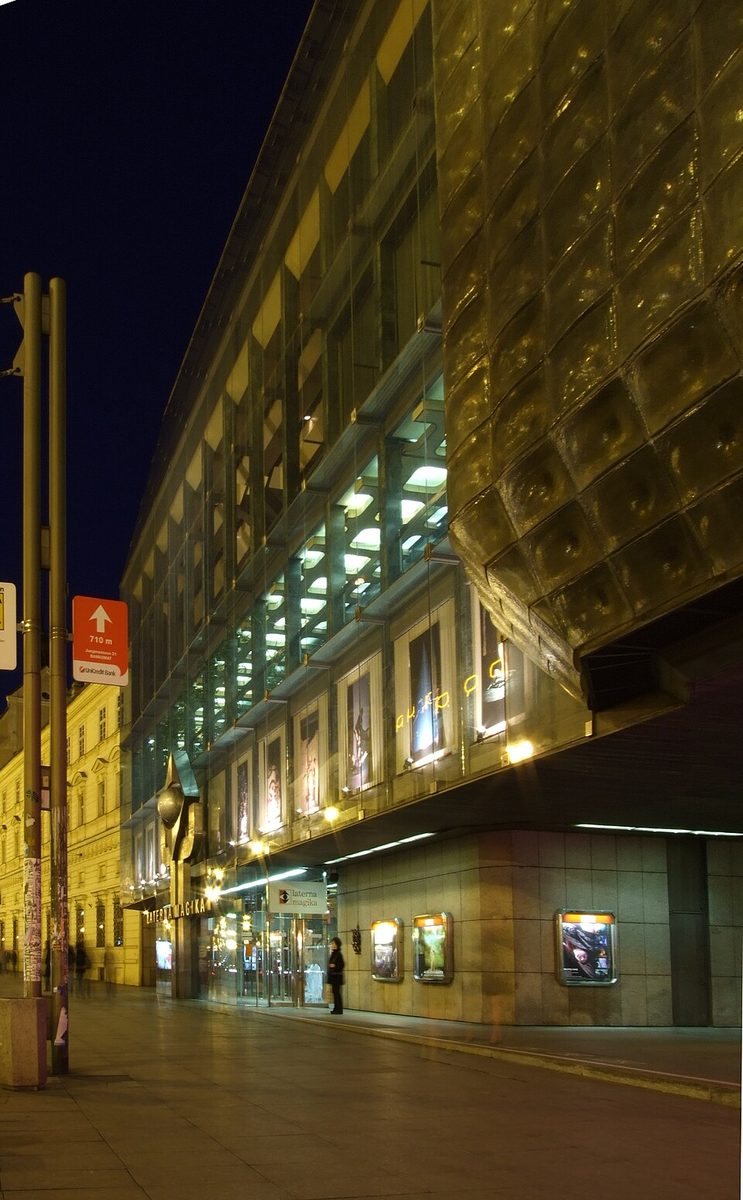
Prague City Tourism describes Laterna Magika as a combination of stage performance, sound and film images and says it was first performed at Expo 58 in Brussels.
Beer literacy
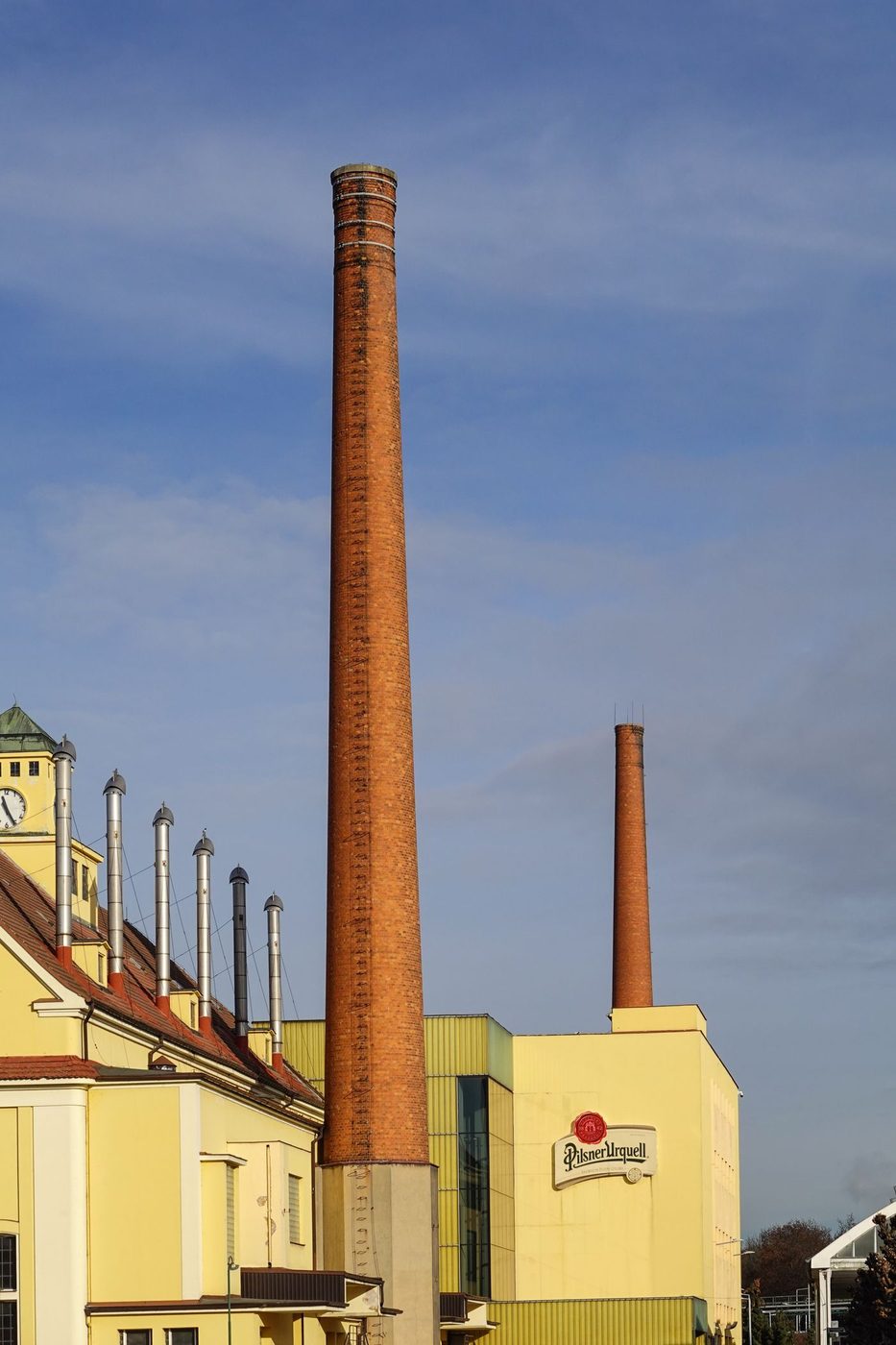
The brewery’s own site says Pilsner Urquell is only brewed in Plzeň, Czech Republic, even though you encounter the beer throughout Prague.
Hussite Prague
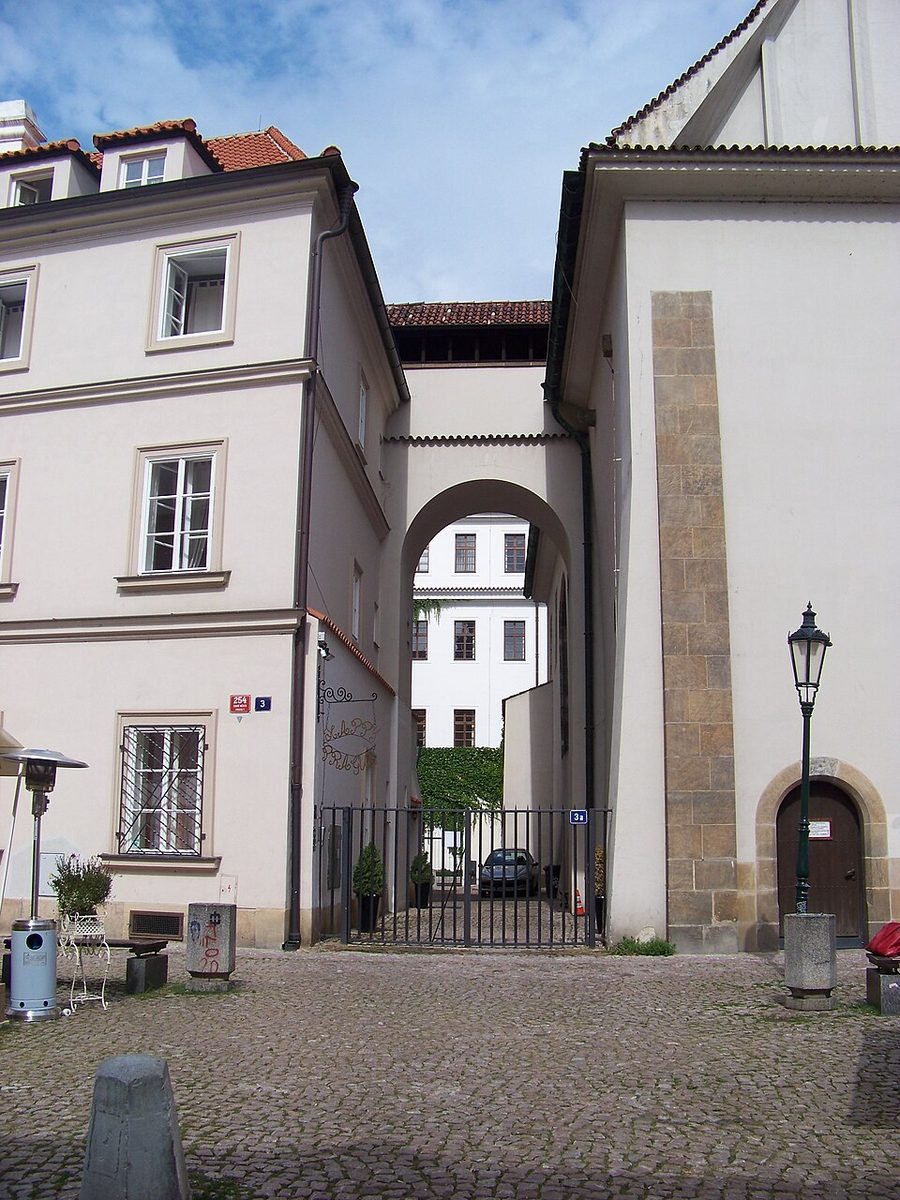
Prague City Tourism says that after Hus and the Hussite Wars, Bethlehem Chapel became a centre of the church with communion under both kinds.
Legend vs evidence
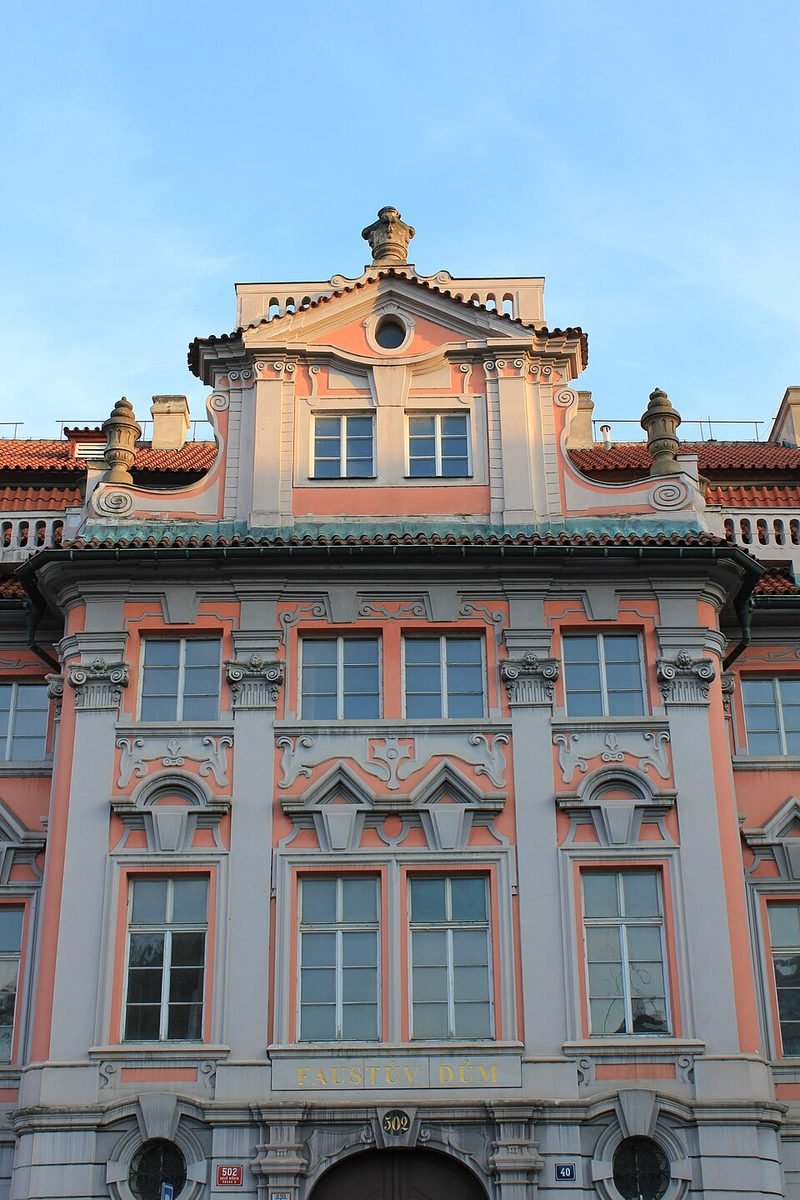
Prague City Tourism identifies the building known as Faust House on Charles Square as Mladota Palace.
Modern history
Prague City Tourism says the National Theatre first opened in 1881 and opened a second time in 1883 after a devastating fire.
Statehood
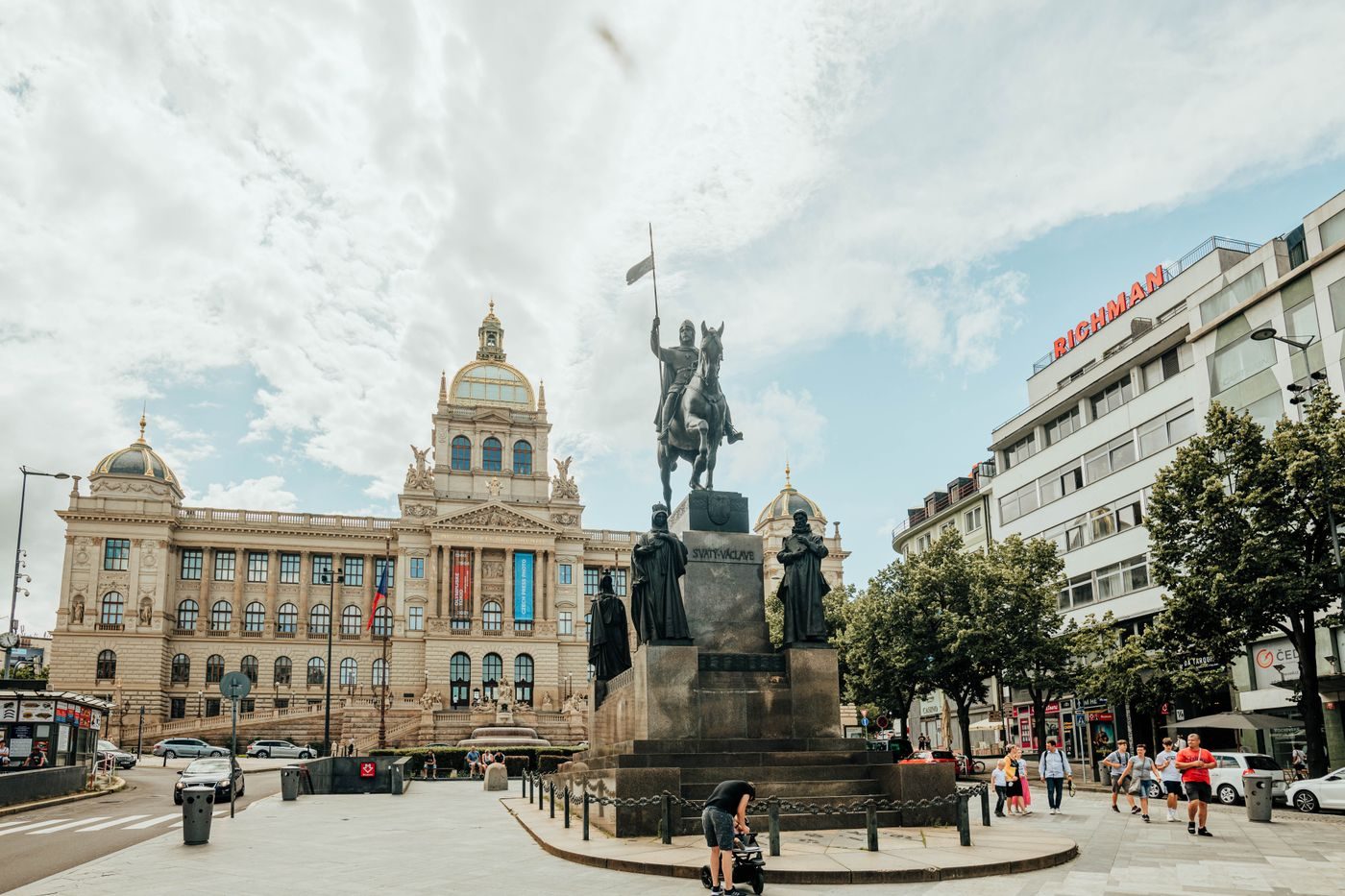
Prague City Tourism says Czech independence was proclaimed in front of the St Wenceslas monument on 28 October 1918.
Medieval layers
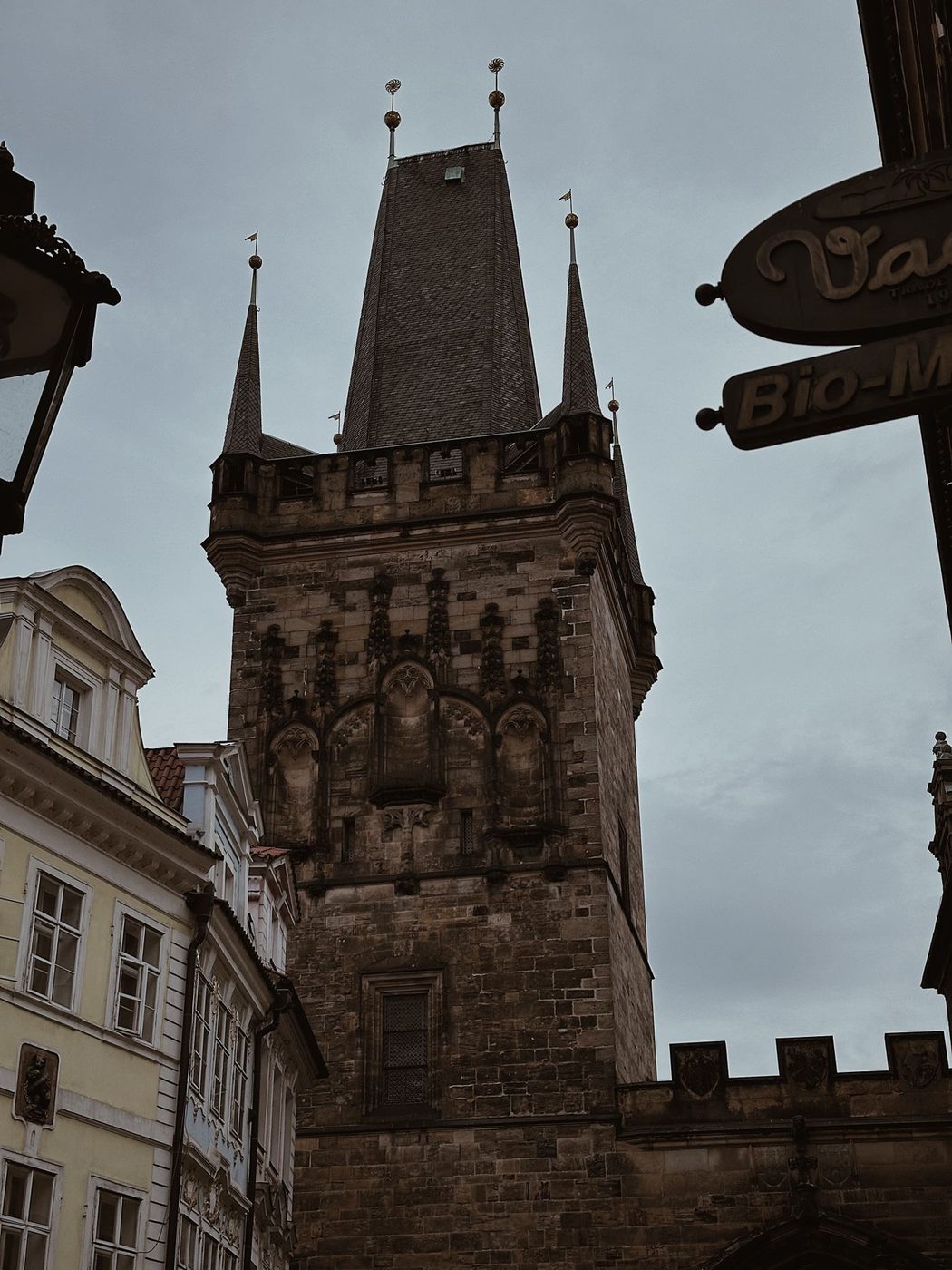
Prague City Tourism points to surviving Judith Bridge vaults, a Romanesque relief and the Bradáč water mark around the present crossing.
First Republic
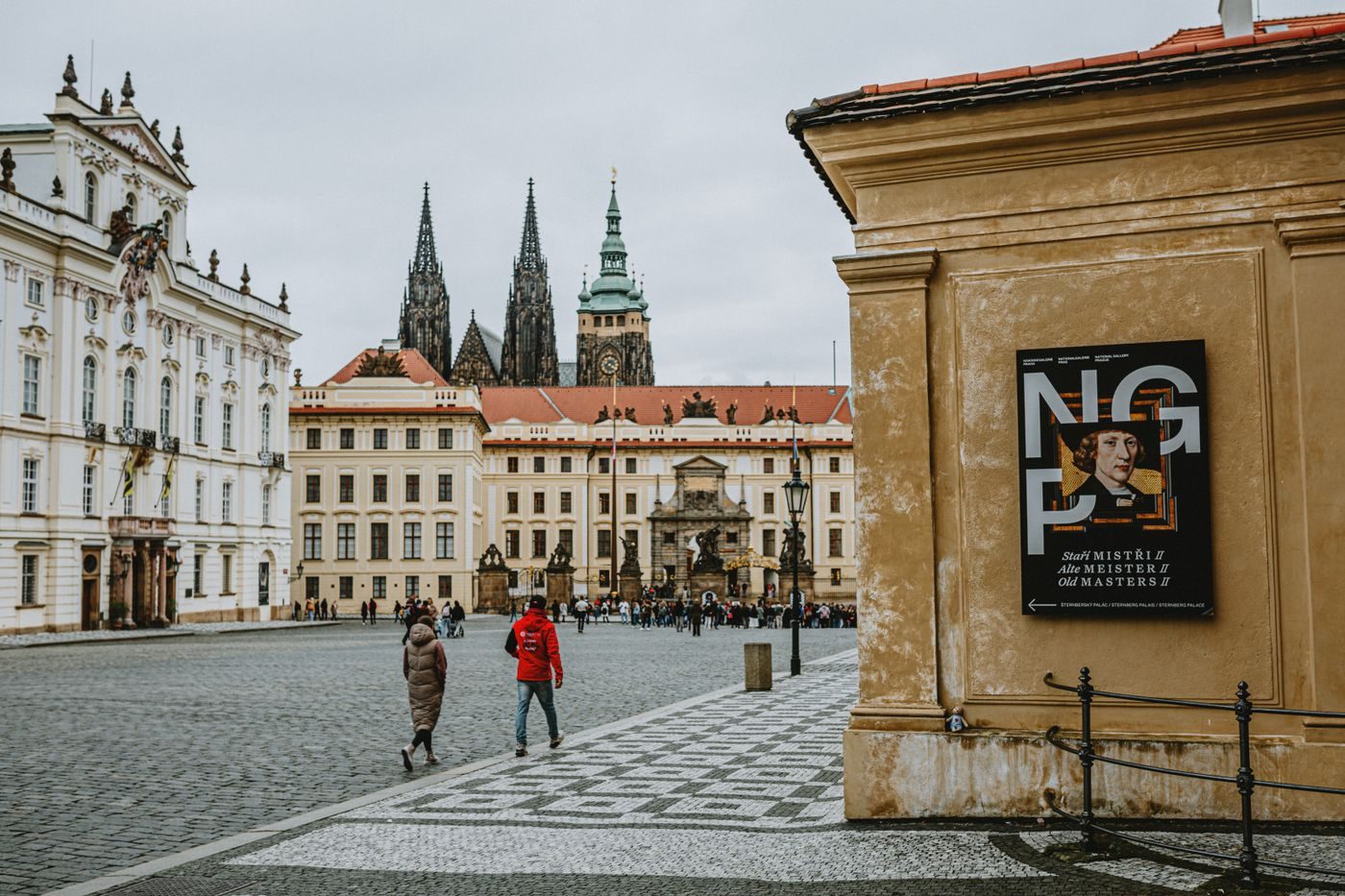
Prague City Tourism says Josip Plečnik carried out extensive Castle modifications from 1920 to 1935 as it served the Czechoslovak president.
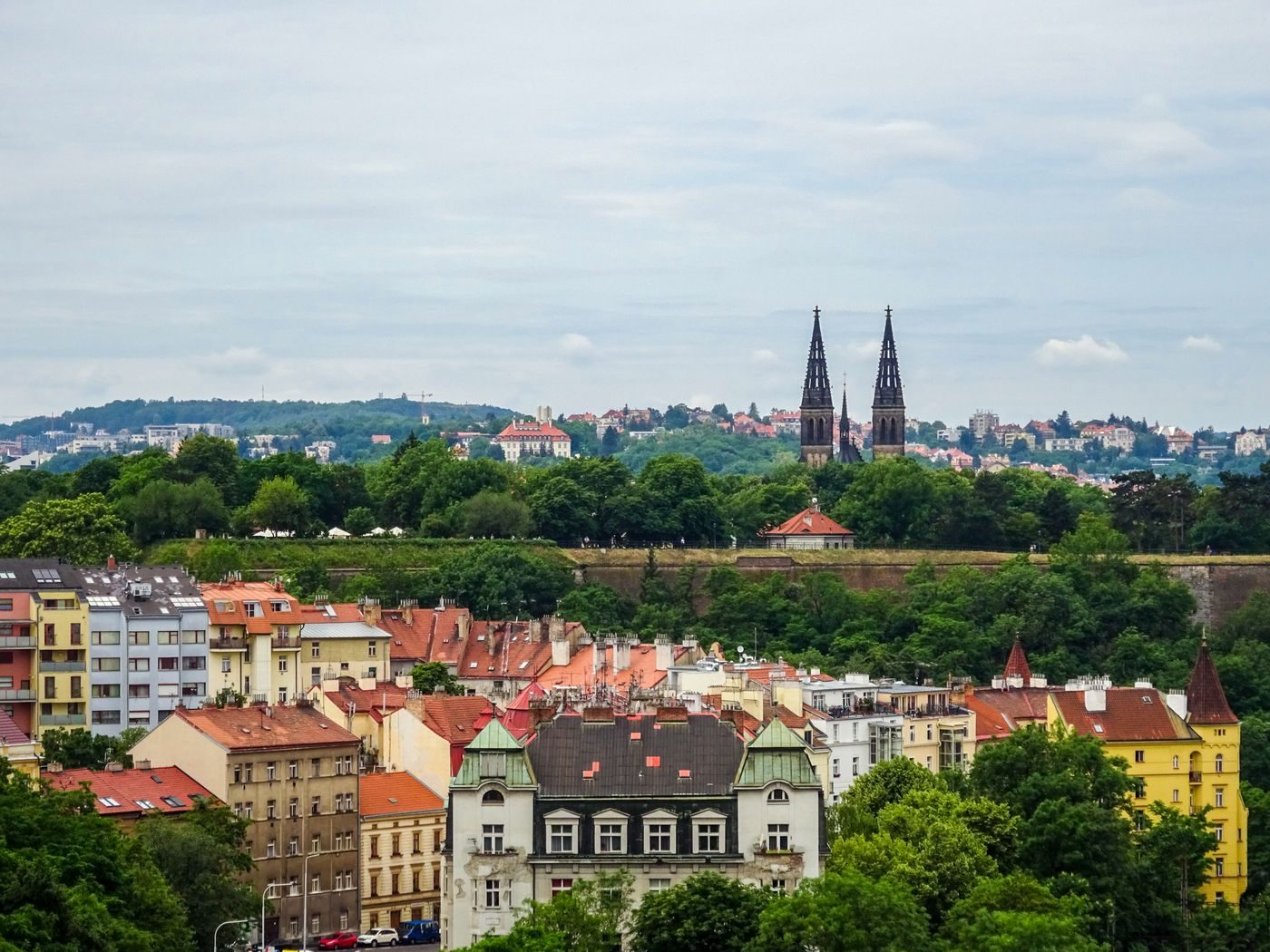
Medieval power
Prague City Tourism says Vratislav II established the chapter church in the later 11th century while building his Vyšehrad seat as a deliberate counterpart to Prague Castle.
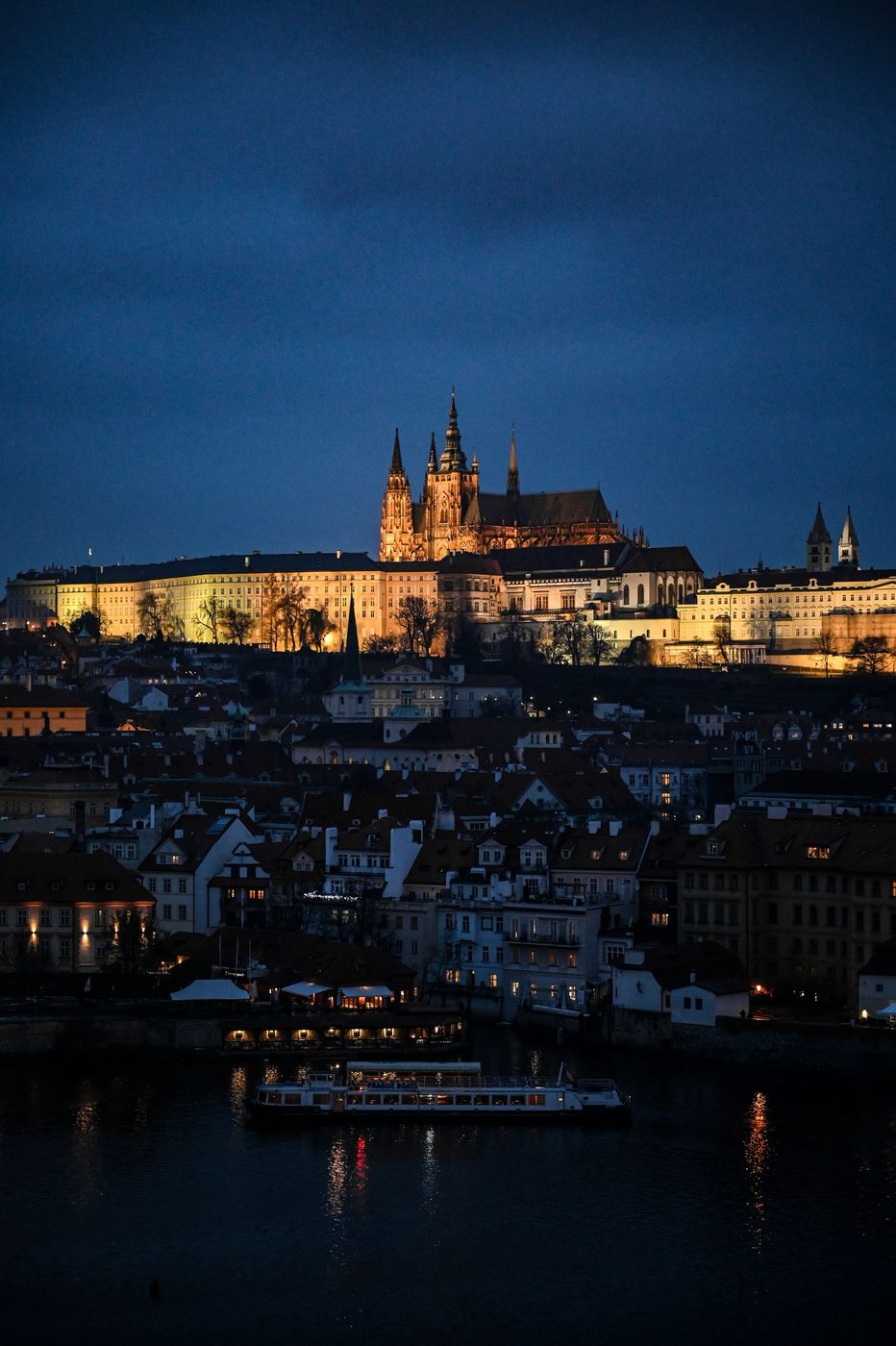
Local Hradčany
Prague City Tourism describes Nový svět, New World, as a former suburb of Hradčany that began emerging around the middle of the 14th century.
Jewish Prague
Prague City Tourism says the Old Jewish Town Hall clock has Hebrew characters and hands that turn opposite to a regular clock.
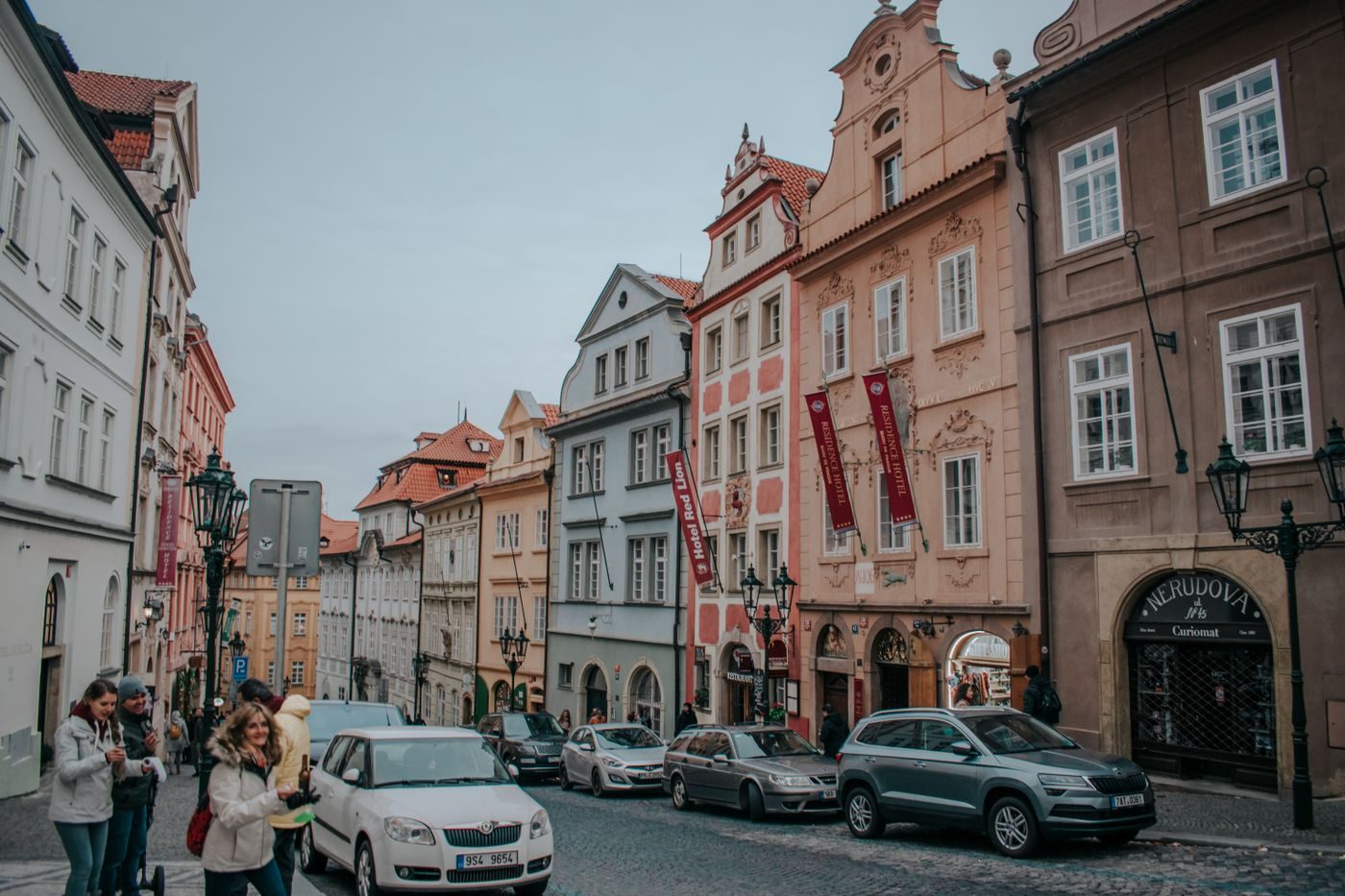
Names and signs
Prague City Tourism says house signs were used to distinguish burgher and merchant houses long before Maria Theresa imposed house numbering in 1770.
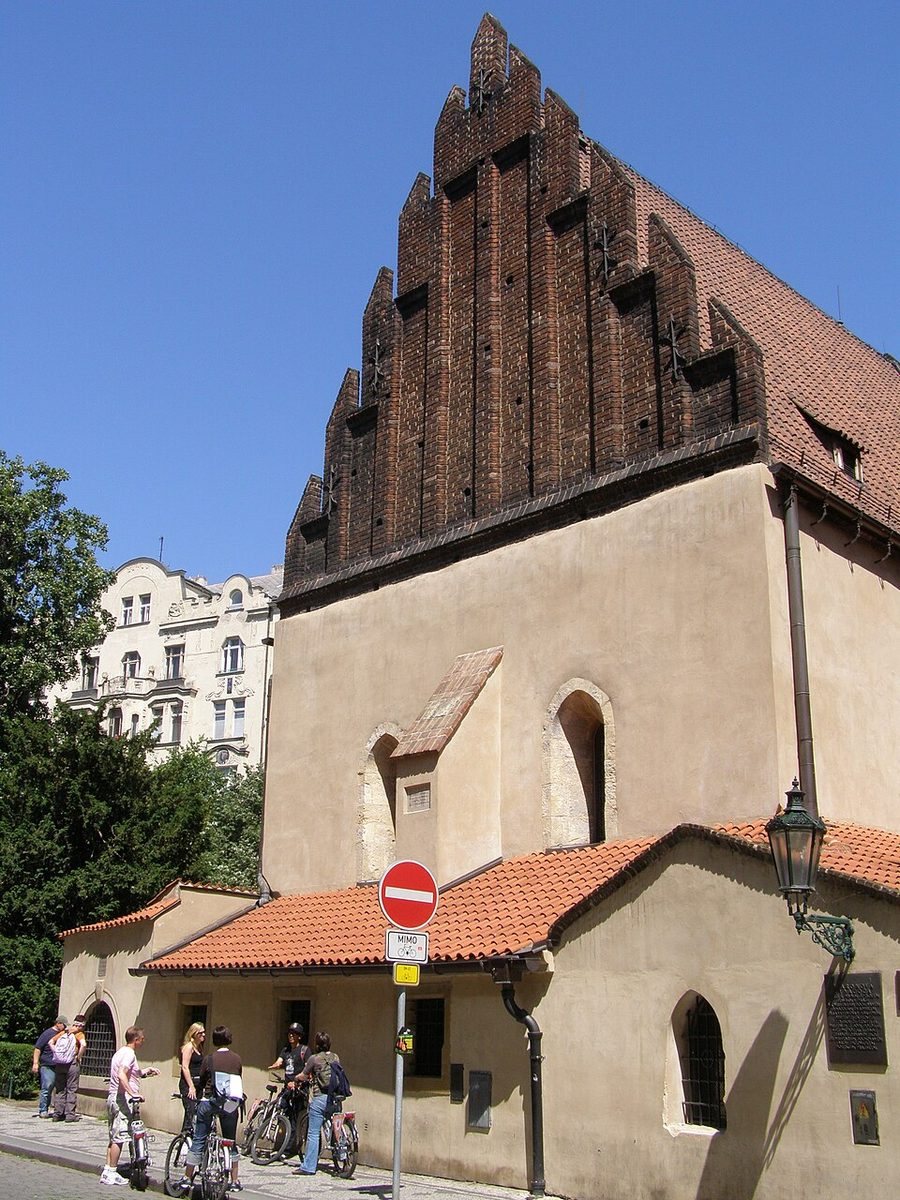
Legend vs evidence
Prague City Tourism explicitly labels the Golem story a legend and says no traces of the clay body have been found in the Old-New Synagogue.
Cubist design
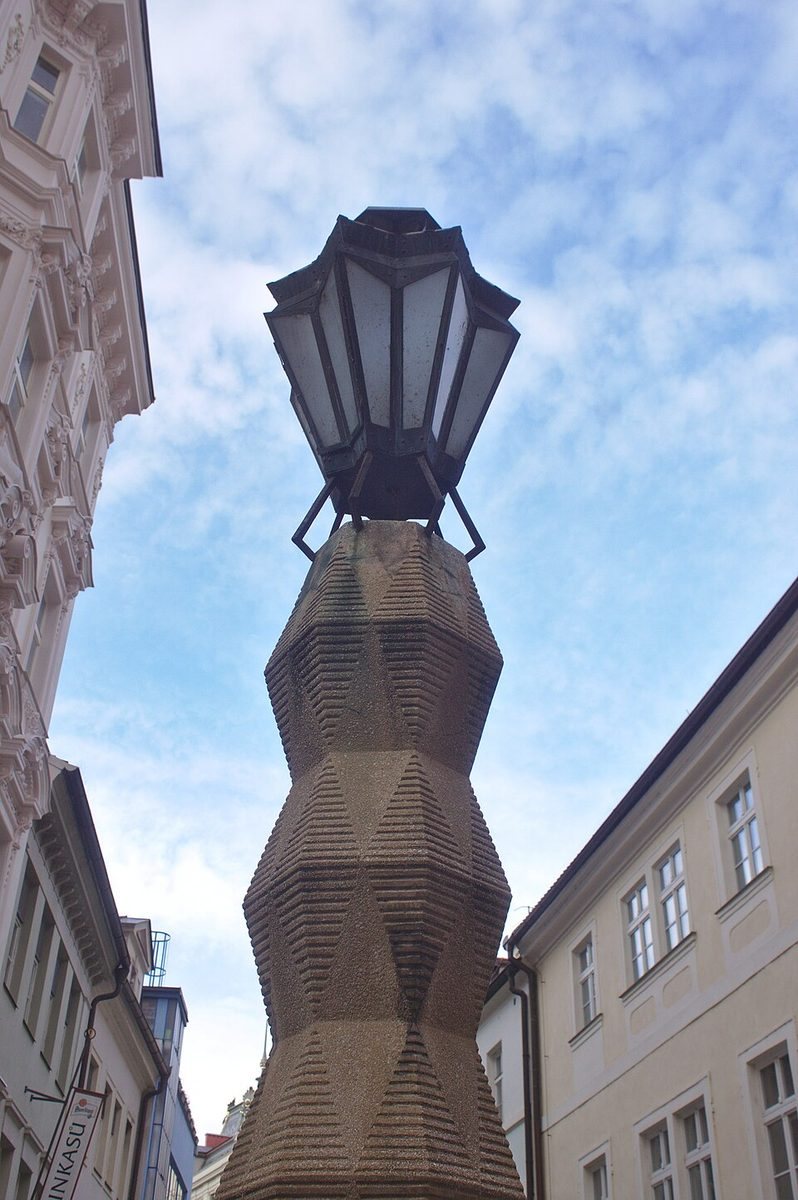
Prague City Tourism says the 1913 lamp designed by Emil Králíček still stands on Jungmann Square as the world’s only functioning Cubist lamppost.
Art Nouveau craft
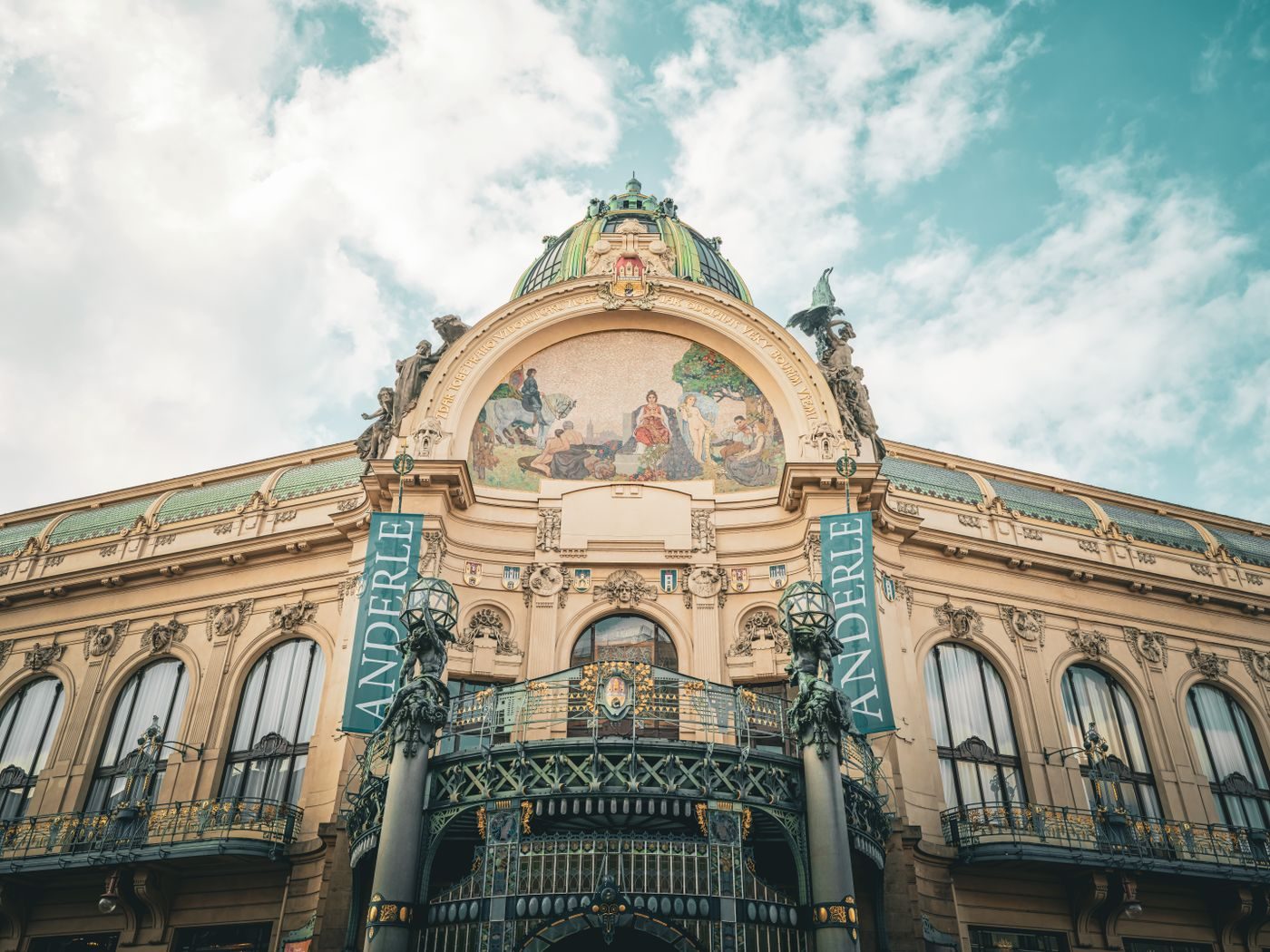
Prague City Tourism says Alphonse Mucha also designed arts-and-crafts details in the hall, including radiator grilles, windows, standing lights and drapes.
Science history
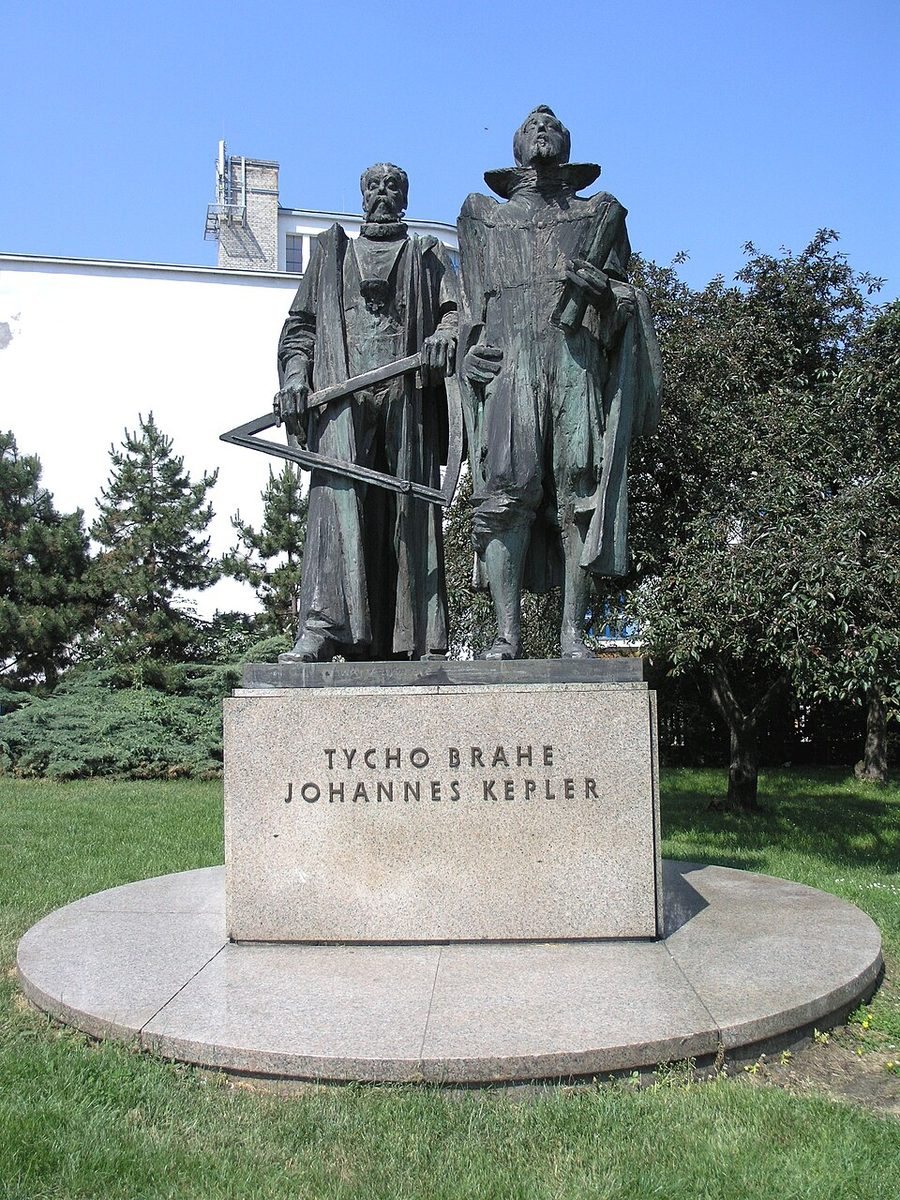
Prague City Tourism says two of Johannes Kepler’s three laws of planetary motion were formulated in Prague.
Castle archaeology
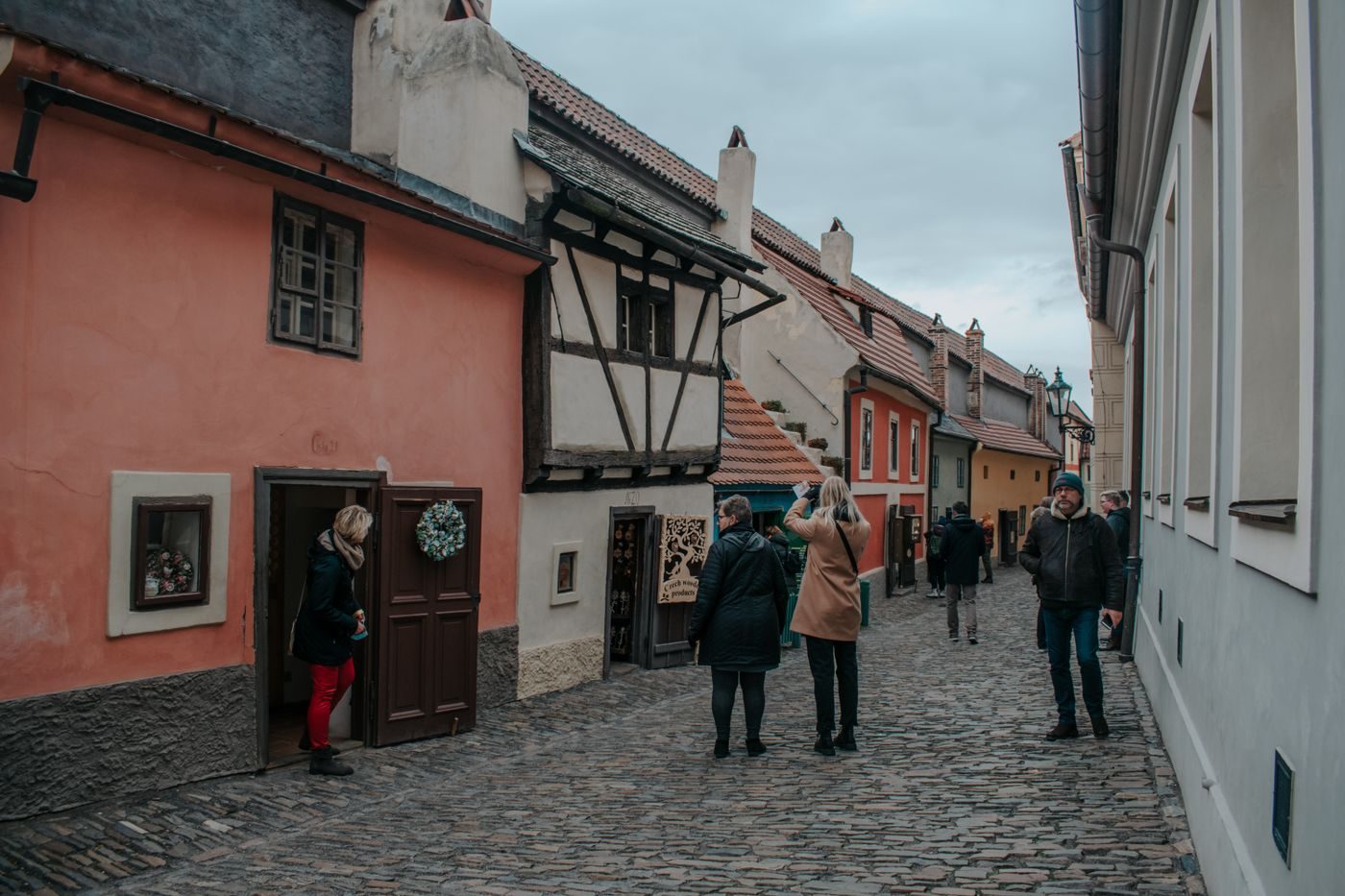
Prague City Tourism says the houses were built in arches of defence walls by Benedikt Ried around 1500 on Prague Castle’s northern side.
Holocaust memory
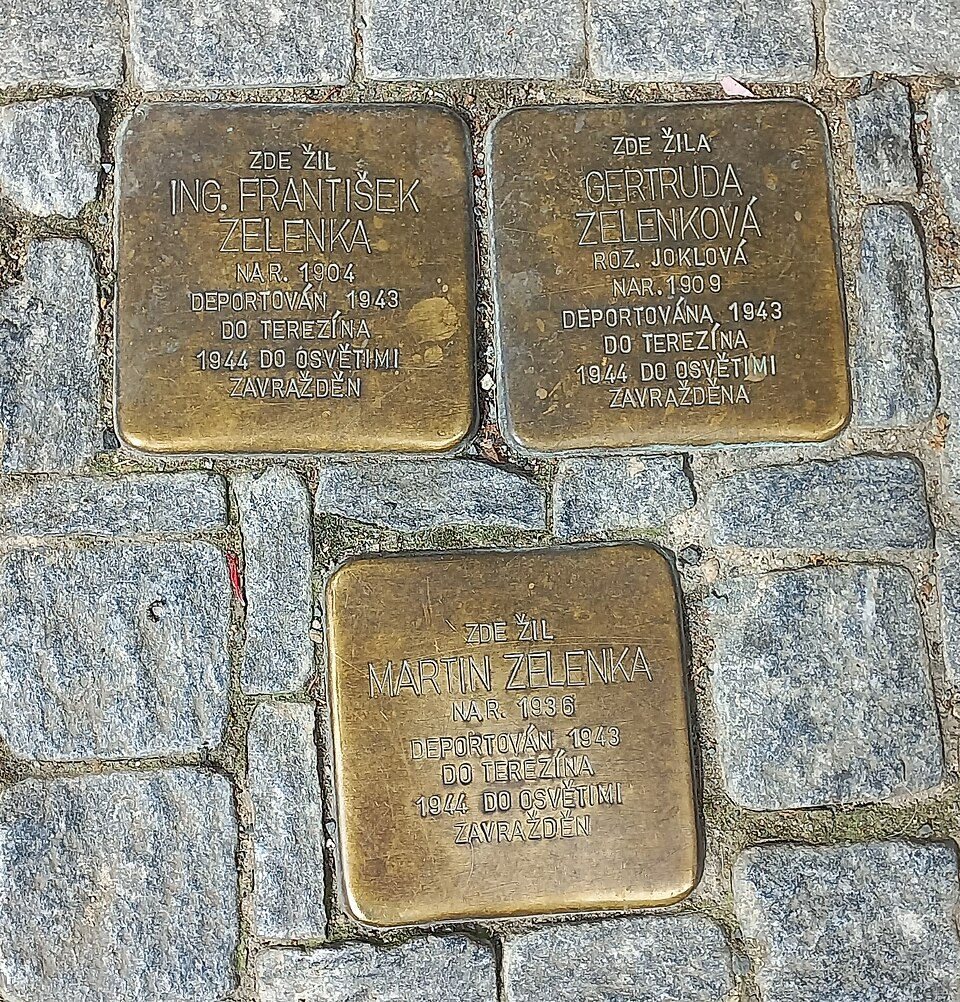
The Jewish Museum in Prague describes Stolpersteine as commemorating Prague residents deported to Łódź.
Legend vs evidence
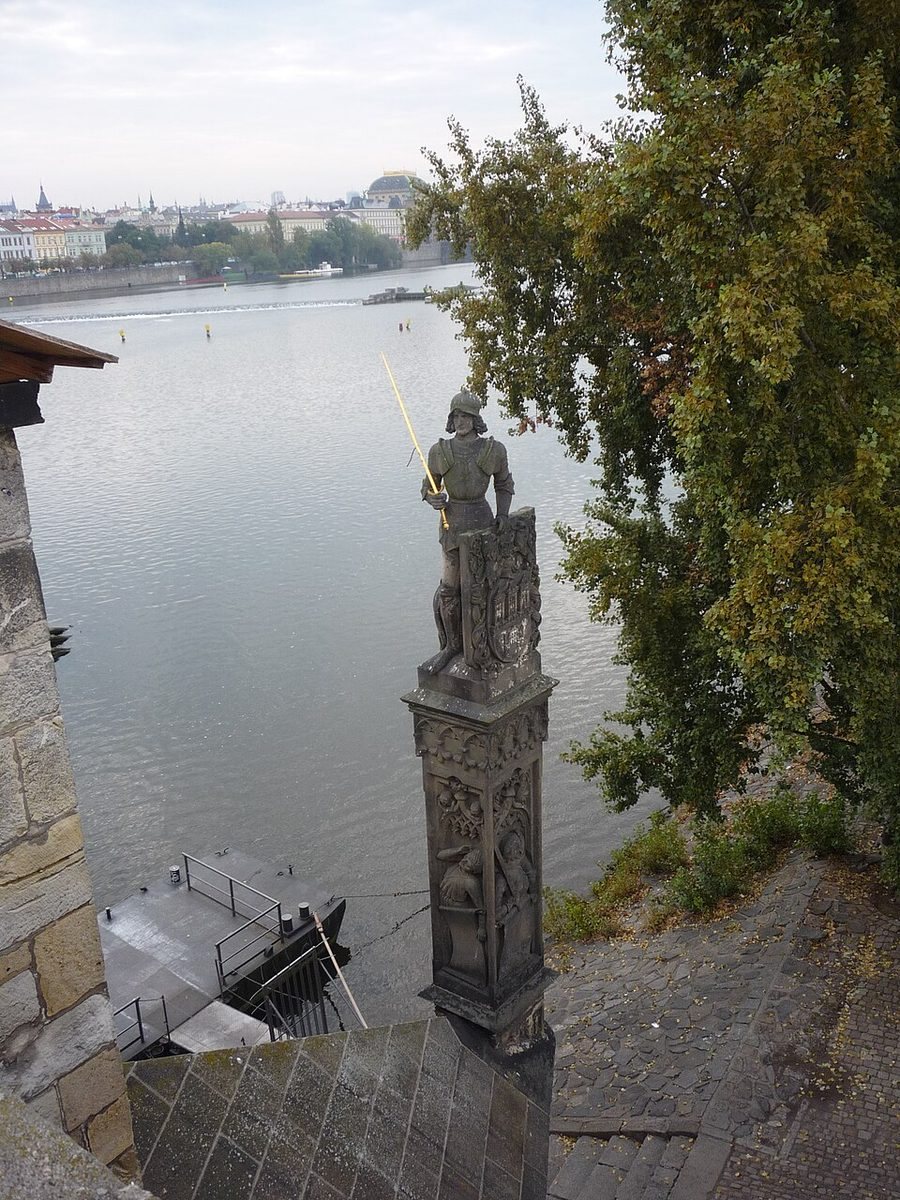
Prague City Tourism explicitly presents the tale of Bruncvík earning the lion for the Czech coat of arms as a legend.
Legend vs timeline
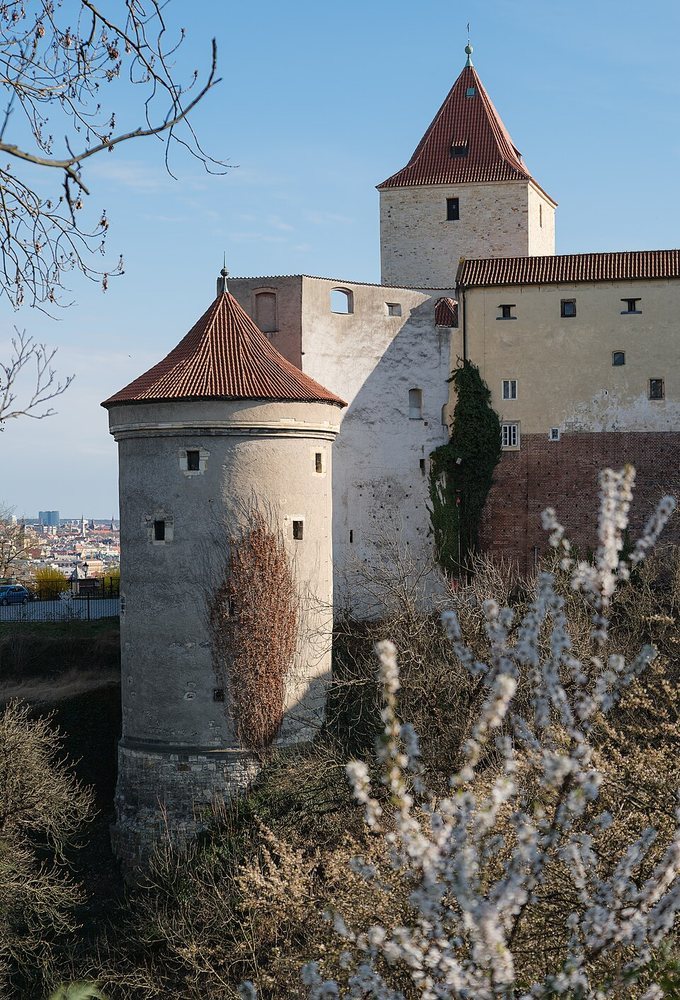
Prague City Tourism says the first violins reached Bohemia about a century after Dalibor’s execution, so the prison-violin tale does not fit that chronology.
Velvet Revolution
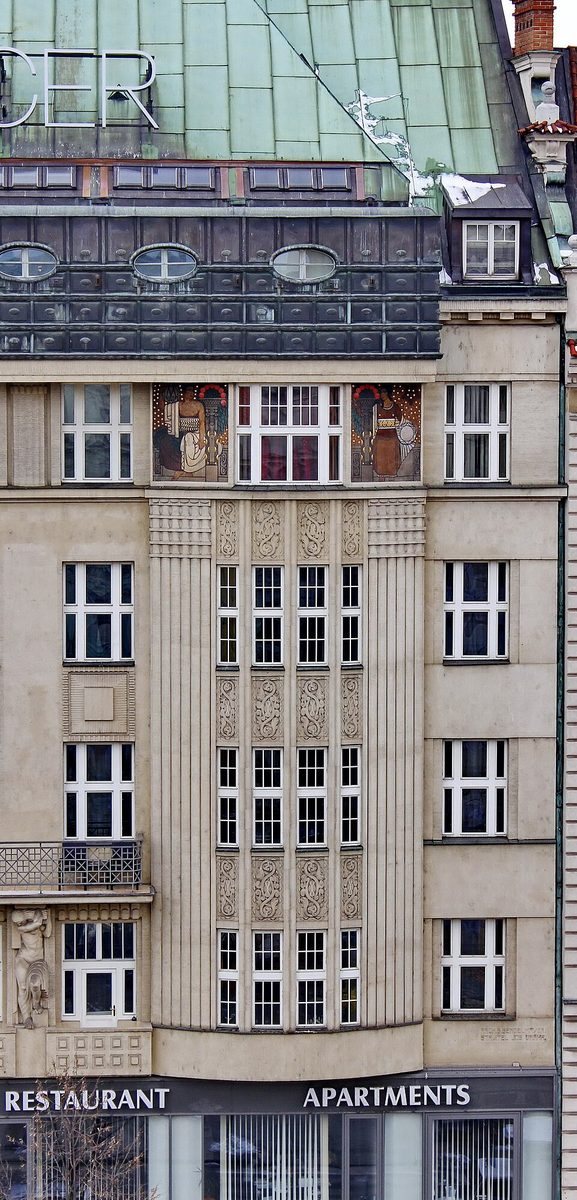
Prague City Tourism says speakers and singers appeared on the Melantrich balcony during demonstrations against the communist regime in November 1989.
Heraldic literacy
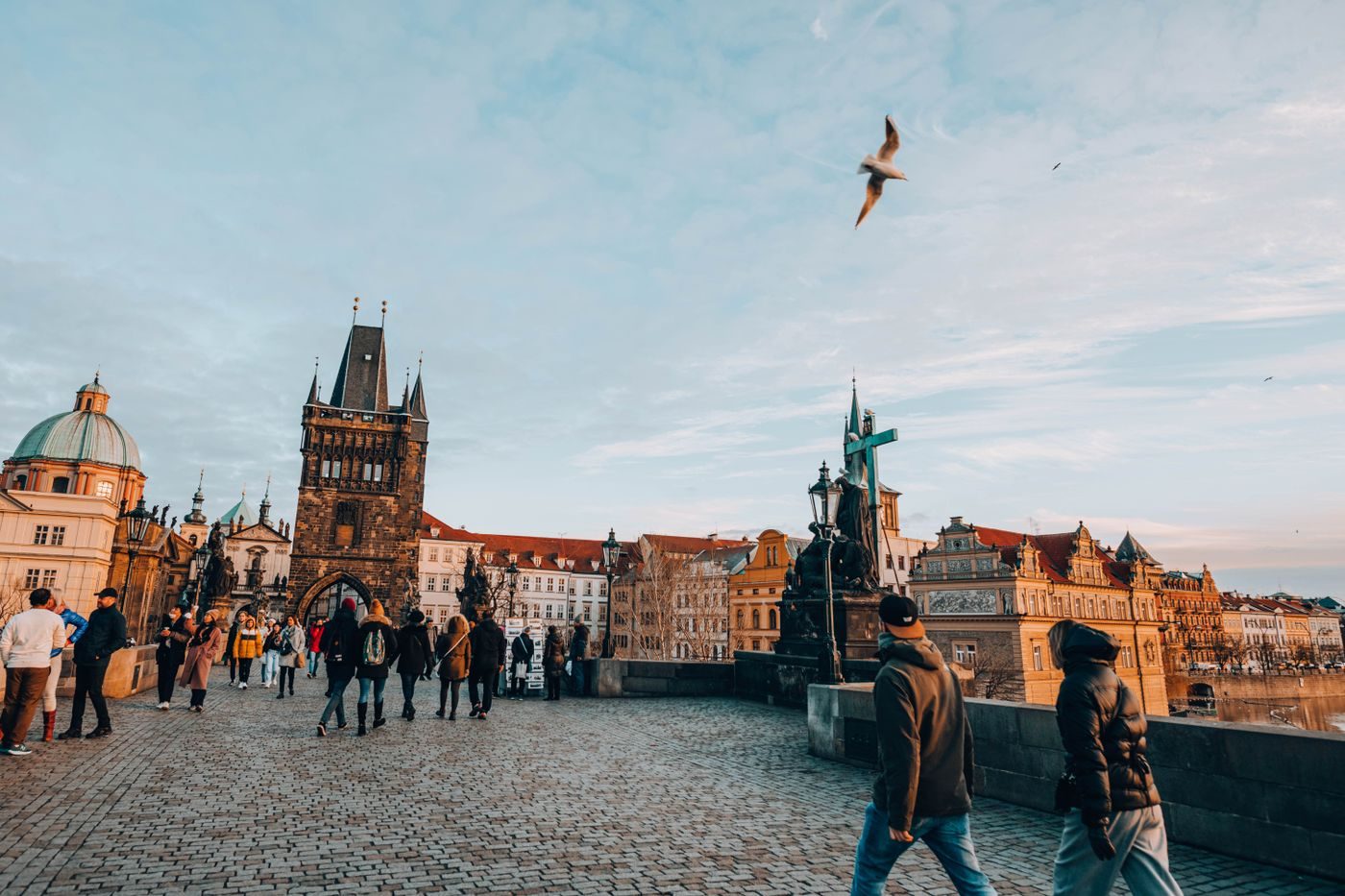
Prague City Tourism identifies the silver two-tailed lion in a red field on the tower as the emblem for the Bohemian king.
City builder
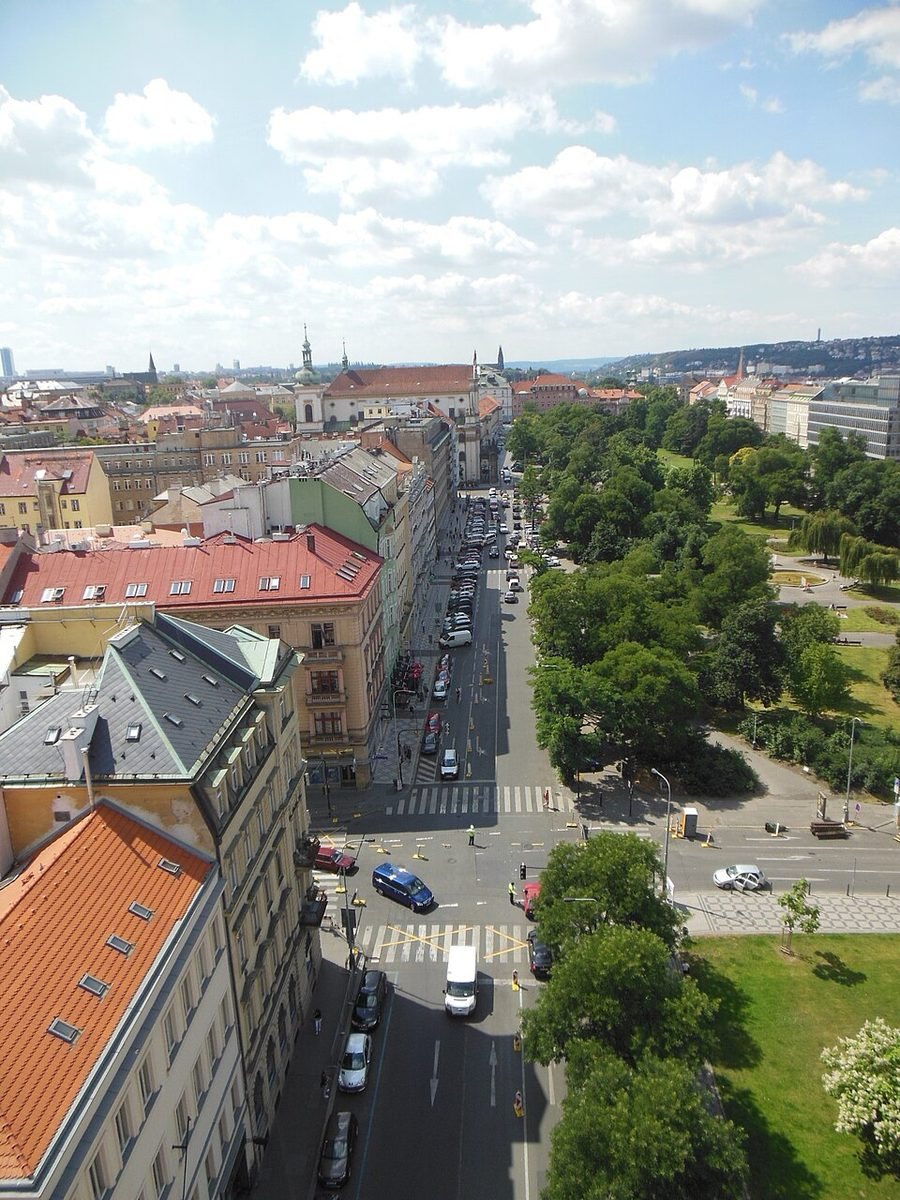
Prague City Tourism says Charles IV devoted considerable attention to the planning and design of the New Town he decided to establish after 1340.
Defenestration
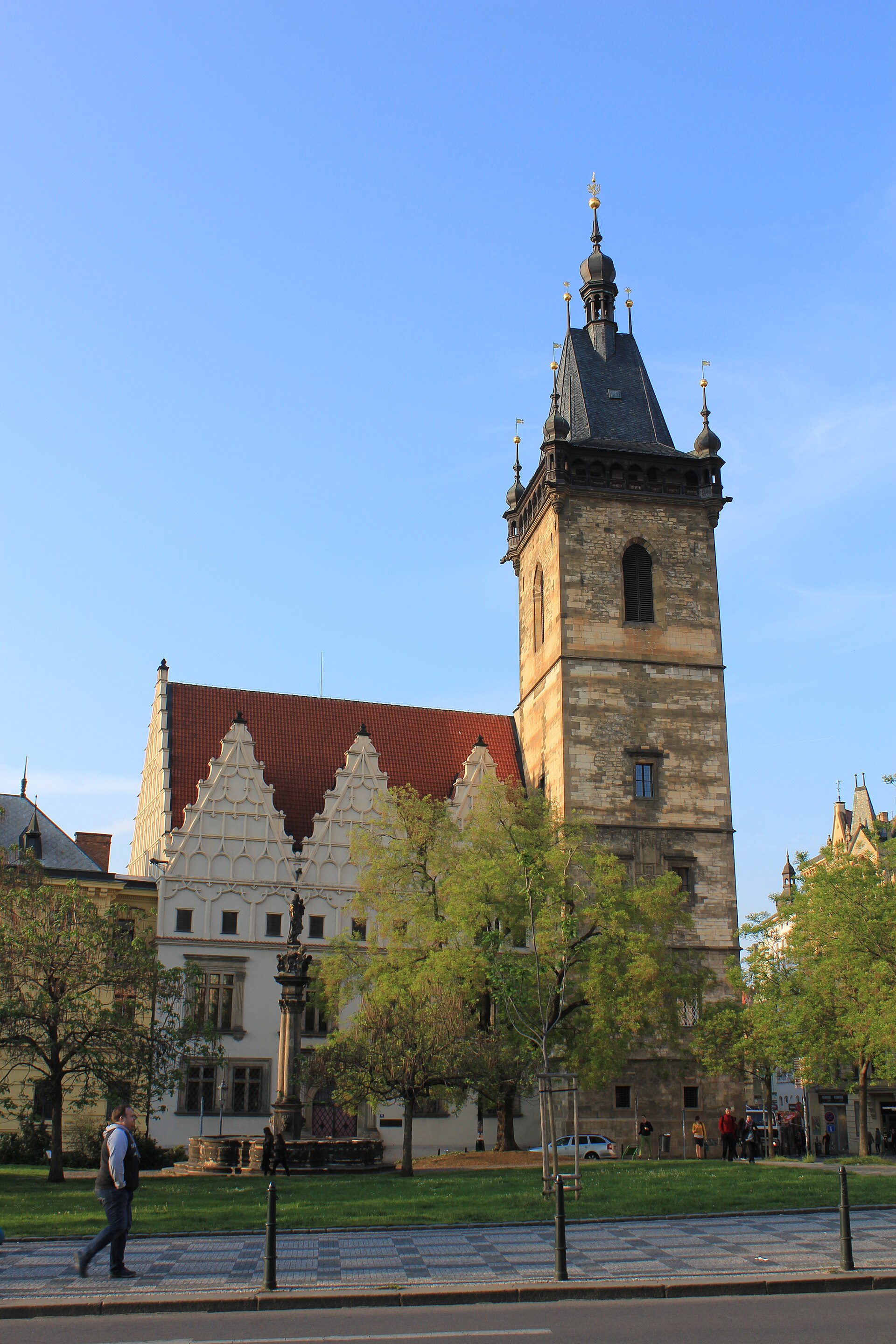
Prague City Tourism says a crowd threw officials from the New Town Hall windows on 30 July 1419, marking the start of the Hussite revolution.
Beer literacy
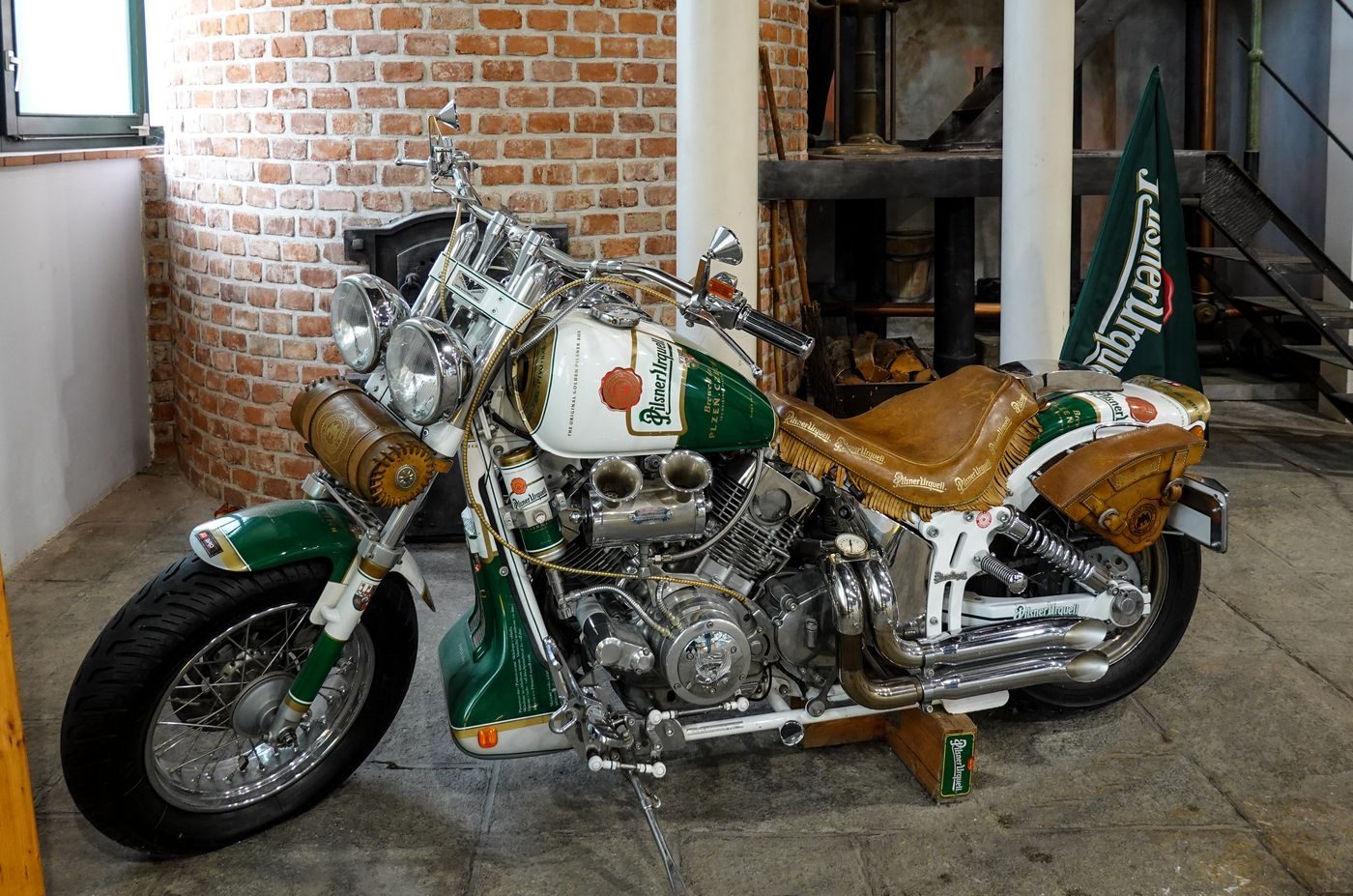
Prague City Tourism lists čochtan, hladinka, šnyt and mlíko at Lokál Dlouhá and says they have increasing proportions of creamy foam.
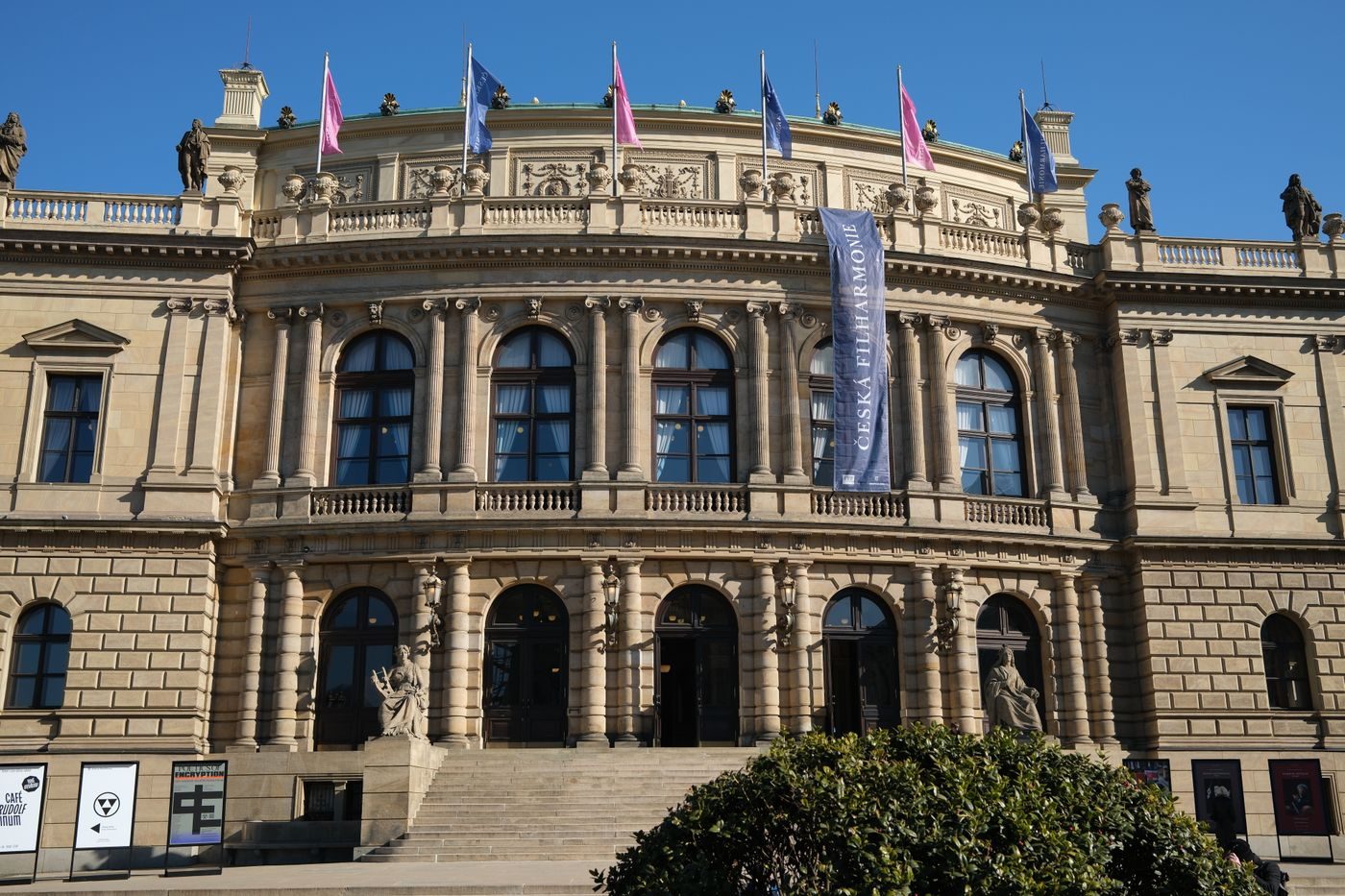
Music history
Prague City Tourism says the Czech Philharmonic came into existence at the Rudolfinum in January 1896 and its first concert was conducted by Antonín Dvořák.
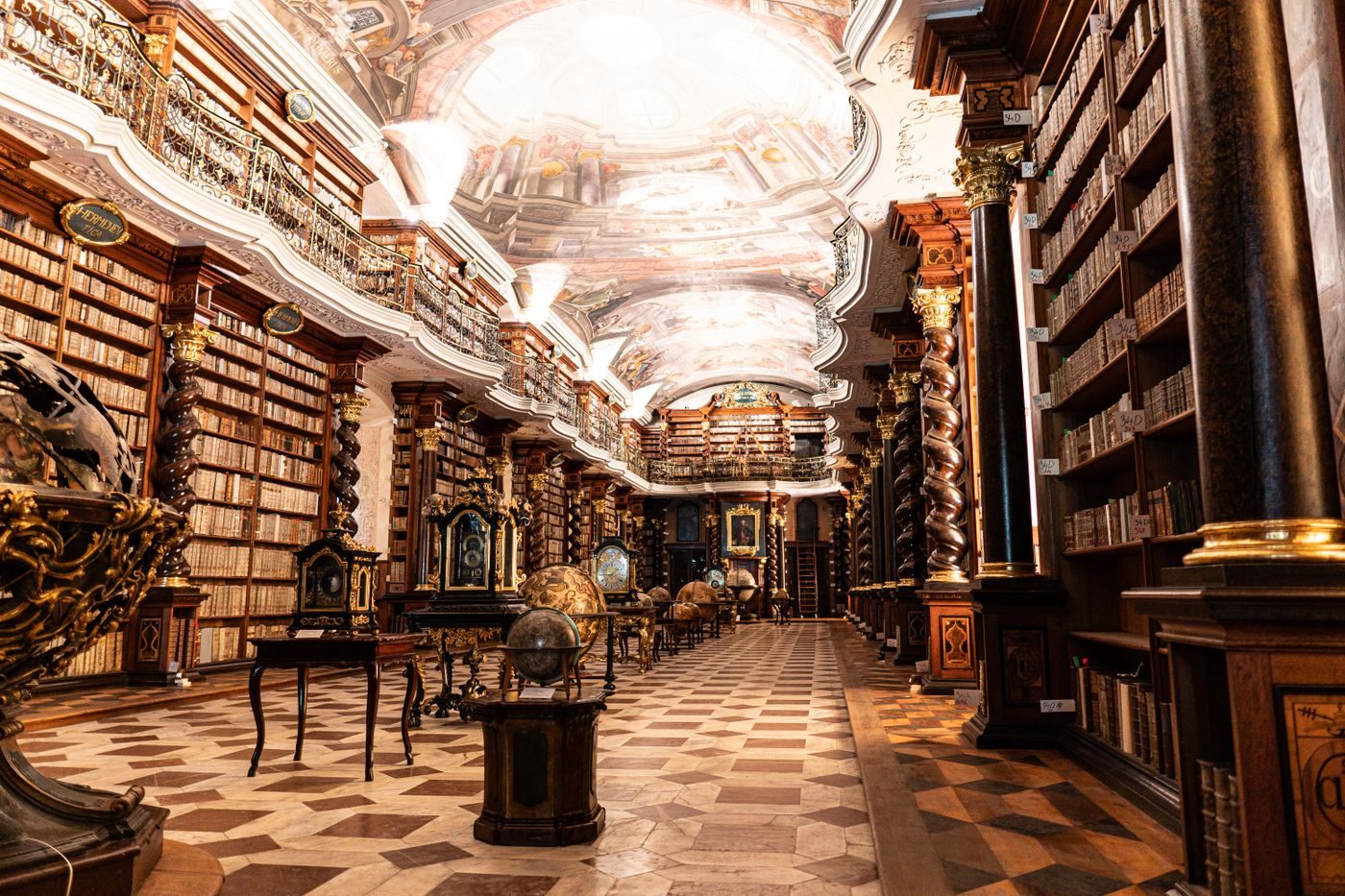
Hidden instruments
Prague City Tourism says the Clementinum courtyards contain the largest collection of sundials in the Czech Republic.
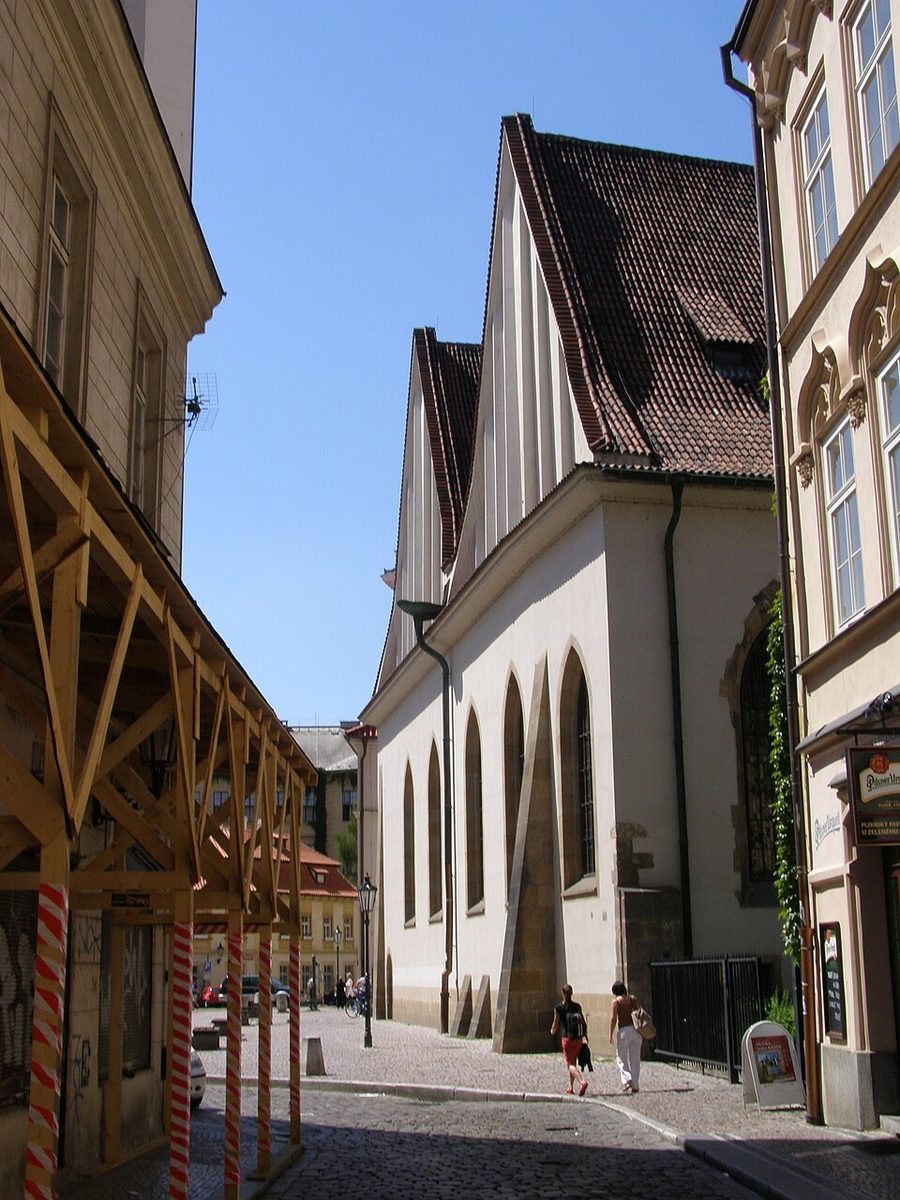
Jan Hus
Prague City Tourism says Jan Hus preached at Bethlehem Chapel from 1402 to 1413.
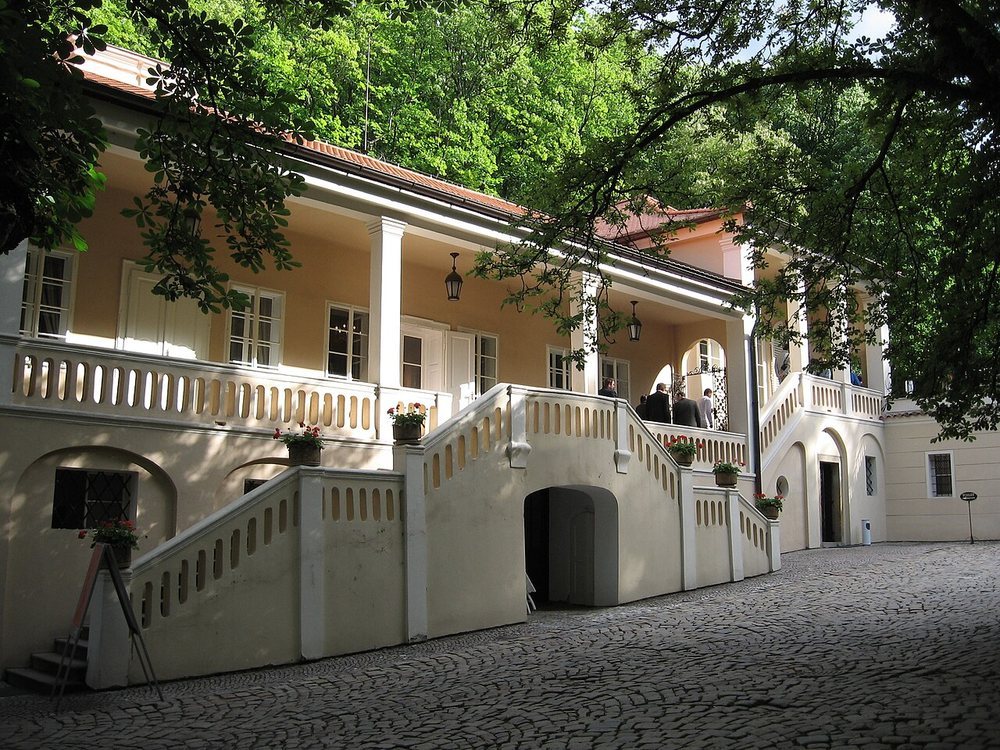
Mozart in Prague
Prague City Tourism says Mozart stayed with the Dušeks at Bertramka in 1787 and completed Don Giovanni there shortly before its Prague premiere.
Shoah memory
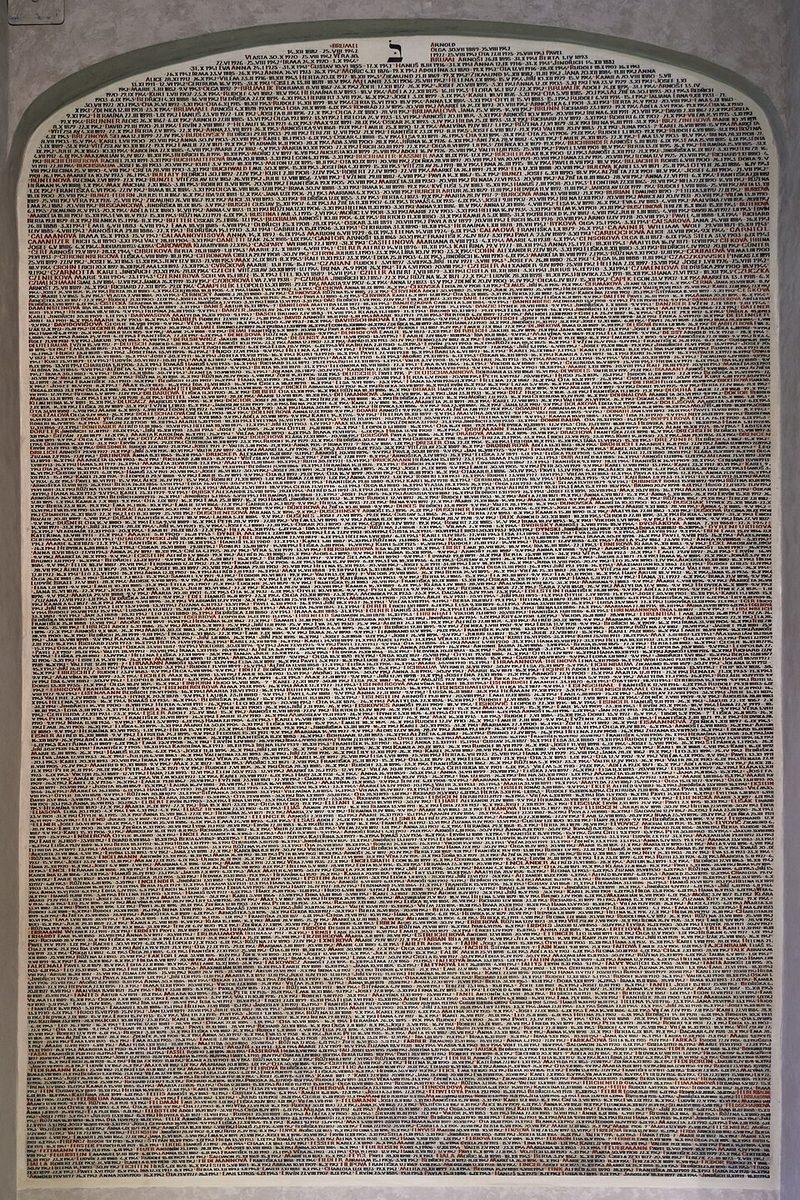
The Jewish Museum in Prague says the Pinkas Memorial groups names according to each victim’s last place of residence before arrest or deportation.
WWII memory
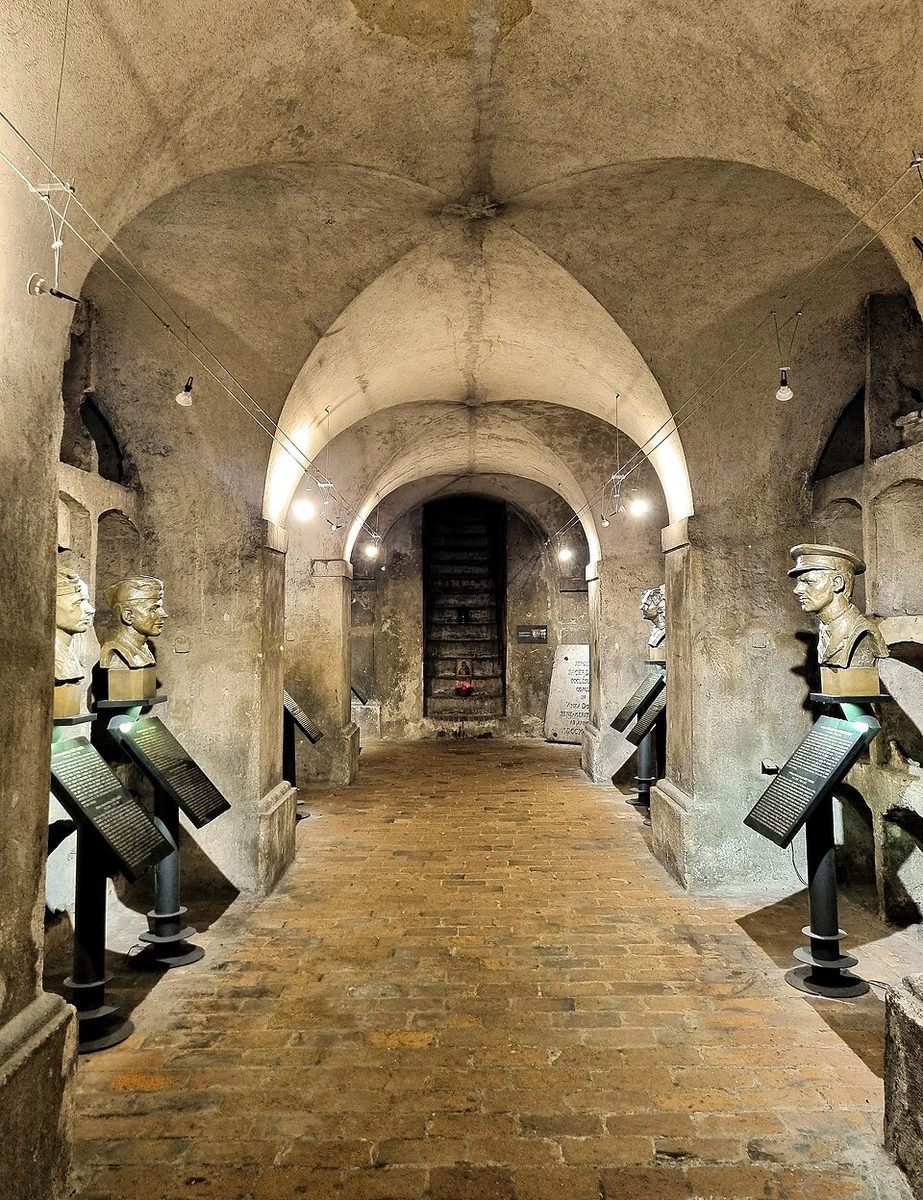
Prague City Tourism describes the underground crypt as an authentic World War II battle location and a secret hideout used by Czechoslovak parachutists in 1942.
Flood memory
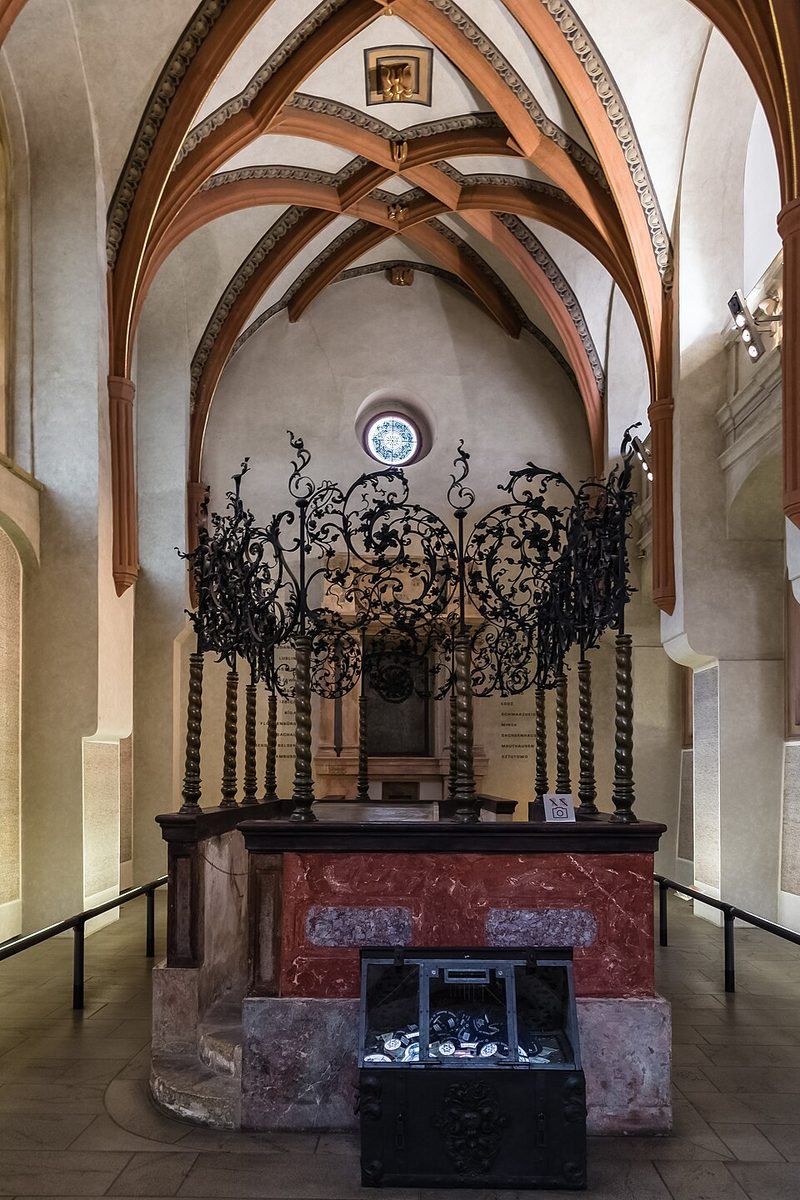
The Jewish Museum in Prague says the high-water mark by the staircase shows that floodwater reached 120 centimetres there in 2002.
Buried city layers
Prague City Tourism says an archaeological small bridge from the original Old Town fortifications is incorporated into the Můstek station vestibule.
Kafka in Prague
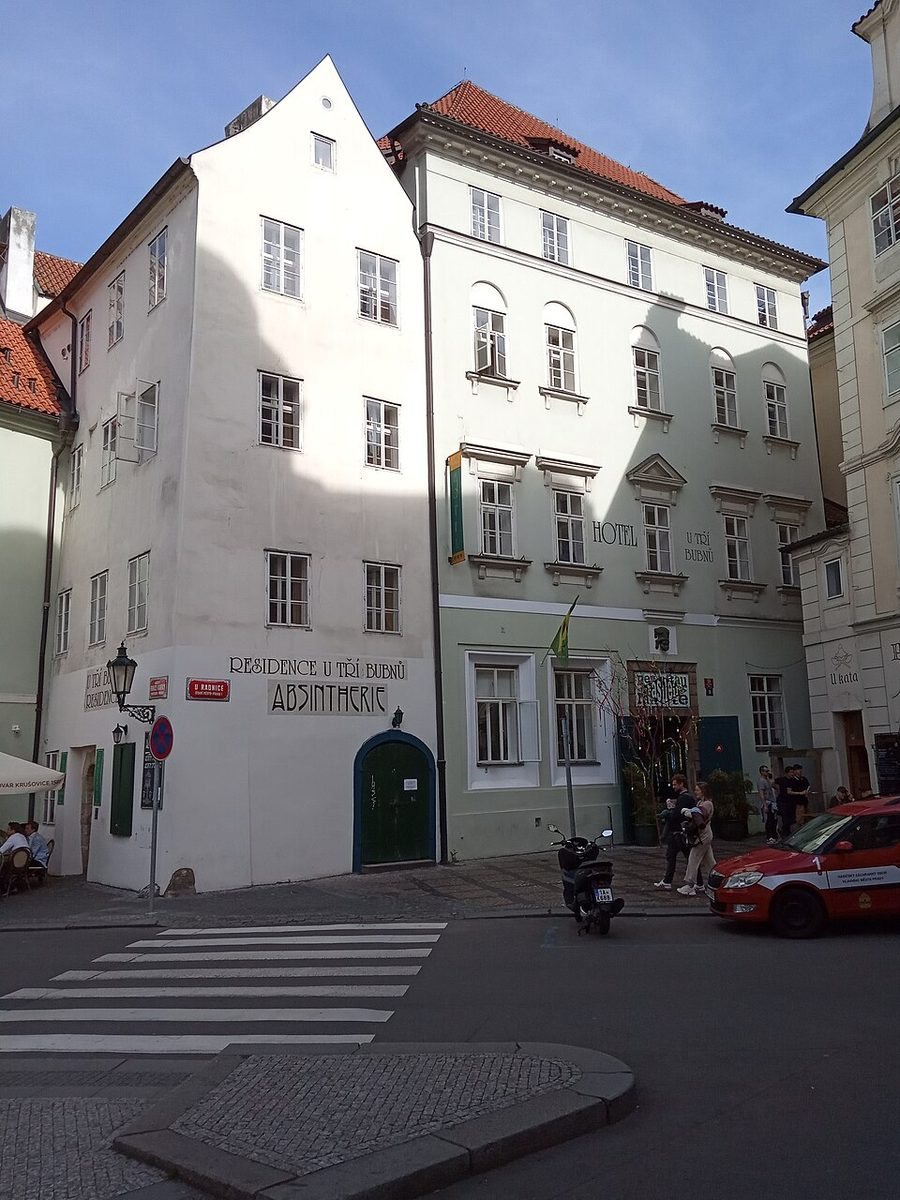
Prague City Tourism says Franz Kafka was born on 3 July 1883 at the house known as U věže and lived there with his parents for his first two years.
Jewish burial history
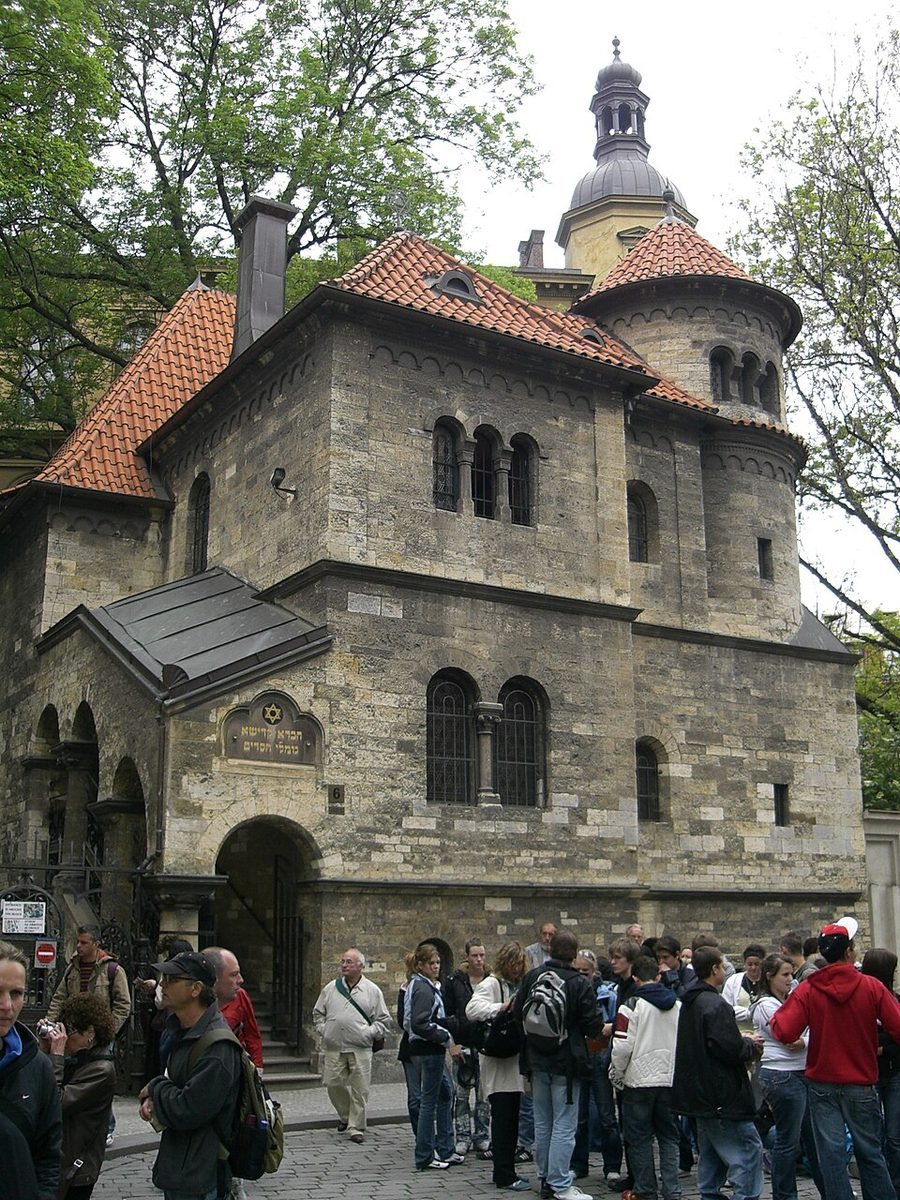
Prague City Tourism says the building was the former Ceremonial Hall and mortuary of the Old Jewish Cemetery, built in 1911–1912.
Jewish community institutions
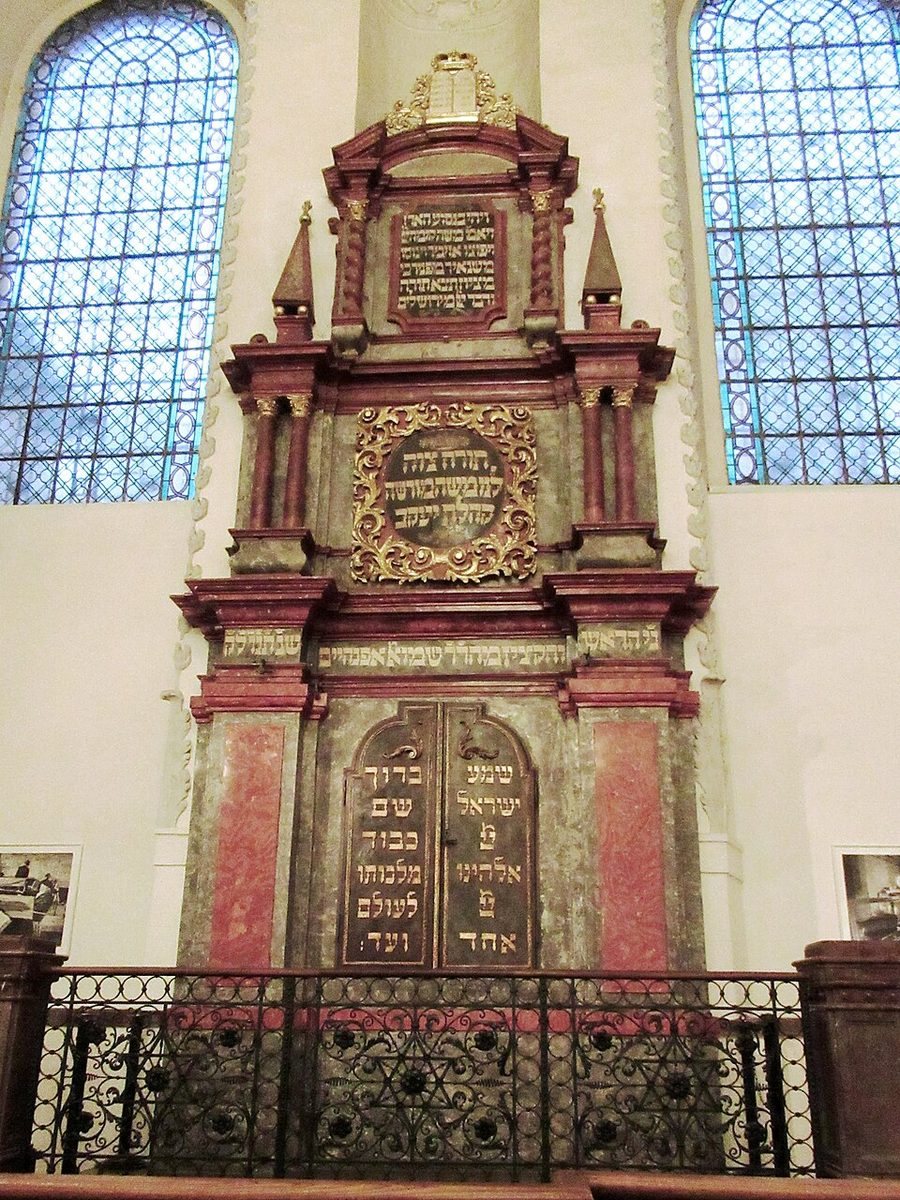
Prague City Tourism says Klausen Synagogue was the synagogue of Prague’s burial society, an institution caring for burials, cemeteries, the sick, elderly and dying.
Jan Žižka
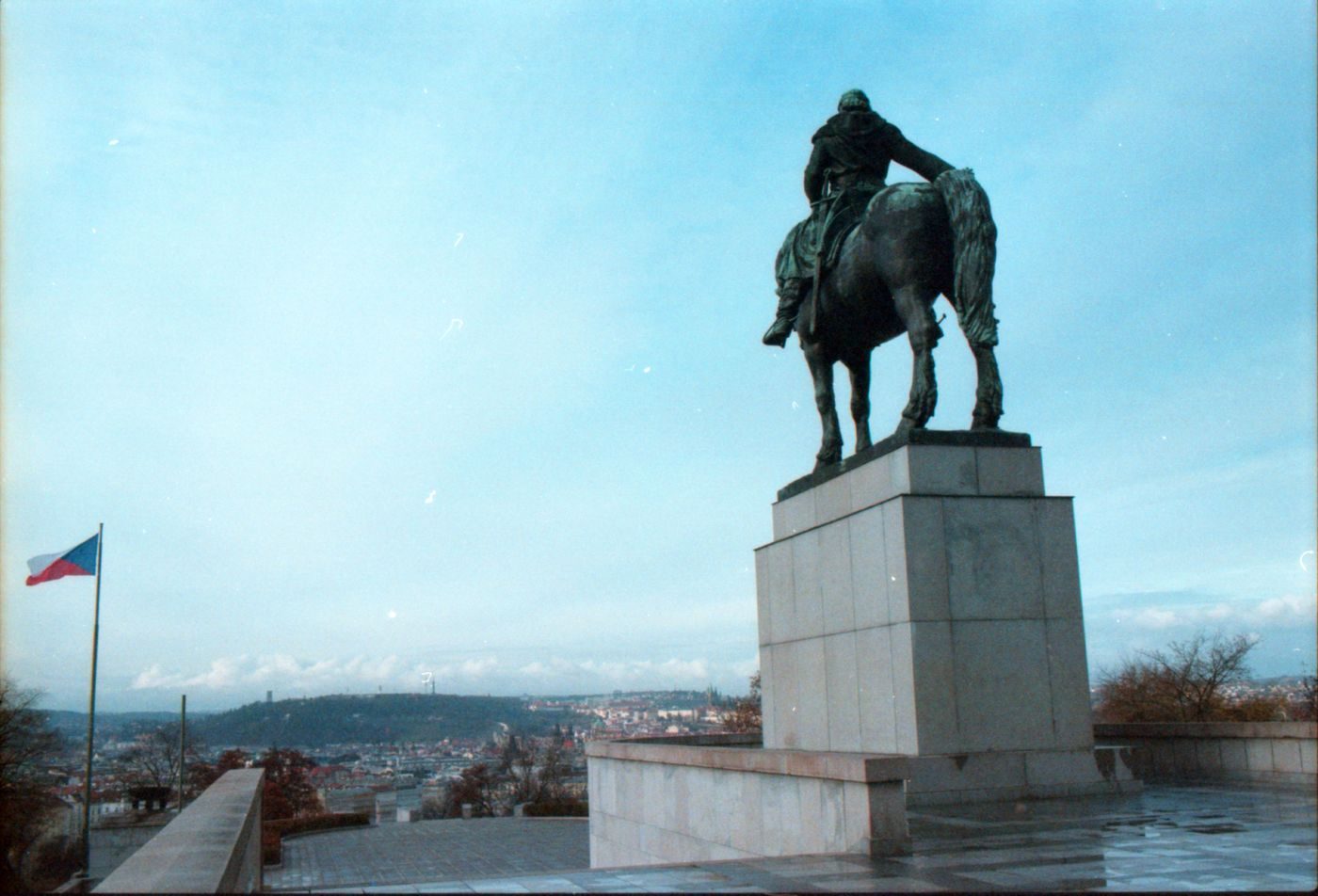
Prague City Tourism says Hussite troops led by Jan Žižka defeated a crusader army on Vítkov Hill on 14 July 1420.
Rudolf II
Prague City Tourism says Rudolf II, the last ruler to have his seat in Prague, assembled a collection that included around three thousand paintings.
Smetana at work
Prague City Tourism points to a memorial plaque on the Old Town Square house where Smetana ran his music institute.
Jewish Prague
Prague City Tourism says the synagogue was built from 1590 to 1592 by Mordechai Maisel, mayor of the Jewish Town and a major patron of its Renaissance reconstruction.
Architectural leftovers
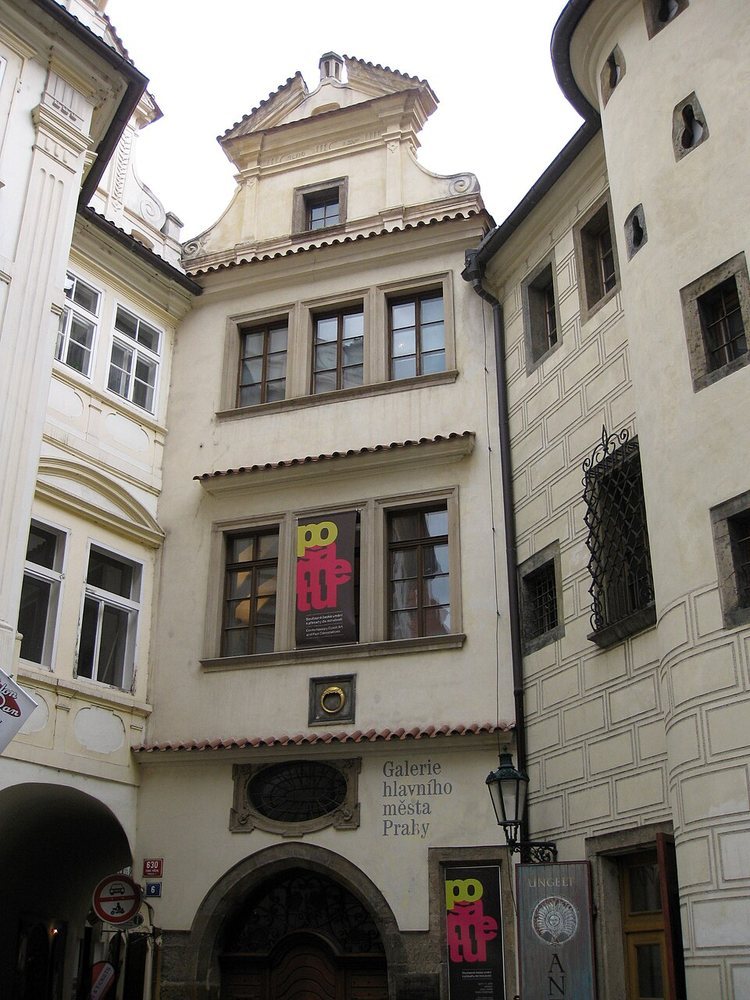
Prague City Tourism says the main entrance portal survives from the Gothic house that originally stood on the site.
Legend vs etymology
Prague City Tourism’s legend page has Libuše prophesy a great city and tell followers to name the castle Prague after a man carving a threshold.
Prague Uprising
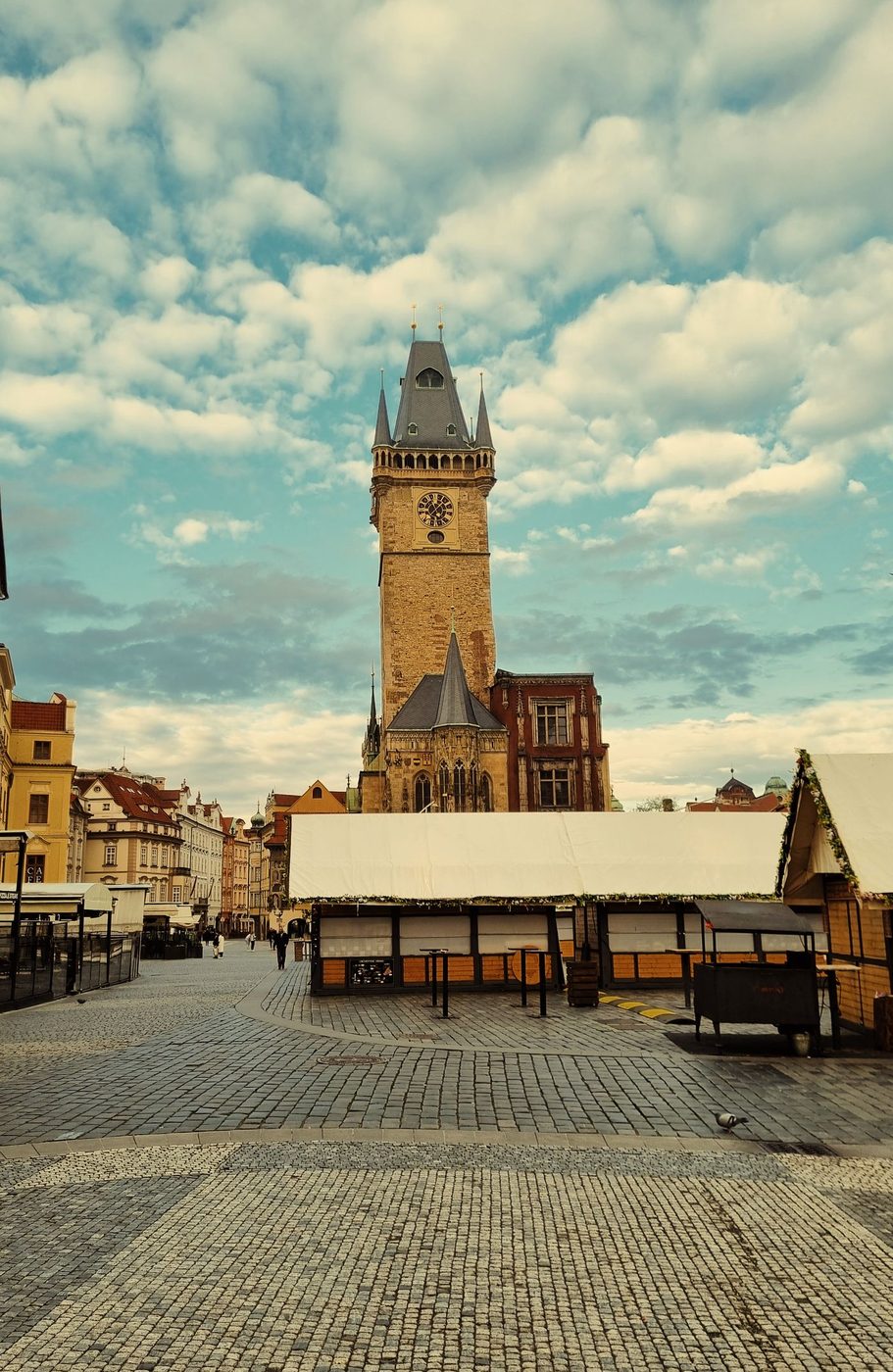
Prague City Tourism says Old Town Hall was a centre of the uprising in the last days of occupation and was shot at and set on fire on 7 May 1945.
Occupation memory
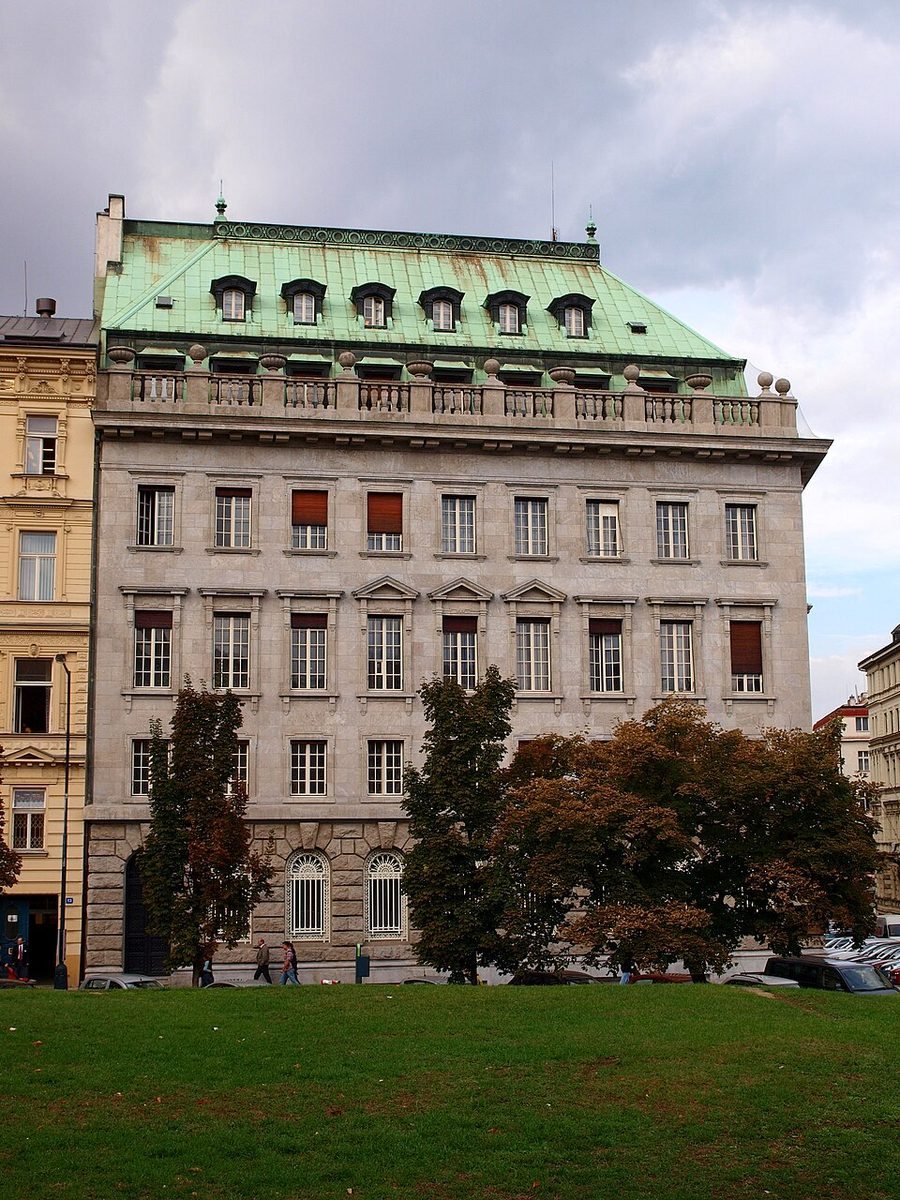
Prague City Tourism says the Gestapo took over Petschek Palace immediately after the Nazi occupation of Prague in 1939 and interrogated and tortured thousands of Czechs there.
Visual literacy
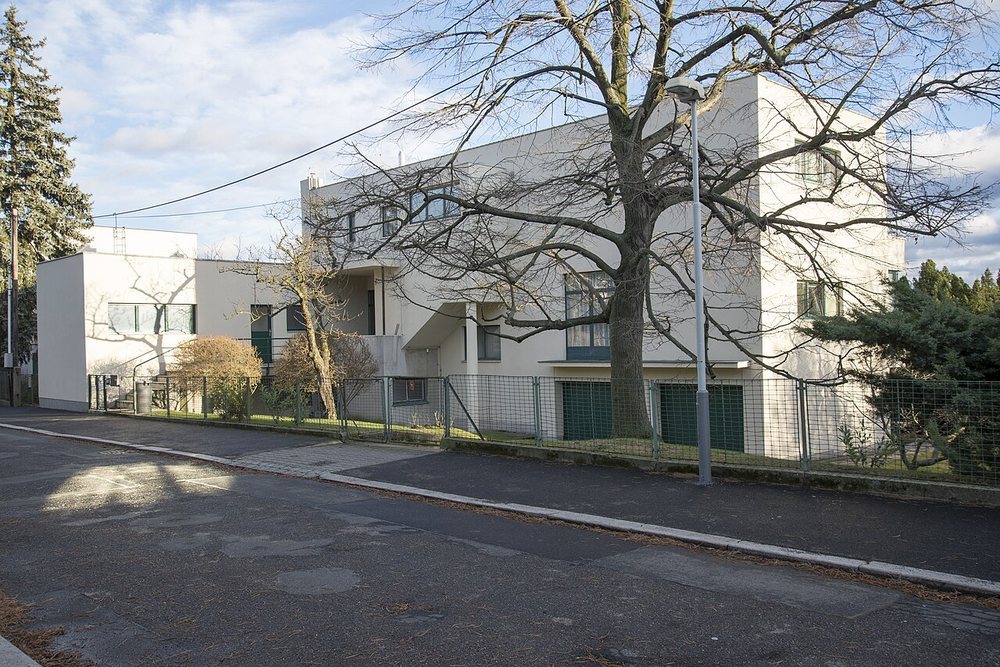
Prague City Tourism says 33 villas were built at Baba between 1932 and 1940 under Pavel Janák’s urban design, with modernist villas using terraces, flat roofs and a checkerboard arrangement.
Visual literacy
Prague City Tourism identifies the 1905–1911 building and multiple interiors as Art Nouveau, giving visitors a calibrated place to learn the style.
Wartime preservation
The Jewish Museum in Prague says the Central Jewish Museum founded in 1942 became a safe haven for liturgical objects, books and archival documents from defunct Jewish communities during the war.
Jewish civic life
Prague City Tourism describes the High Synagogue as a sixteenth-century town-hall synagogue and connects the synagogue and town hall with their foundation by Mordechai Maisel.
Planned neighbourhoods
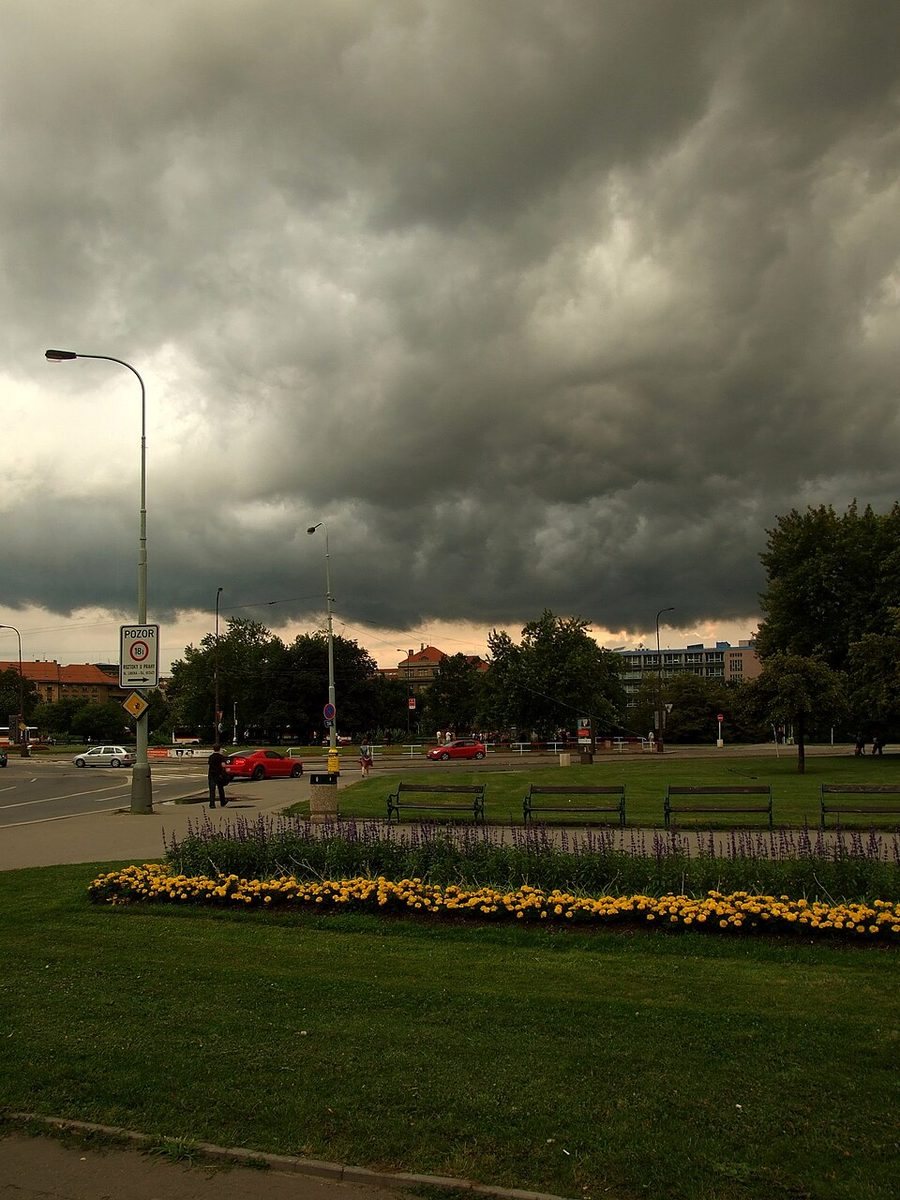
Prague City Tourism says Dejvice was established in the new Czechoslovak capital as a luxury residential district based on a comprehensive modern urban plan.
Operation Anthropoid
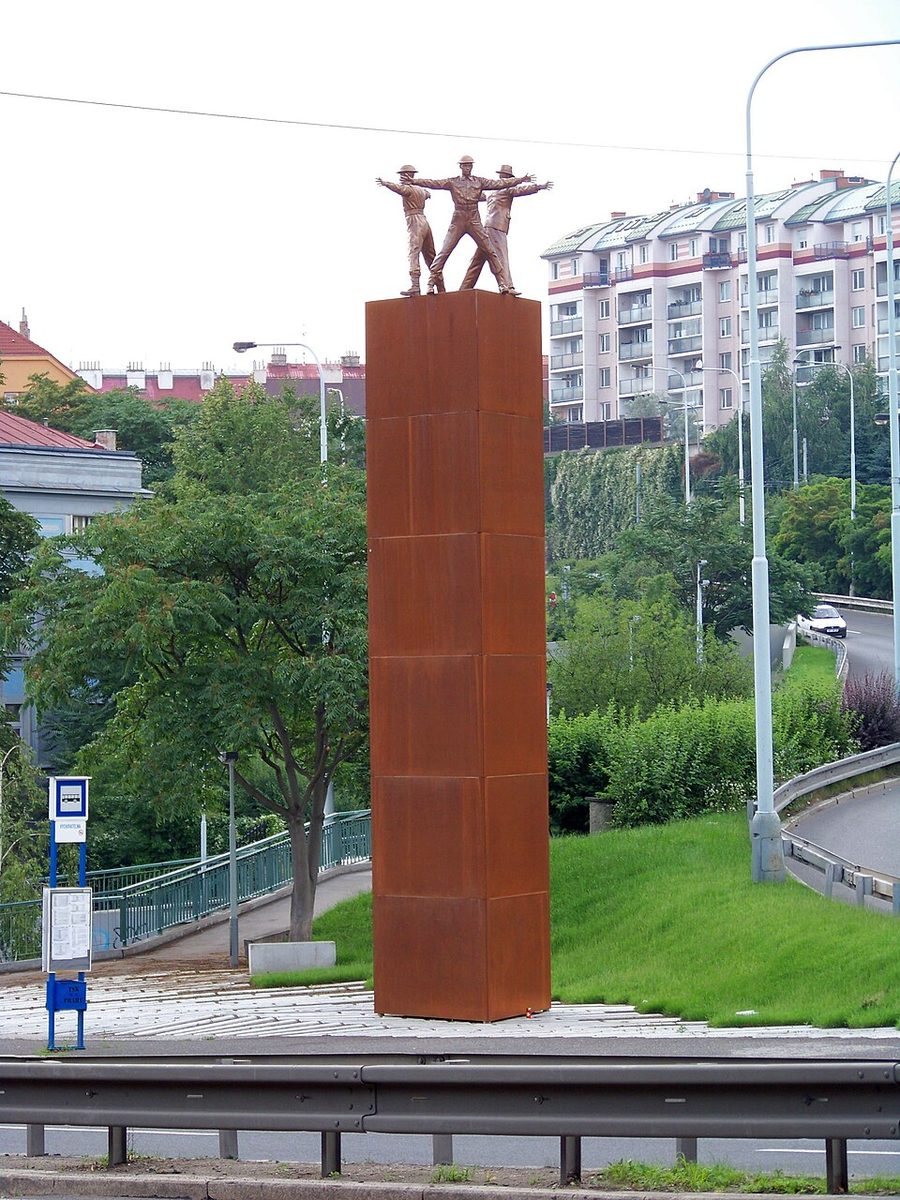
Prague City Tourism’s Anthropoid walk begins at the bend where Jan Kubiš and Josef Gabčík attacked Reinhard Heydrich.
Relics and place
Prague City Tourism says Prince Wenceslas received a bone from St Vitus’s arm from Henry I and deposited it in the rotunda he established at the Castle.
Music history
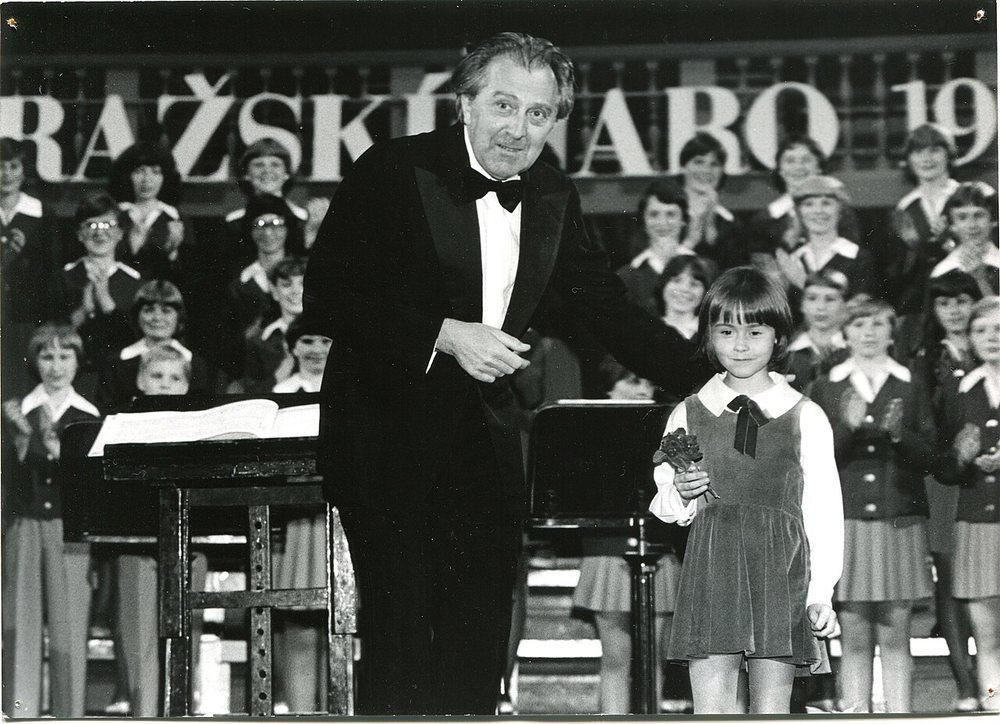
The Prague Spring festival’s own archive describes its first edition as the one held in 1946.
Visual literacy
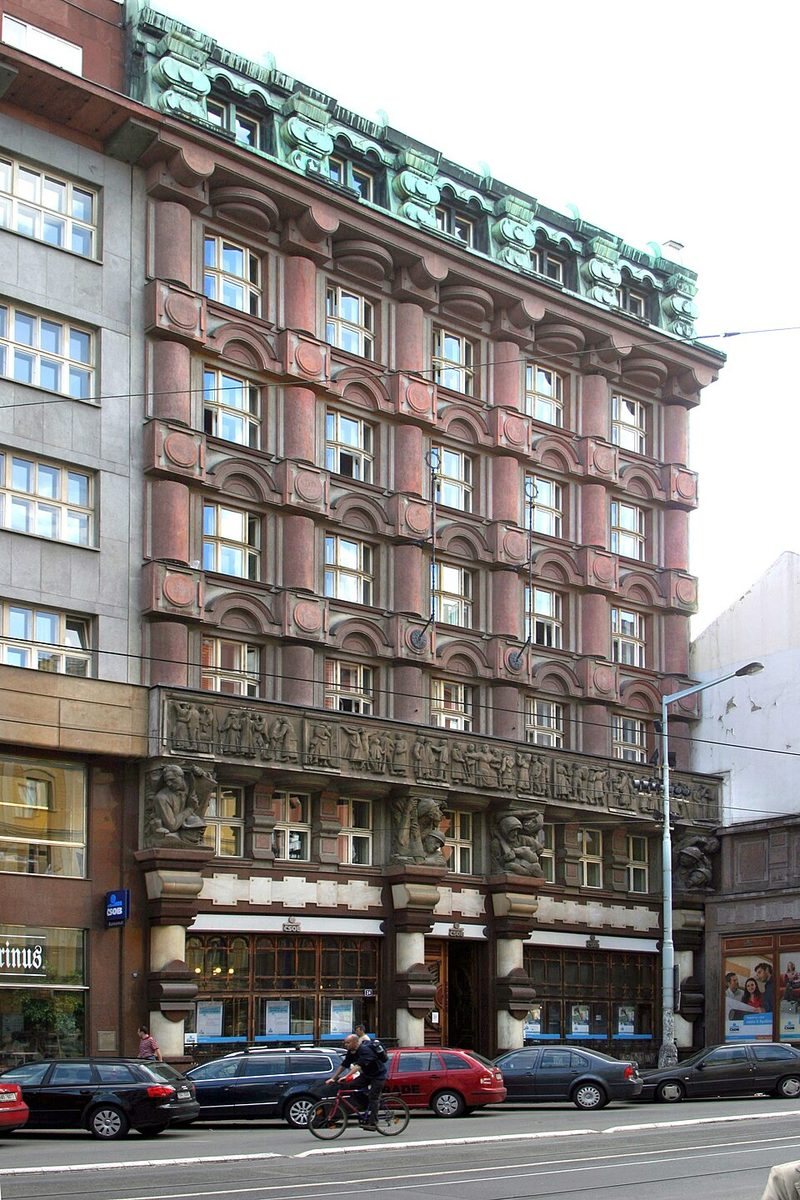
Prague City Tourism says the Rondo-Cubist style on its Střešovice–Dejvice route is easily recognised by contrasting forms of cylinders and cubes.
Battle aftermath
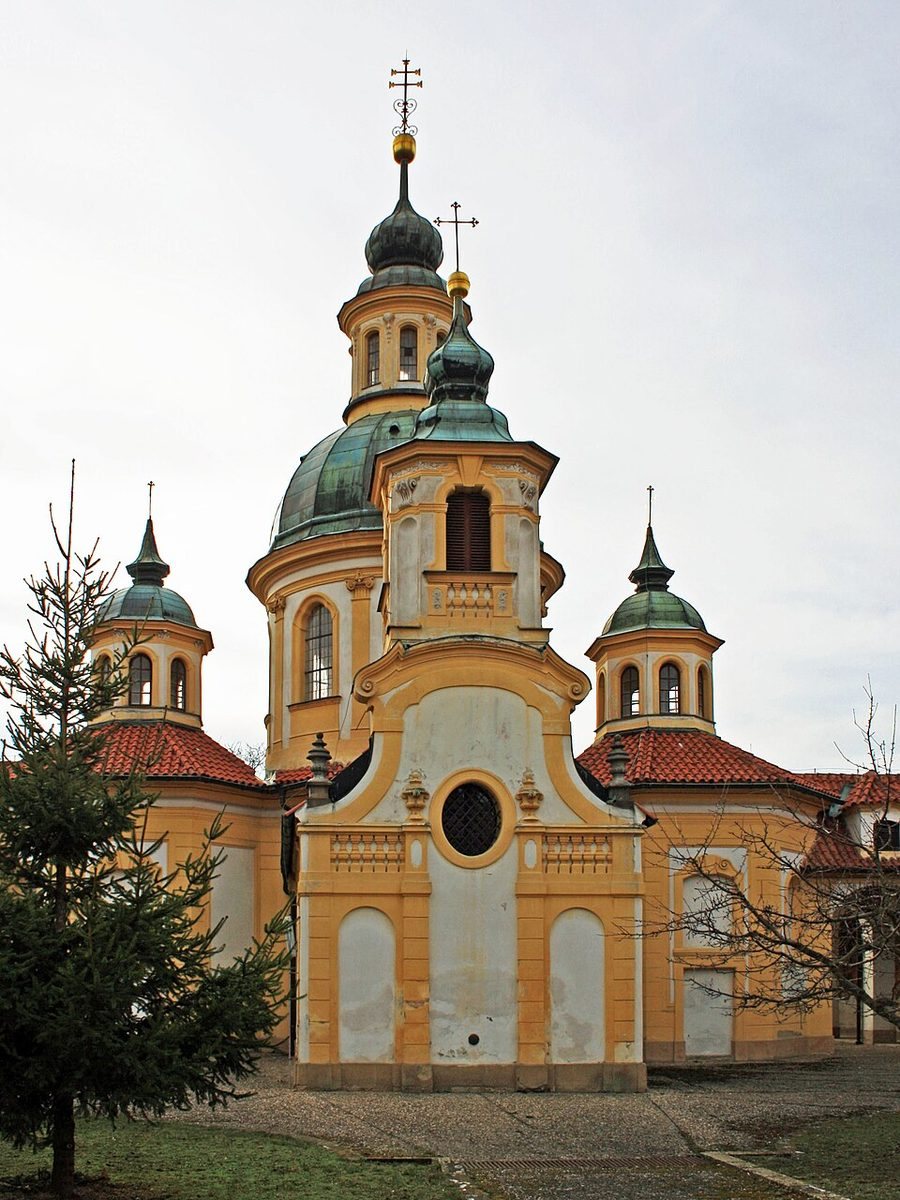
Prague City Tourism says the Baroque shrine complex at White Mountain was built from 1704 to 1730 on the site of the Battle of White Mountain.
River systems
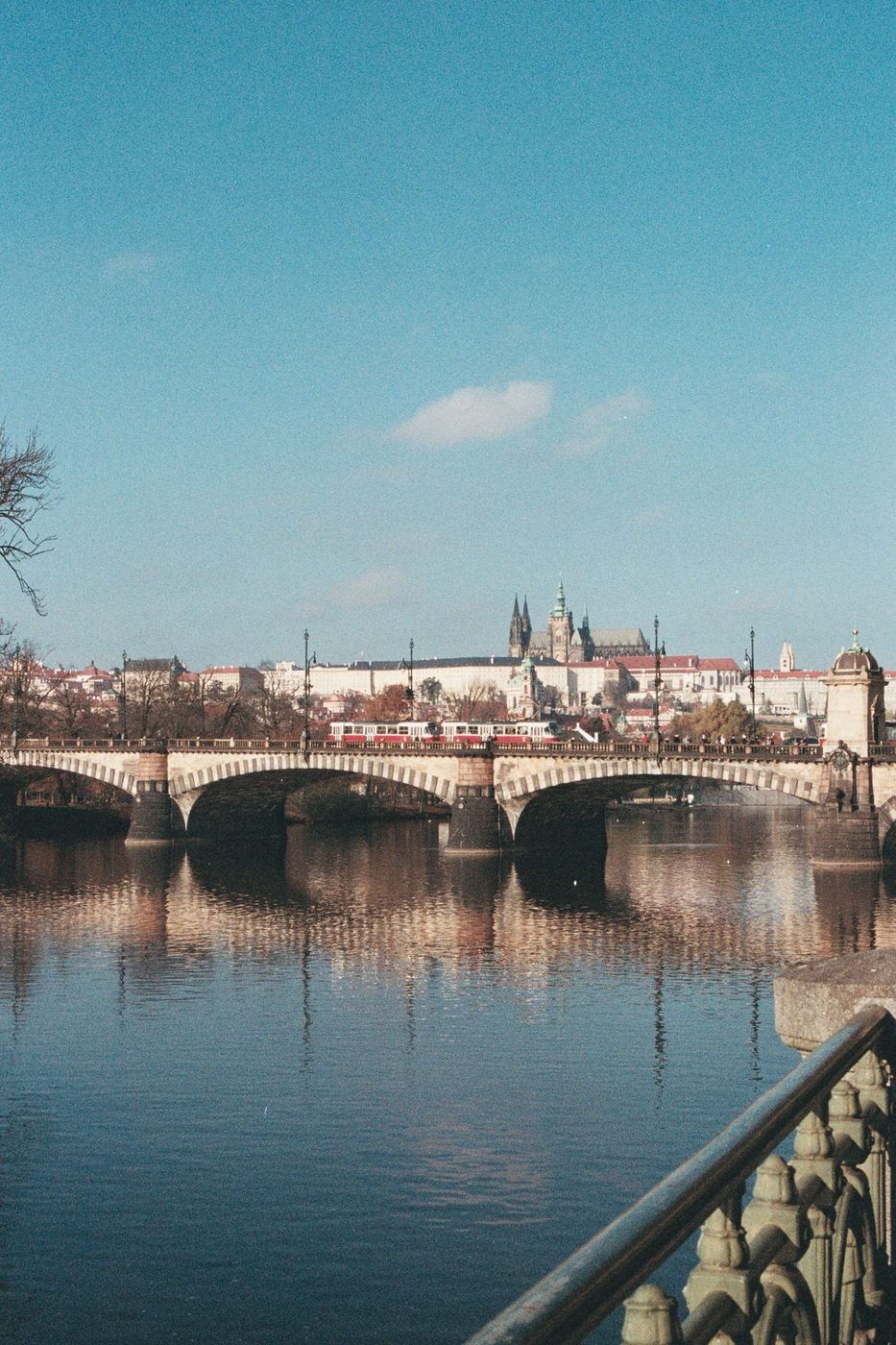
Prague City Tourism’s “Across Prague over Three Weirs” route names Šítkovský, Staroměstský and Helmovský weirs on the Vltava.
Advent lighting
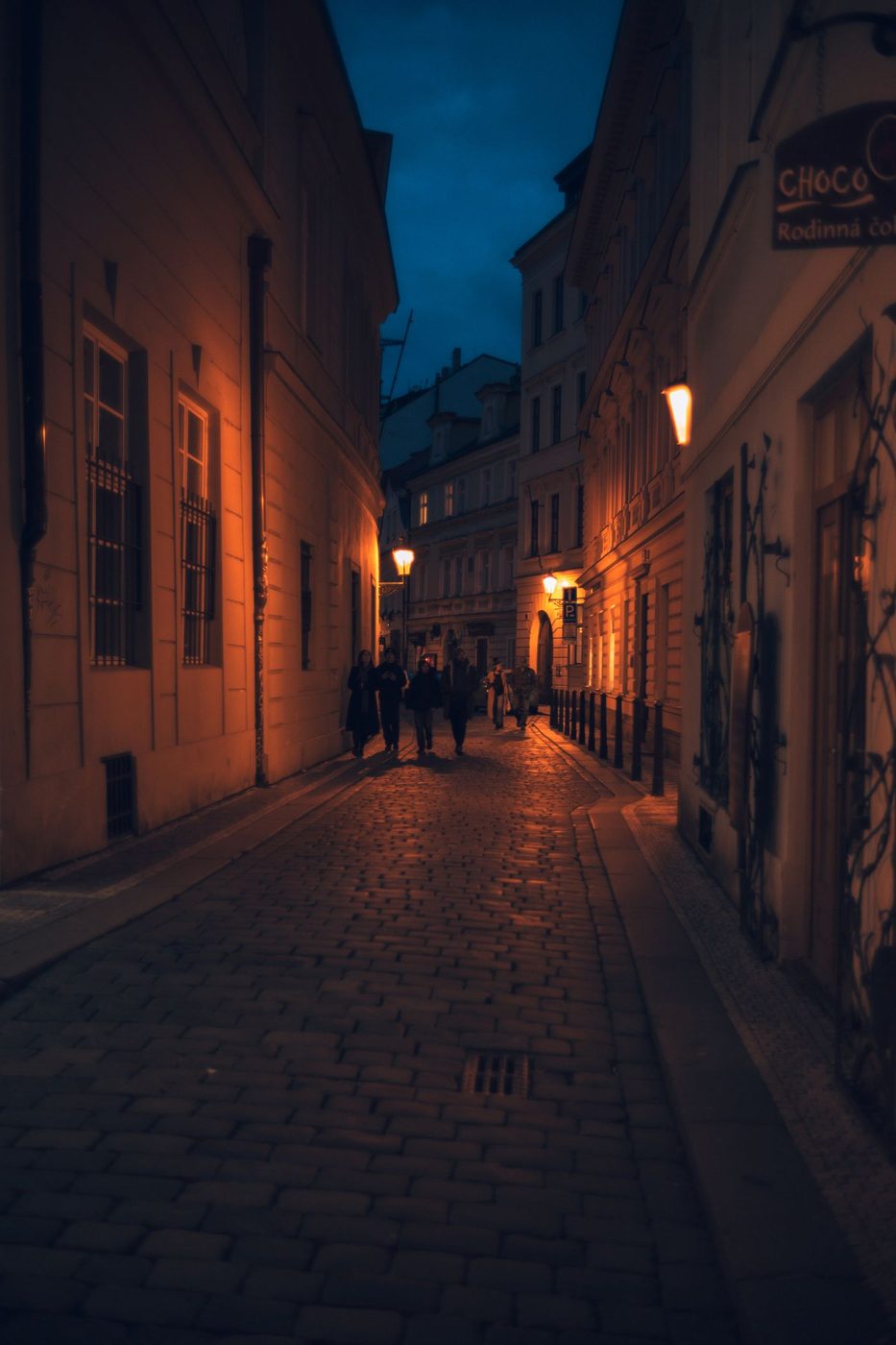
Prague City Tourism’s current Advent walk explicitly leads through Old Town by gas-lamp light.
Living heritage
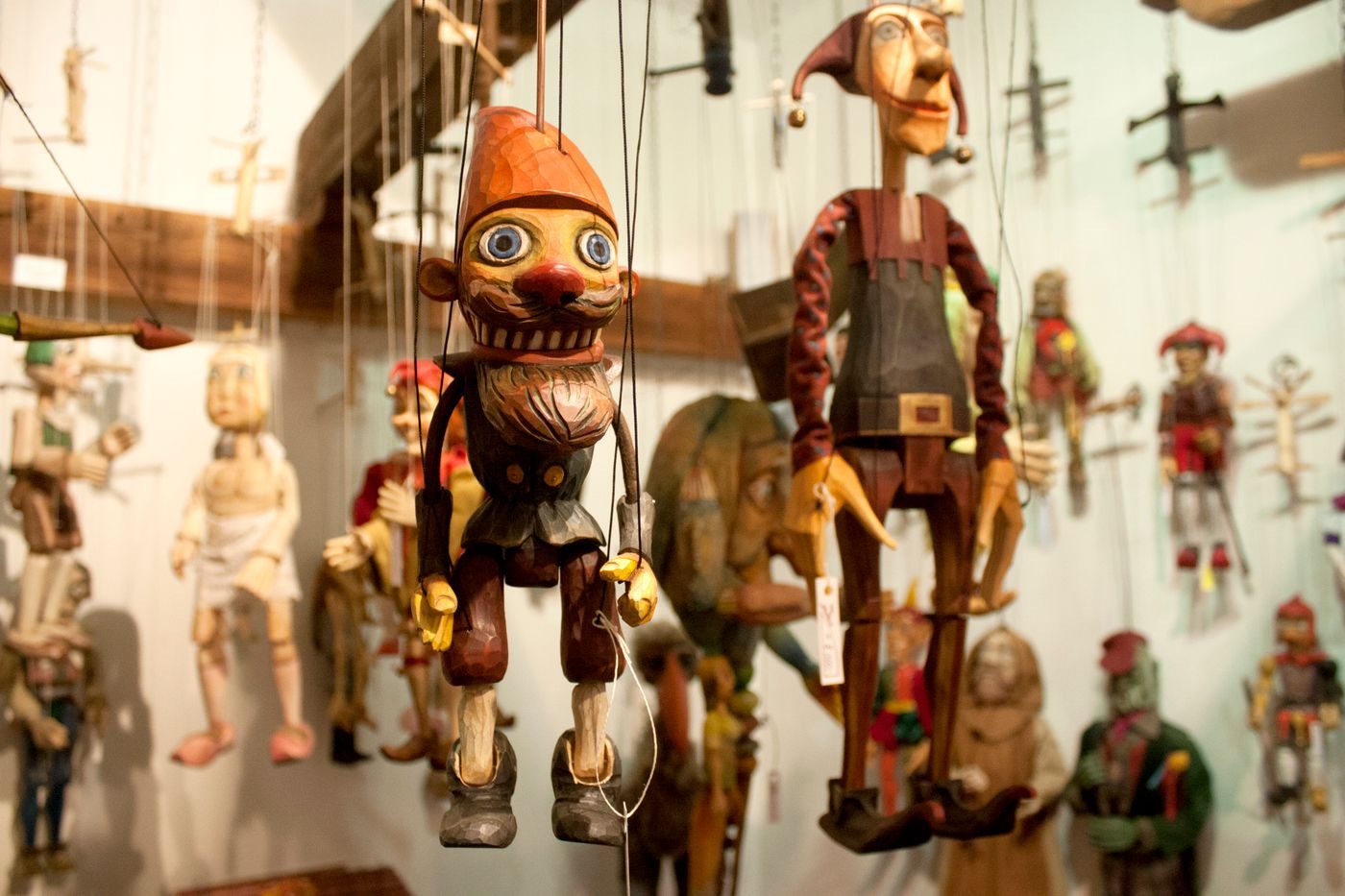
UNESCO inscribed puppetry in Slovakia and Czechia on its Representative List in 2016.
Industrial neighbourhoods
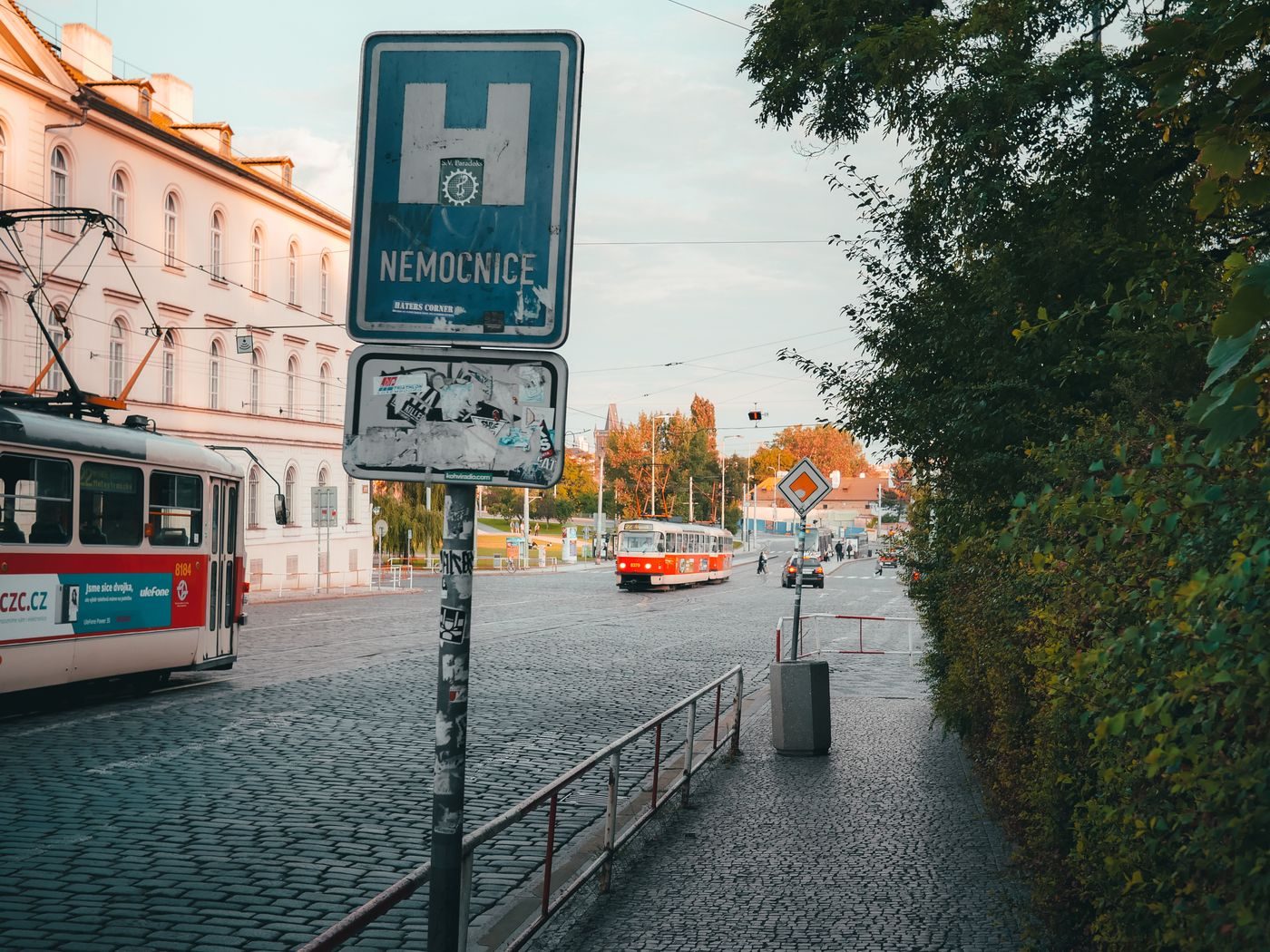
Prague City Tourism’s “Prague Manchester” walk points to former mills, match factories, porcelain works and the Ringhoffer industrial empire in Smíchov.
Neighbourhood change
Prague City Tourism says Karlín underwent a rebirth after the catastrophic floods of 2002, with damaged buildings replaced by ambitious new structures.
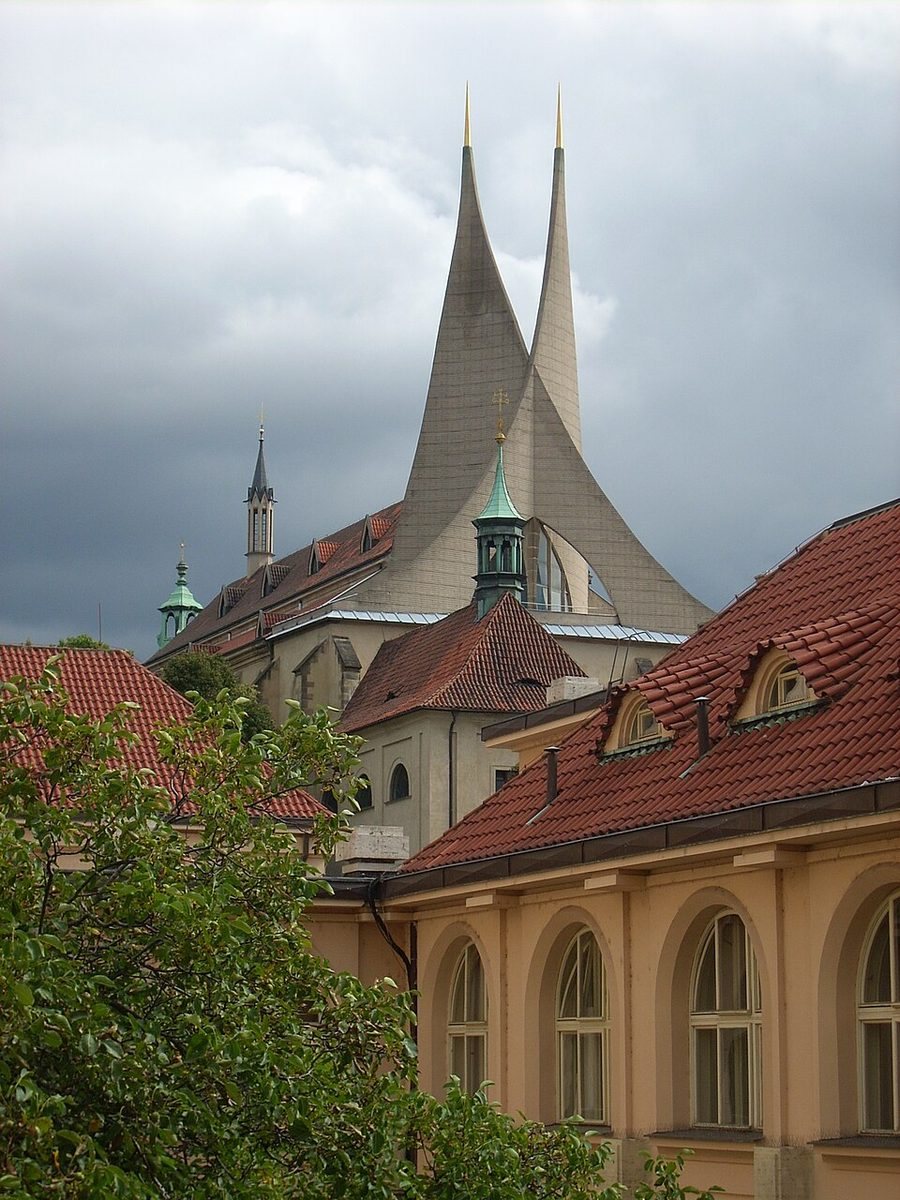
Reconstruction layers
Prague City Tourism says the monastery’s original steeples were destroyed during a 1945 bombing raid and its unmistakable modern white towers date to the 1960s.
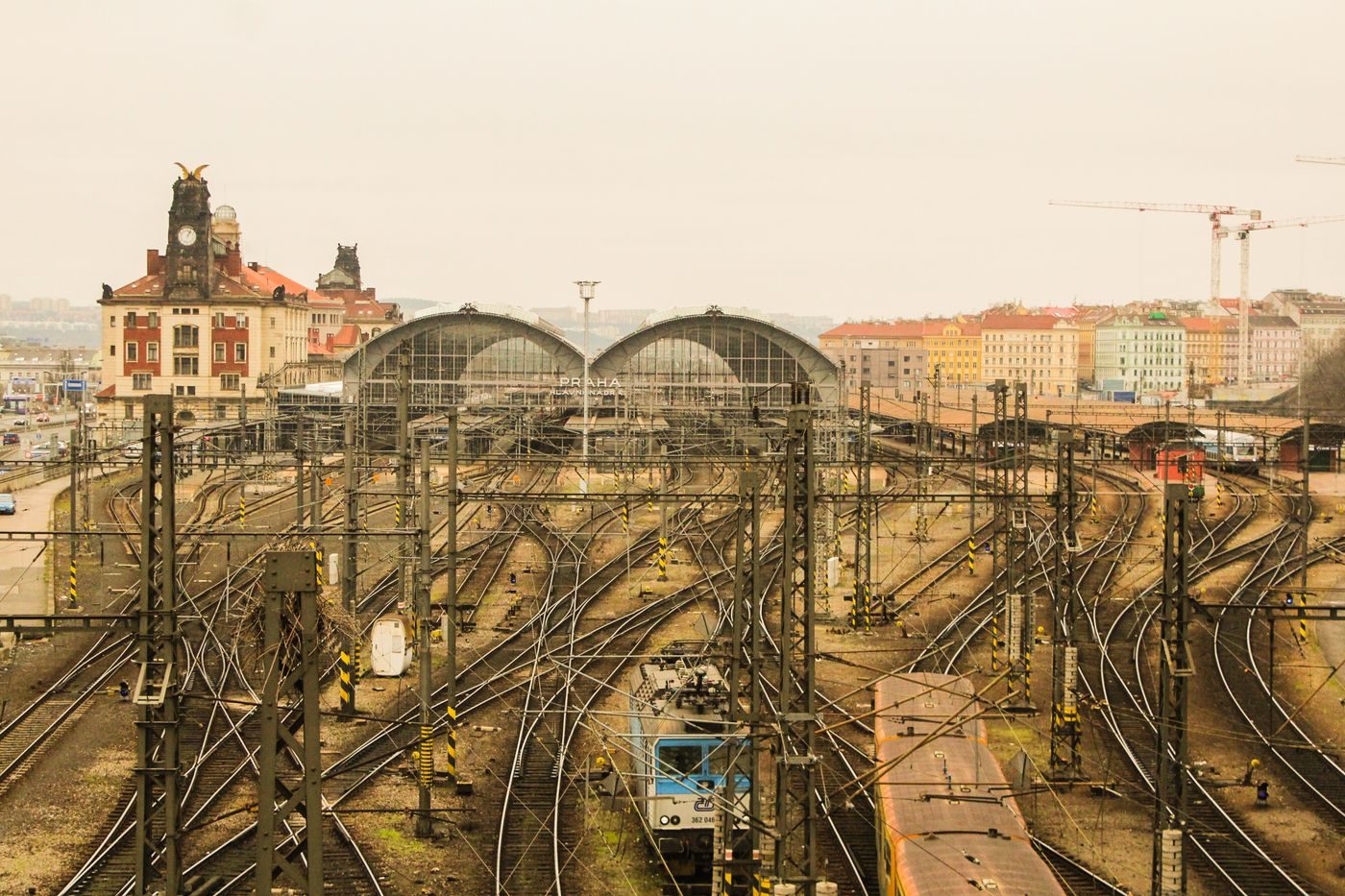
Architecture in transit
Prague City Tourism identifies the historic building and the hall above the railway yard as significant Art Nouveau monuments in the Czech Republic.
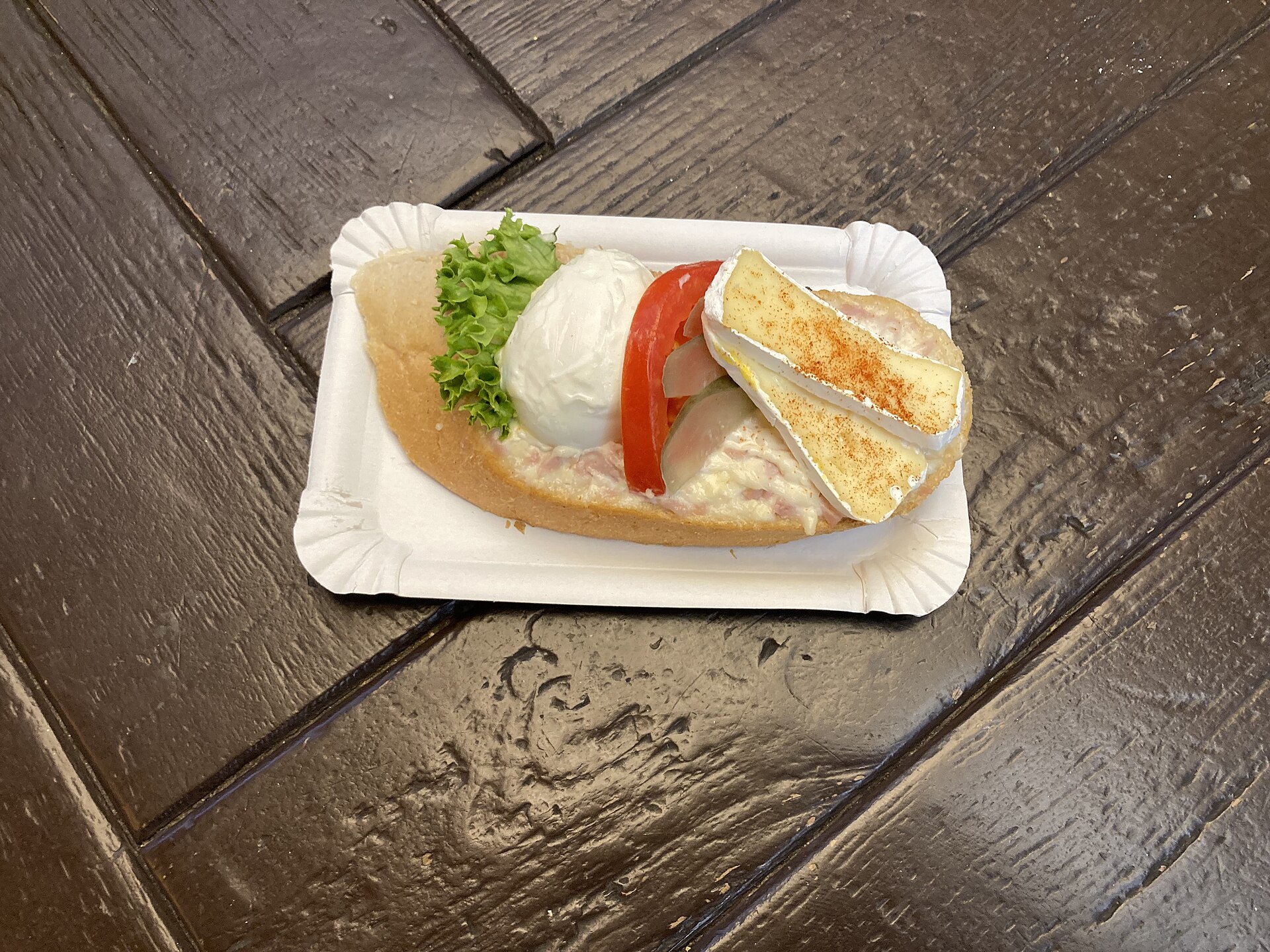
Menu literacy
Prague City Tourism’s Chlebíčky Letná page explicitly describes chlebíčky as open-topped sandwiches.
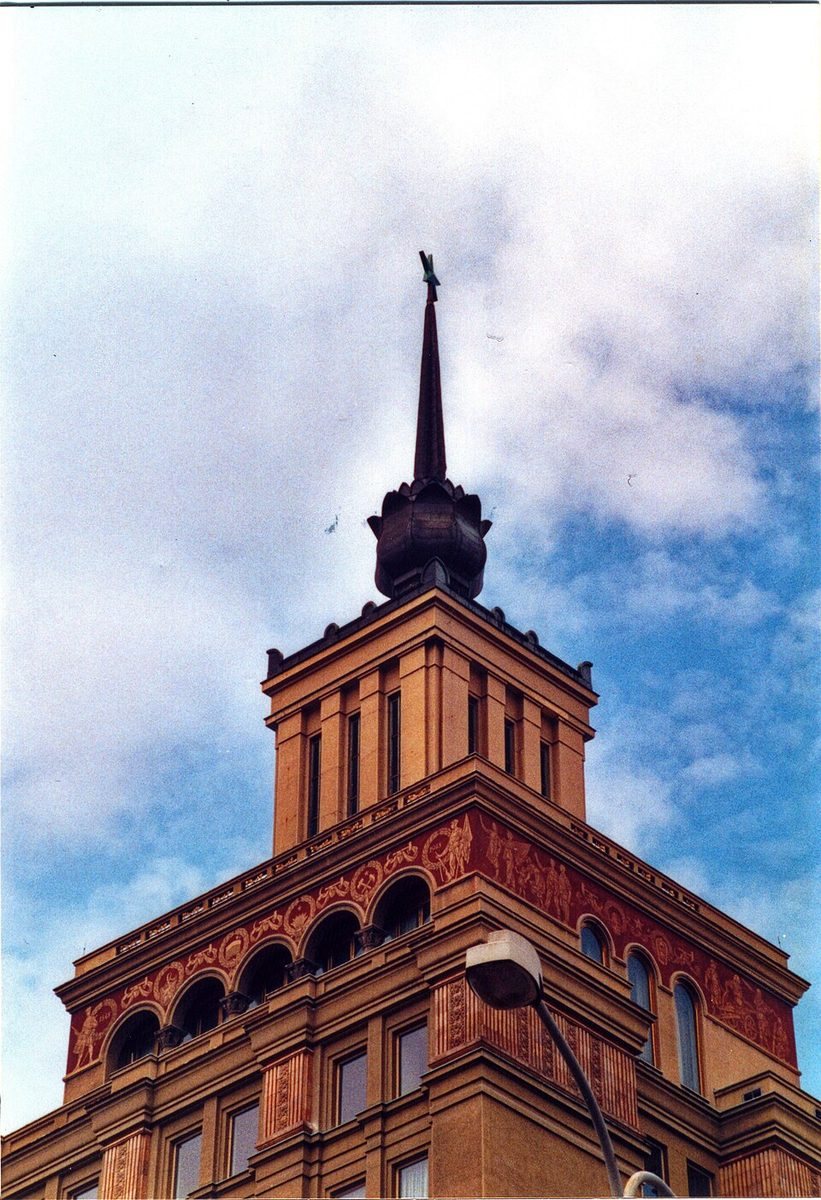
Socialist-era architecture
Prague City Tourism describes Grand Hotel International Prague as a cultural landmark from the 1950s built in the Socialist Realism style.
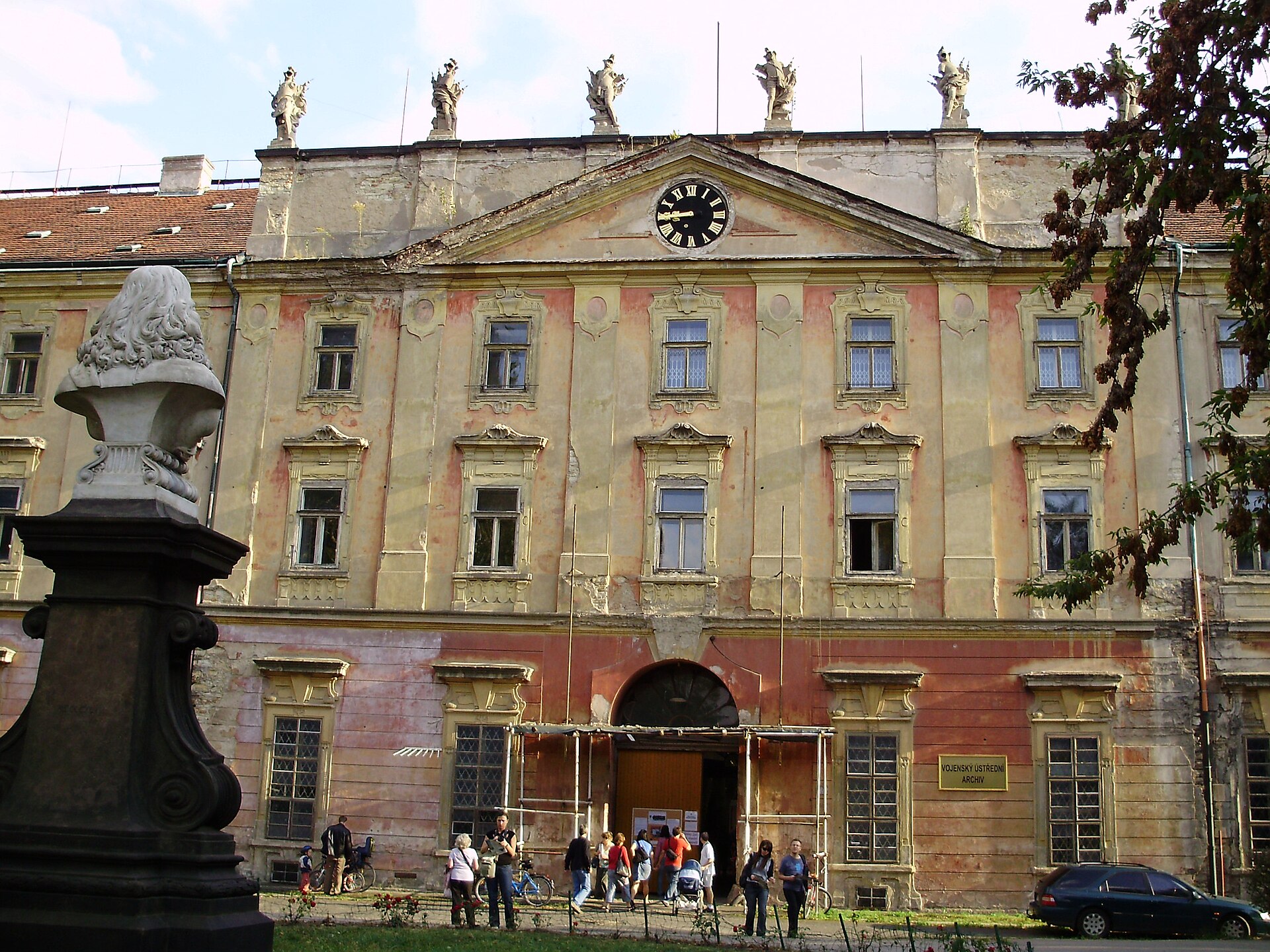
Institutional architecture
Prague City Tourism says Karlín’s Baroque Invalidovna was built from 1731 to 1737 to a design by Kilian Ignaz Dientzenhofer and served the war-wounded.
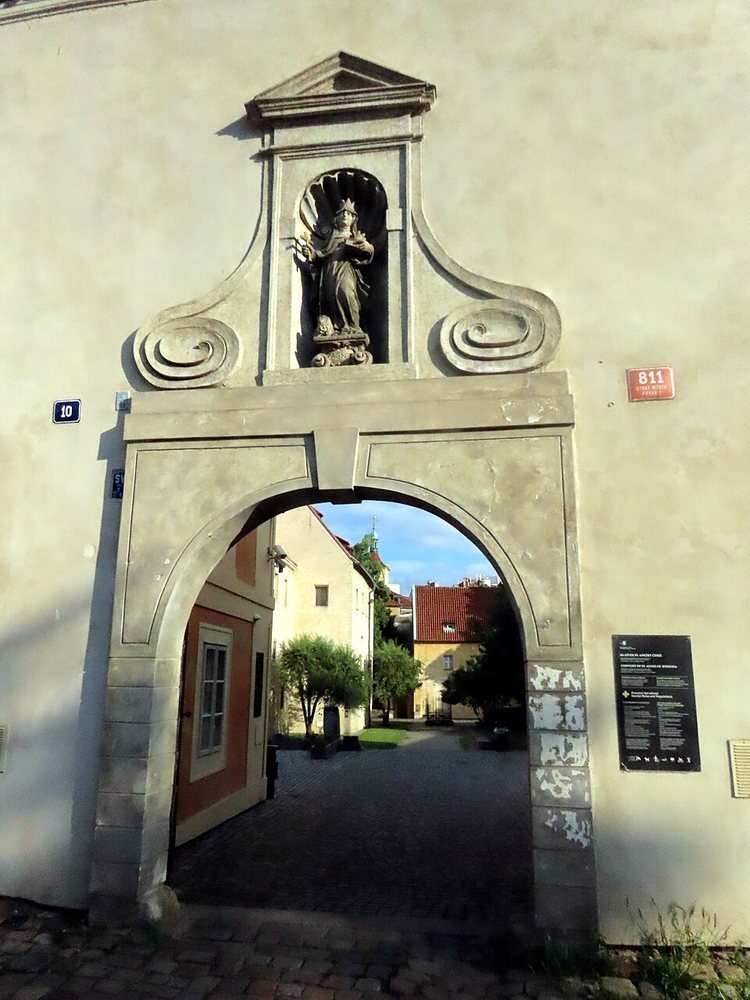
Medieval founders
Prague City Tourism says the Convent of St Agnes was founded around 1230 by the Přemyslid princess Agnes of Bohemia together with her brother King Wenceslas I.
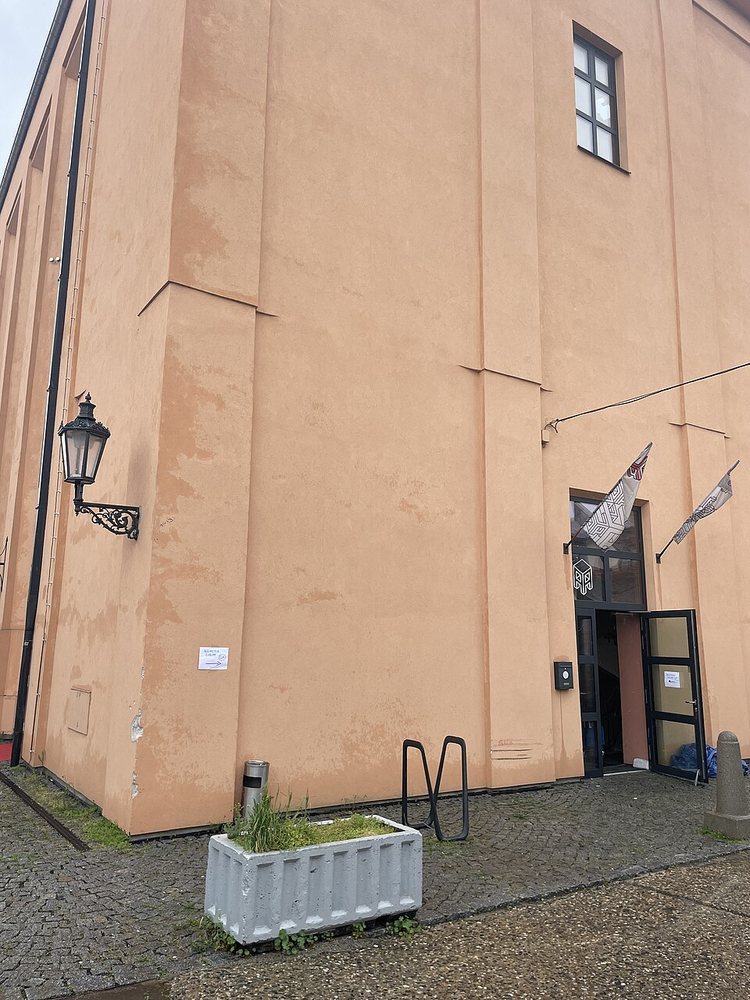
Adaptive reuse
Prague City Tourism describes Holešovice as a former manufacturing and business centre where many factory buildings have been renovated for new uses.
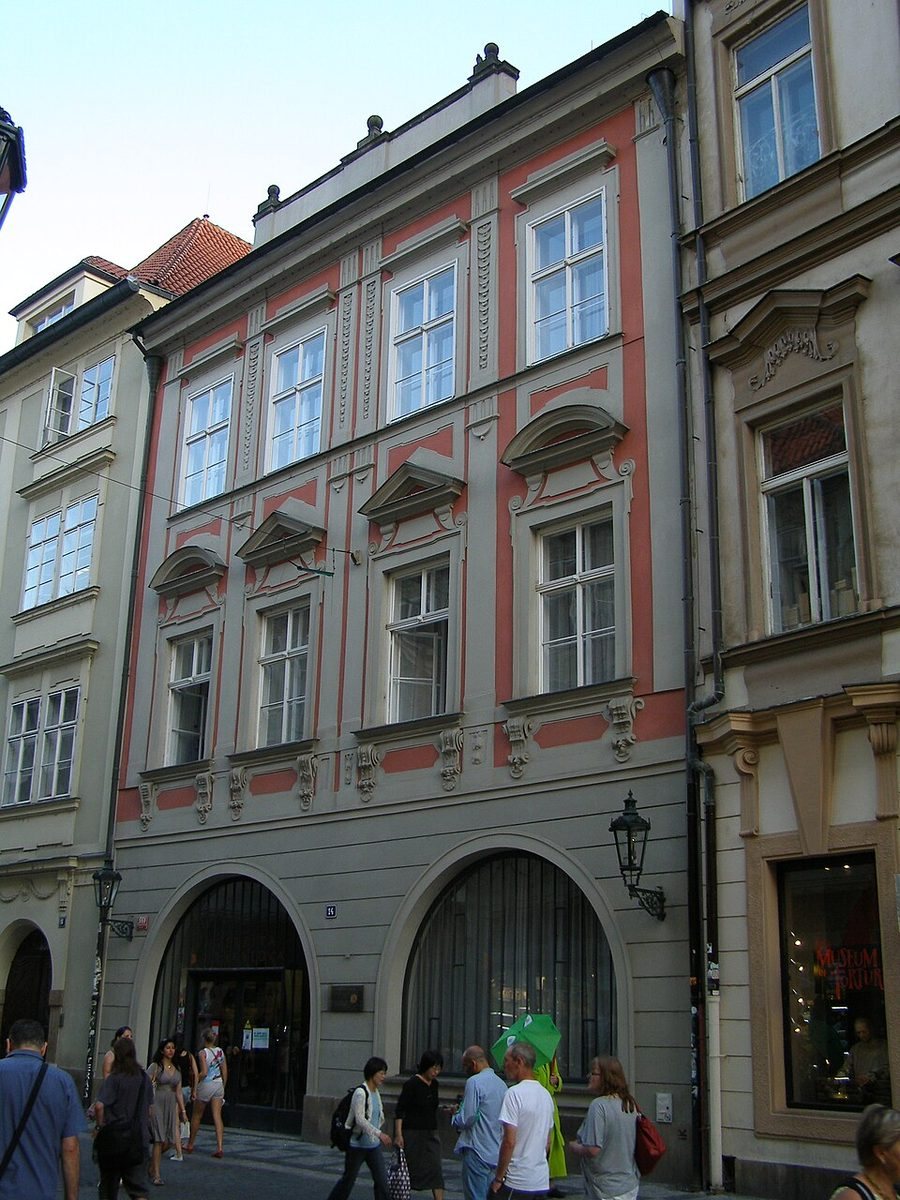
University city
Prague City Tourism says Karolinum has been part of Charles University since 1383, when Wenceslas IV secured an Old Town palace for use as a dormitory.
Baroque urban change
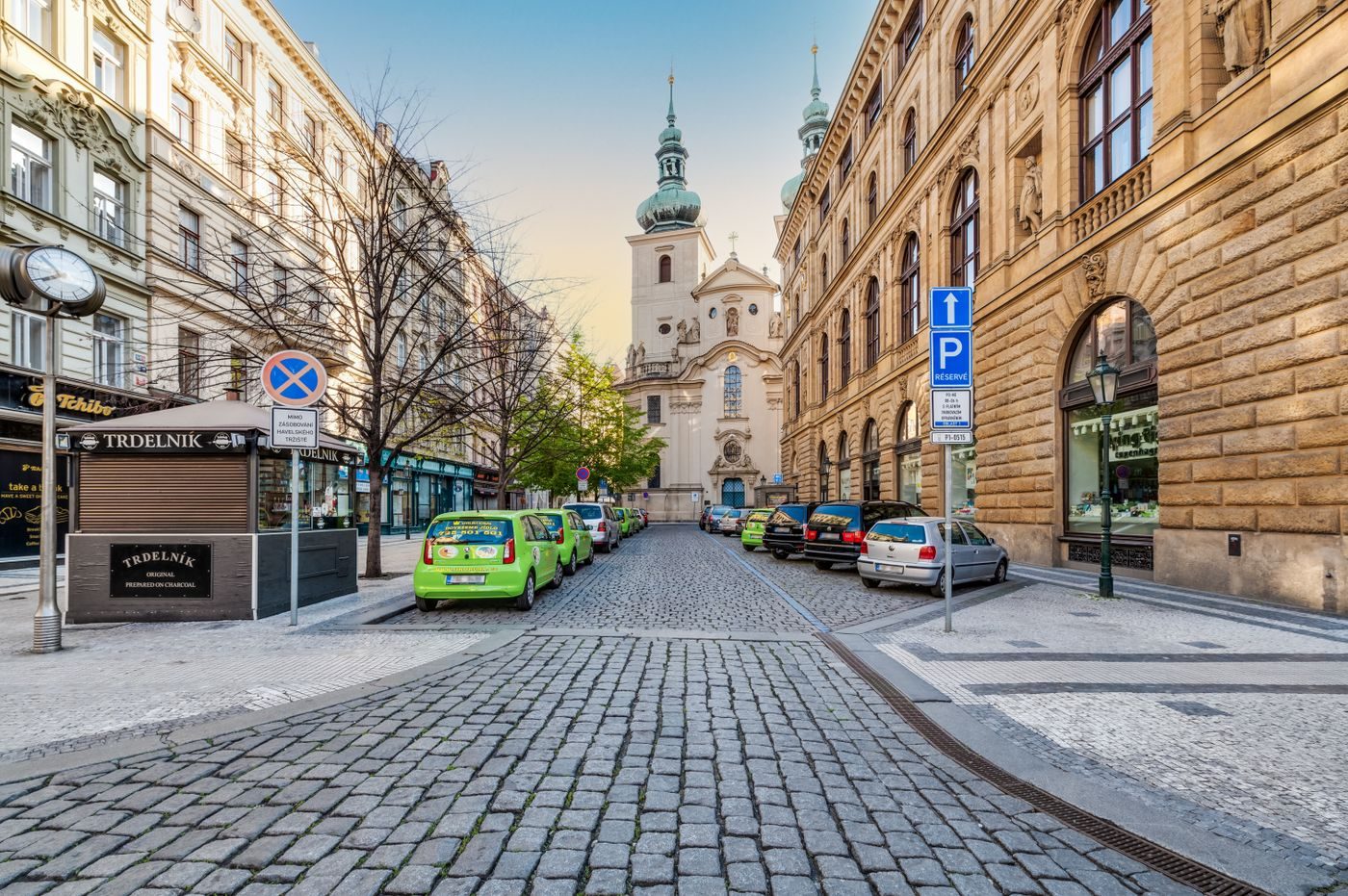
Prague City Tourism says the Baroque palace was built from 1713 for Jan Václav Gallas on the site of a smaller palace and several burgess houses.
Monument memory
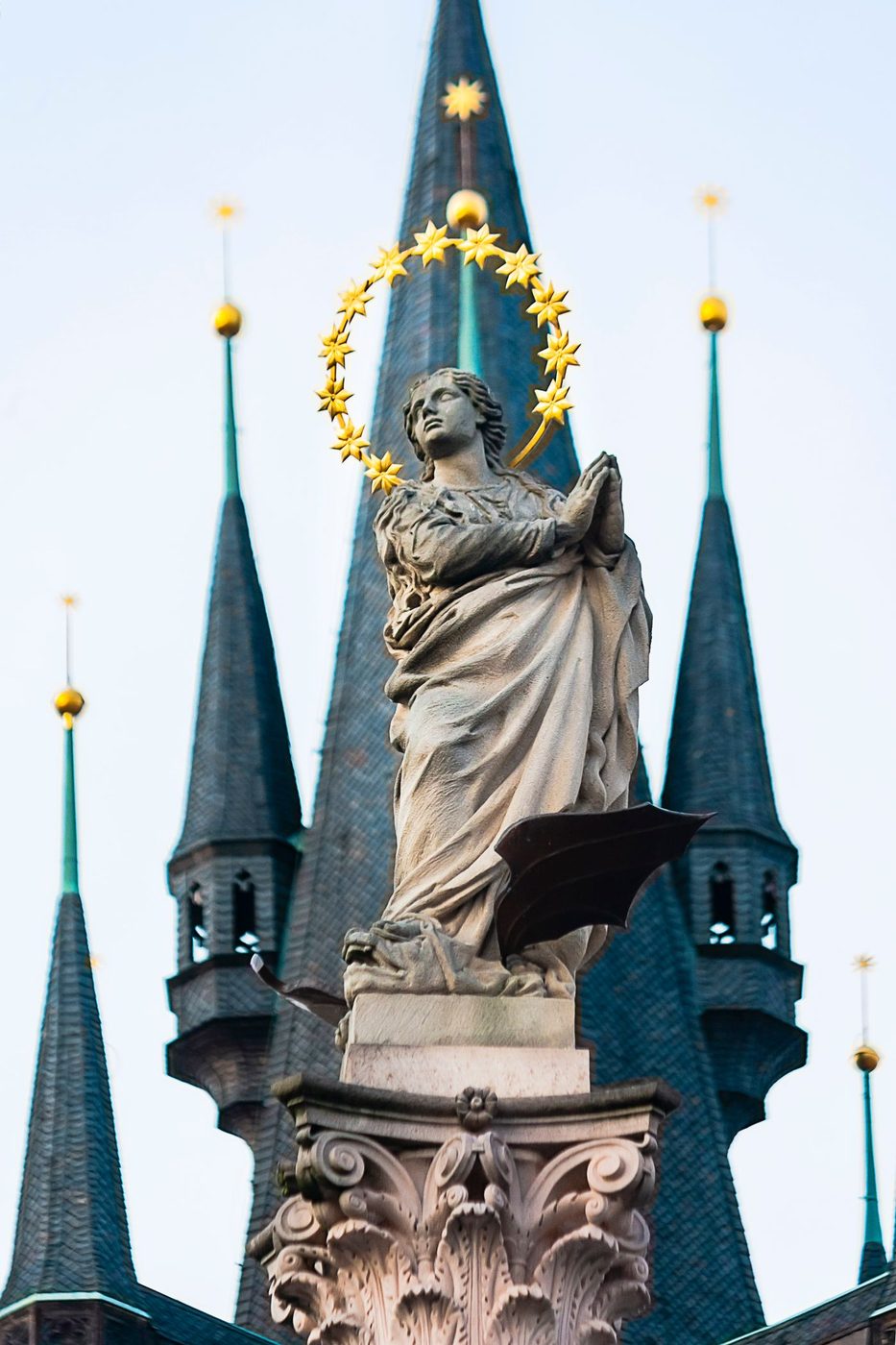
Prague City Tourism says Ferdinand III built the early Baroque Marian Column in 1650 as thanks to the Virgin Mary for Prague’s defense against Swedish troops in 1648.
Inventors
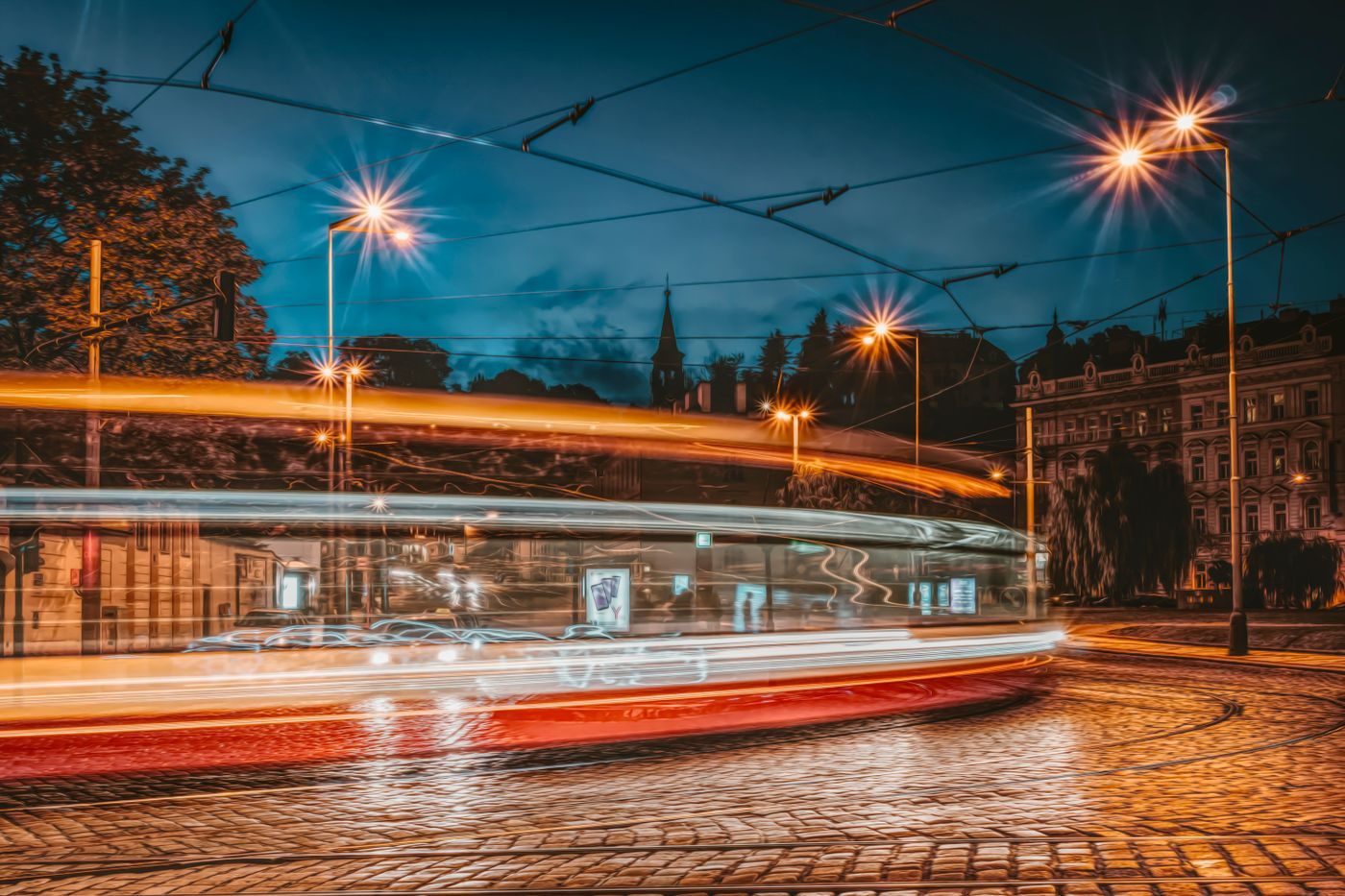
Prague City Tourism says Křižík created the fountain for the Jubilee Exhibition in 1891 and used 26 arc lamps that were his invention.
River morphology
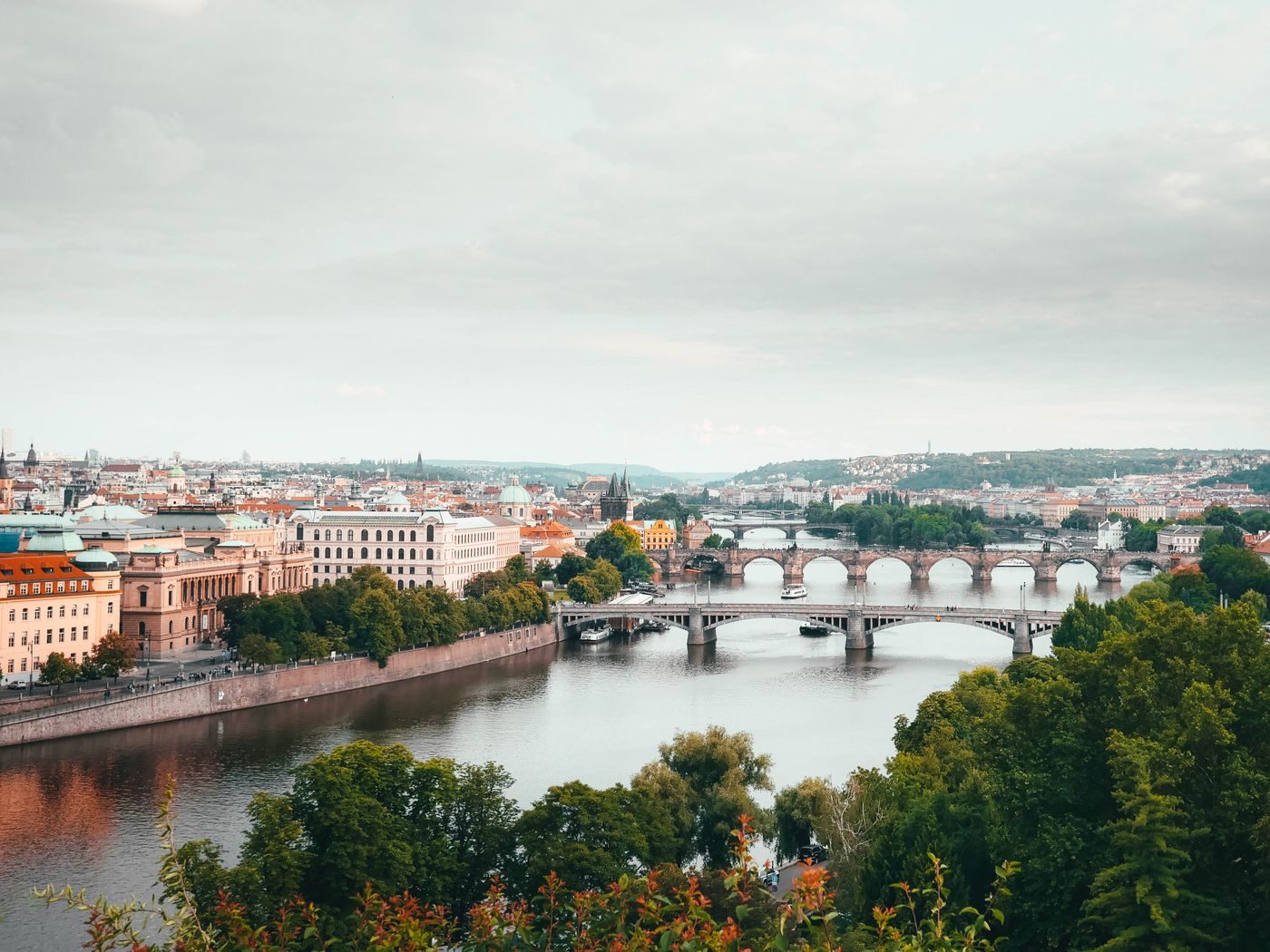
Prague City Tourism says the Vltava bend around Štvanice was once shallow enough for a series of islands to form, while river-flow regulation caused many to disappear.
River infrastructure
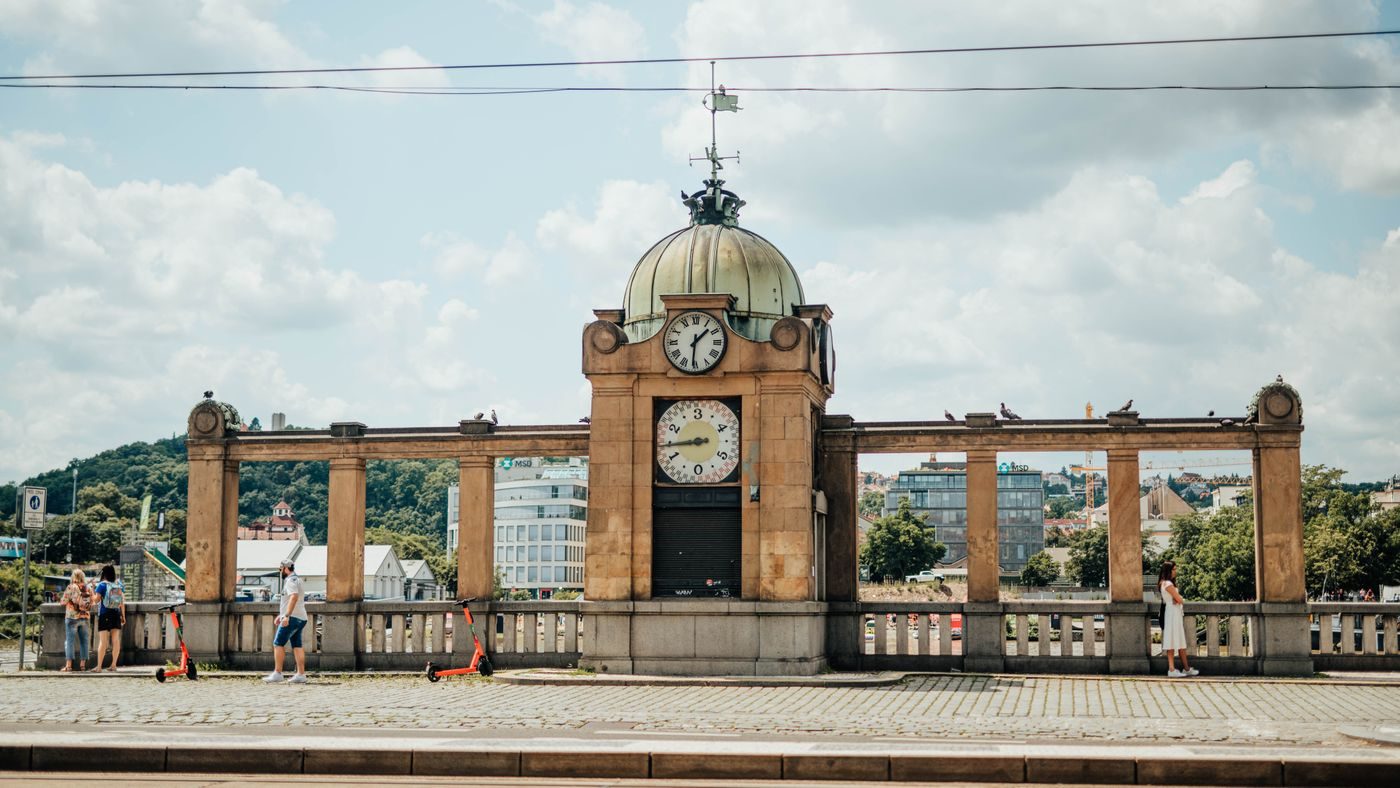
Prague City Tourism says the vaults built into Rašínovo embankment were originally used for ice storage before renovation for new uses.
District names
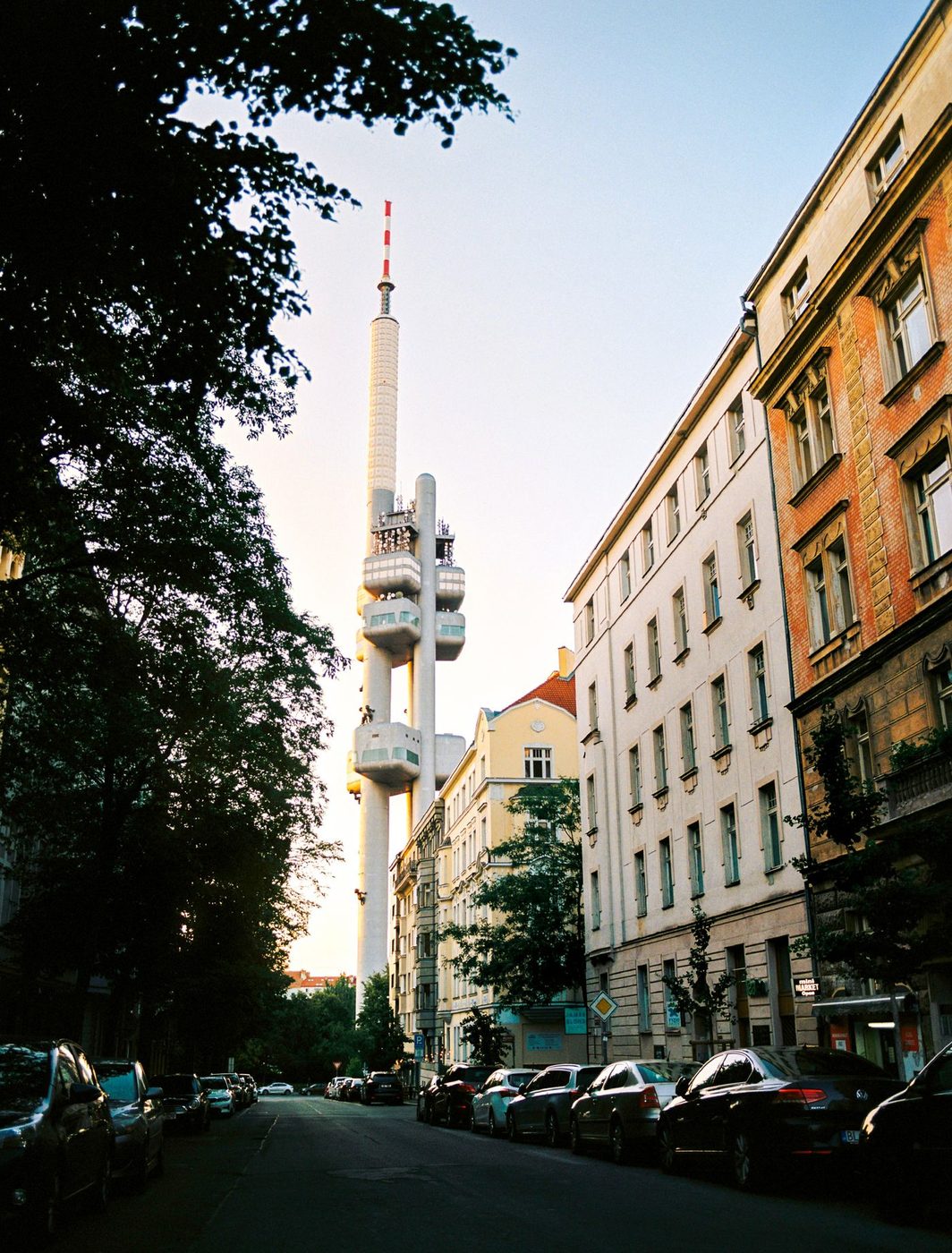
Prague City Tourism says the municipality began as Královské Vinohrady I in 1875 and was renamed Žižkov three years later.
Memorial literacy
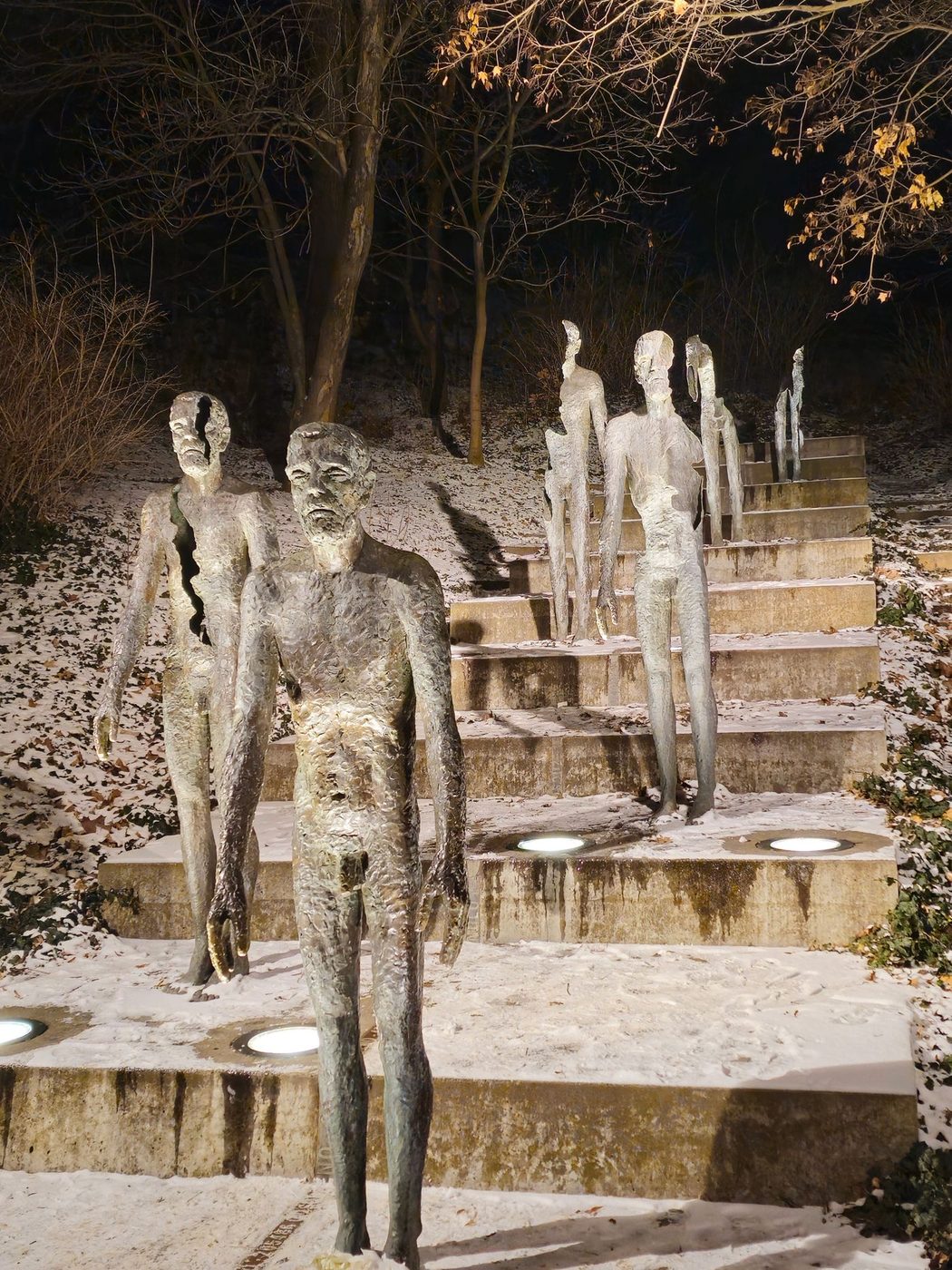
Prague City Tourism says the memorial’s figures become increasingly mutilated and torso-like, symbolizing the humanity stripped away by the totalitarian regime.
Medieval planning
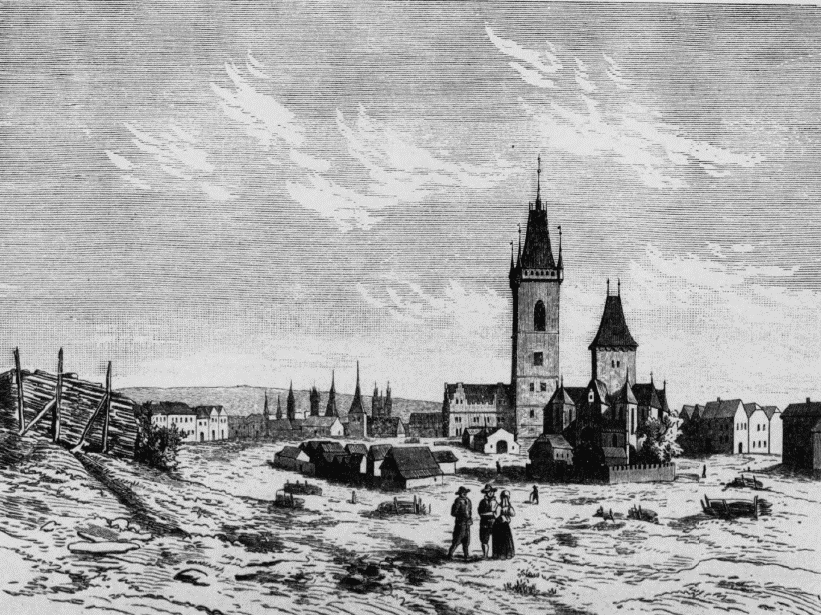
Prague City Tourism says that after Charles IV founded the New Town, today’s Charles Square was called the Big Market and by the fifteenth century was known as the Cattle Market.
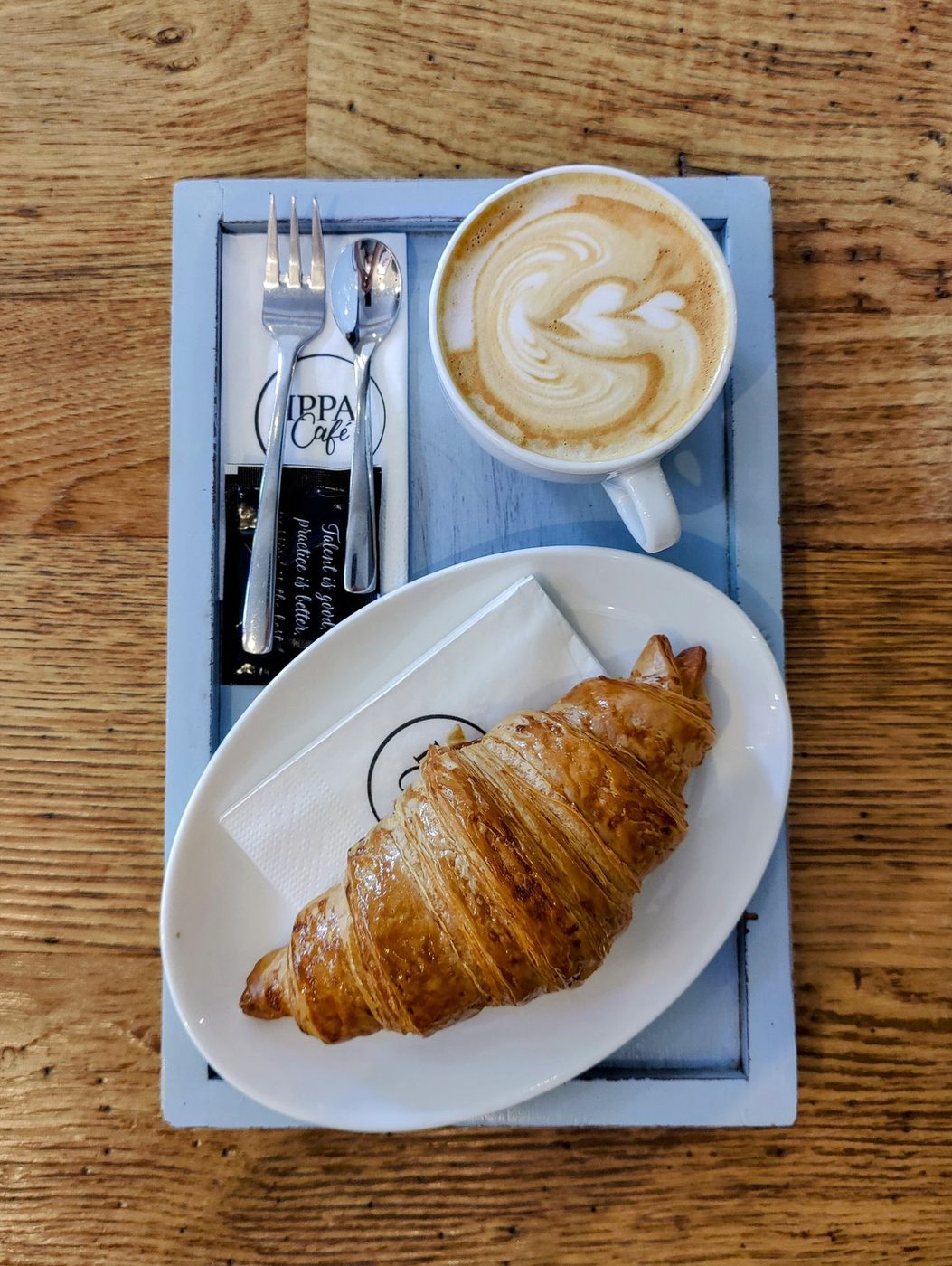
Coffeehouse culture
Café Louvre’s own history says 38 writers met there on 15 February 1925 to found the Czechoslovak PEN Club centre, with Karel Čapek as its first chairman.
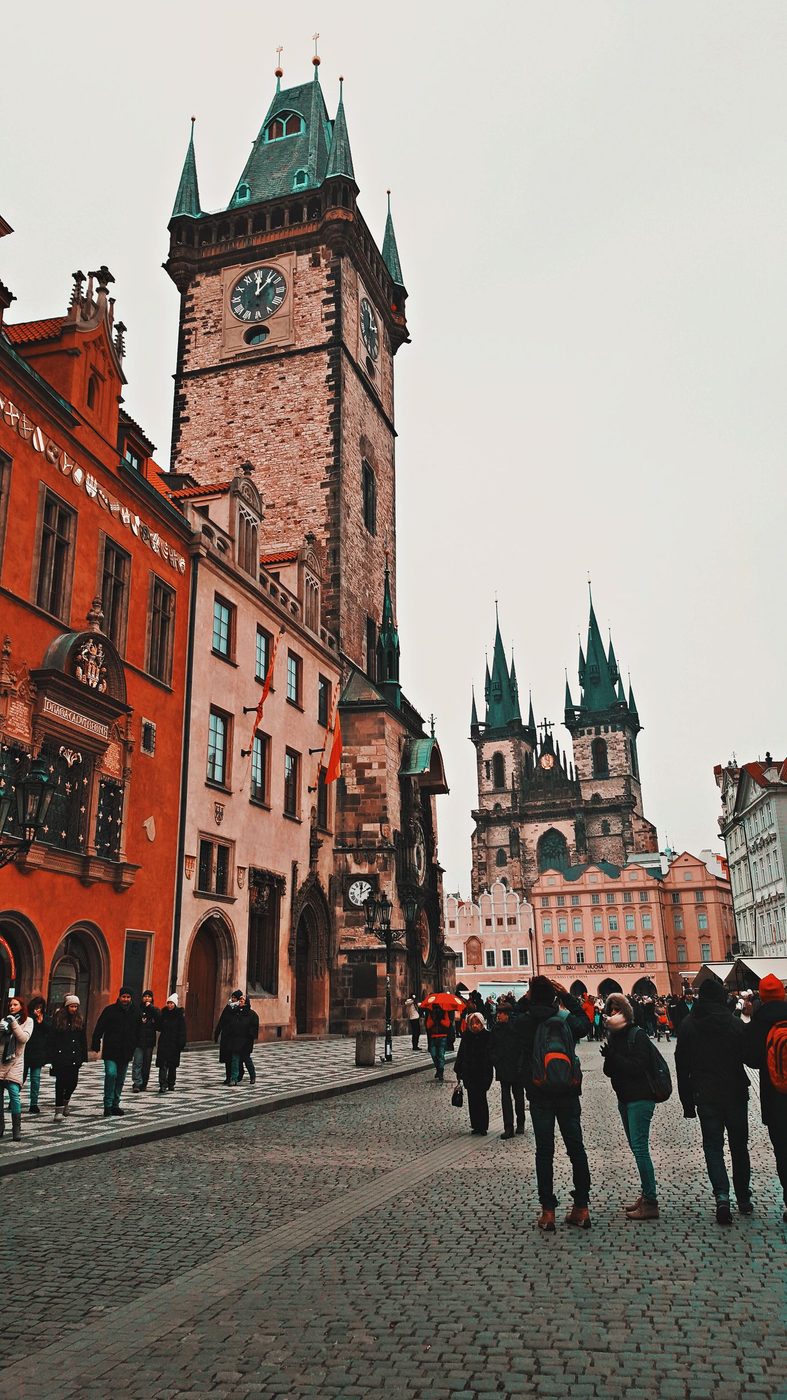
Medieval markets
Prague City Tourism says Old Town Square’s history reaches back to the tenth century, when it served as a marketplace at the crossroads of European trade routes.
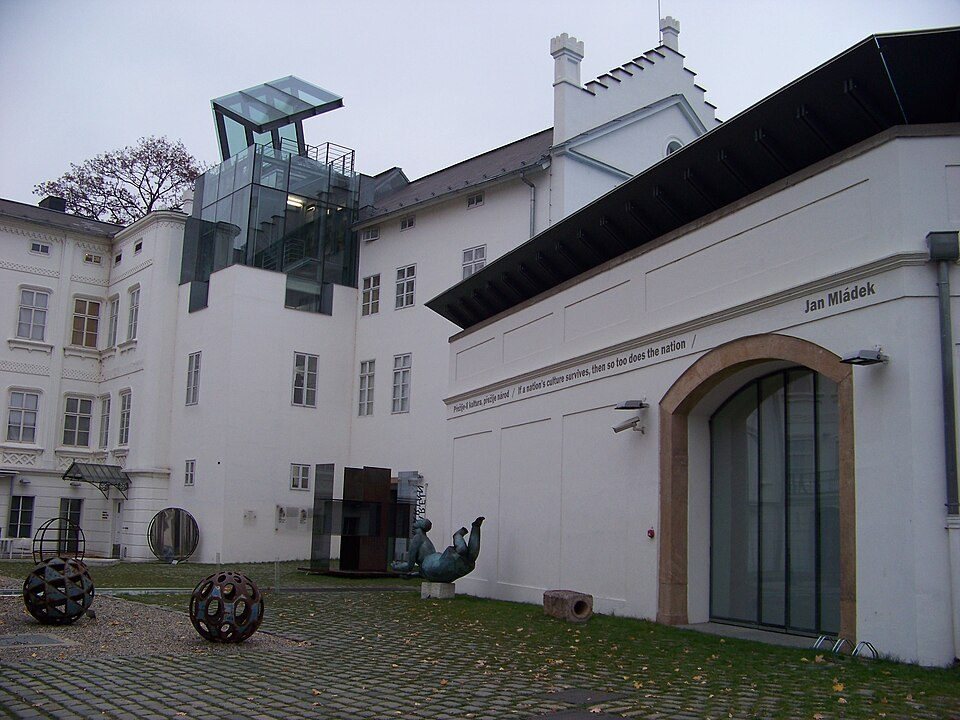
Adaptive reuse
Prague City Tourism says Museum Kampa is housed in the former Sova Mills in the Lesser Quarter.
Ceremonial routes
Prague City Tourism says the Royal Route ran from the King’s Court near today’s Municipal House to Prague Castle and was travelled by Czech kings before coronation.
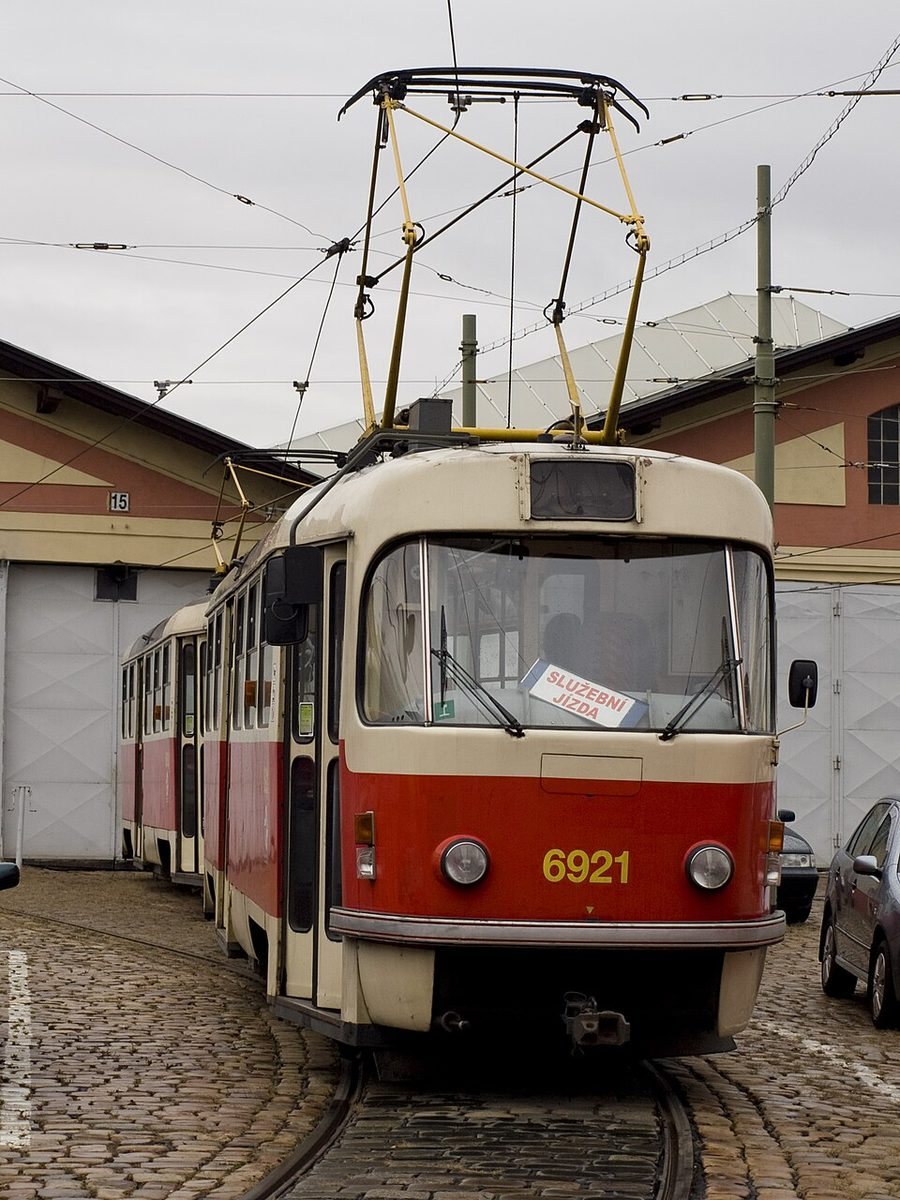
Transport heritage
Prague City Tourism says the Public Transport Museum occupies the historic Střešovice tram depot, which was declared a technical monument in 1991.
Legend vs evidence
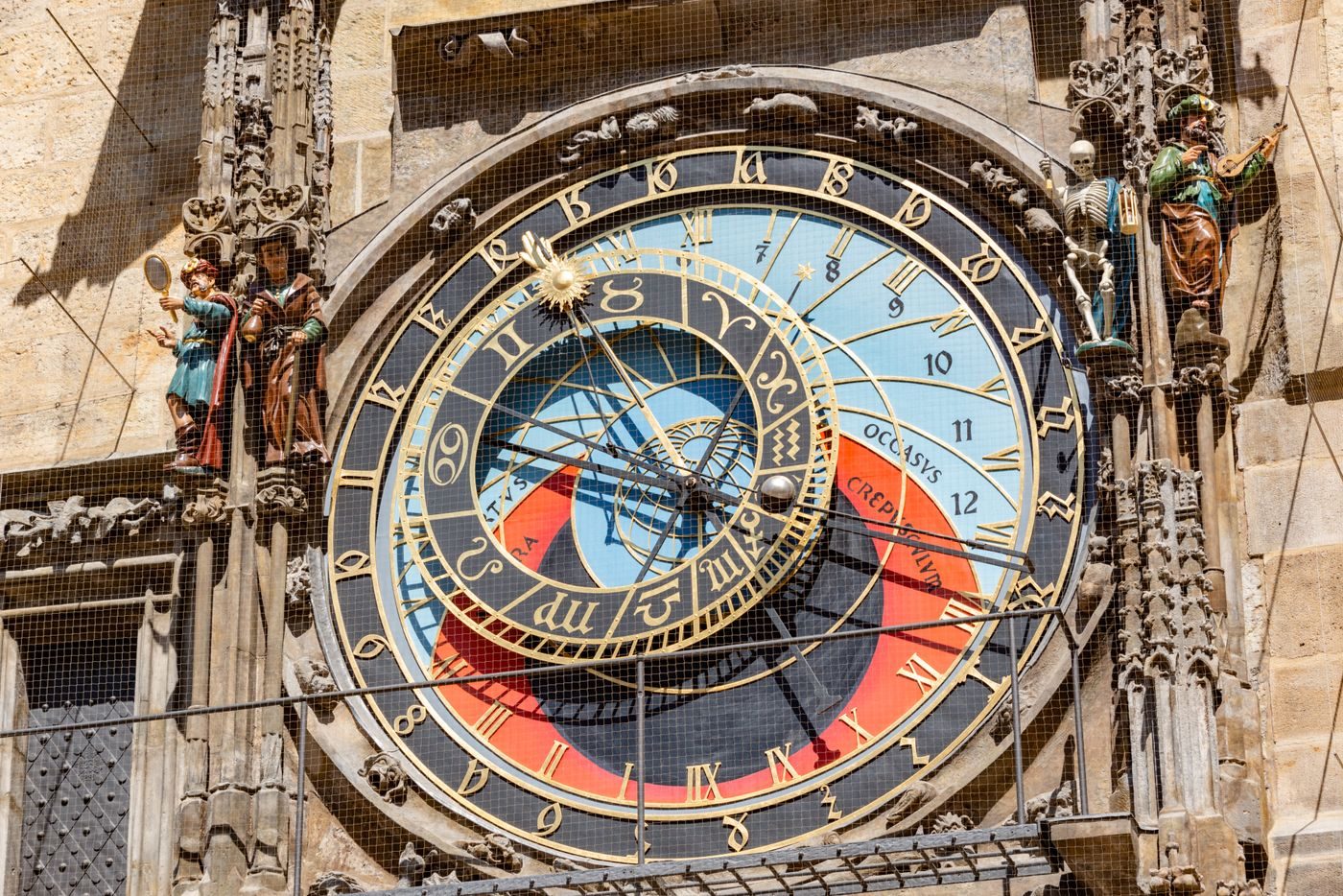
On Prague City Tourism’s Legends of Prague page, the original simple mechanism is credited to Mikuláš of Kadaň before 1410, while Hanuš appears later as the clockmaker who perfected it.
Literary Prague
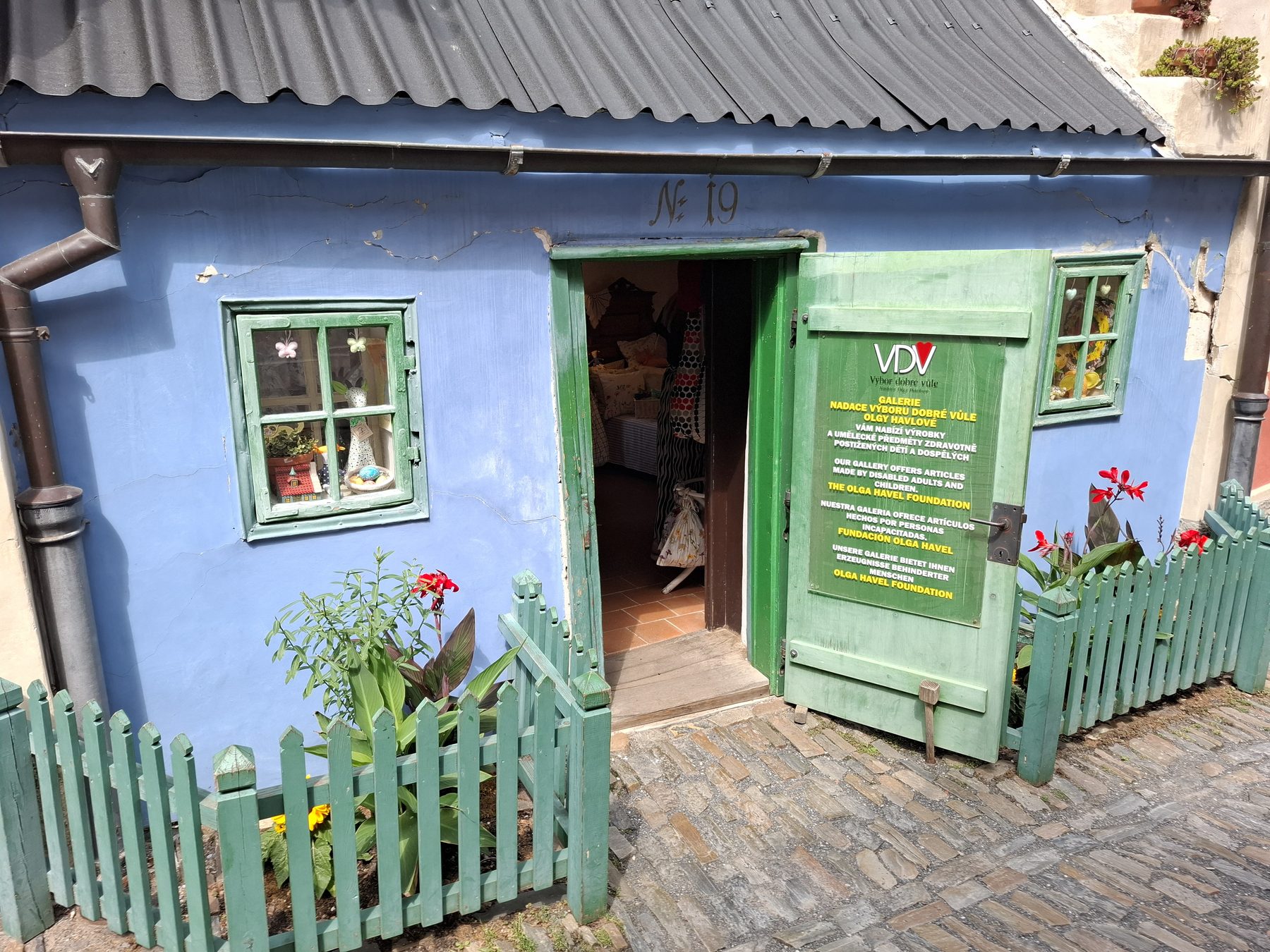
Gustav Meyrink turned Prague’s Golden Lane into something stranger than a picturesque Castle street: a threshold to another Prague.
Mystical Geometry
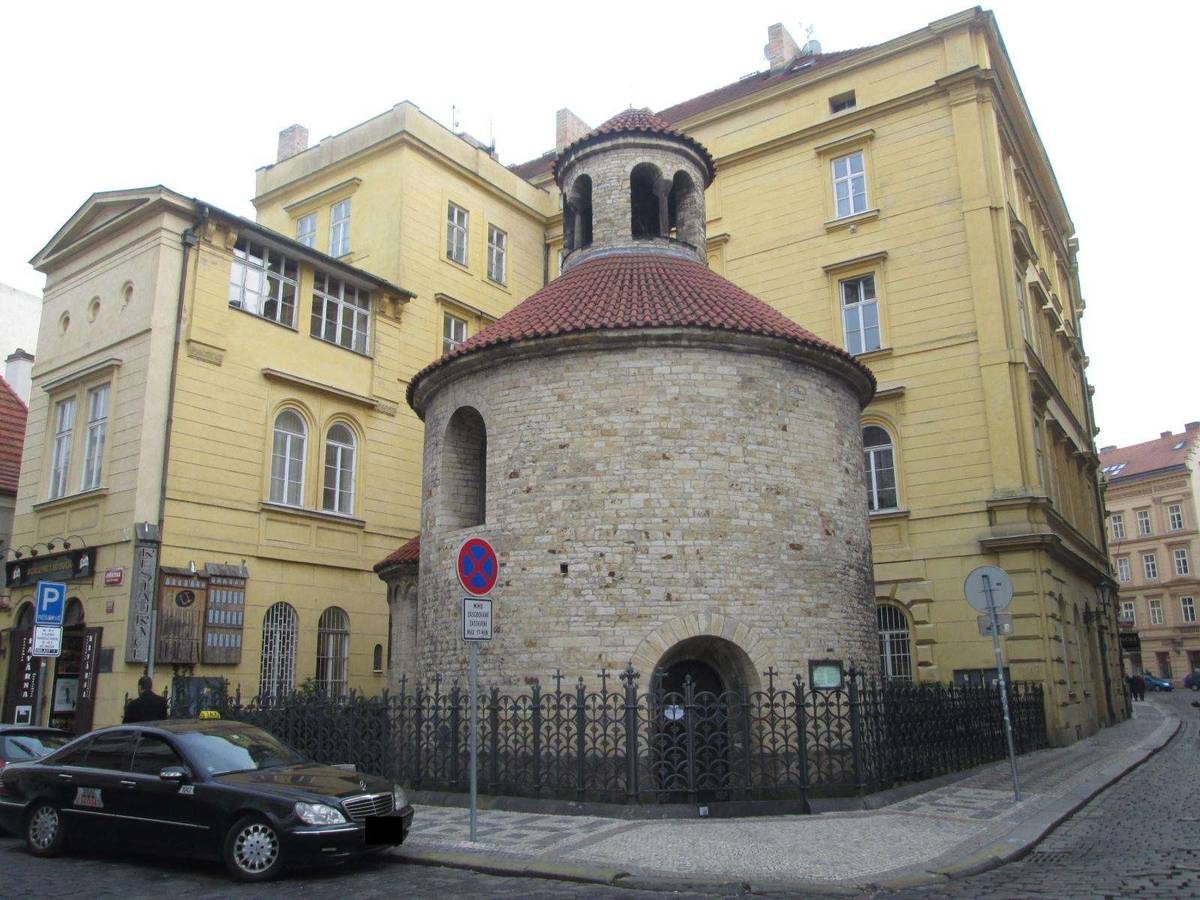
One of Prague’s smallest medieval churches occupies a surprisingly large position on the map.
Baroque Death
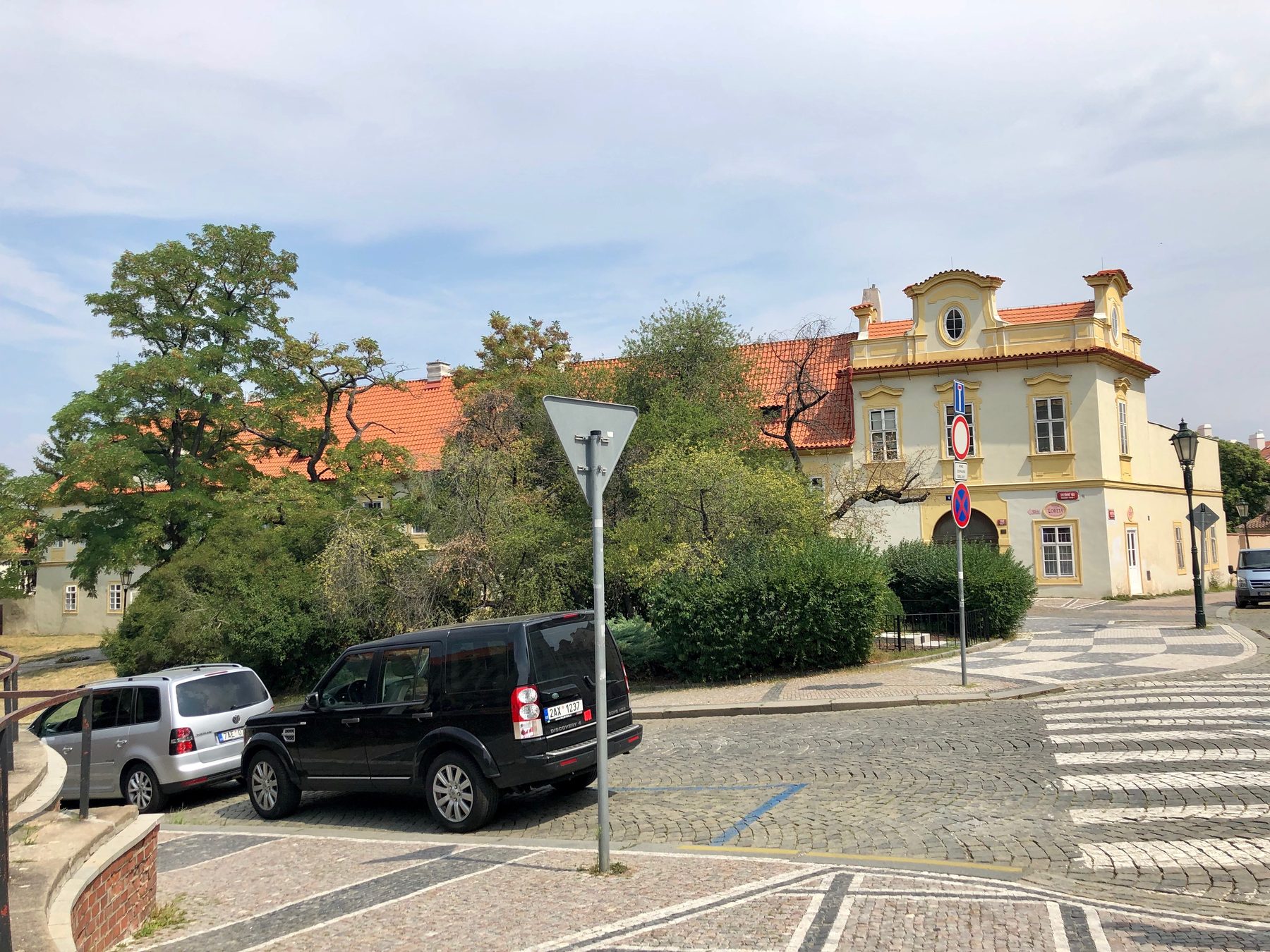
A protected crypt below Prague Loreto contains skeletons, skulls, Time and a scene based on Rembrandt.
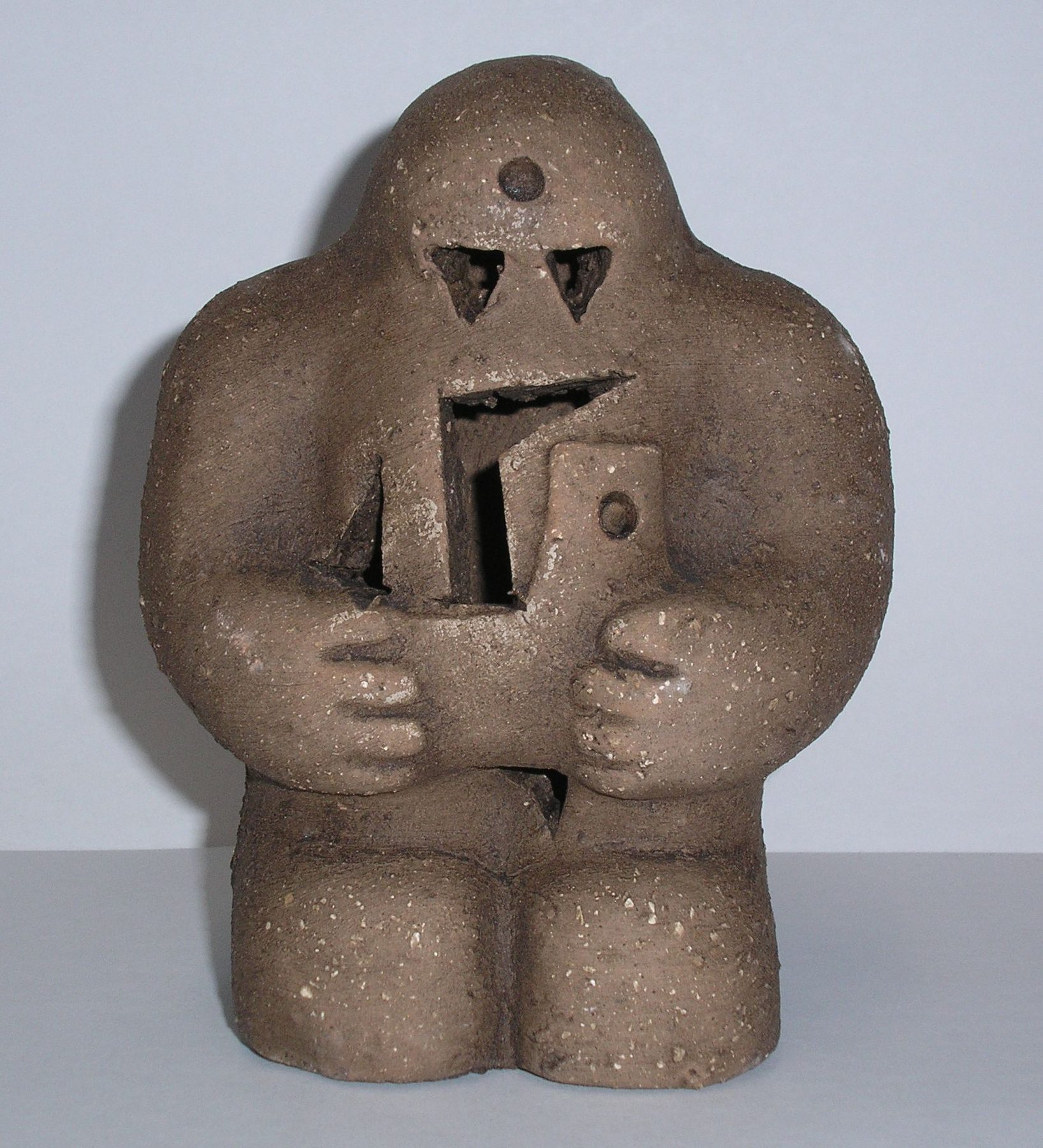
Literary Horror
The famous clay servant and Gustav Meyrink’s literary Golem are related — but they are not the same story.
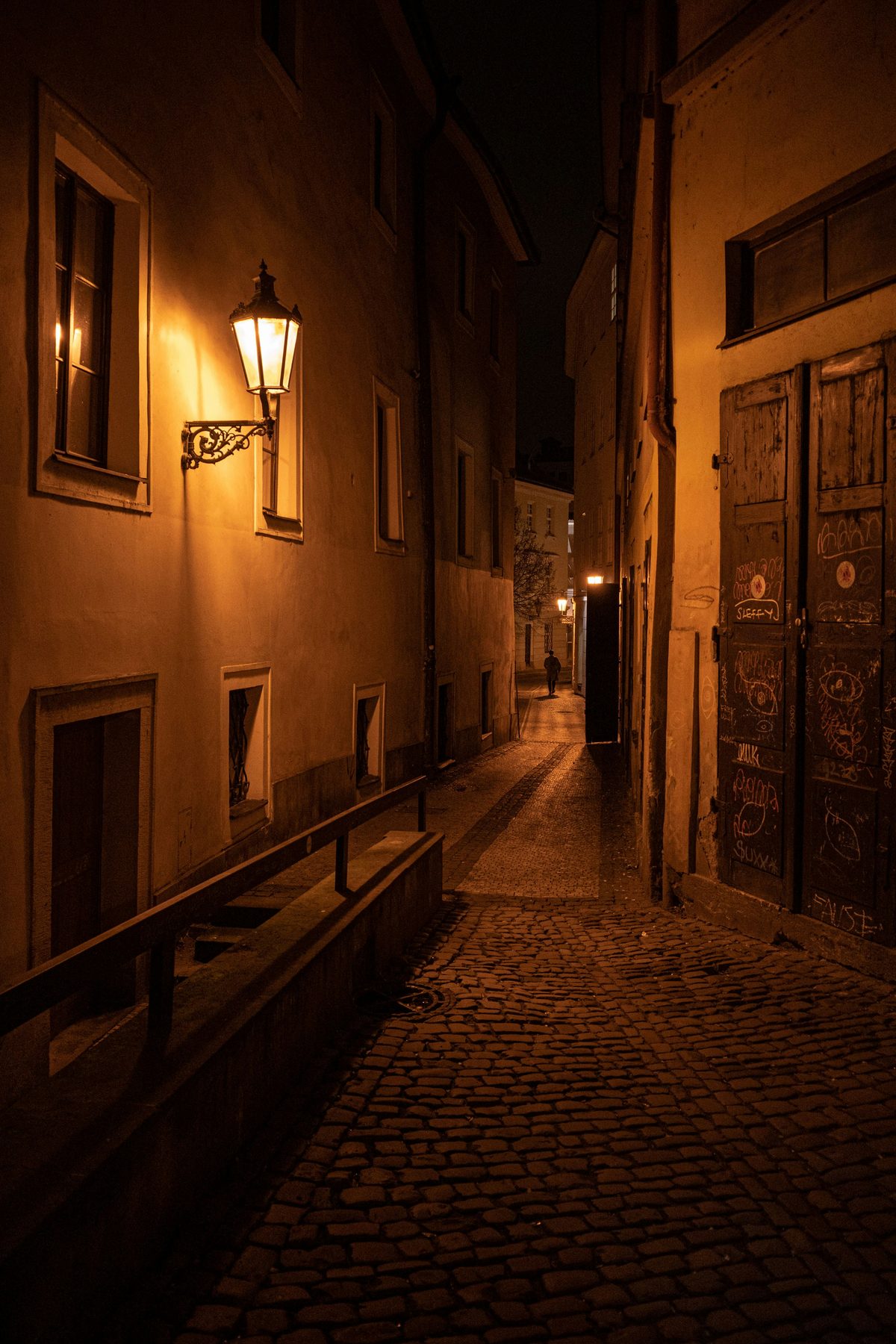
Prague Folklore
A strange Old Town apparition appears in Prague’s curated folklore and is linked in local retellings with the streets around the Holy Cross rotunda.
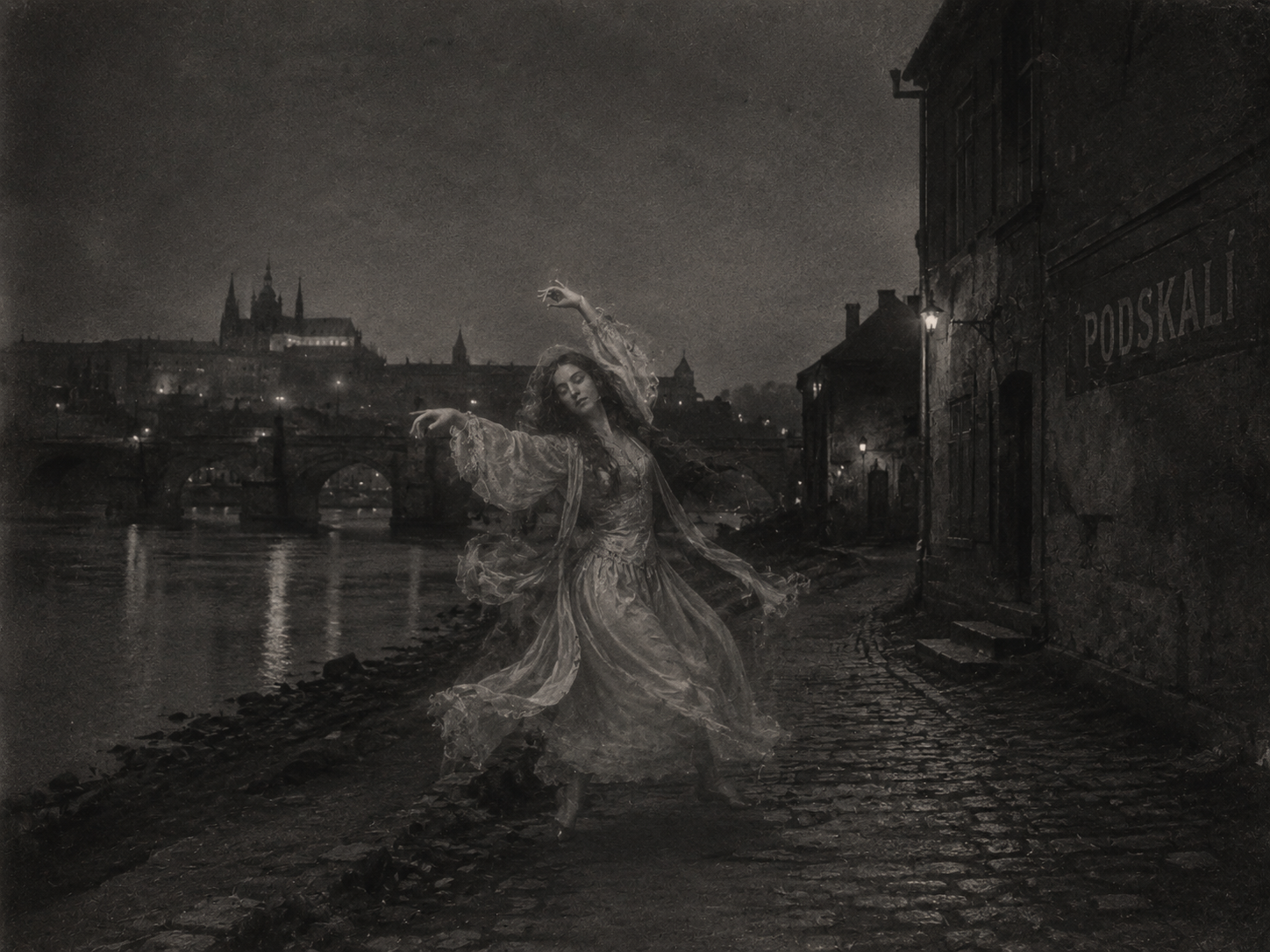
Podskalí Folklore
A female apparition recorded in the old Podskalí tradition stands out because its defining act is not a conventional attack. She draws passers-by into a dance, turning a vanished riverside neighbourhood into one of Prague’s strangest supernatural stages.
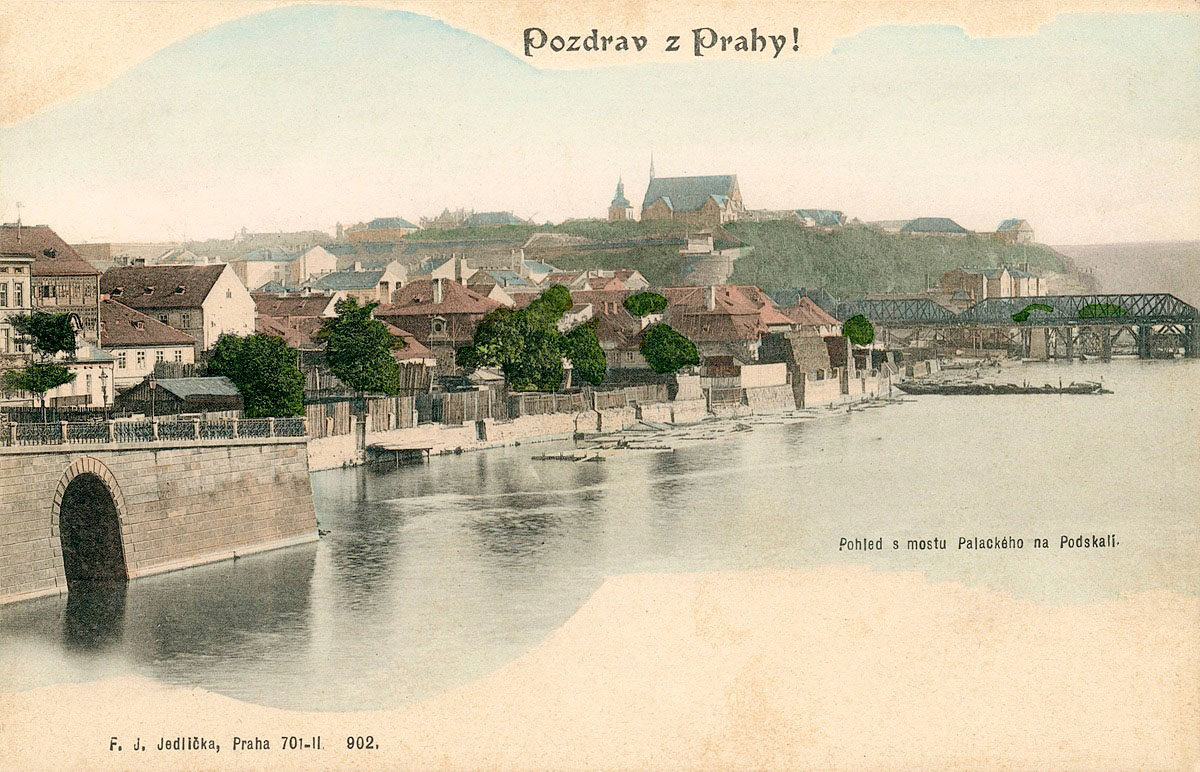
Documented Haunting
For several weeks in December 1874, mysterious disturbances in Podskalí became a public spectacle. The remarkable part is not proof of a ghost, but the fact that a modern city produced a new supernatural legend in front of newspapers and crowds.
Folklore Archaeology
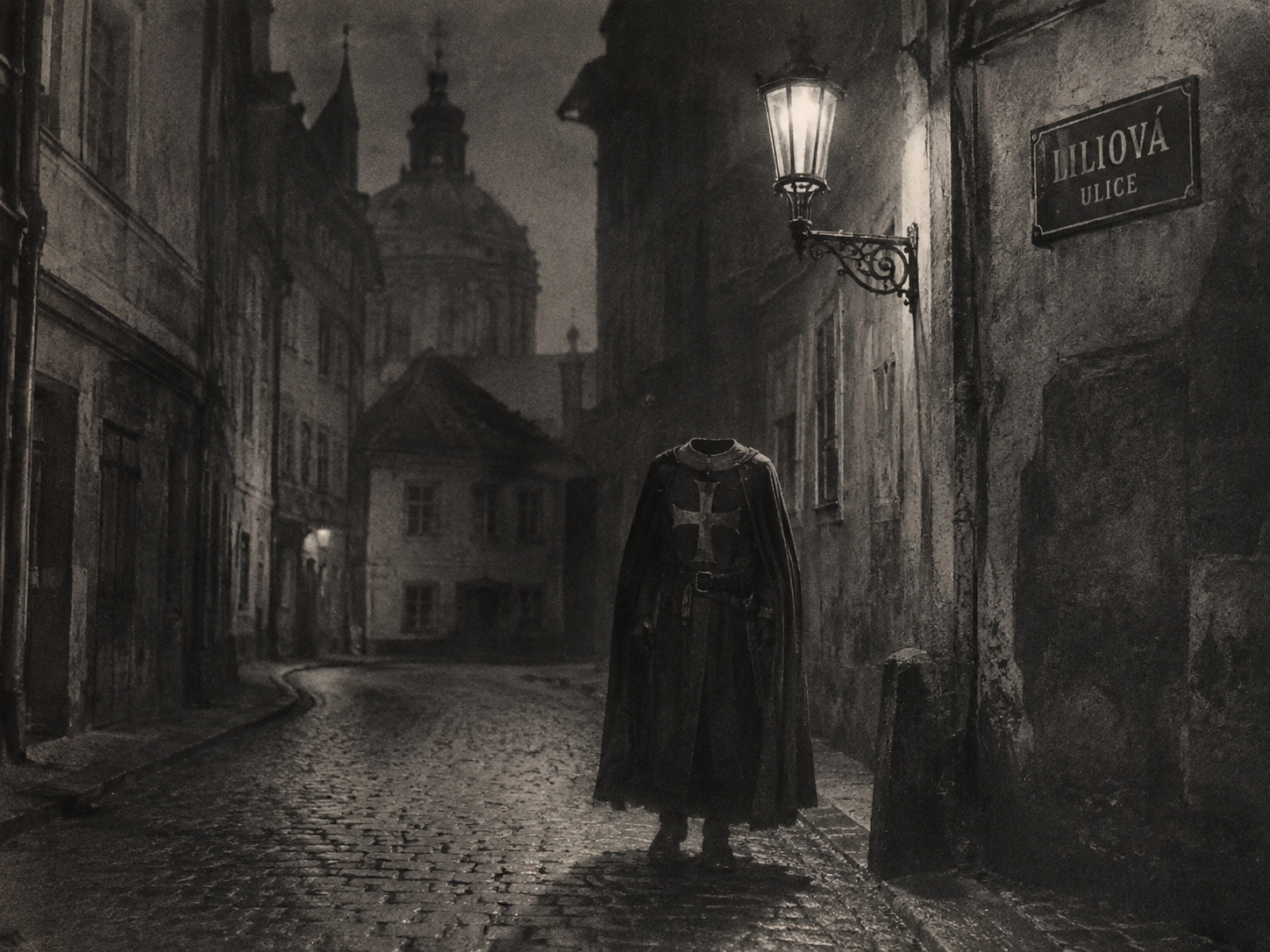
Václav Cibula records a headless Templar wandering around Liliová Street. The legend is stable enough to have a Prague address, yet flexible enough that his death, appearance and possible release change between versions.
Street Memory
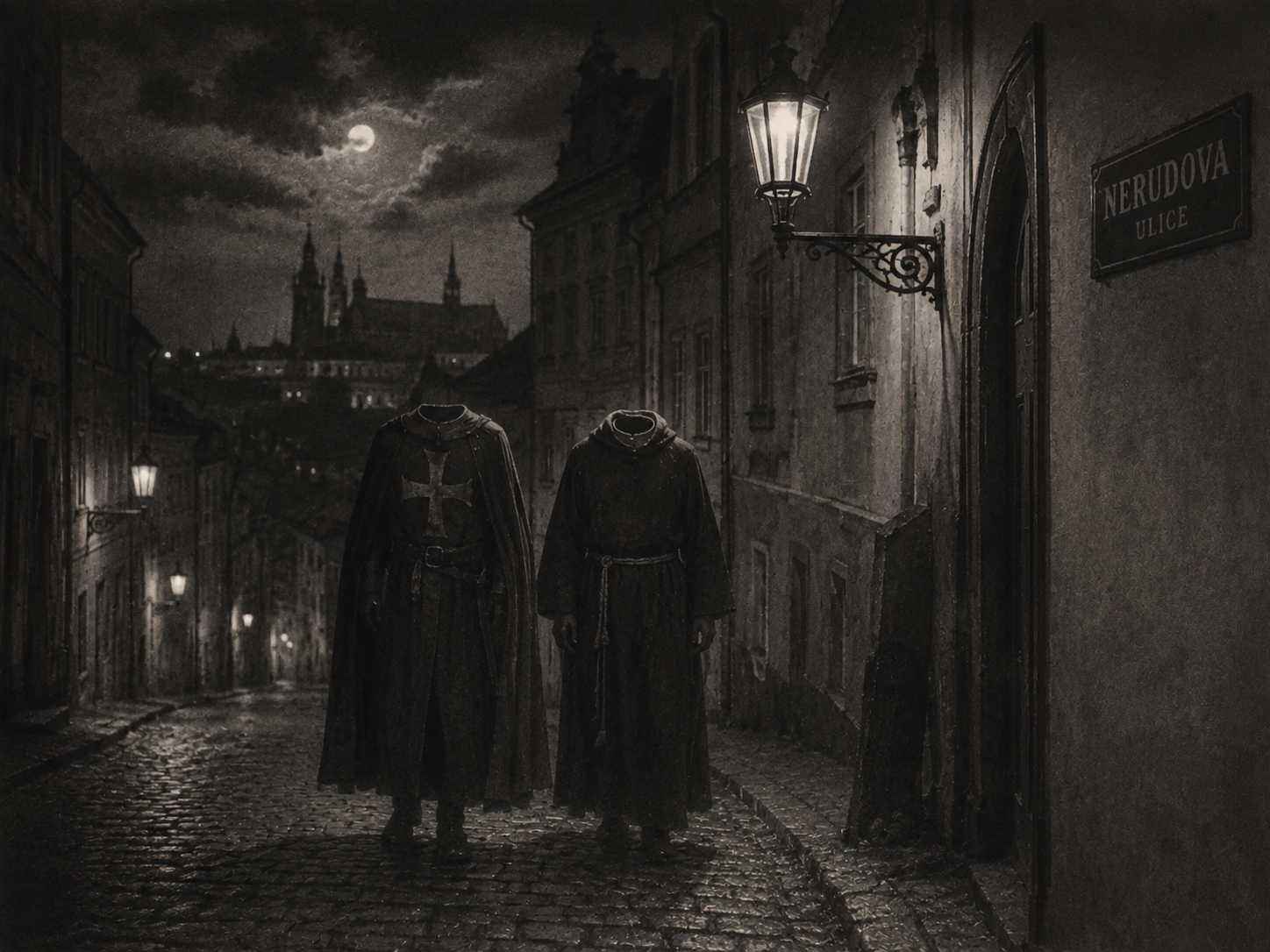
Václav Cibula records a pair of headless figures in Nerudova Street. Later retellings can separate them into a Swedish soldier and a Premonstratensian or priest, raising a better question than ‘which ghost is real?’ — did one story become two?
Public Art & Legend
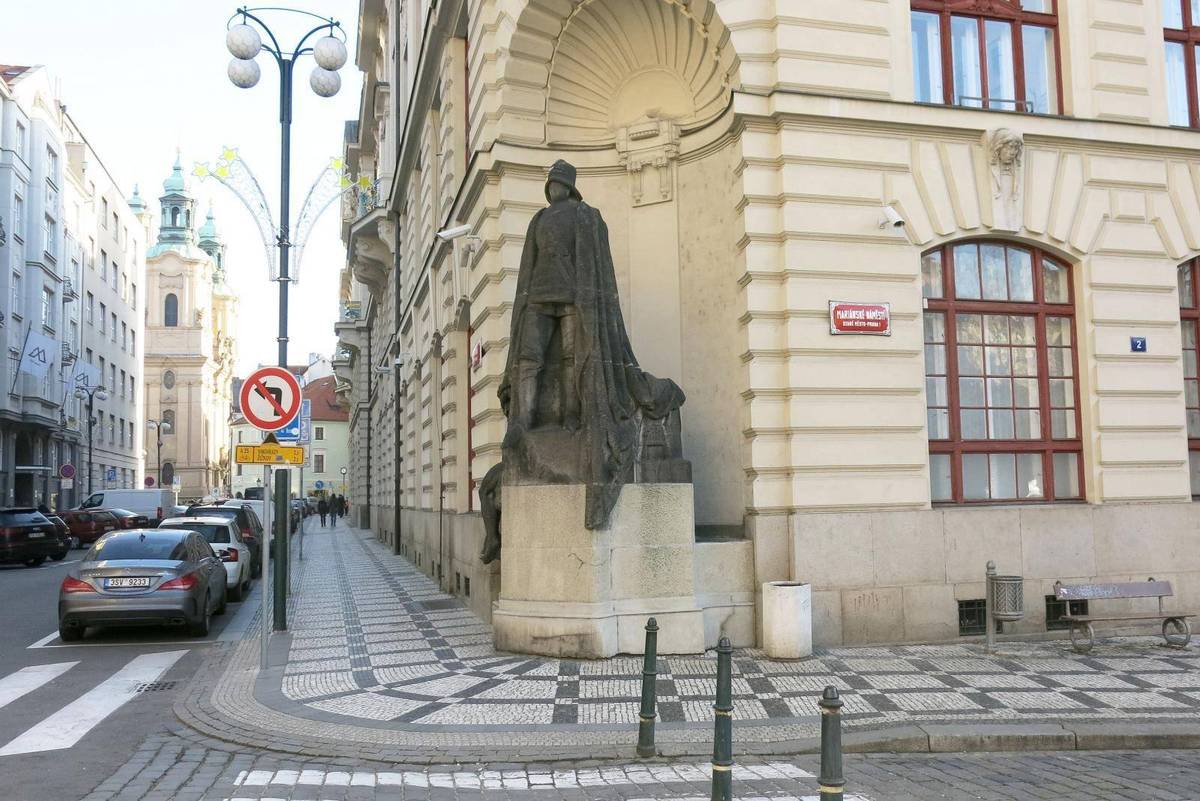
Platnéřská Street gives the Iron Man legend something many ghost stories lack: a visible object. Václav Cibula preserves the tale of a man cursed into a metal or stone form, while the surviving figure raises a second question — did the story explain the image, or did the image reshape the story?
Merchant Prague
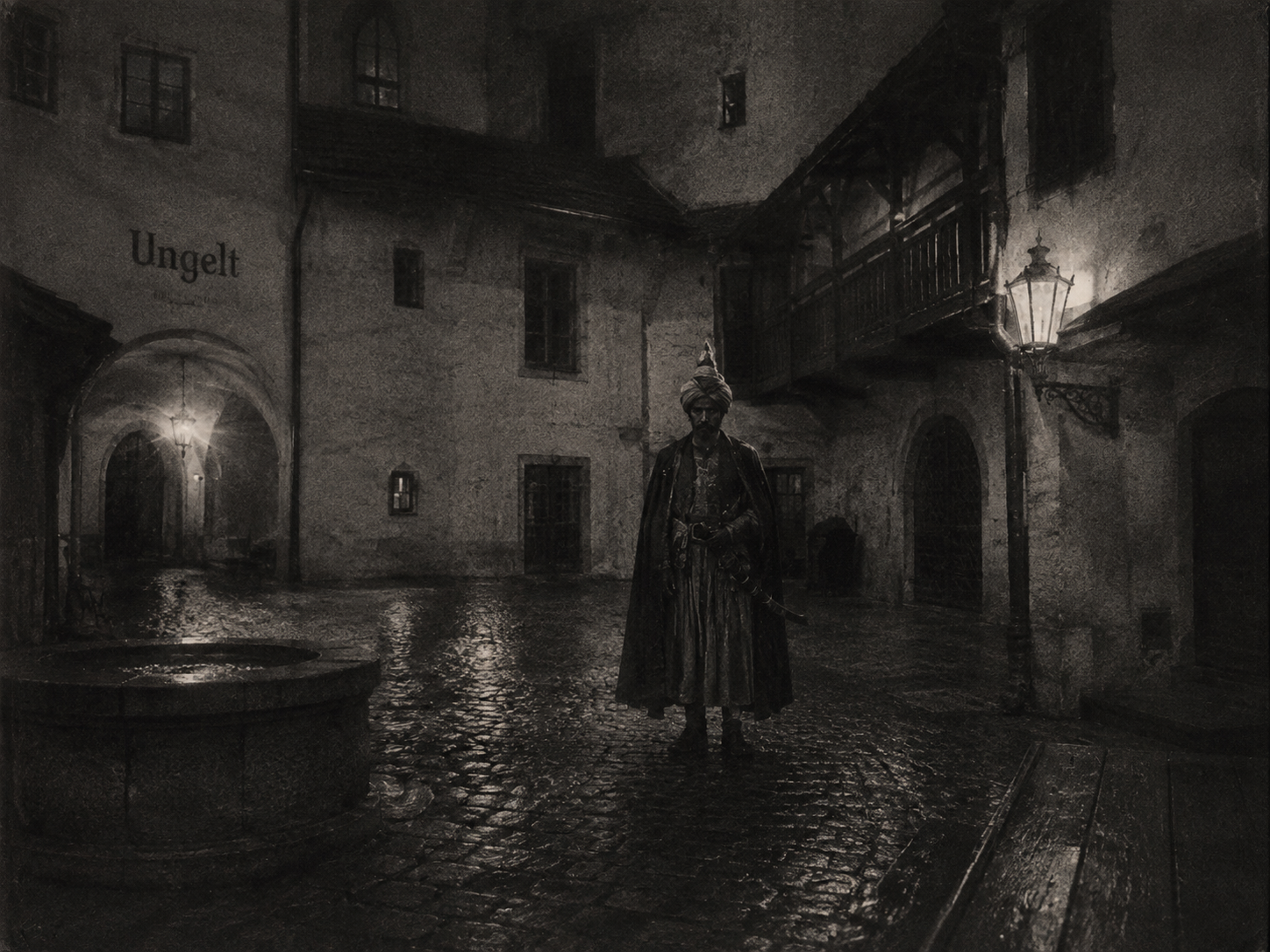
Václav Cibula preserves the Turek z Ungeltu as one of the Old Town’s most firmly localized revenants. Different versions connect him with jealousy, violence and a young woman’s death, but the setting gives the legend its deeper meaning.
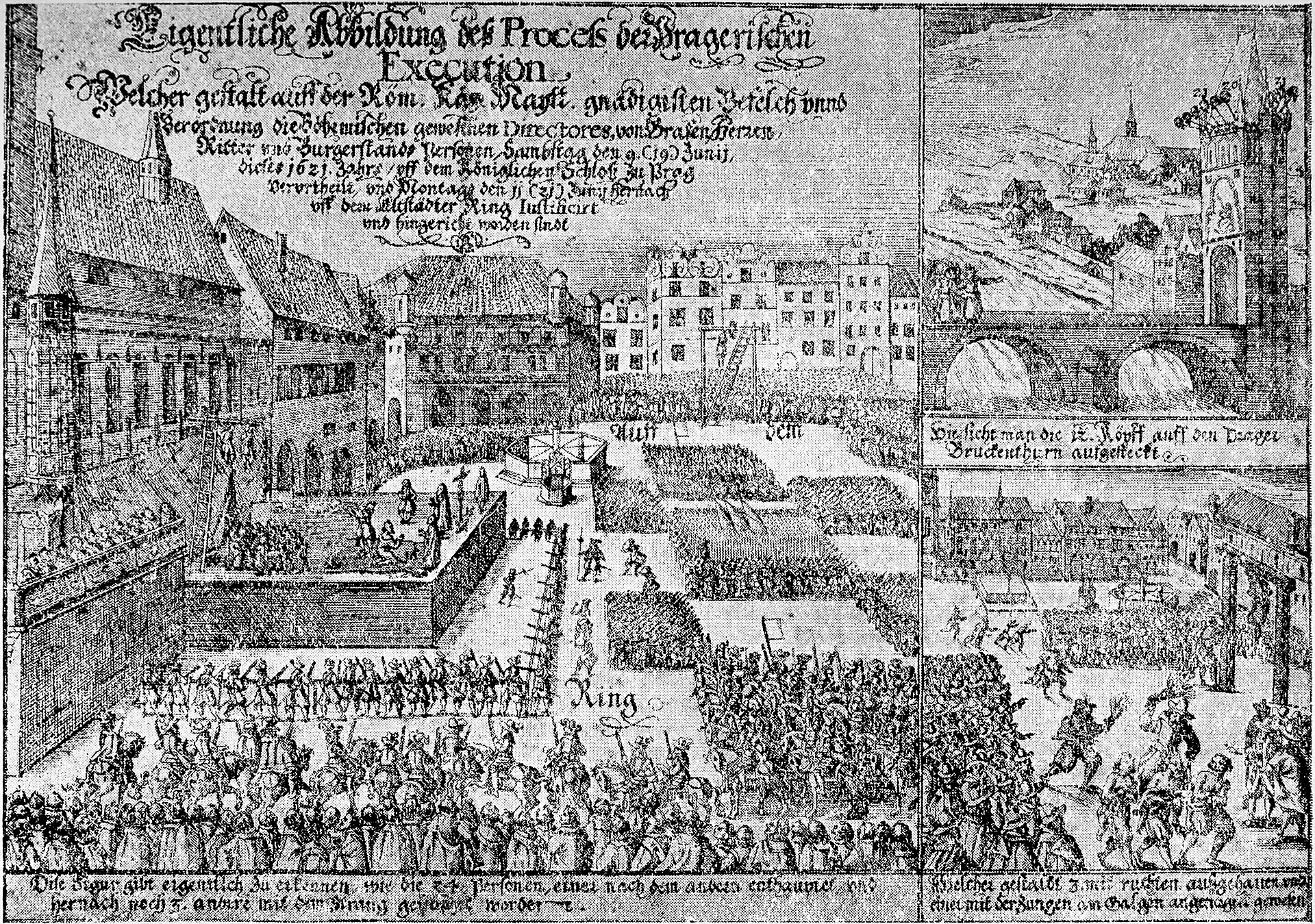
Memory After Execution
Václav Cibula records the later tradition in which the executed men return to Old Town Square. The execution belongs to history; the ghost procession belongs to the way Prague kept retelling that history.
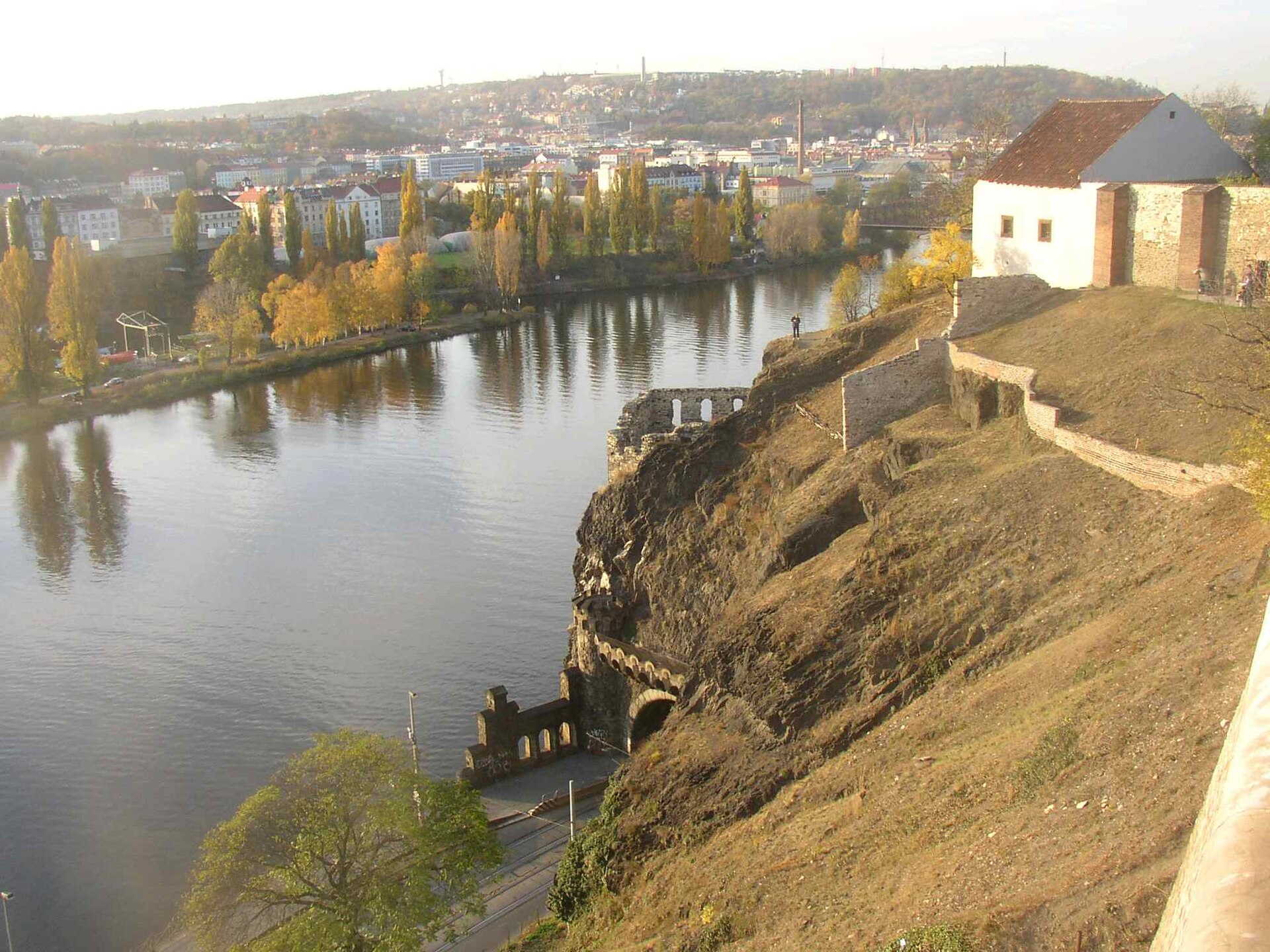
National Myth
Václav Cibula and the Vyšehrad tradition preserve a Prague version of the sleeping-army motif: knights hidden inside the rock who will emerge at a time of greatest need.
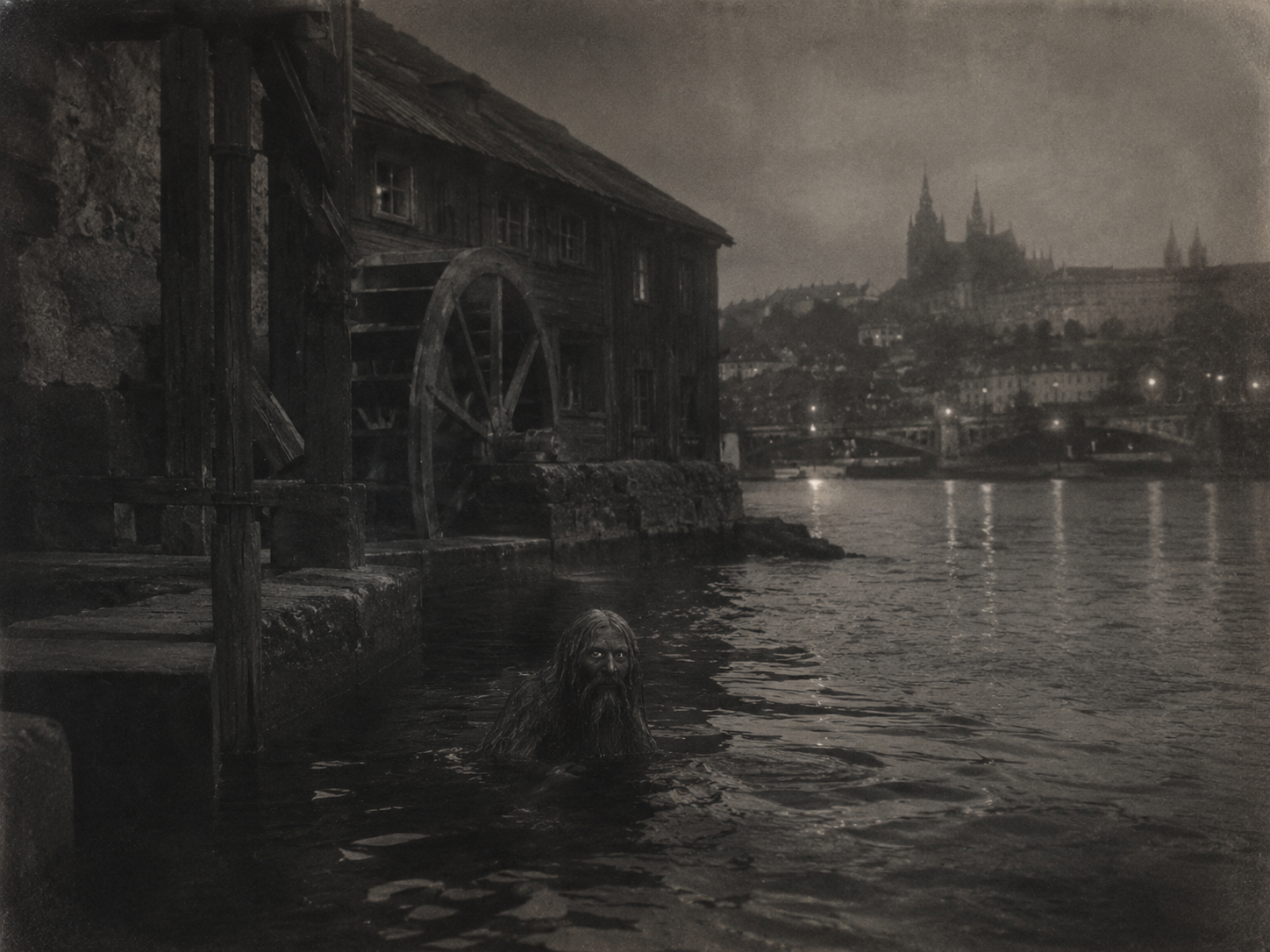
River Folklore
Václav Cibula places a vodník by the Šítkov Mills and even records stories about water-goblin children. The supernatural resident makes more sense when the river is remembered as a working landscape, not just a postcard view.
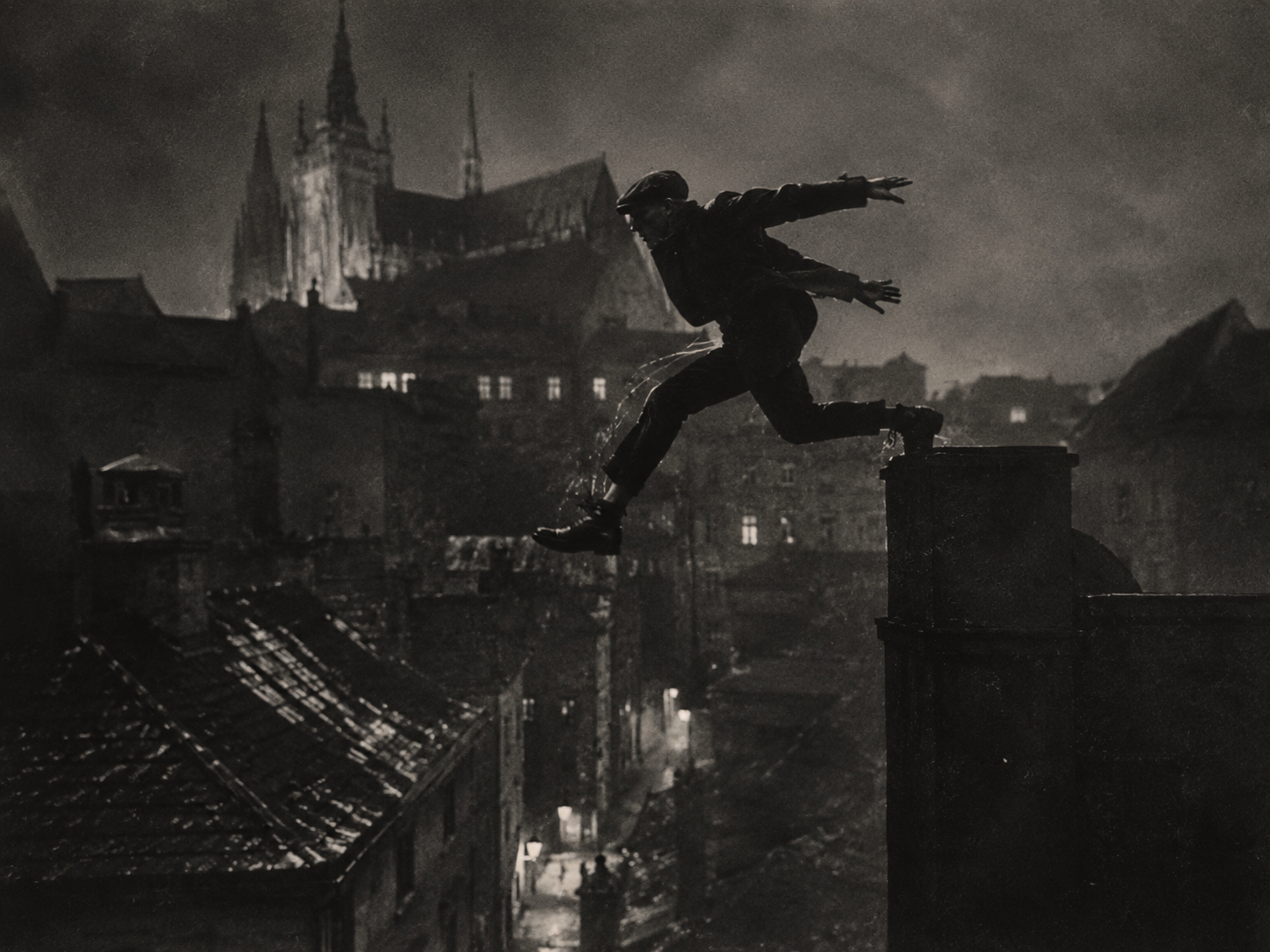
Wartime Urban Legend
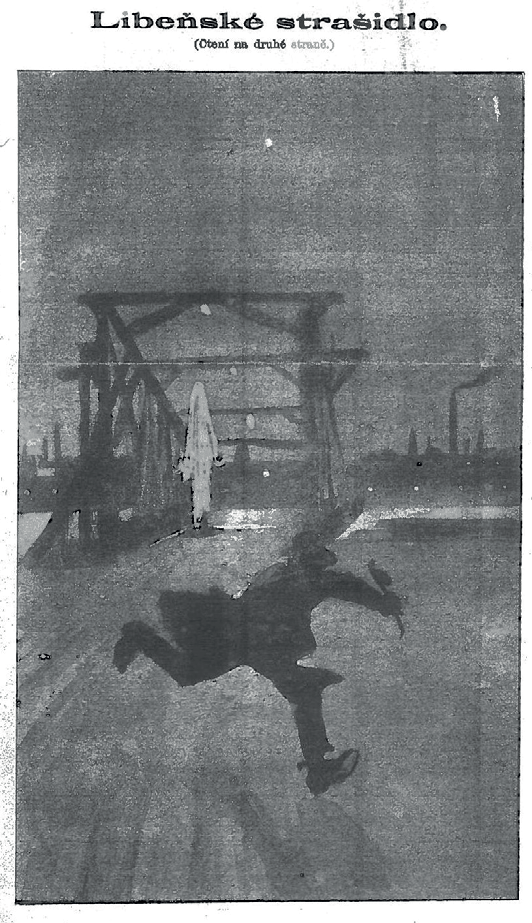
Pérák is not presented as an ancient medieval revenant. Petr Janeček’s research follows a modern Prague legend in which a spring-legged night figure shifts from menace and rumour to anti-German hero and popular-culture icon.
Media History
Petr Janeček identifies lesser-known Prague-area ghost scares from 1876 and 1907 after the famous Podskalí sensation. Seen together, they reveal a recurring modern urban form rather than one isolated haunted place.
Psychological Folklore
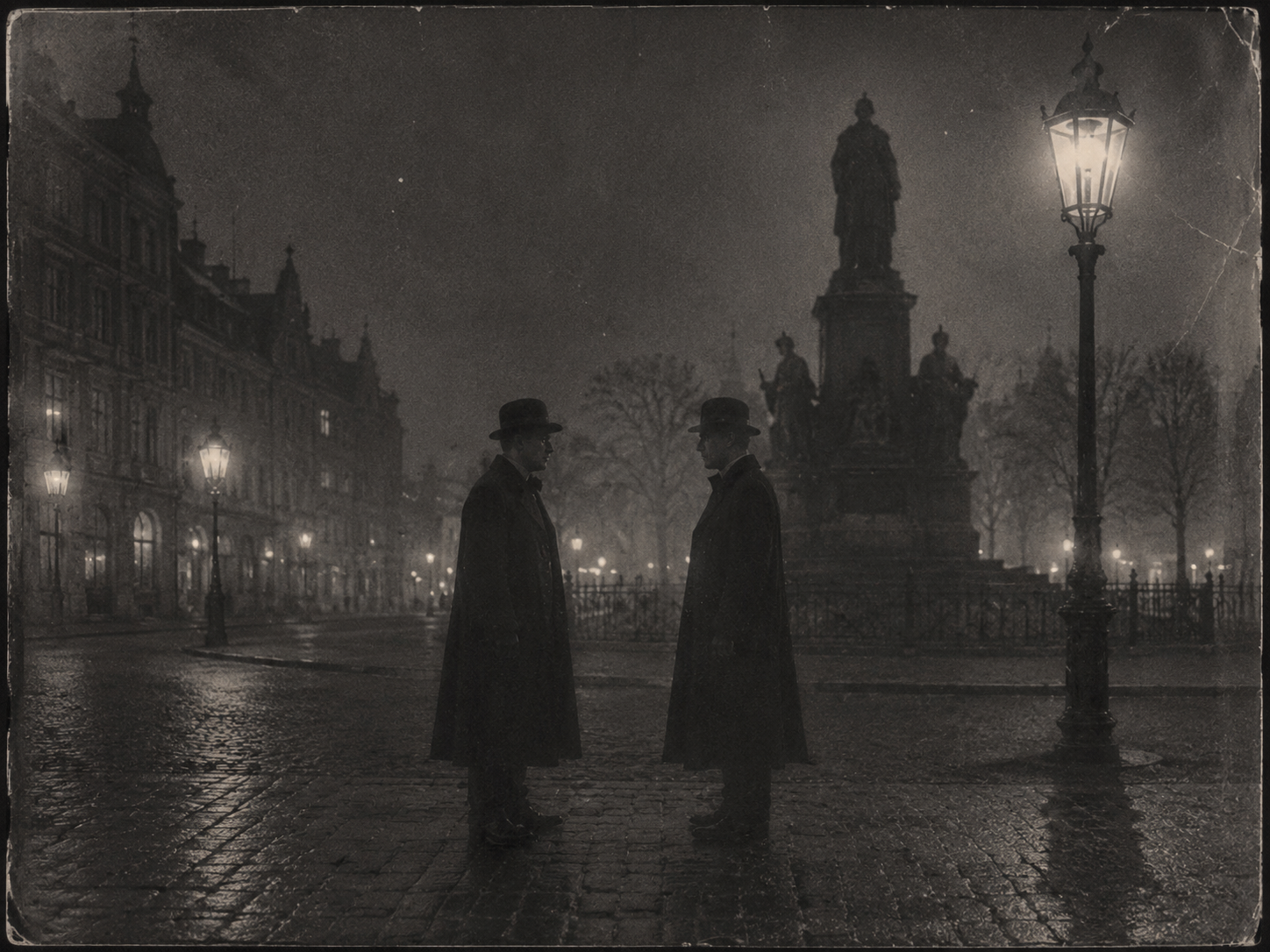
Václav Cibula connects Prague’s double tradition with Karlovo náměstí and a story of a cut-up image. The unsettling part is not a monster’s face, but the possibility that your own face can exist independently of you.
Legend & Sacred Topography
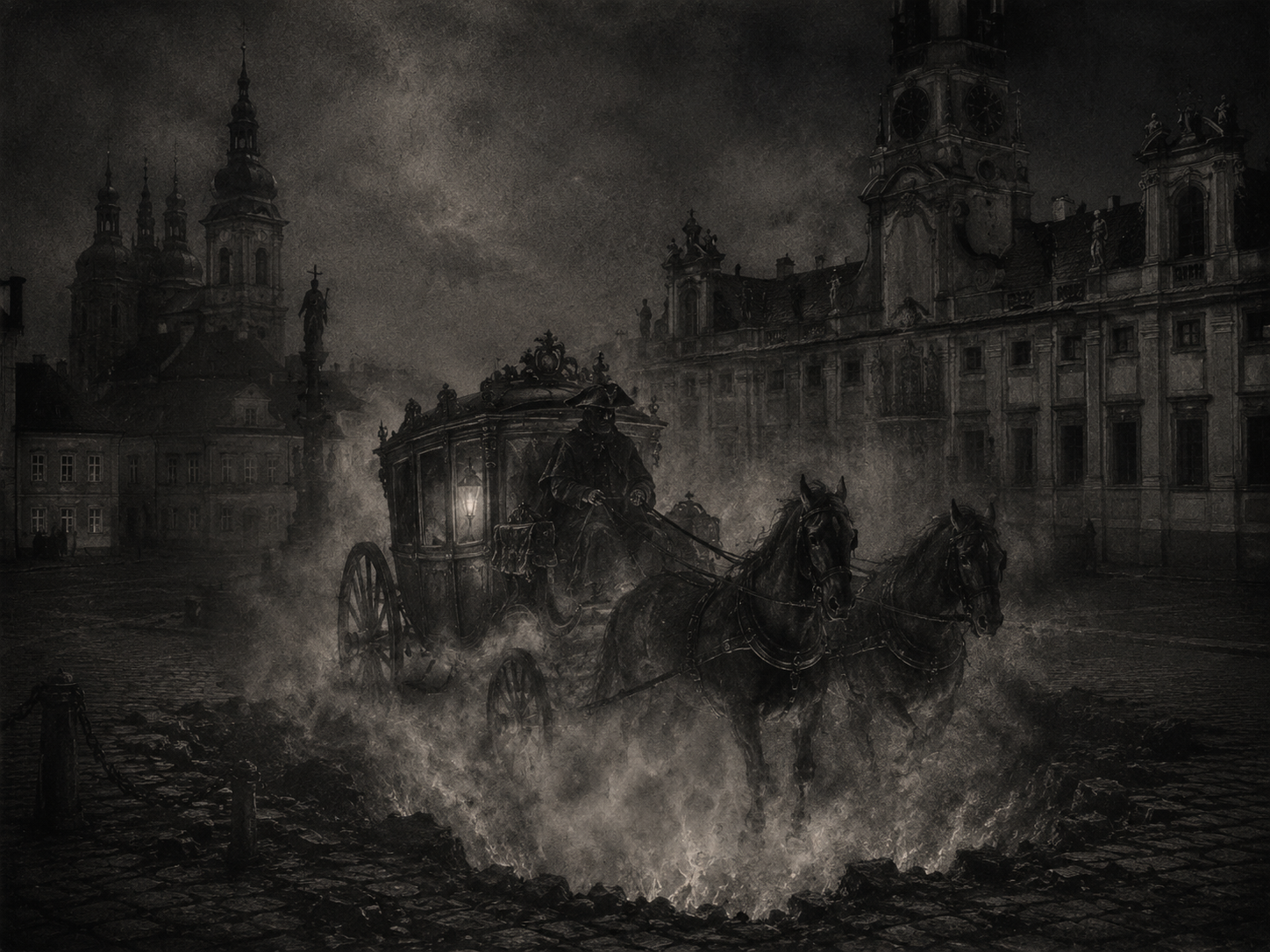
A Hradčany tradition turns the historical name Drahomíra into a supernatural moral figure: swallowed by the earth or hell with her carriage, then returning as a hellish procession. The biography and the legend must remain separate.
Legend Variants
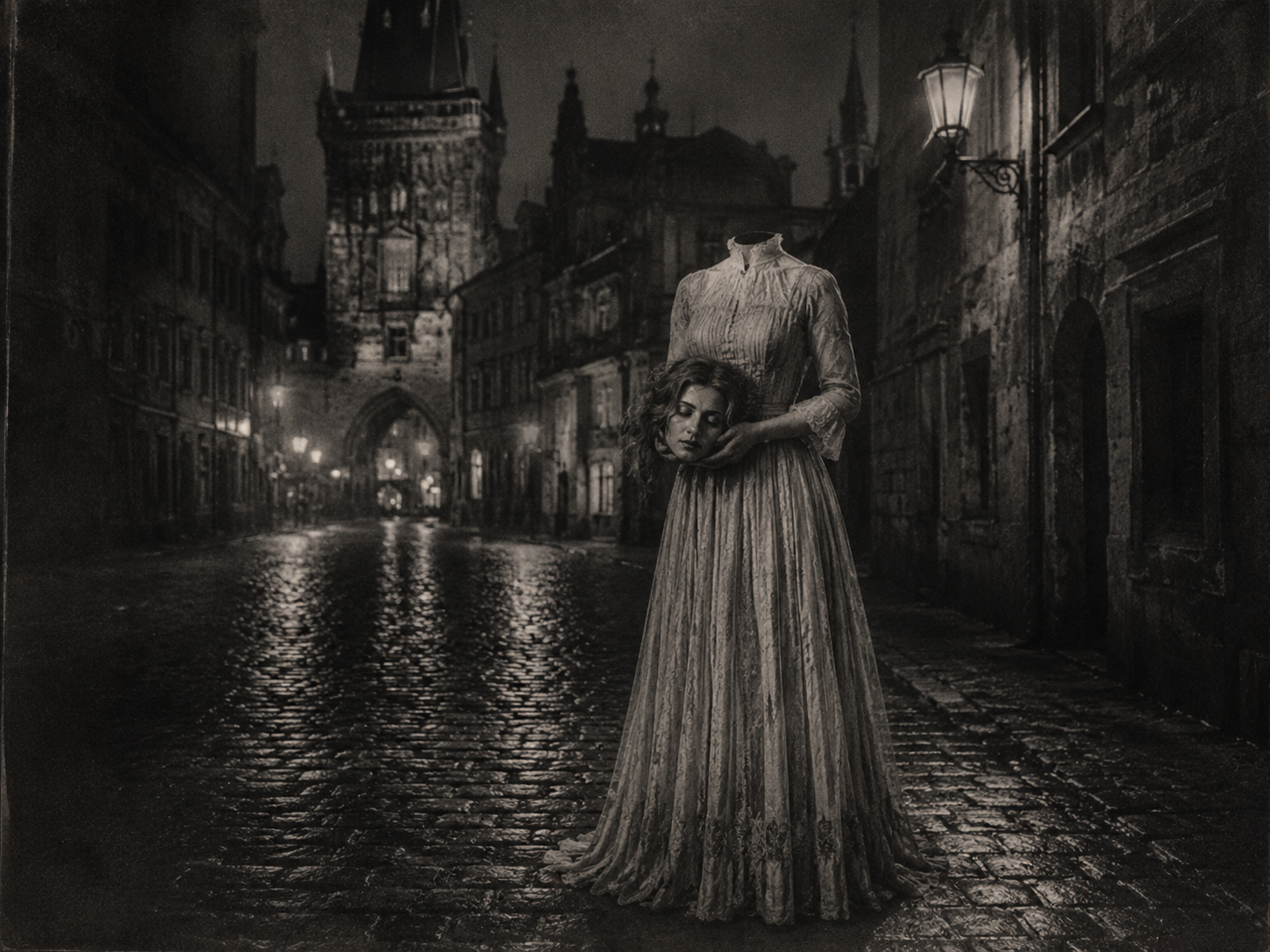
Václav Cibula preserves Krásná Laura as one of Prague’s memorable headless women, but later retellings disagree about her murderer, location and circumstances. The instability is not a problem to hide — it is the story.
Prague Stories · Czech Drinks
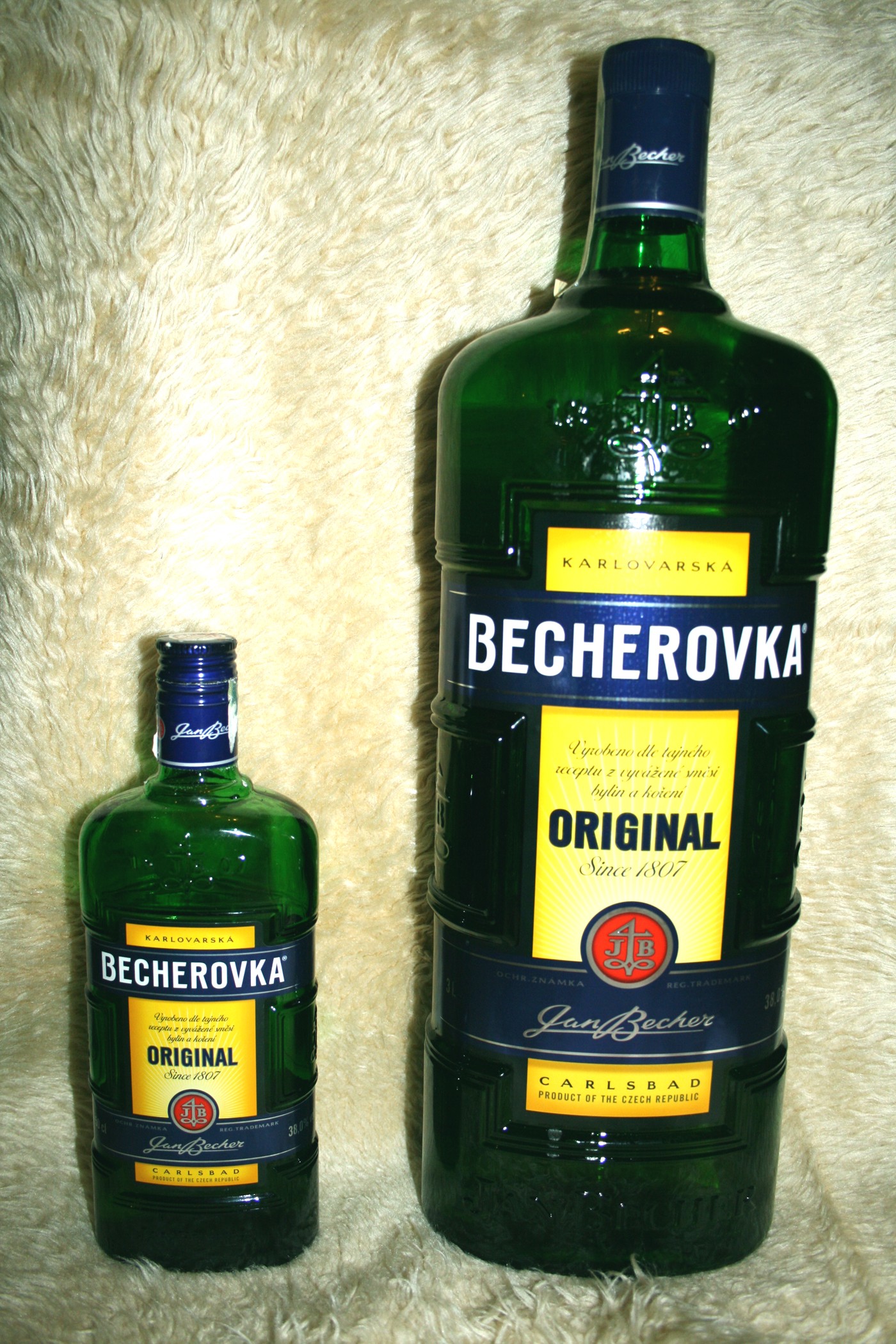
Becherovka belongs comfortably on a list of Czech drinks, but not Prague inventions. Its history begins in Karlovy Vary, where the herbal liqueur has been produced since the early nineteenth century.
Prague Stories · Czech Beer
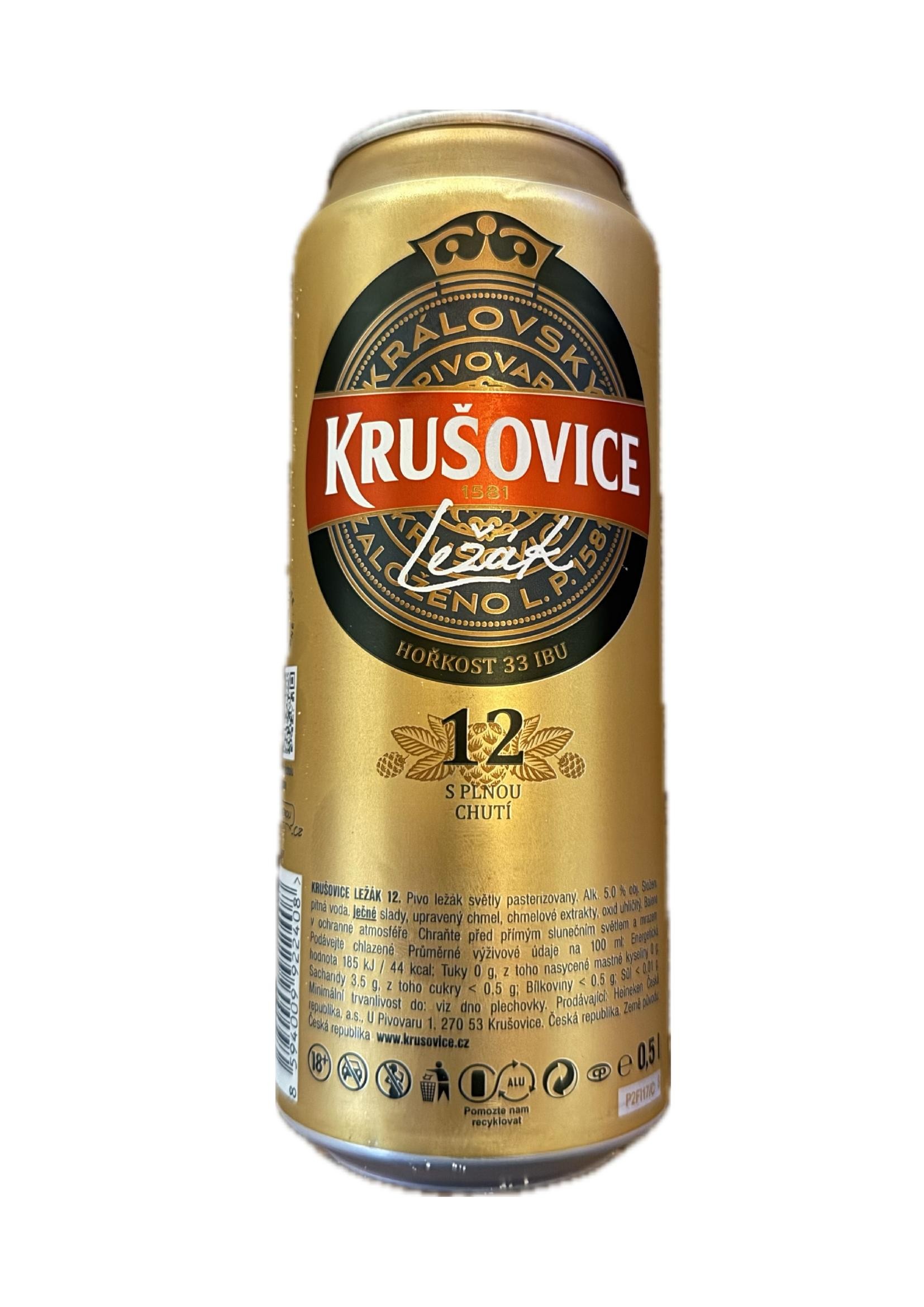
A 12° beer in Prague does not contain 12 percent alcohol. The number points back to the wort before fermentation, giving Czech drinkers a compact clue about the beer's original extract and traditional category.
Prague Stories · Planning
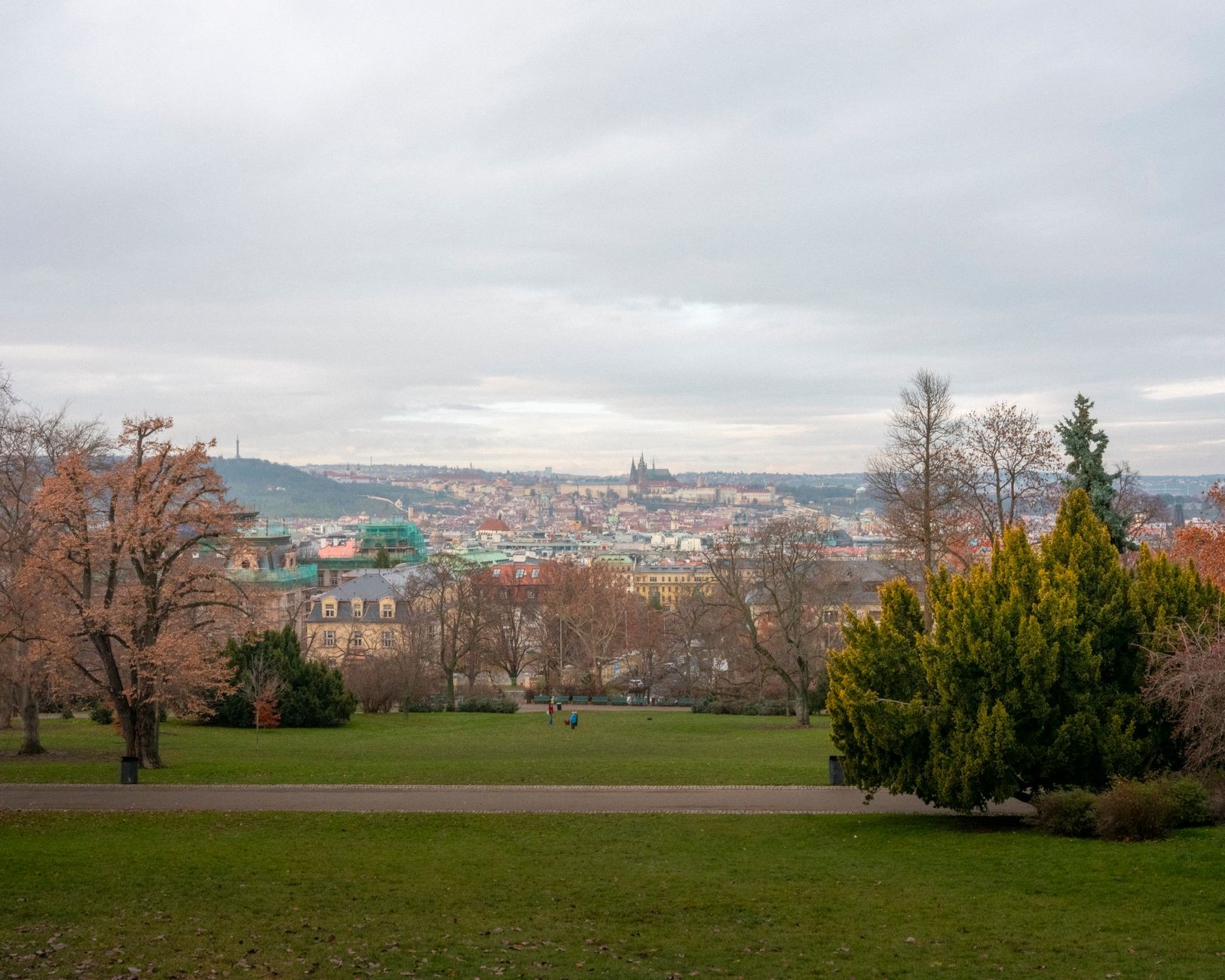
There is no secret month when Prague has perfect weather, empty streets and summer-length days. Spring, summer, autumn and winter each improve one part of the city while taking something away from another.
Prague Stories · Day trips
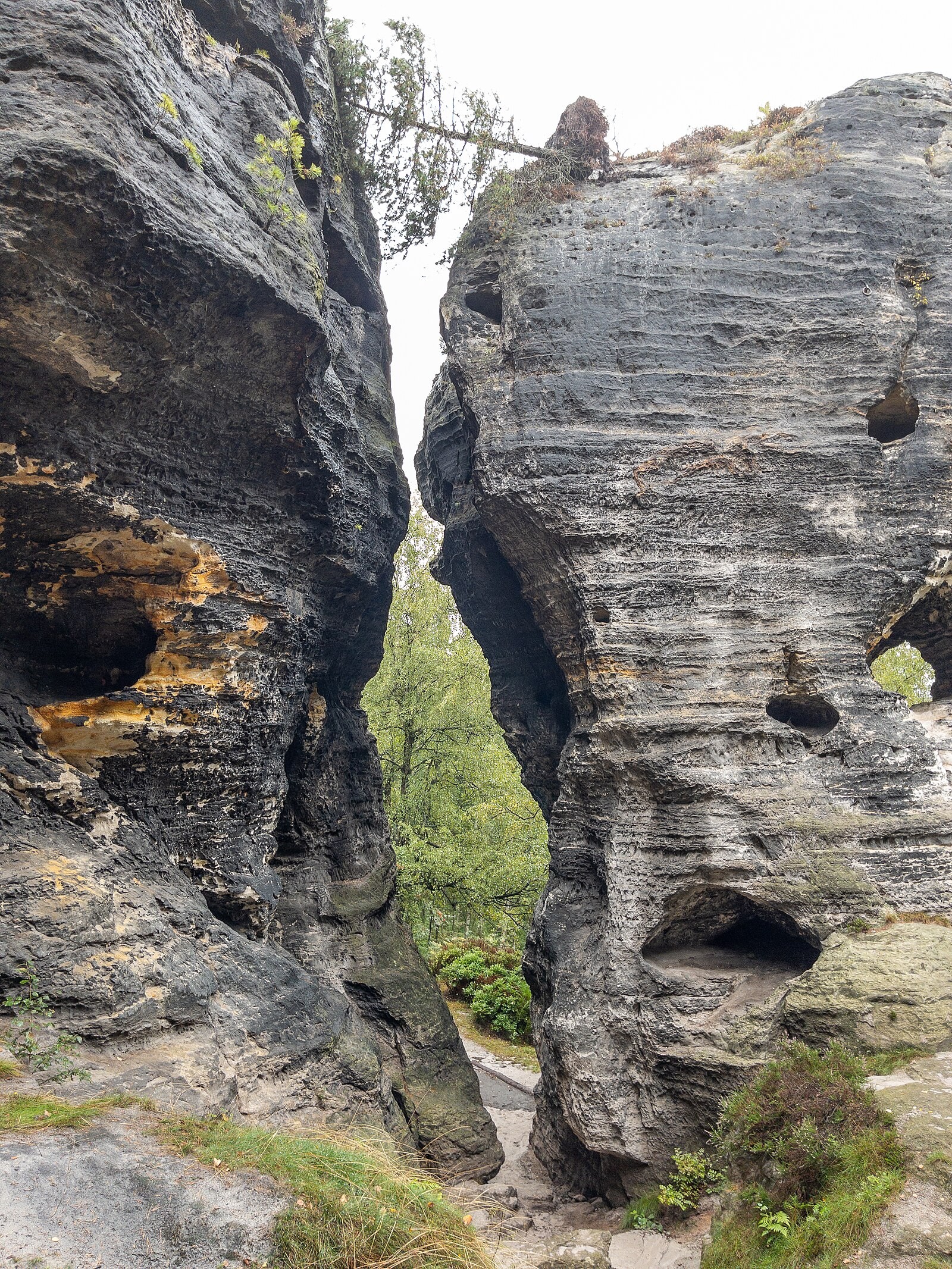
Bohemian Switzerland is not a Czech copy of Switzerland. It is a sandstone landscape on the German border, shaped into cliffs, ravines and rock towers — and a Prague day trip here succeeds only when the current trail map, not an old itinerary, sets the route.
Prague Stories · Czech Christmas
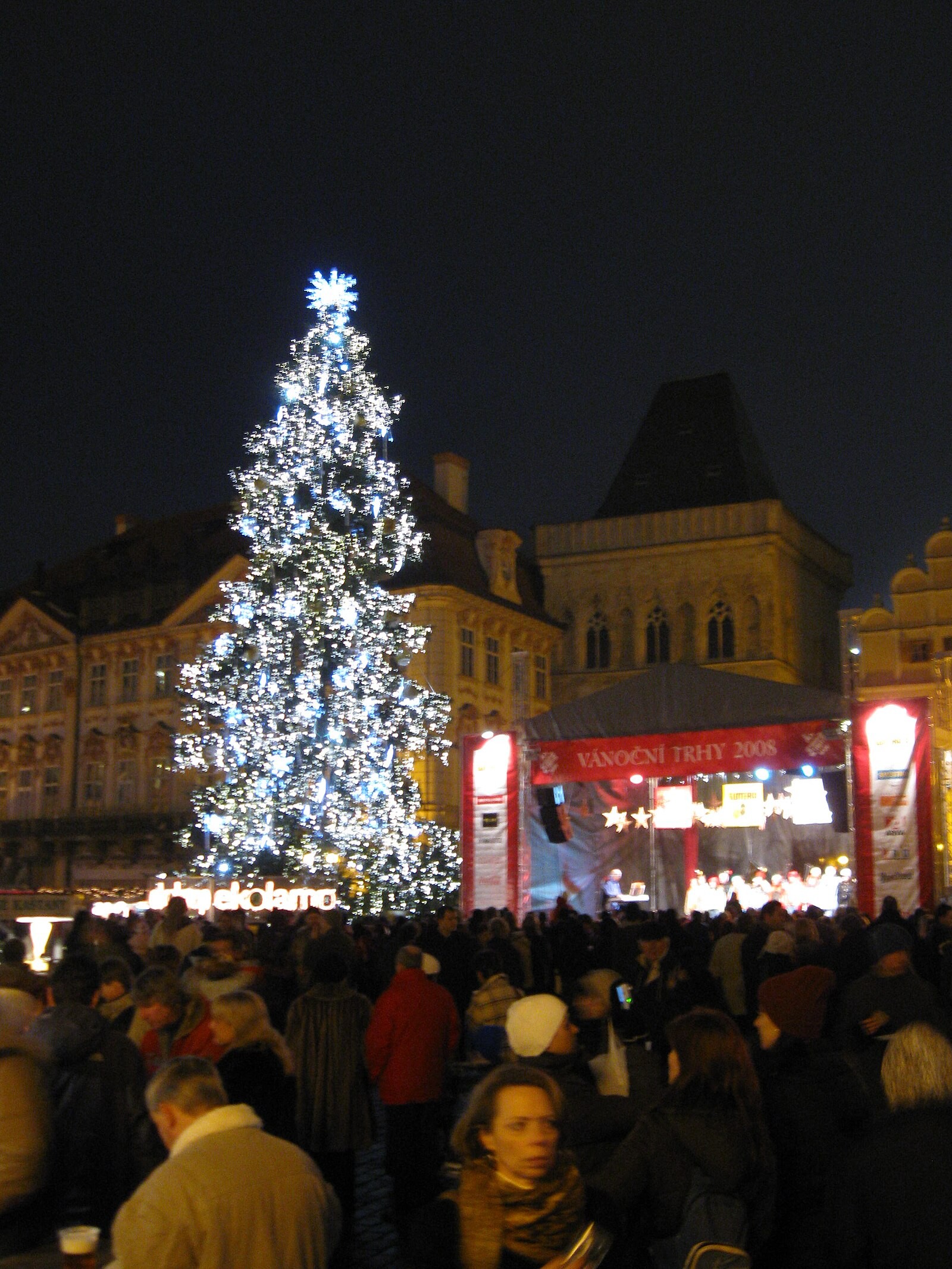
Prague's Christmas markets mix Czech festive habits with broader Central European winter culture and modern tourist products. The useful question is not whether every stall is uniquely Czech, but which details connect to local seasonal life.
Prague Stories · Czech Food
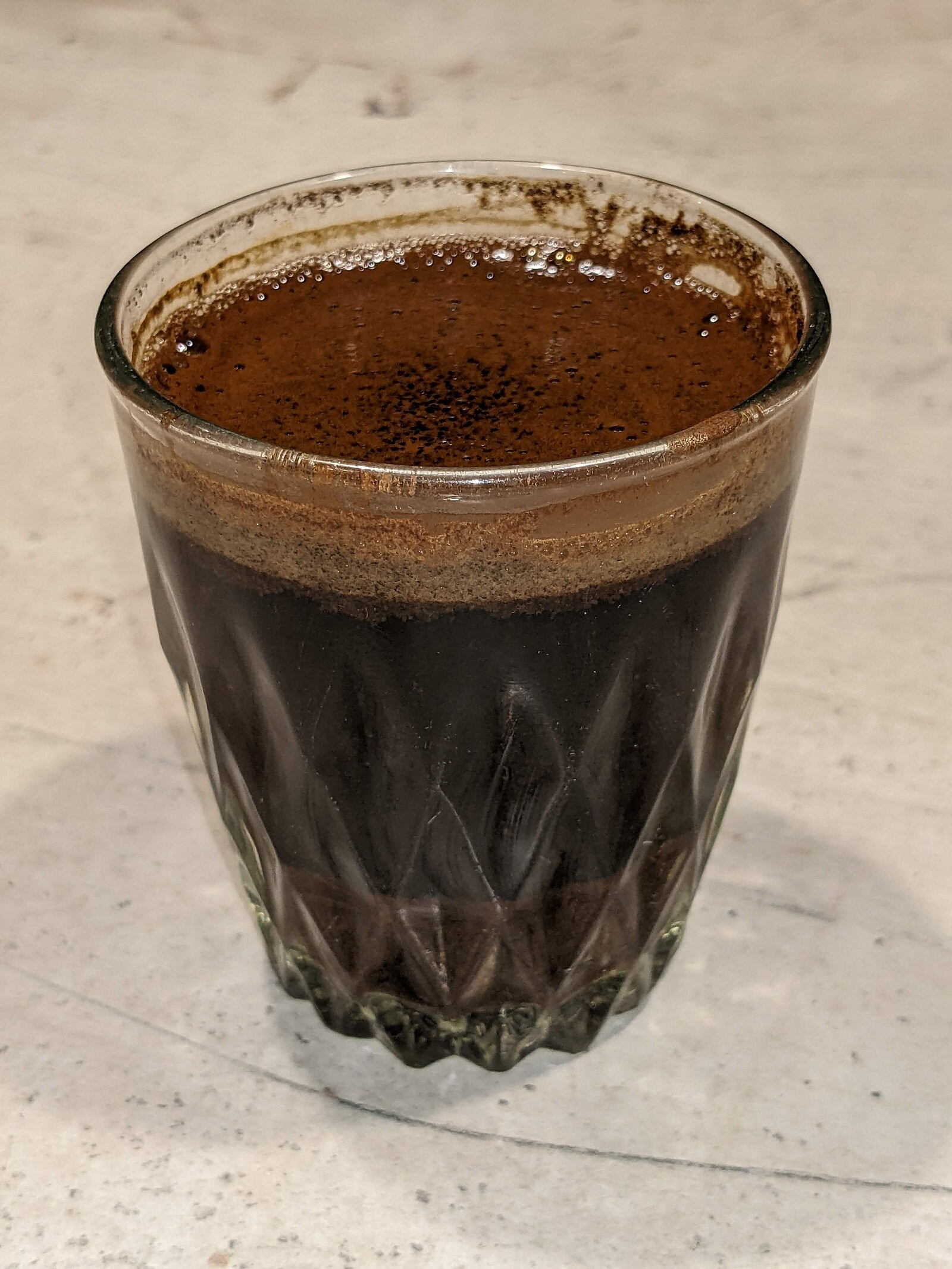
Ask for a Czech turek and you may get finely ground coffee placed directly in a cup and flooded with hot water. Despite the name, that is not the cezve-brewed Turkish coffee recognized by UNESCO.
Prague Stories · Czech Food
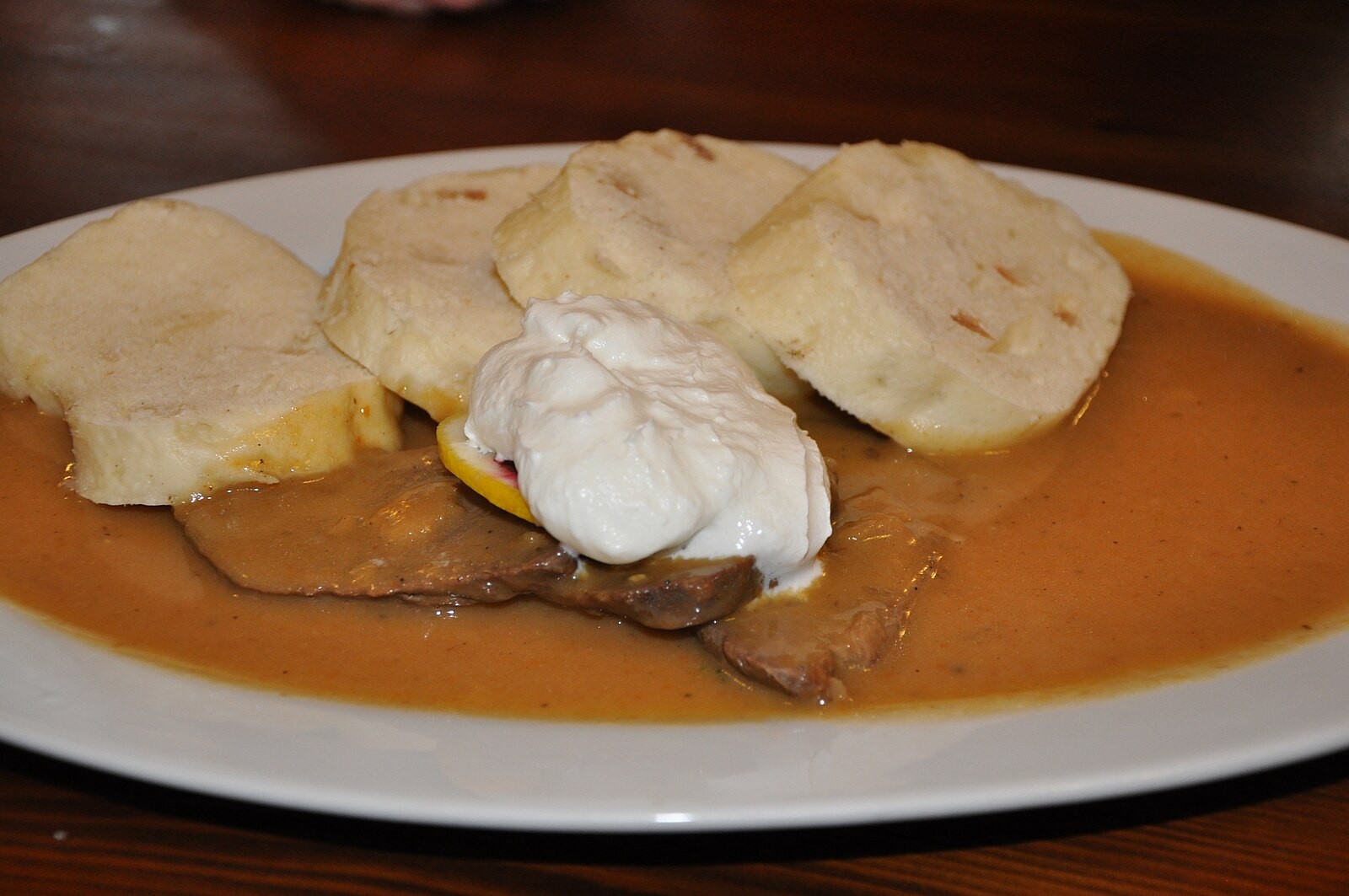
In Czech cooking, knedlíky can mean sliced bread or potato dumplings built to carry sauce, not only stuffed parcels. Once you understand their job on the plate, half the classic Prague menu becomes easier to read.
Prague Stories · Czech Food
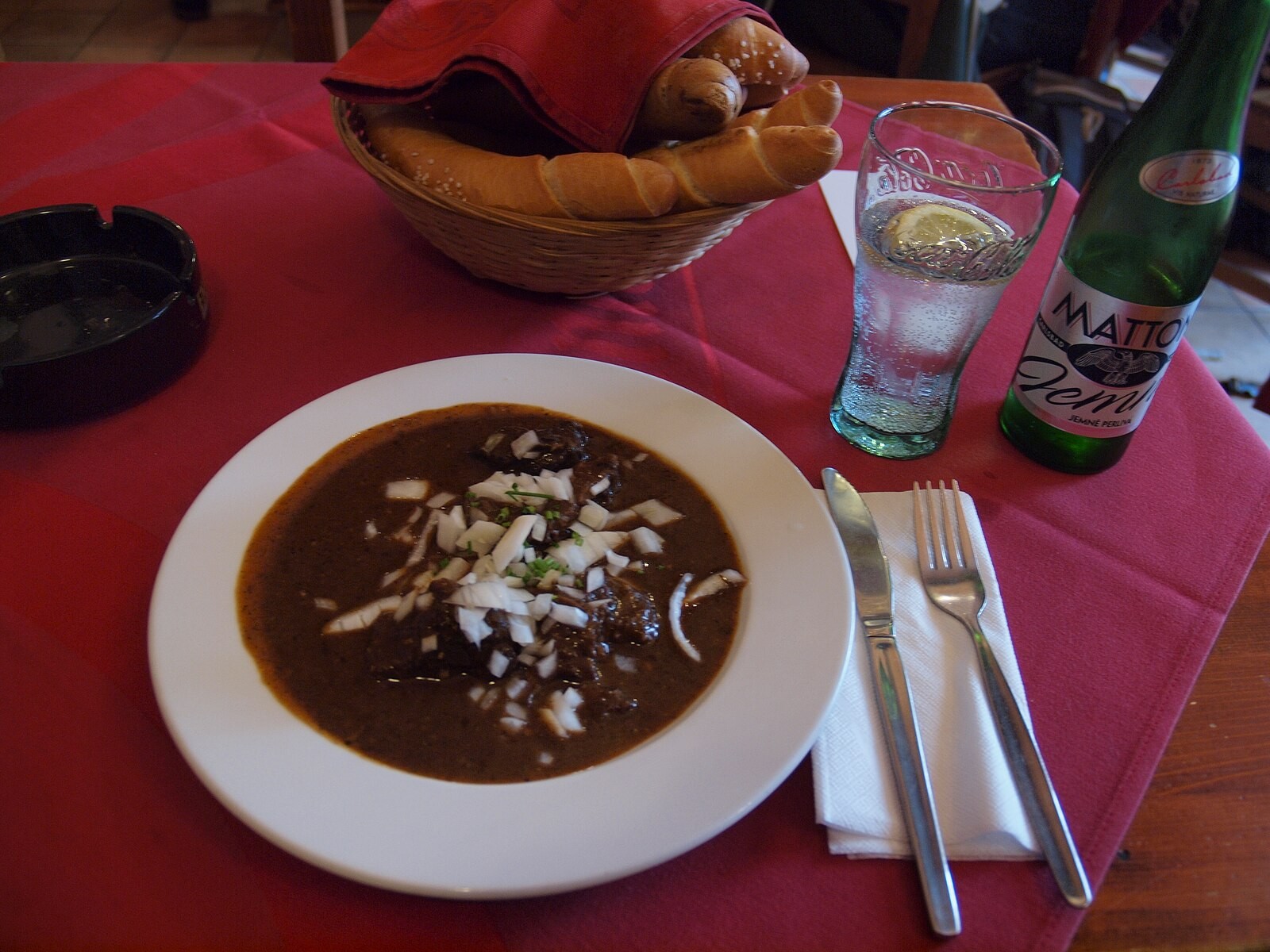
The names are relatives, not identical plates. Hungarian gulyás is classically a soup; the guláš you meet in a Prague pub is often a thicker, sauce-rich beef dish served with dumplings.
Prague Stories · Practical Culture
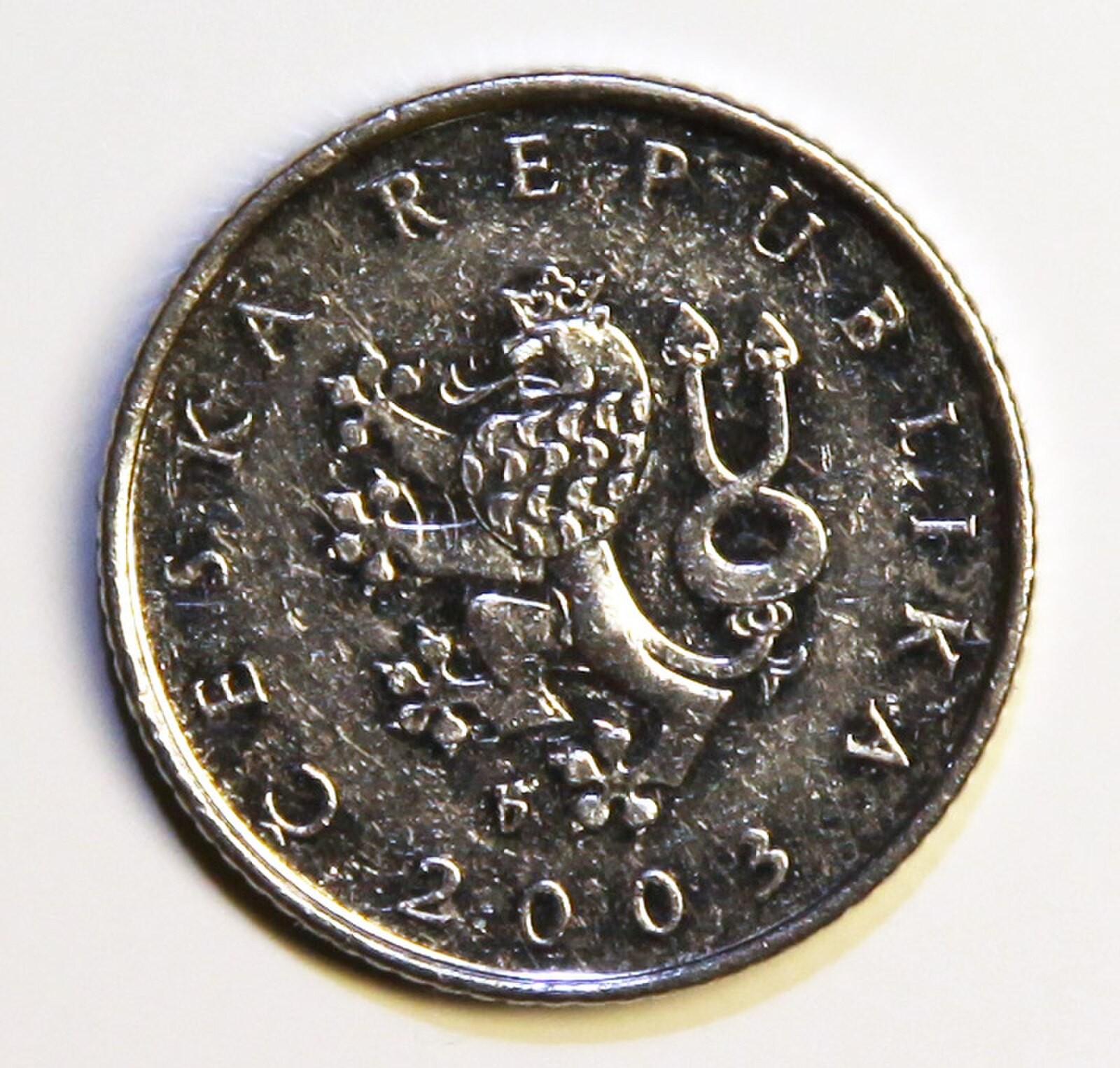
Czechia has been in the European Union since 2004, but it is not in the euro area. Prague's official currency is therefore the Czech koruna — CZK — and that distinction matters every time a visitor sees a price.
Prague Stories · Czech Beer
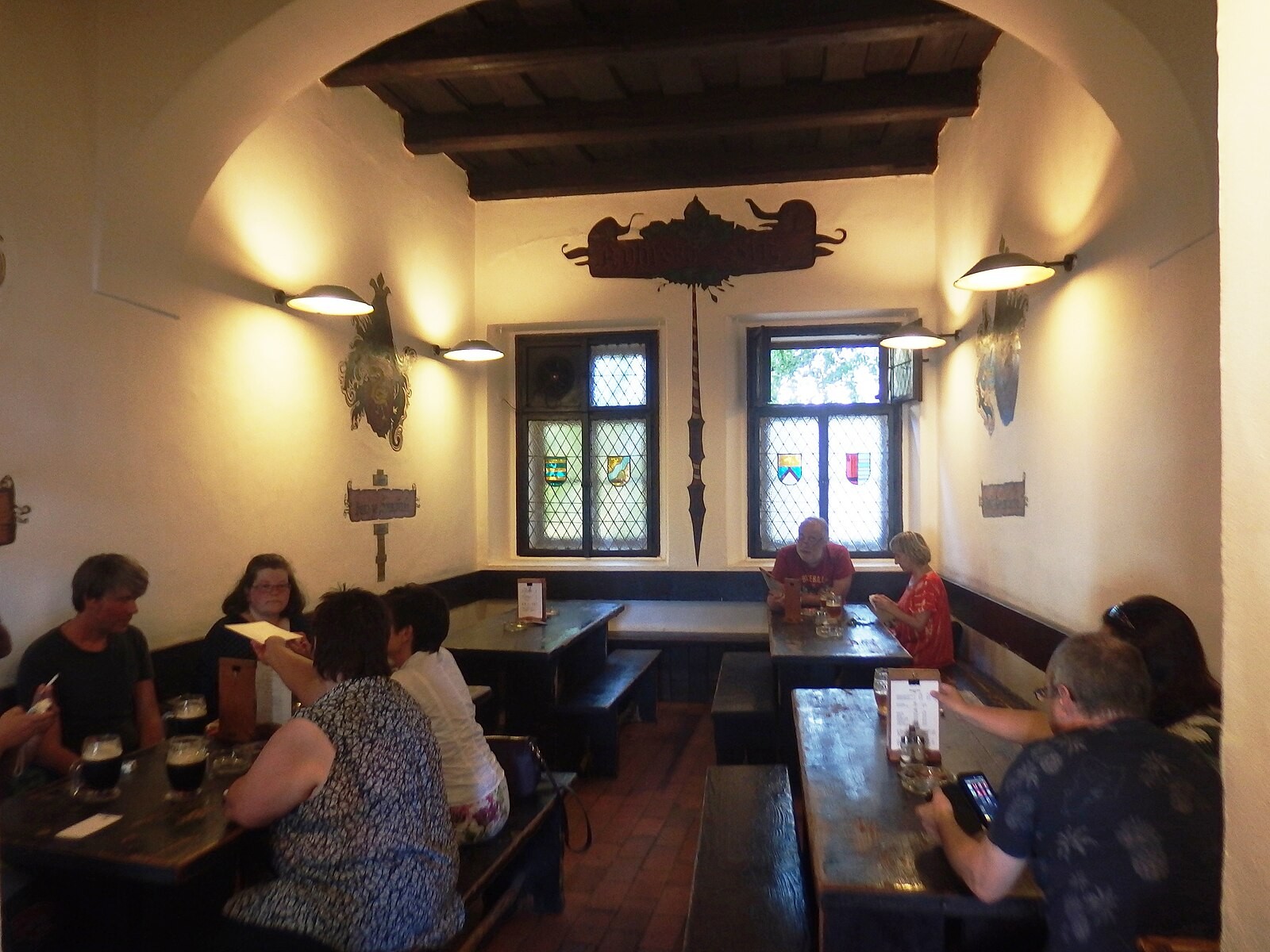
A hospoda is part pub, part dining room, part neighbourhood meeting place — and the unwritten rules are softer than tourist folklore suggests. Watch how the room works before assuming every Czech pub follows the same ritual.
Prague Stories · Czech Food
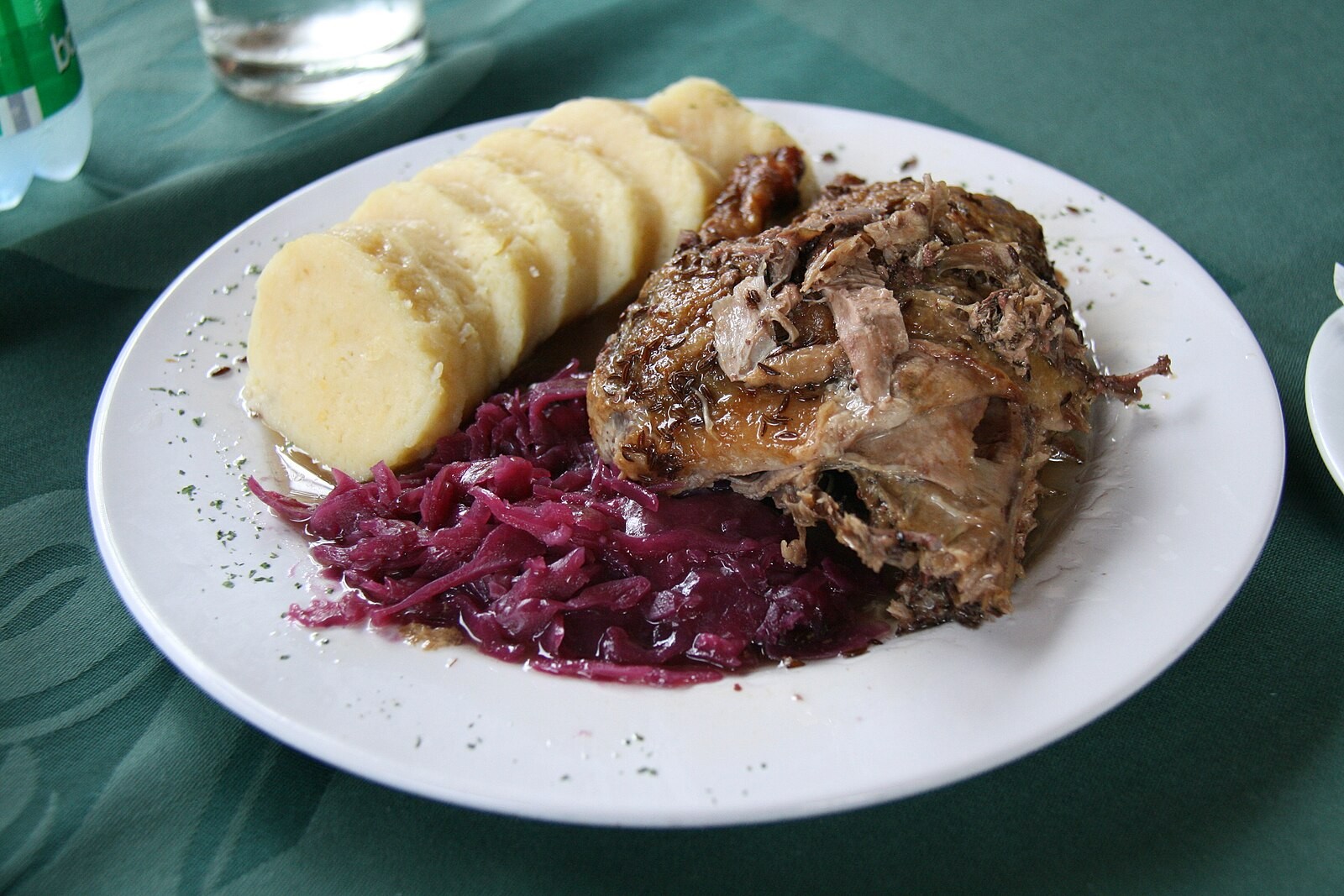
Roast duck is rich by design. Czech accompaniments — dumplings, cabbage and pan juices — are not there to crowd the plate; they are the mechanism that keeps each fatty, crisp bite worth taking.
Prague Stories · Day trips
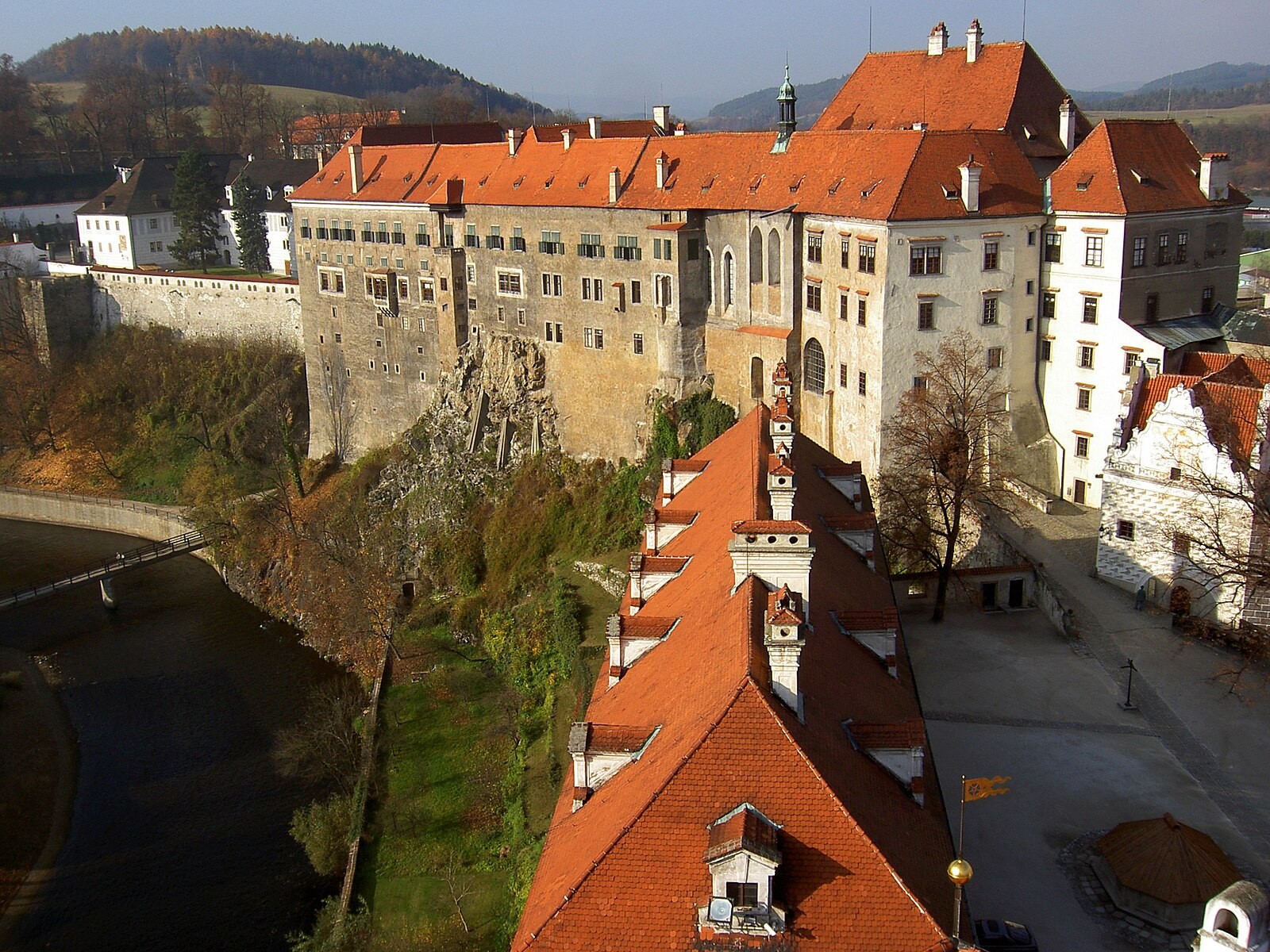
Český Krumlov earns its reputation with a castle, a river-bent medieval town and an unusually intact historic landscape. The harder question is whether six-ish hours of same-day travel belongs in your Prague itinerary.
Prague Stories · Day trips
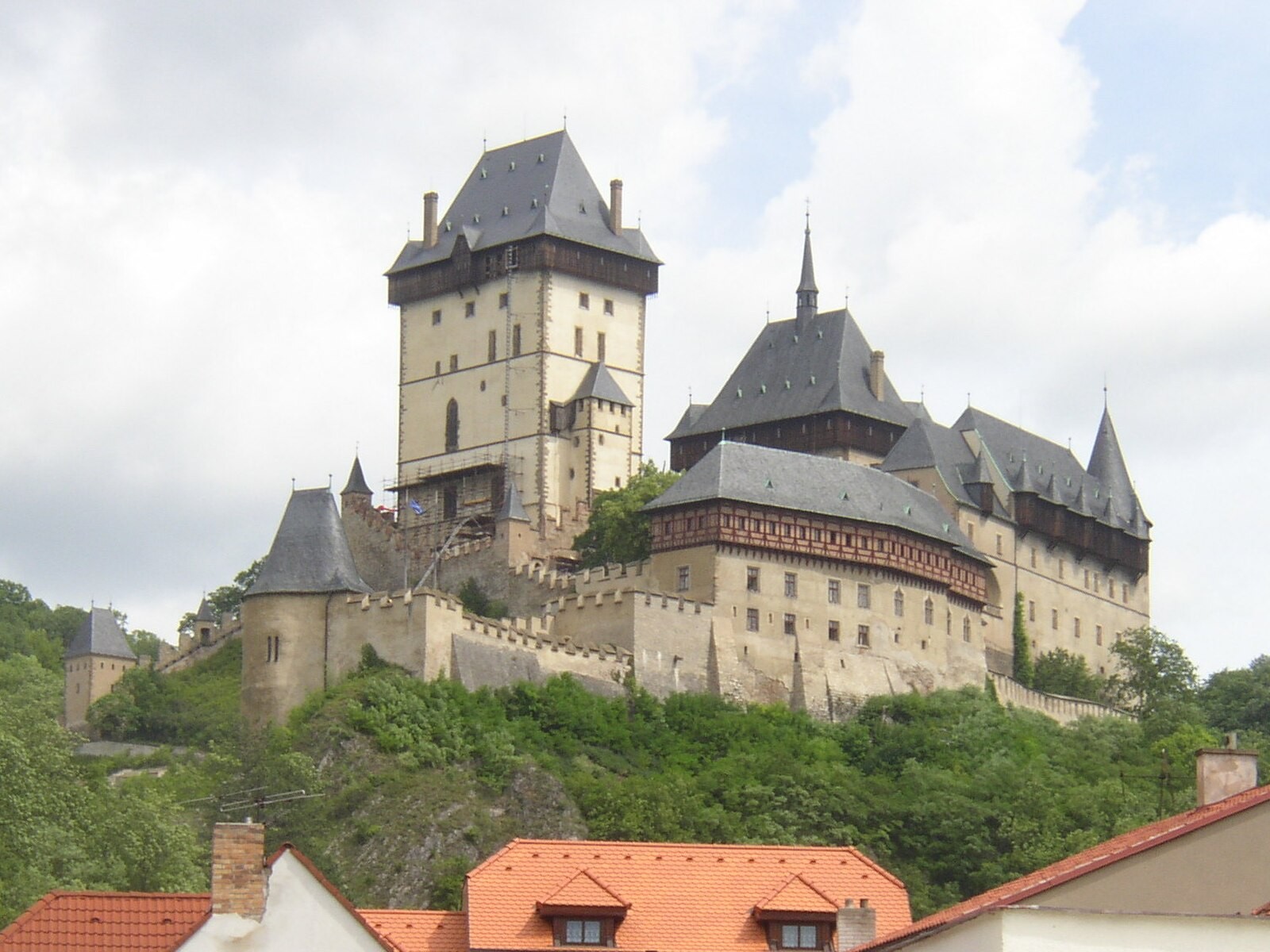
Karlštejn was never meant to be another Prague Castle. Charles IV founded it in 1348 as a private royal residence and a place connected with treasures, relics and the Imperial Crown Jewels — which explains both its architecture and its aura.
Prague Stories · Day trips
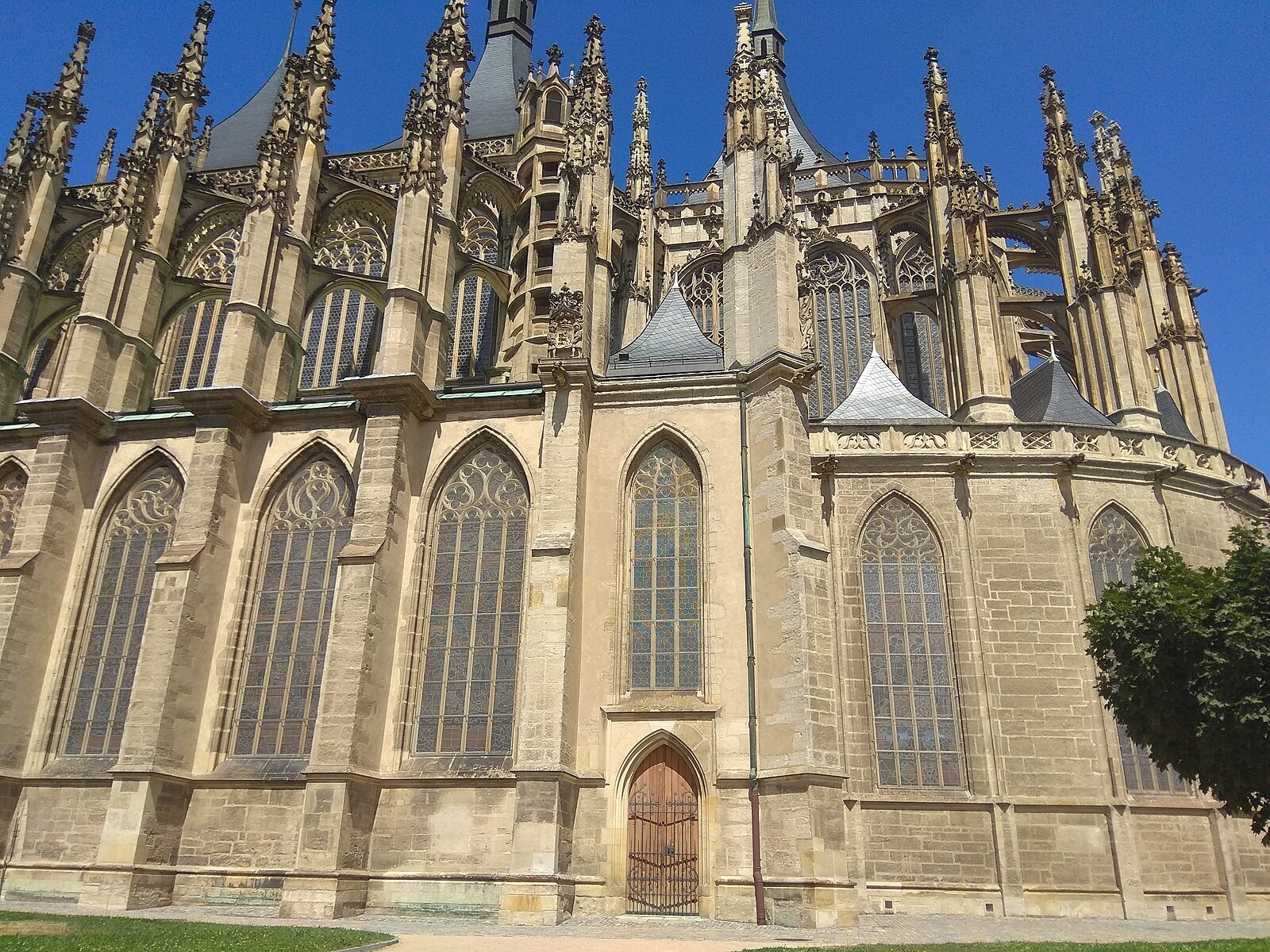
Sedlec Ossuary gets the photographs, but Kutná Hora became important for a less macabre reason: silver. A good day trip follows that money through a medieval royal city, then lets the Bone Church sit in its proper context.
Prague Stories · Day trips
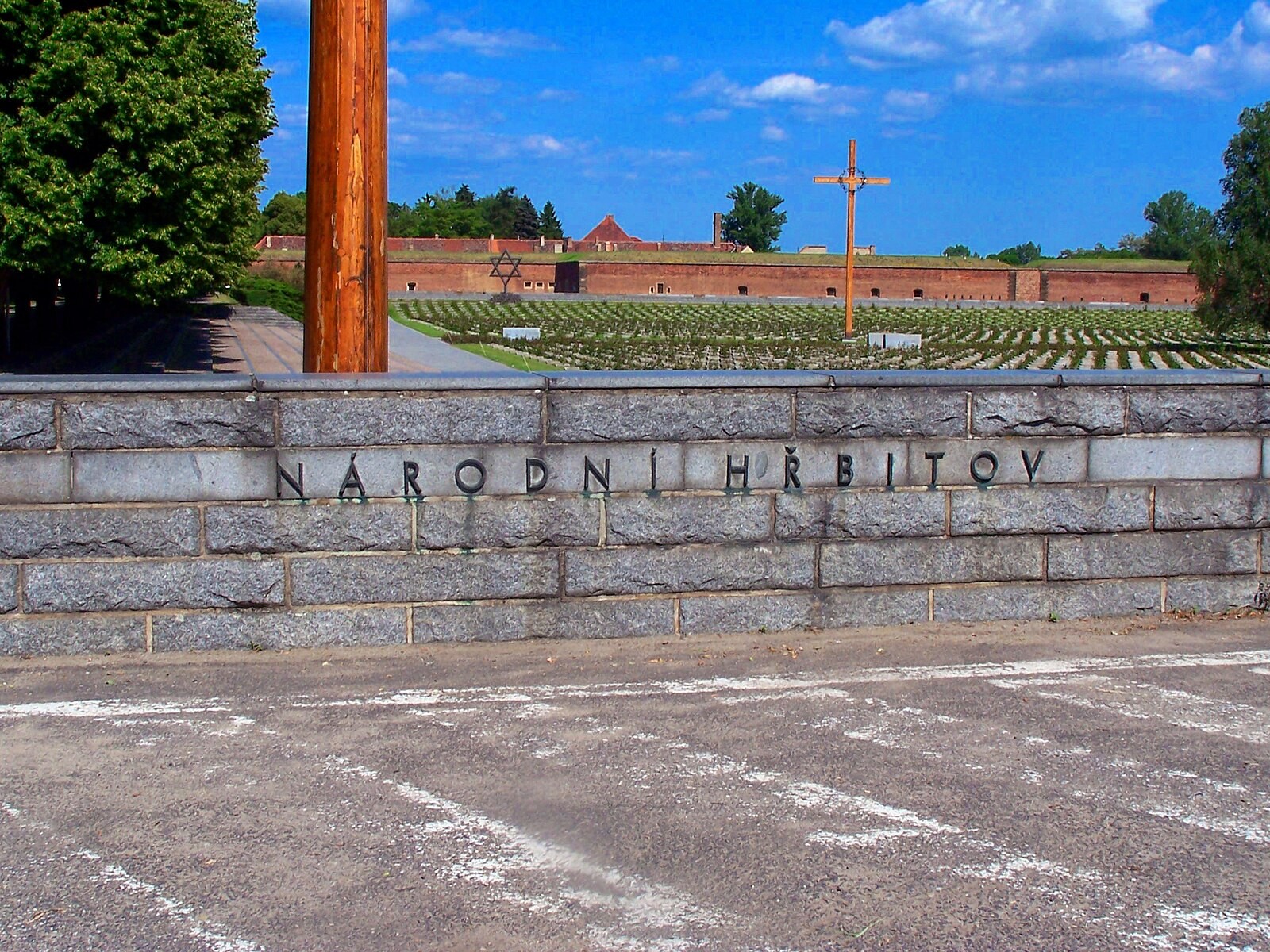
Terezín was not one single camp with one function. The Nazi-controlled town contained a Jewish ghetto in the Main Fortress, while the nearby Small Fortress served as a Gestapo prison; understanding that distinction is the starting point for any responsible visit.
Prague Stories · Czech Food
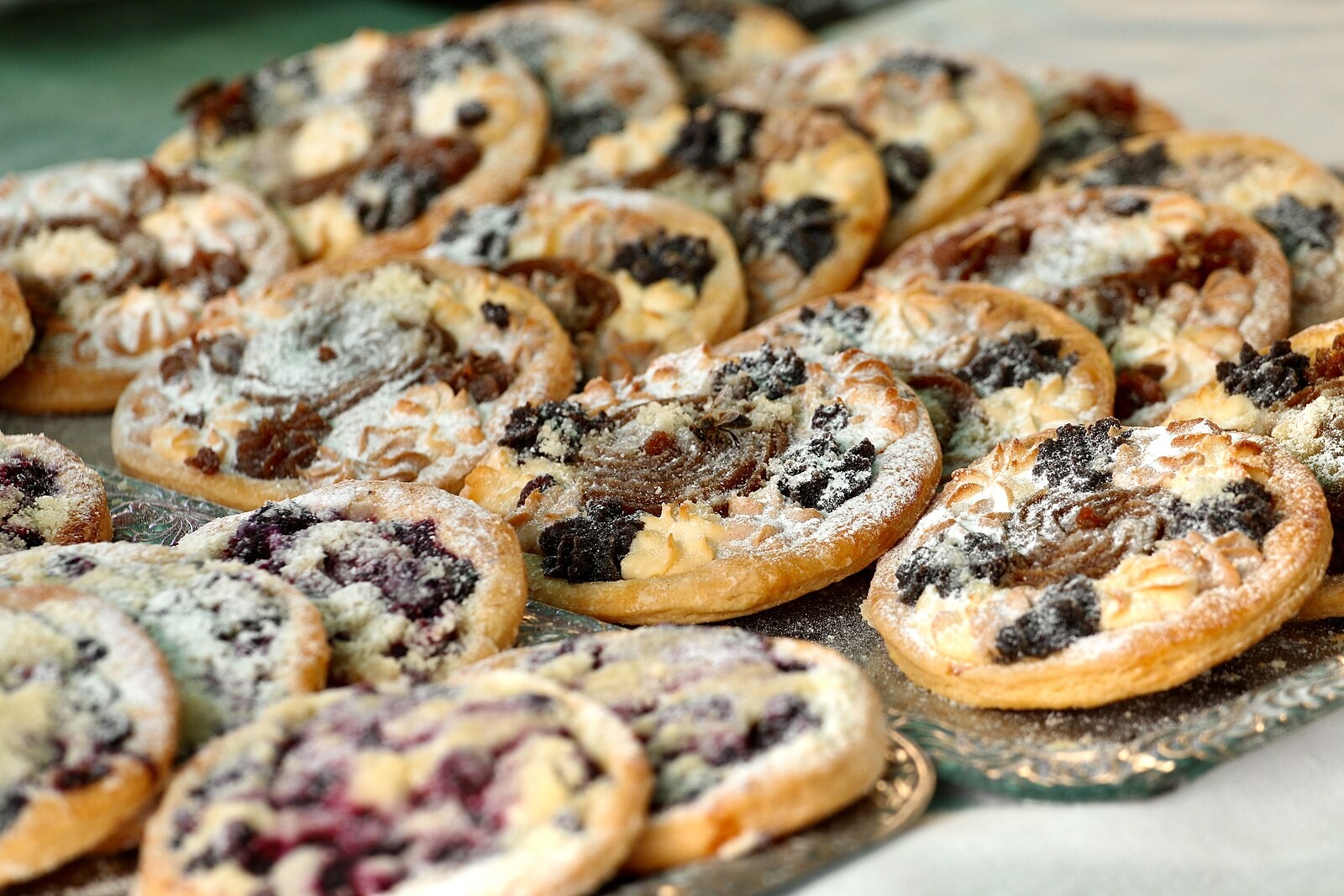
Ask for a koláč and you are naming a family, not a rigid shape. Czech bakeries use the idea across sizes, patterns and regional styles, with fillings such as poppy seed, tvaroh and plum carrying much of the identity.
Prague Stories · Czech Christmas
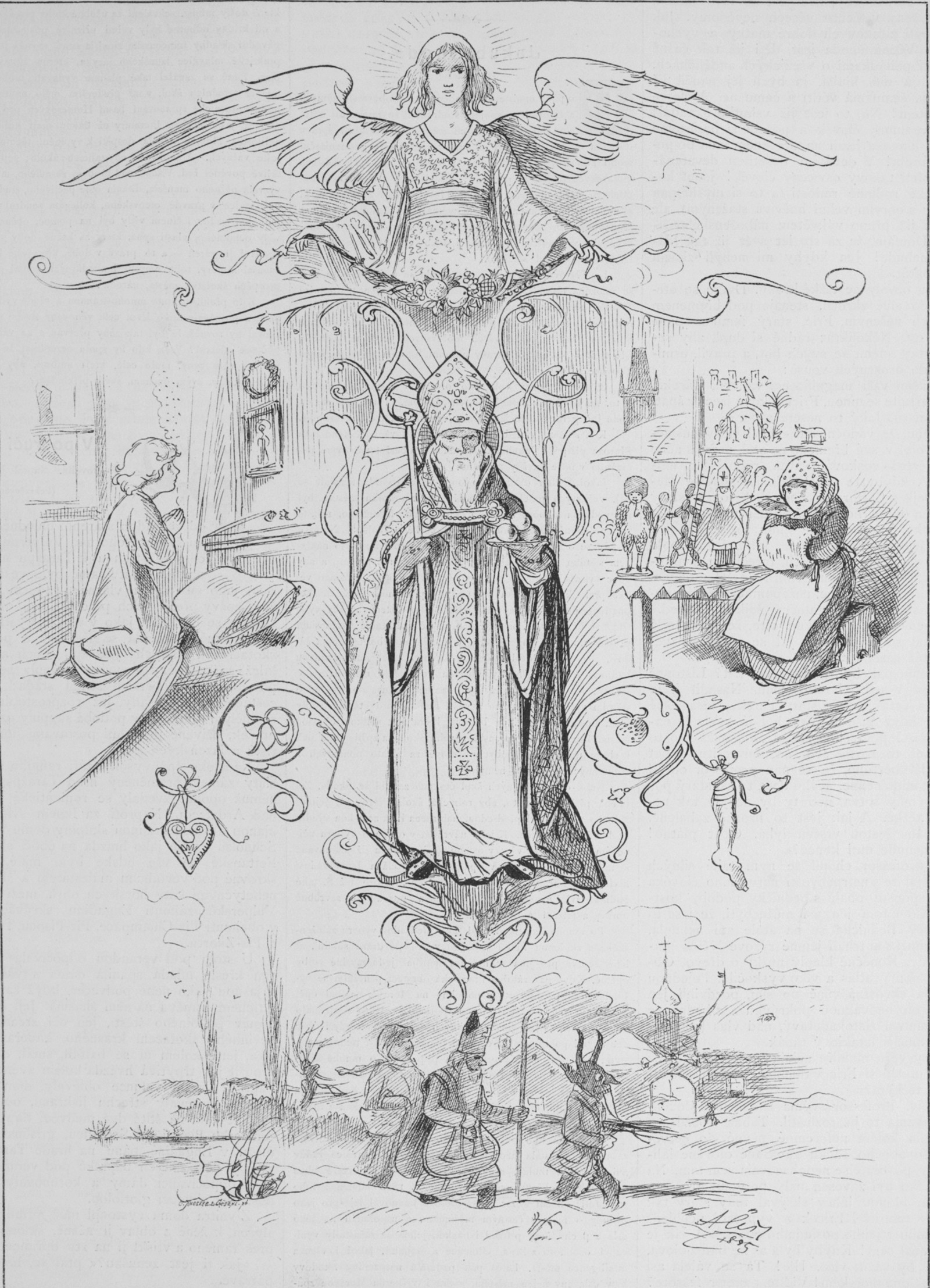
On the evening of December 5, Czech Mikuláš tradition sends a strange trio into streets and homes: St Nicholas, an angel and a devil. The costumes are theatrical, but the ritual is built around children, recitation and reward.
Prague Stories · Itinerary
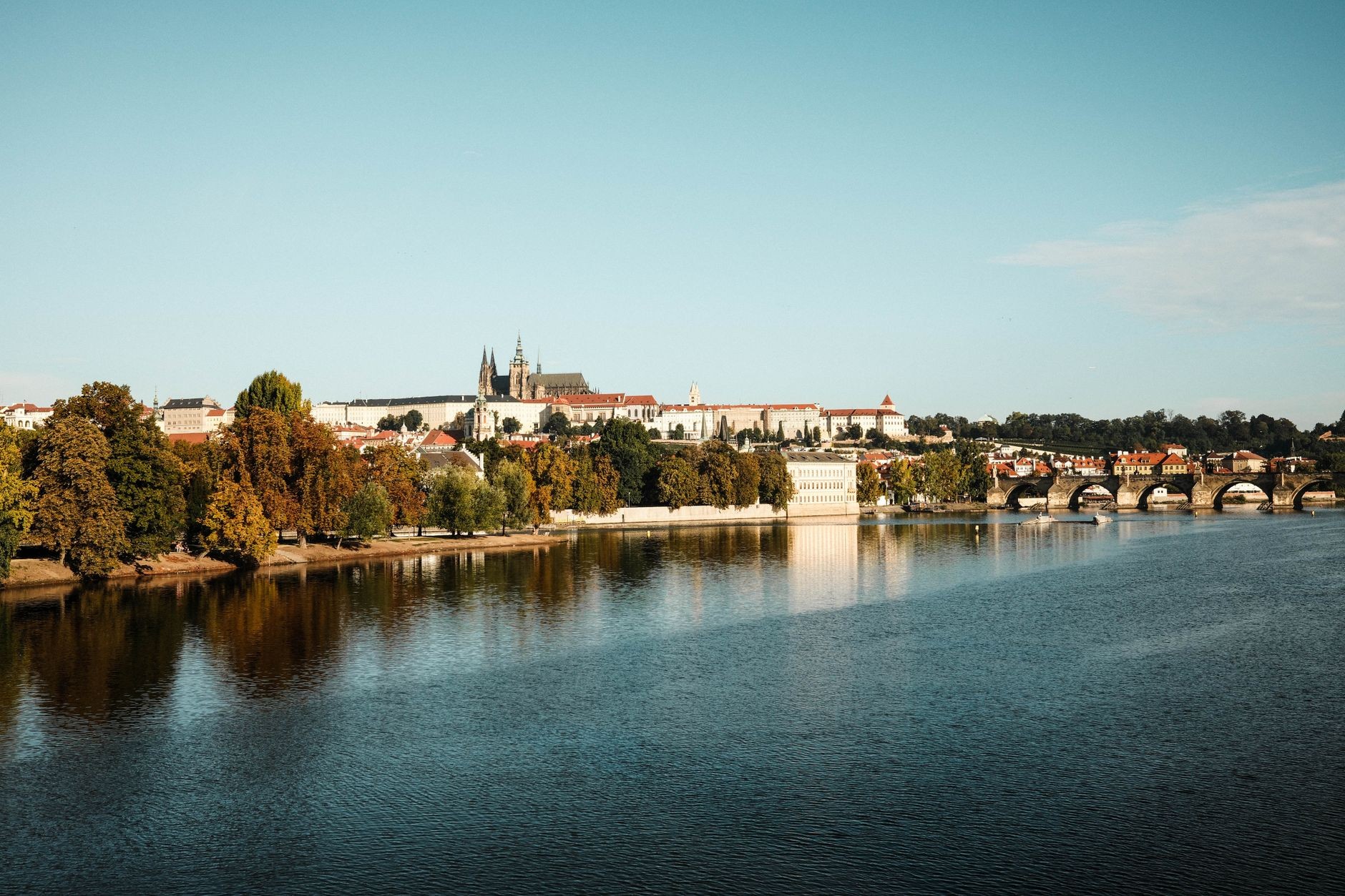
One day can deliver Prague’s central visual story, but only if you stop pretending it is a miniature three-day trip. Choose one continuous route, one major interior, and an evening that does not require crossing the city again.
Prague Stories · Visitor Myths
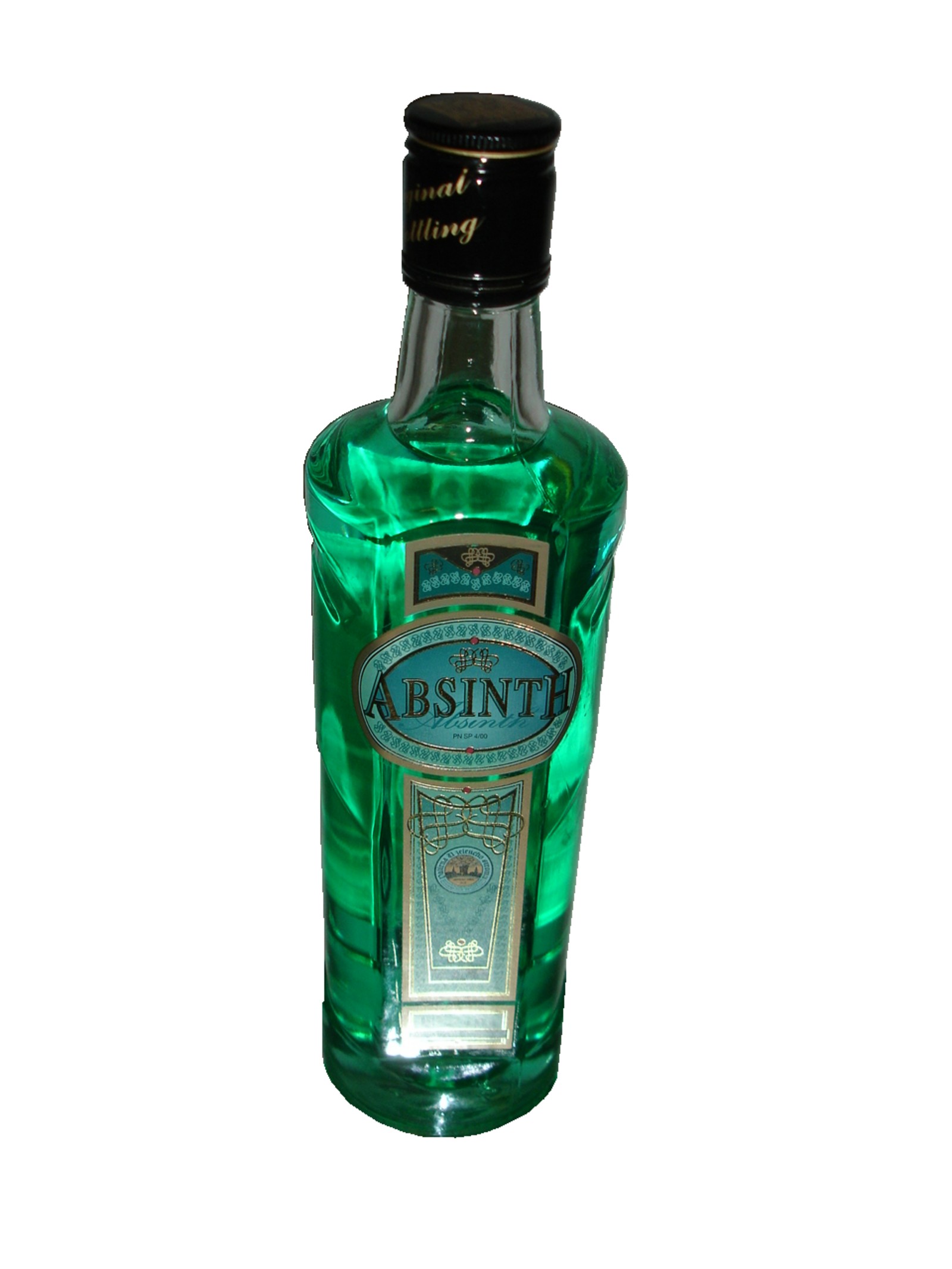
Absinthe is real, legal and genuinely connected to modern Czech drinks history — but Prague's image as an ancient absinthe capital is largely a post-1989 story. The flames are newer still.
Prague Stories · Practical
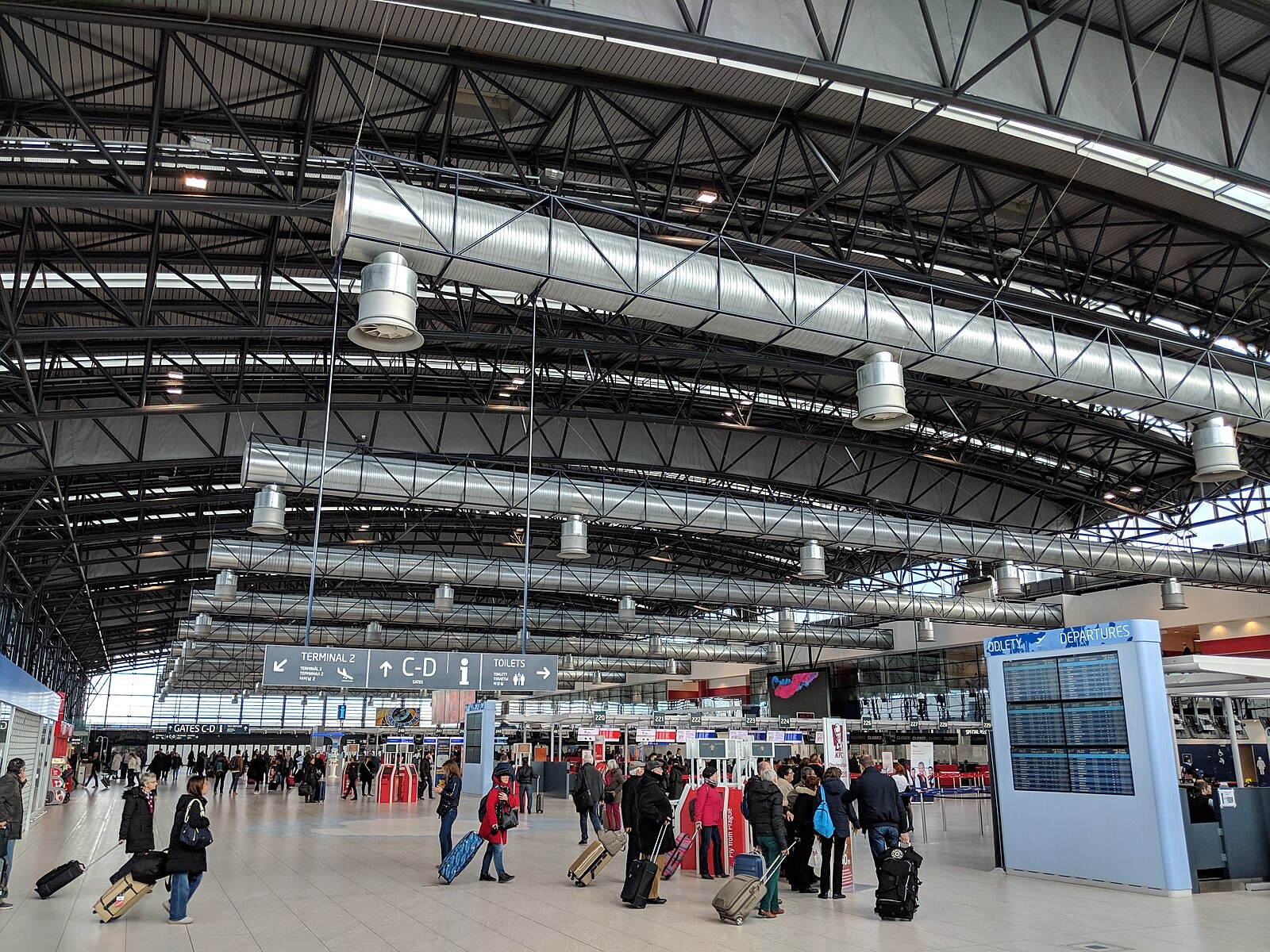
There is no single ‘best’ airport transfer in Prague. Public transport is usually the value choice, Airport Express suits some railway-station journeys, and a car becomes more attractive when luggage, mobility, children or a late arrival matter more than price.
Prague Stories · Nightlife
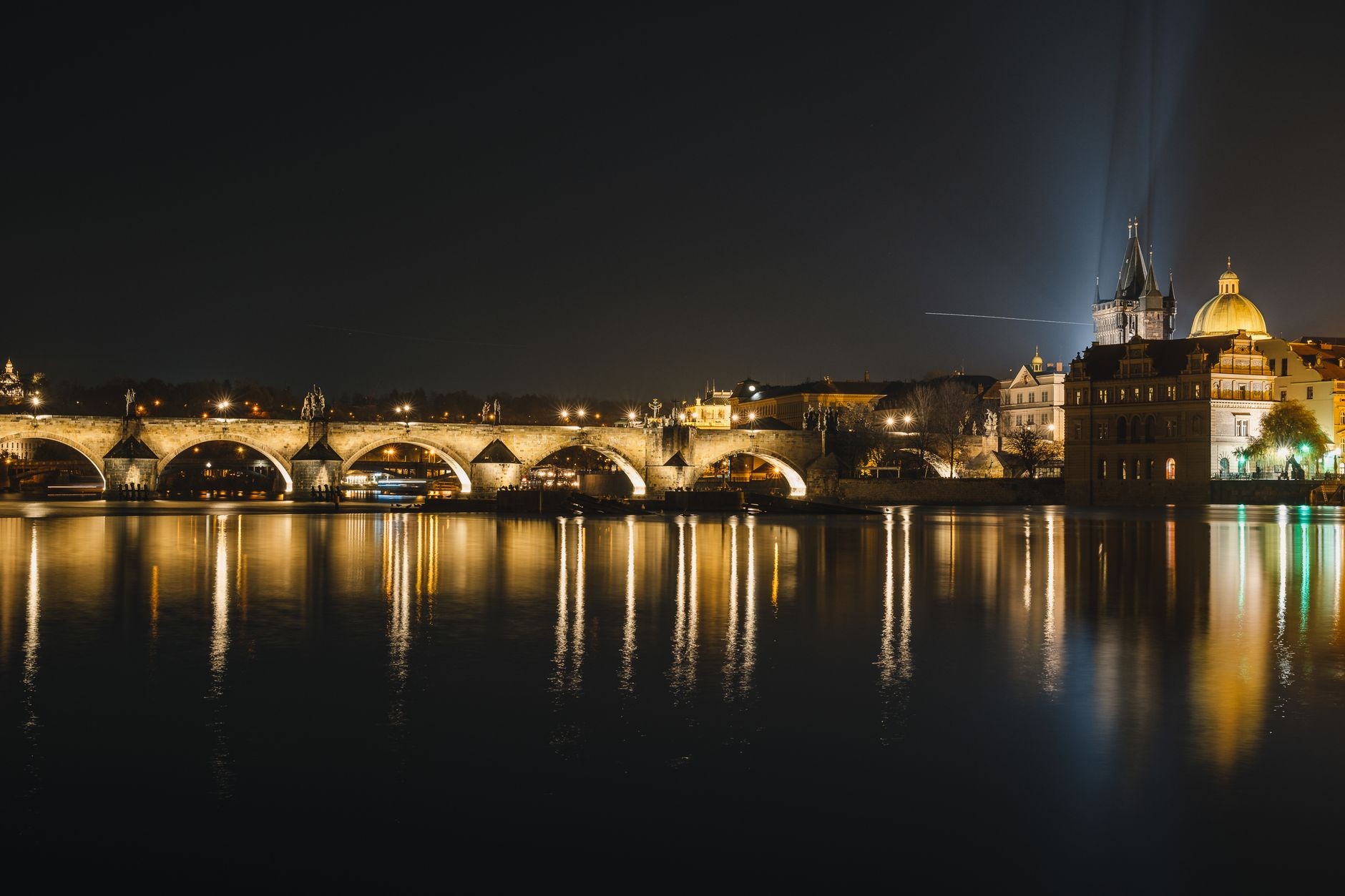
Prague after dark is less a list of venues than a change of scale. The monuments stay put, but crowds thin unevenly, the river begins reflecting the city back at itself, and streets that felt like transit routes at four in the afternoon can become the evening’s main event.
Prague Stories · Czech Christmas
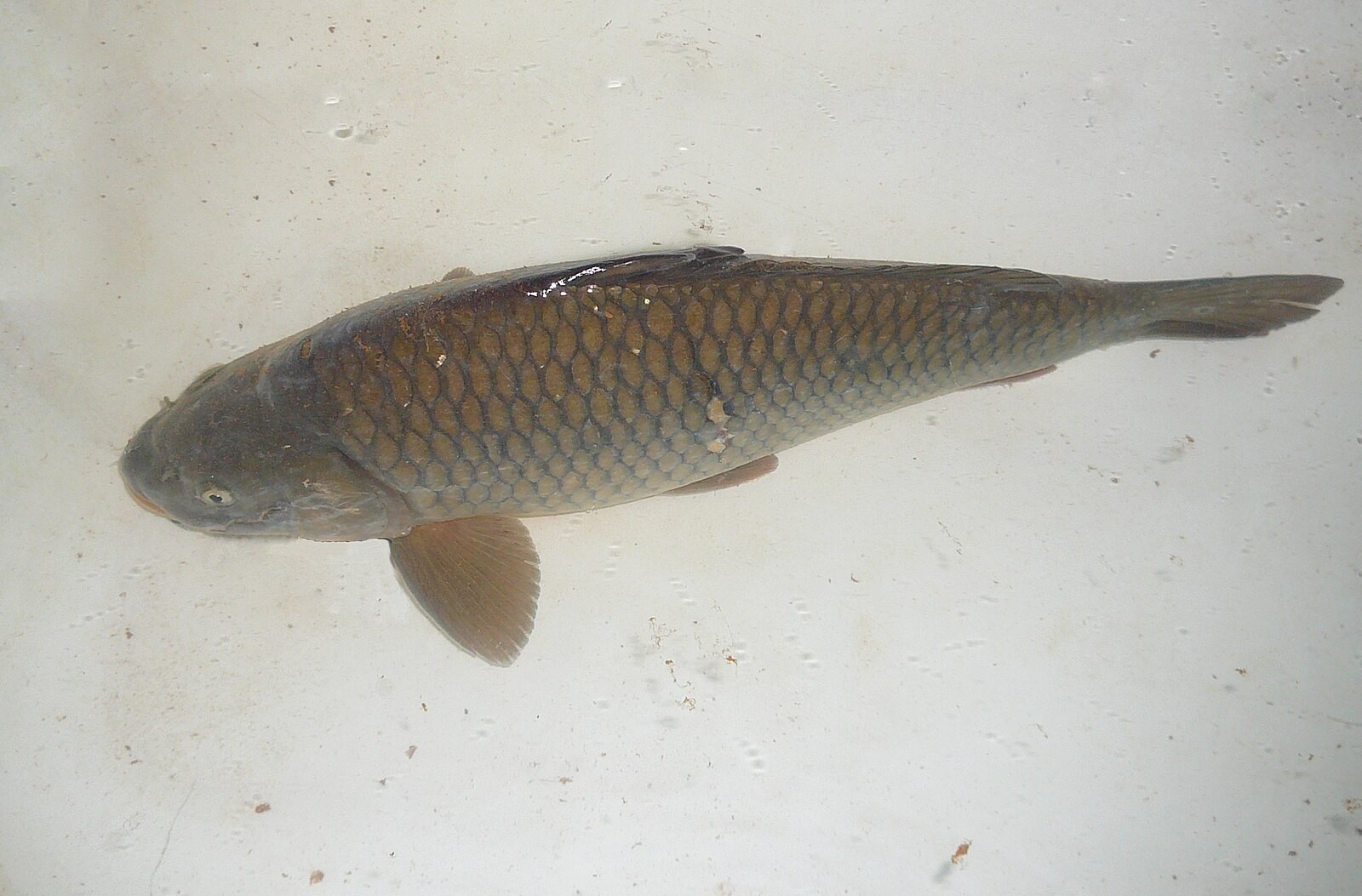
Fried carp with potato salad became one of the defining Czech Christmas Eve meals, and the famous bathtub story grew from a very practical custom: families once brought live carp home before dinner.
Prague Stories · Budget
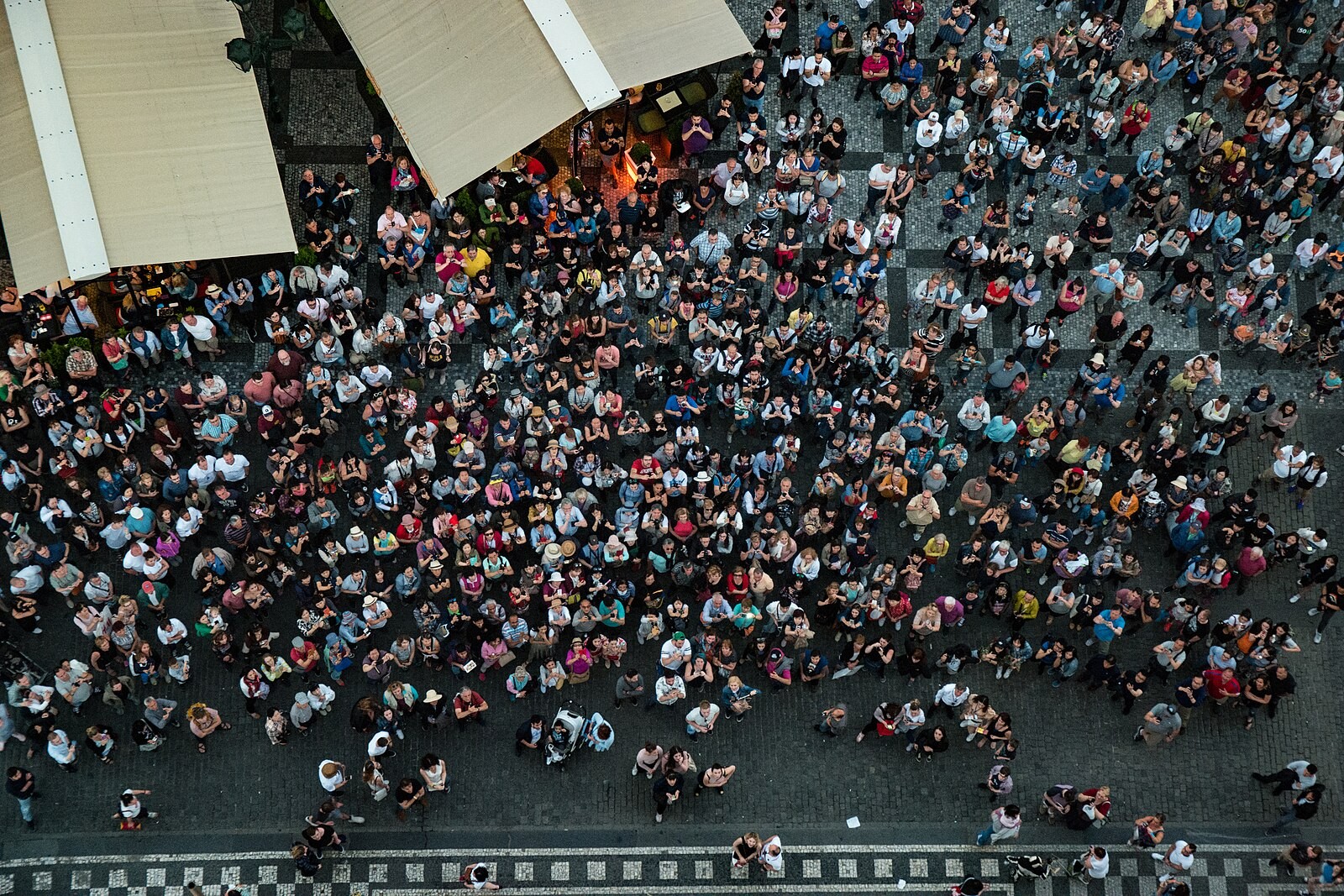
Prague can still feel good value in everyday transport and neighborhood life, yet the most photographed streets are no longer a bargain bubble. Your budget is shaped less by a mythical 'cheap Prague' than by season, location and what you choose to pay a premium for.
Prague Stories · Budget
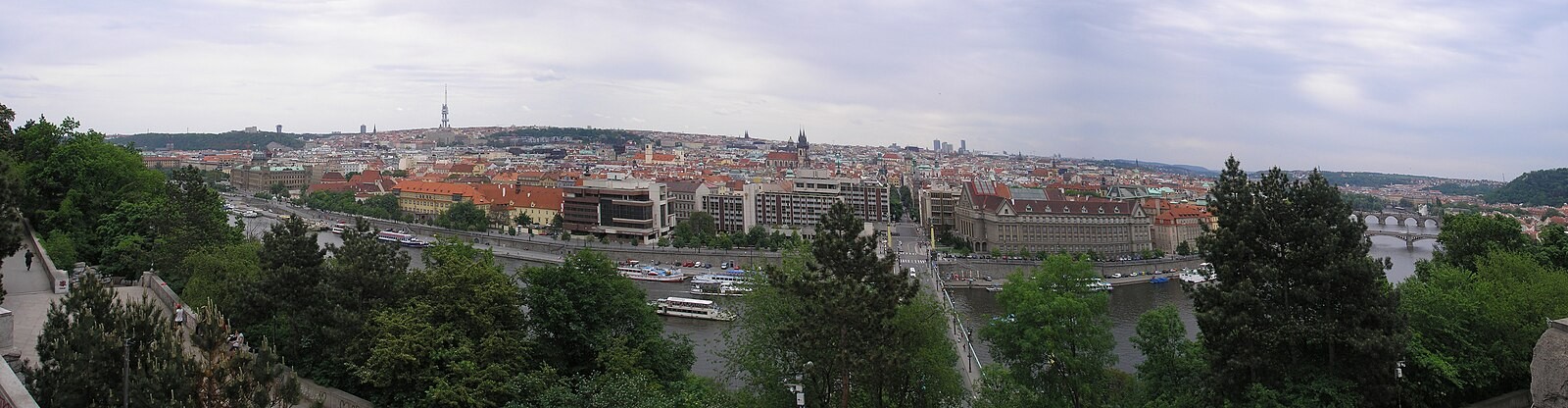
Prague’s best free hours are not consolation prizes between paid attractions. Bridges, riverbanks, castle courtyards, parks and whole stretches of the historic city cost nothing — as long as you know where the free public realm ends and the ticketed interior begins.
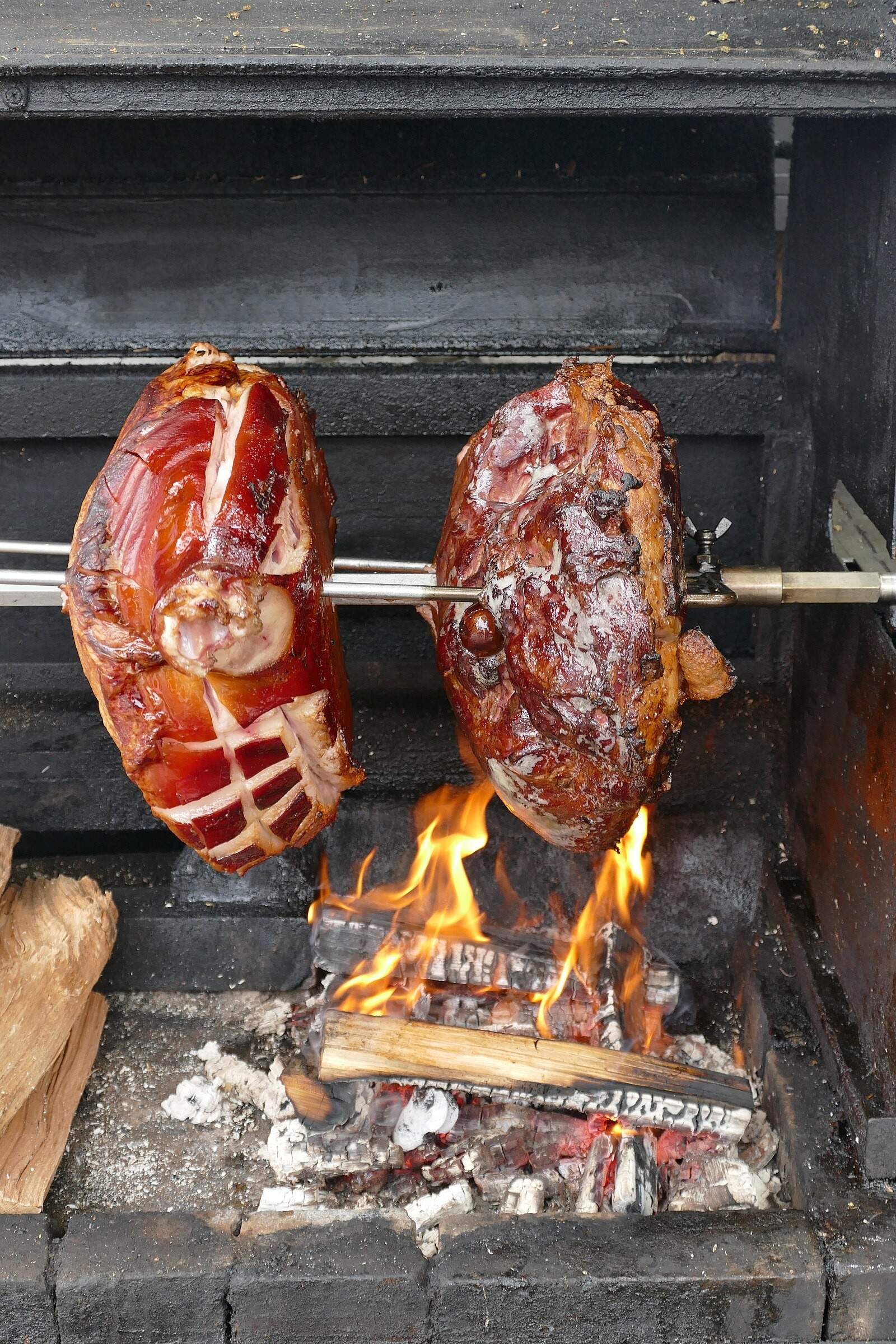
Prague Stories · Czech Food
Pražská šunka is not merely a ham stall with a city name. Its documented reputation reaches back to nineteenth-century Prague, and the name is now protected as a Traditional Speciality Guaranteed across several production forms.
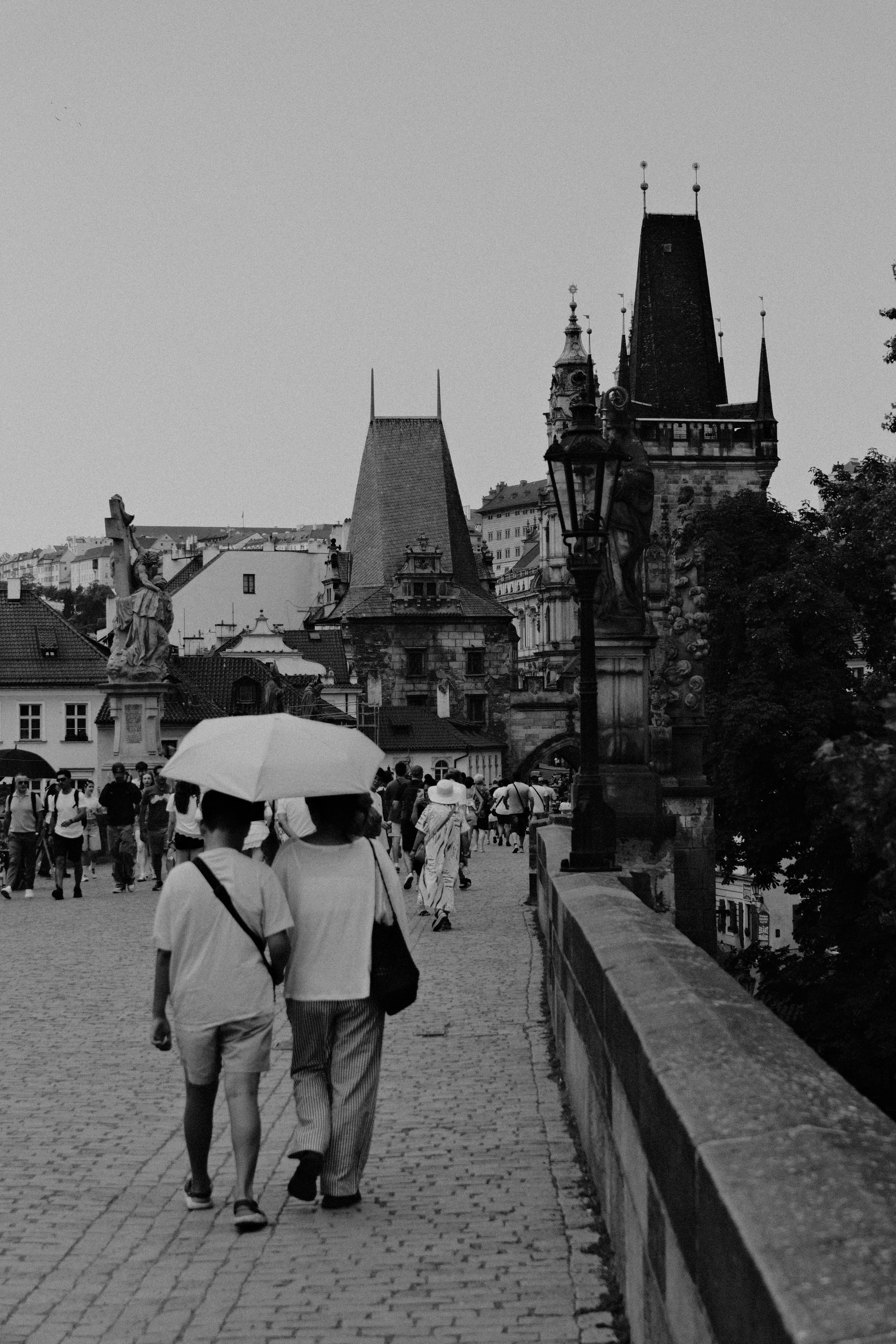
Prague Stories · Weather itinerary
Rain does not ruin Prague; bad routing does. Build the day in indoor clusters, use trams between them, and save the long exposed crossings for breaks in the weather.
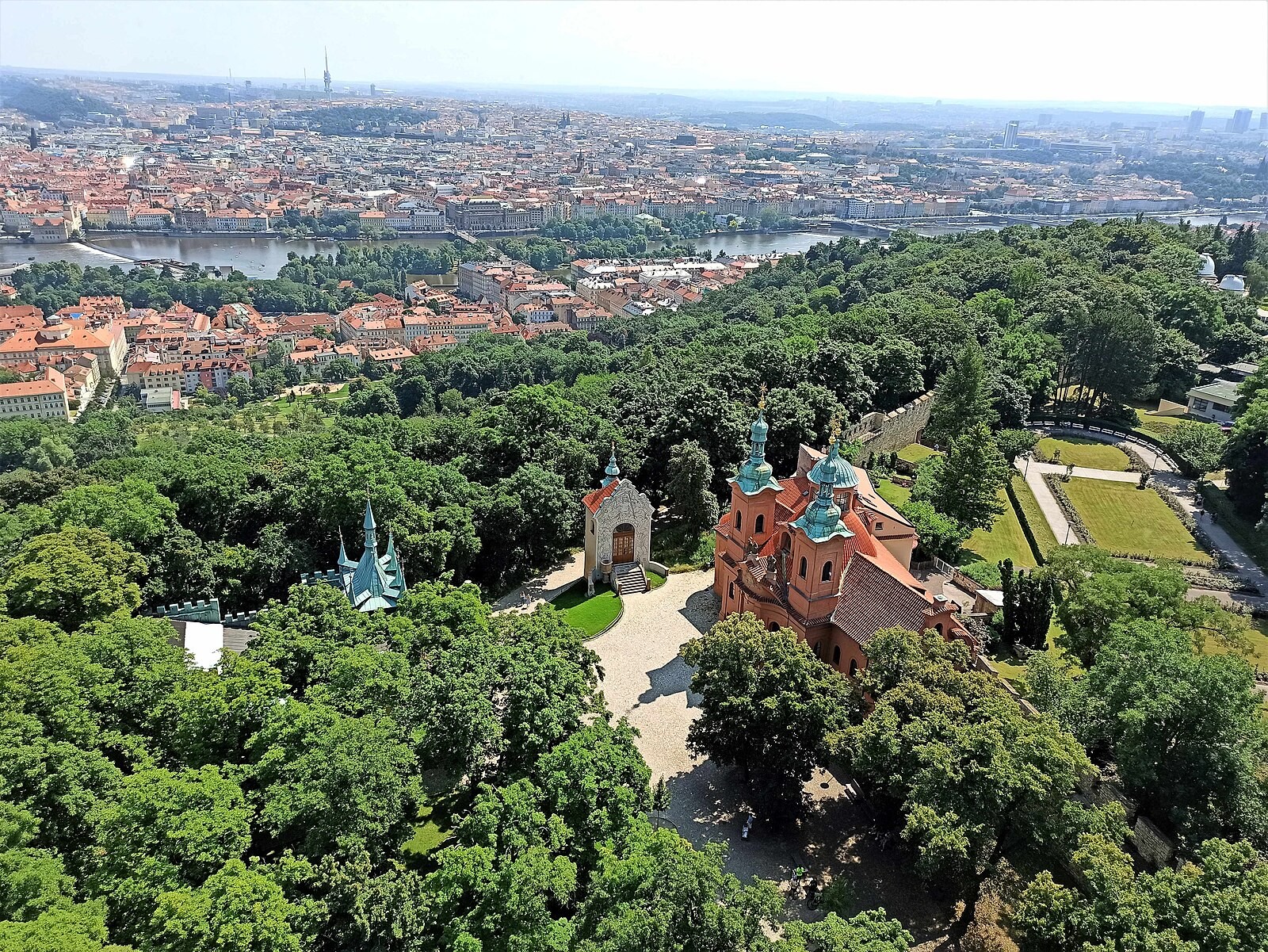
Prague Stories · Itinerary
Forty-eight hours is enough for a strong first encounter if you accept one rule: every addition has a cost. Keep the two days compact, choose one evening mood, and save the urge to ‘complete Prague’ for another visit.
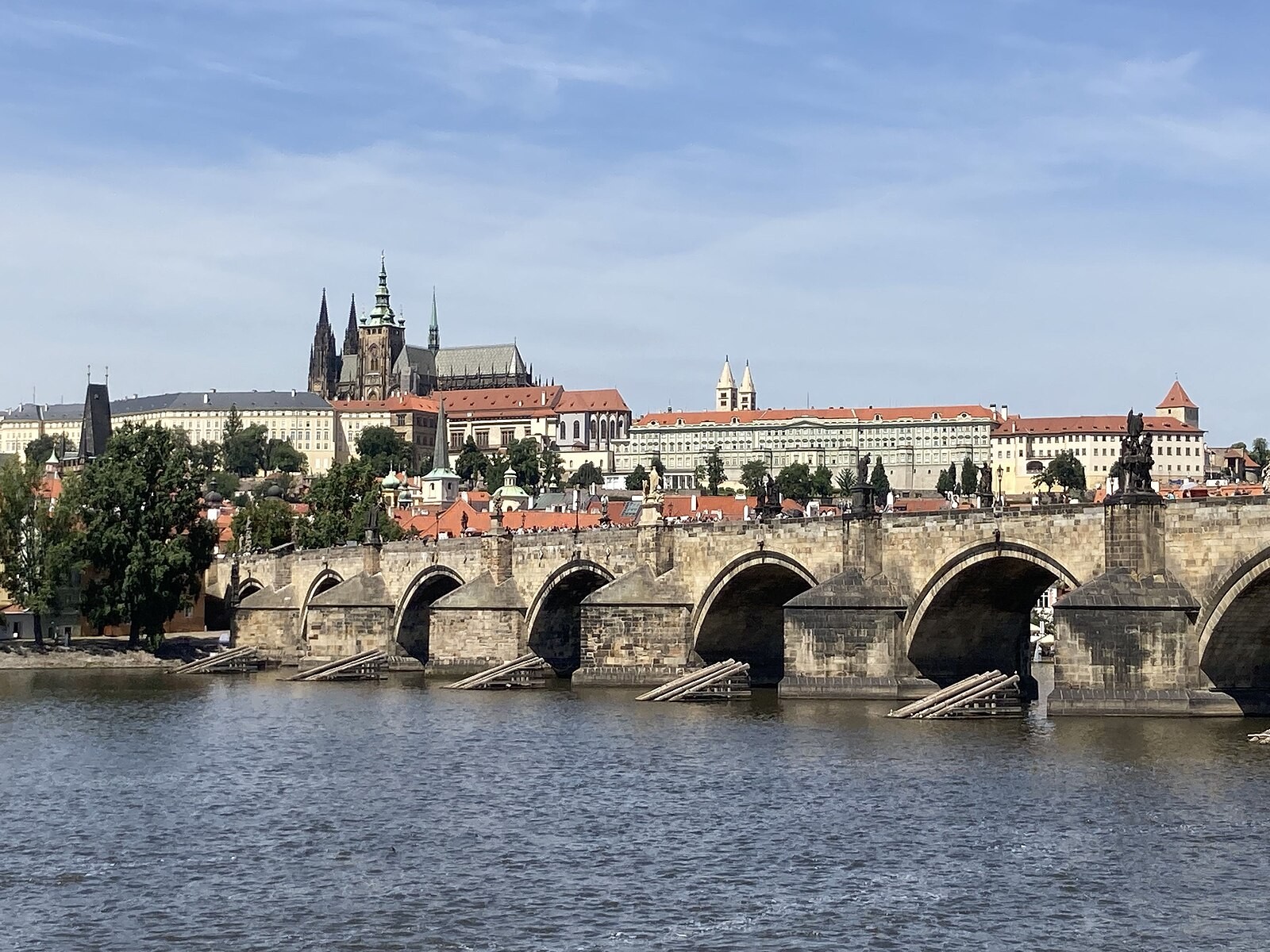
Prague Stories · Itinerary
Three days is enough to understand Prague’s main geography and still have a city break rather than a timed obstacle course. The trick is to keep each day geographically tight and let the mood shift from monumental Prague to lived-in Prague.
Prague Stories · Nightlife
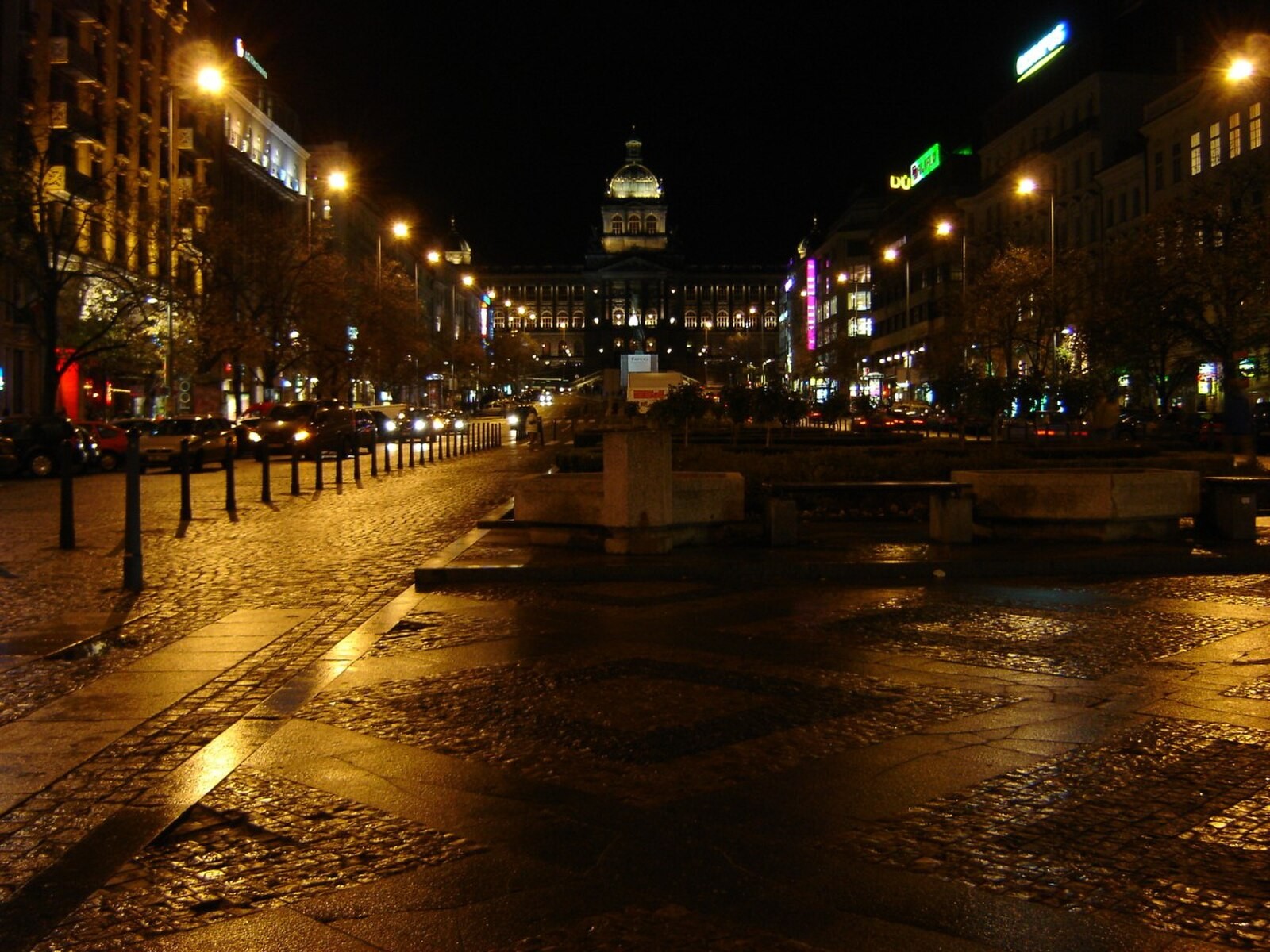
In Prague, the district often matters more than any list of ‘best bars.’ Old Town is dense and visitor-heavy; New Town mixes big-night energy with culture; Vinohrady, Žižkov and Holešovice lean more toward neighborhood pubs, cocktails, live music and repurposed industrial spaces.
Prague Stories · Practical
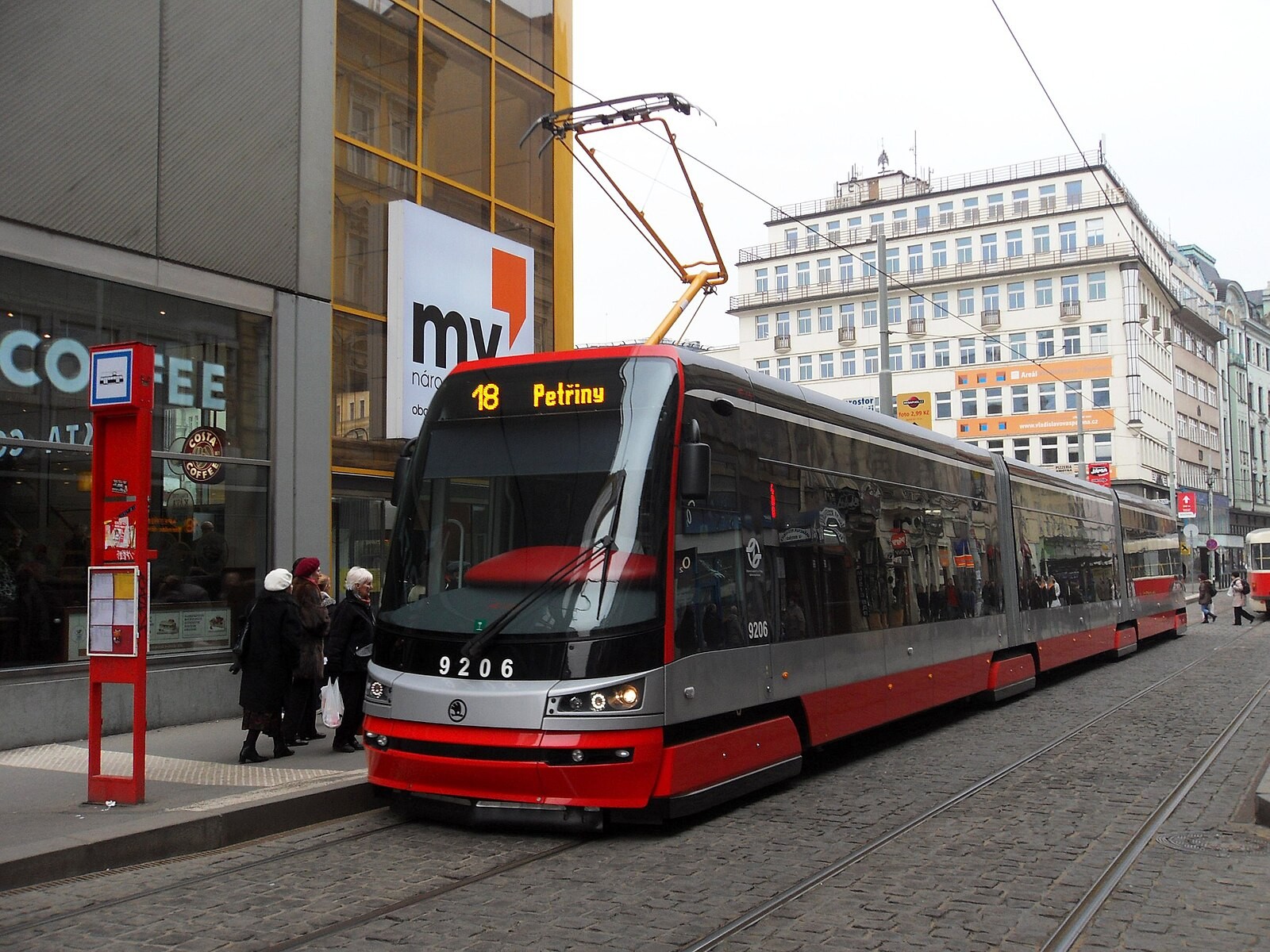
Prague tickets are mostly about time, not the number of vehicles you board. Understand when your ticket becomes valid, and transfers between metro, tram and bus become much simpler.
Prague Stories · Practical
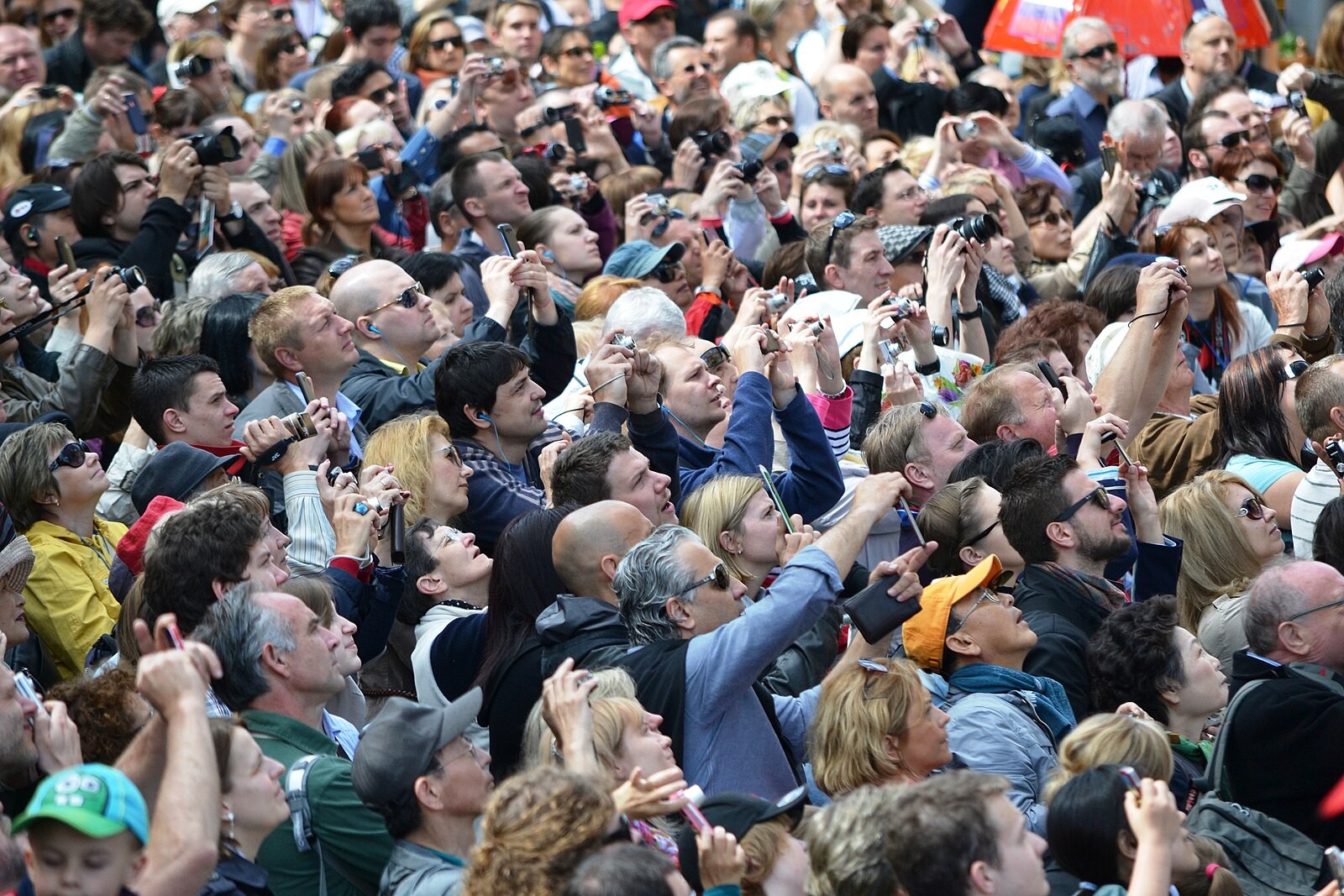
Prague is generally a low-risk destination for visitors, but ‘safe’ is not the same as friction-free. The problems most travelers are warned about are ordinary city risks: pickpocketing, careless payments, late-night judgment and the occasional scam aimed at someone distracted by being on holiday.
Prague Stories · Practical Culture
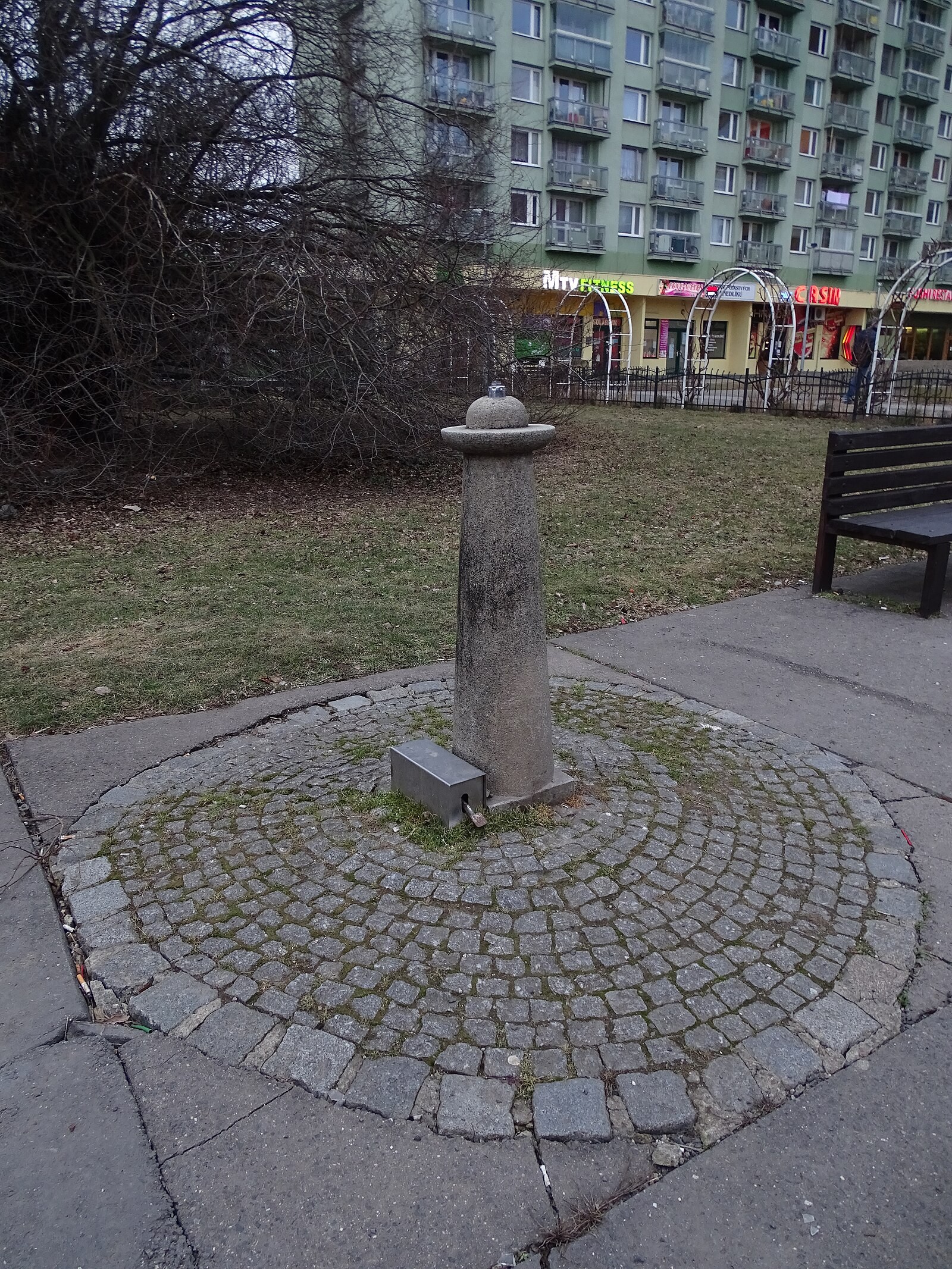
Yes: water supplied through Prague's public network is drinking water and is routinely monitored. The more useful questions are where it comes from, why its taste changes, and when a restaurant or public fountain is a separate issue.
Prague Stories · Practical Culture
Tipping in Prague is customary in many service situations, but it is not a US-style compulsory percentage added to every interaction. Read the bill first, then tip deliberately rather than by reflex.
Prague Stories · Practical
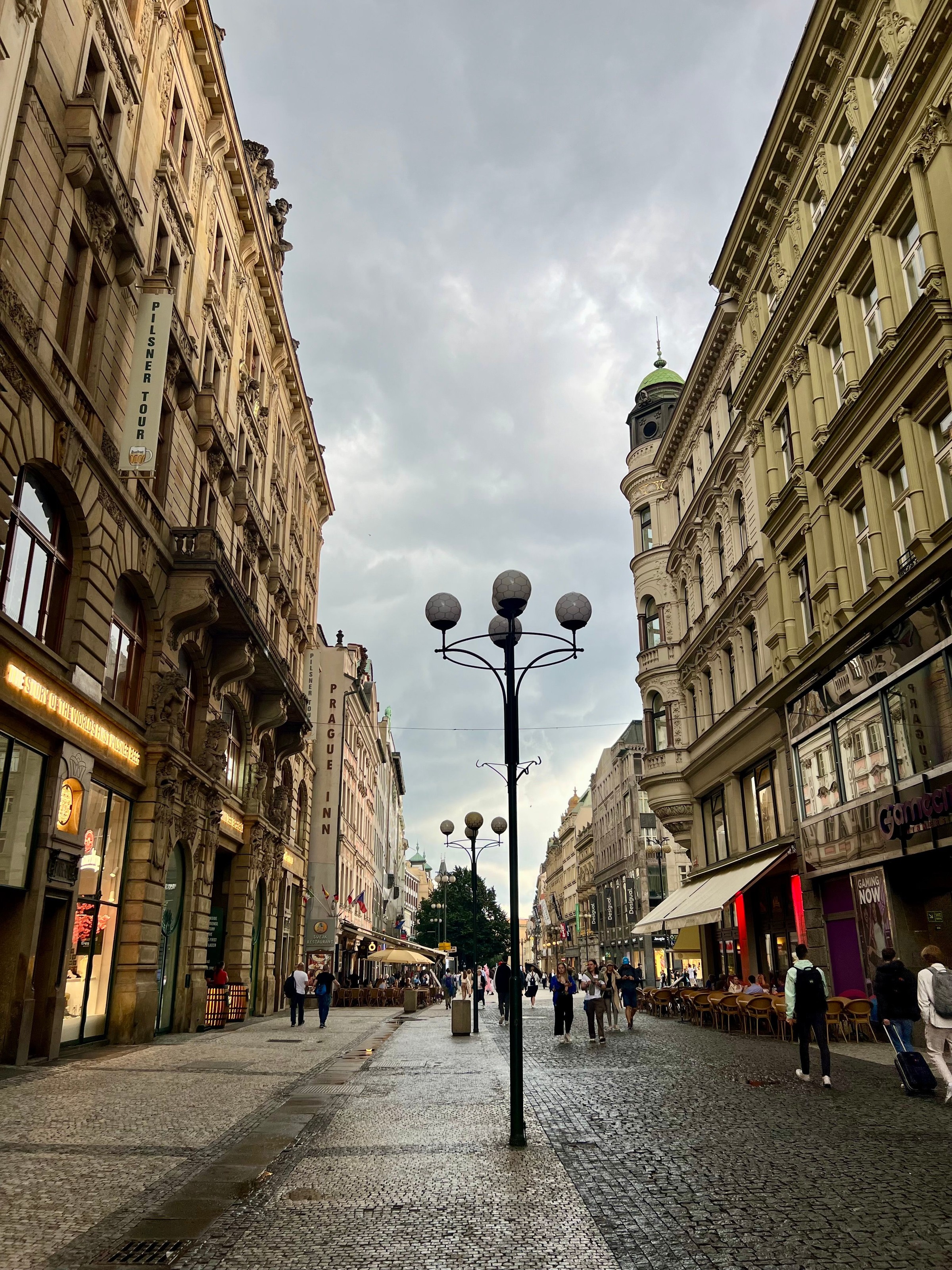
Central Prague is compact enough to reward walking, but a flat map hides the parts your feet notice first: polished cobbles, steep Castle-side streets, tram tracks and long climbs. For strollers and mobility-limited travelers, route choice matters more than raw distance.
Prague Stories · Planning
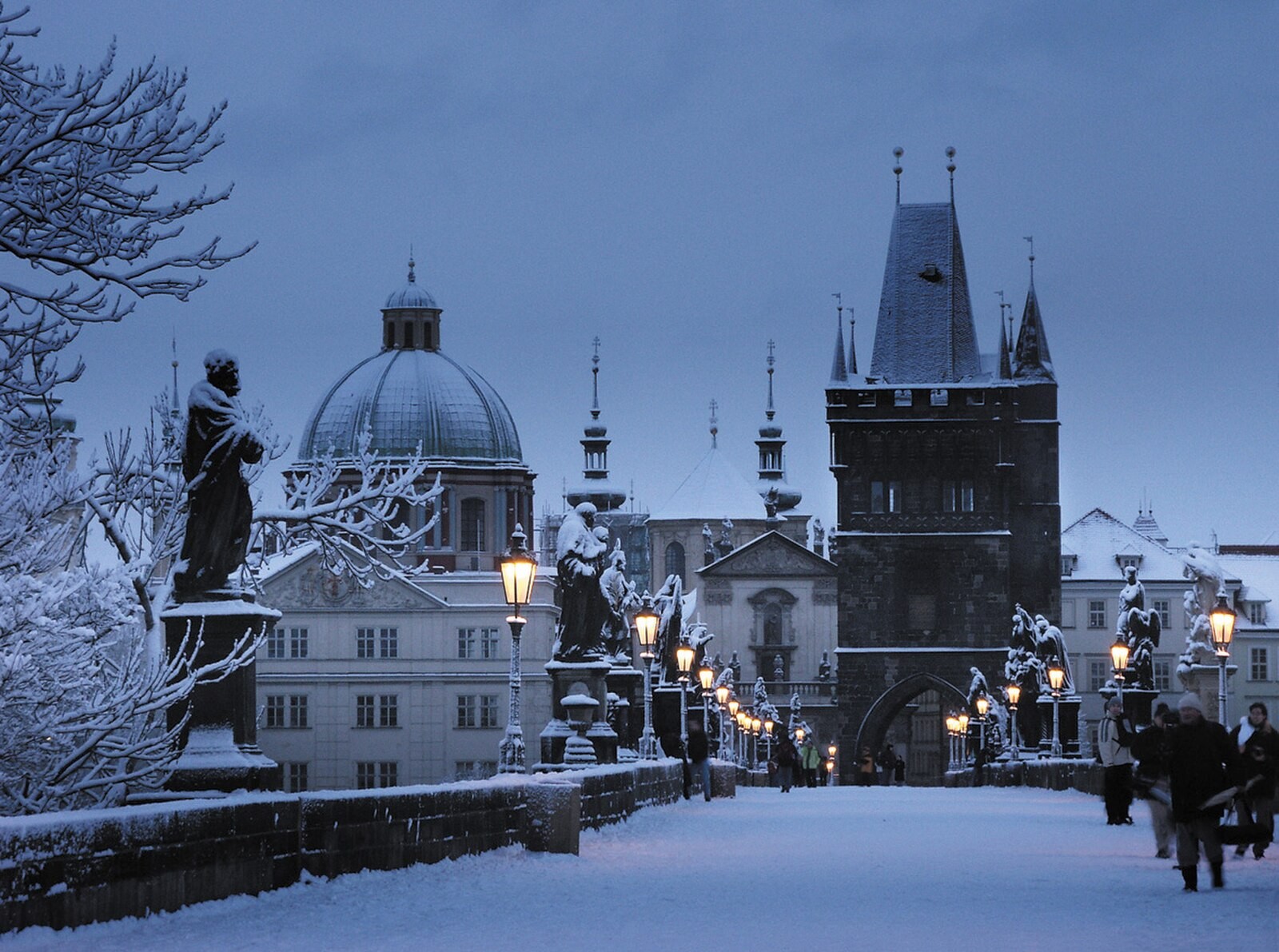
Pack for Prague’s surfaces and temperature swings, not for a fantasy version of Central Europe. Good shoes, one useful outer layer and clothes you can add or remove will solve more problems than a giant ‘Europe packing list.’
Prague Stories · Family
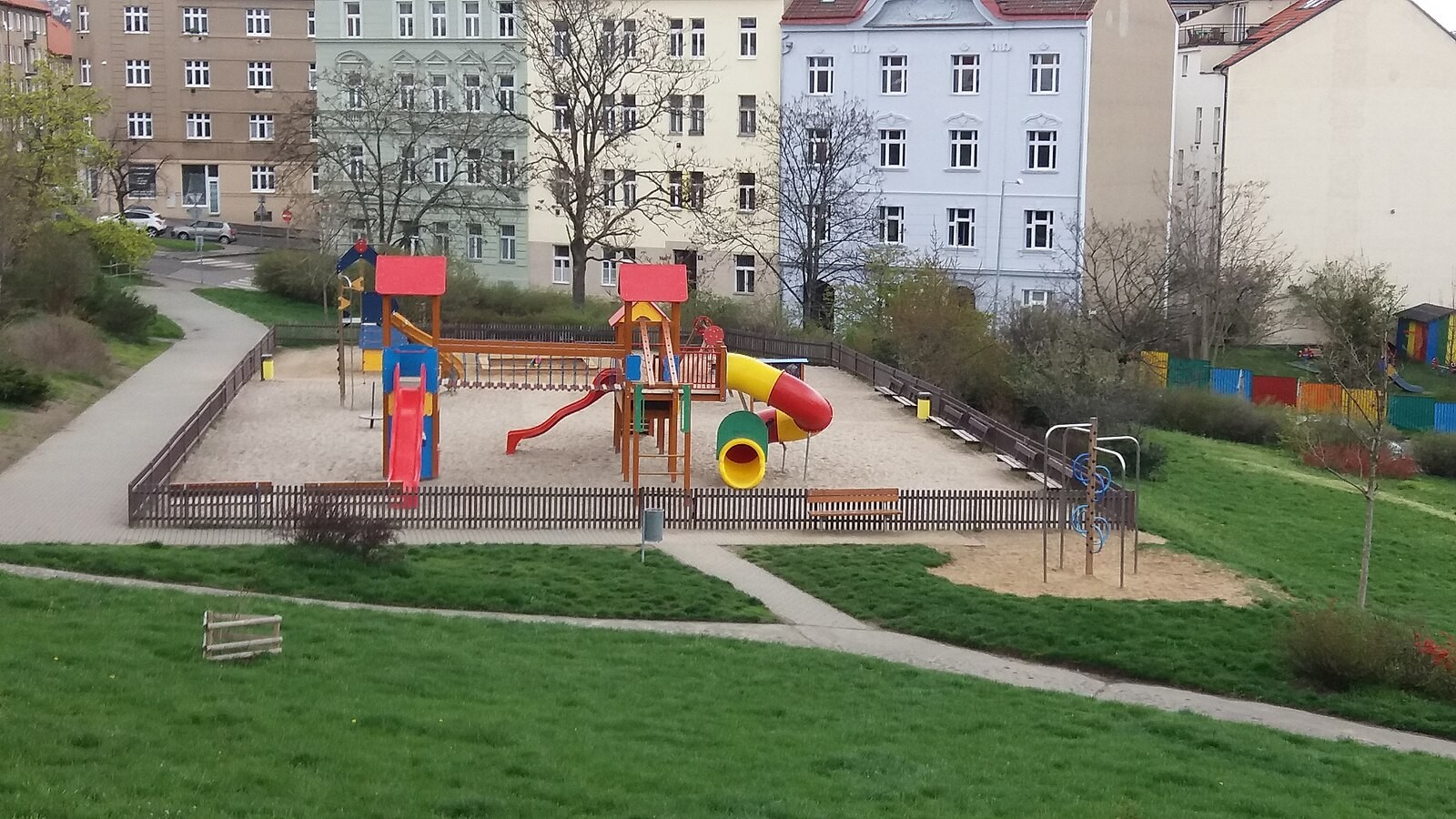
Prague can be excellent with children, but the adult sightseeing map needs editing. Hills, cobbles, museum patience and snack timing matter as much as famous sights, so build days around energy rather than trying to make children appreciate your checklist.
Prague Stories · Family attraction
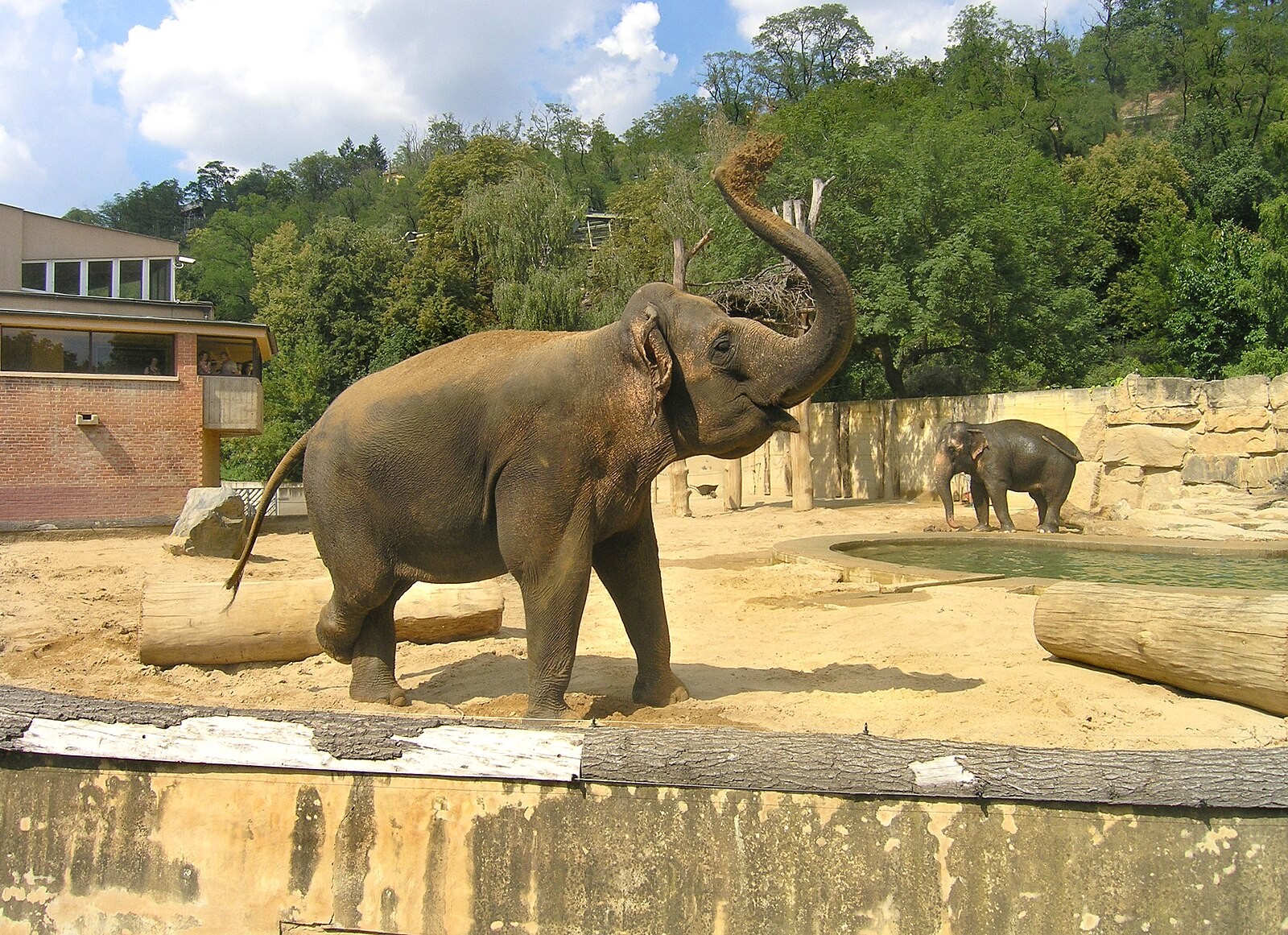
Prague Zoo is not famous because it gives tourists something to do with children. Its reputation rests on scale, difficult hillside geography and a long conservation record — most visibly its work with the Przewalski’s horse.
Prague Stories · Czech Drinks
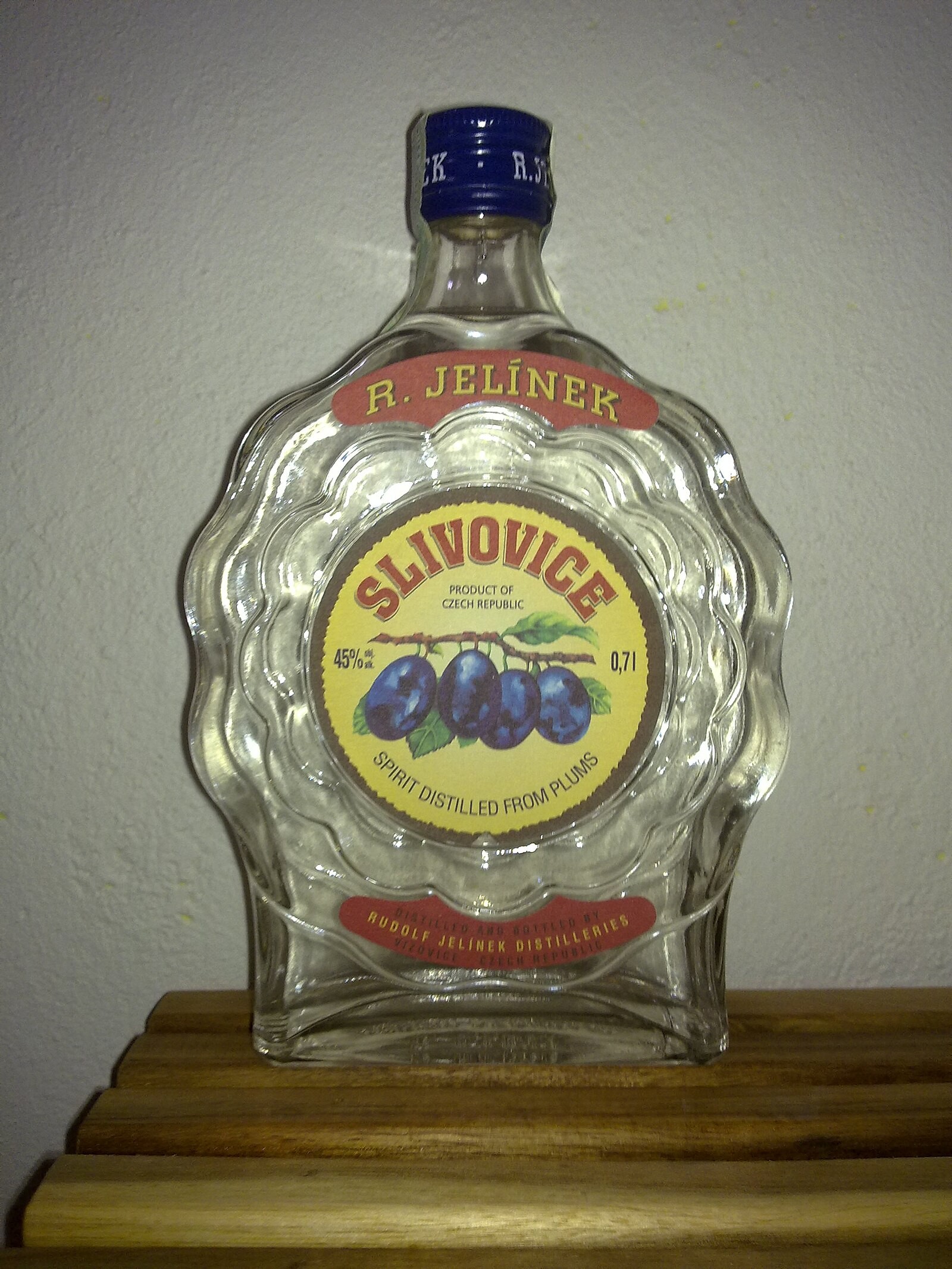
Slivovice is plum spirit, but the deeper tradition lives in orchards, fermentation and regional distilling — especially in Moravia. Prague is where many visitors taste it; Moravia is where the cultural map becomes much richer.
Prague Stories · Czech Food
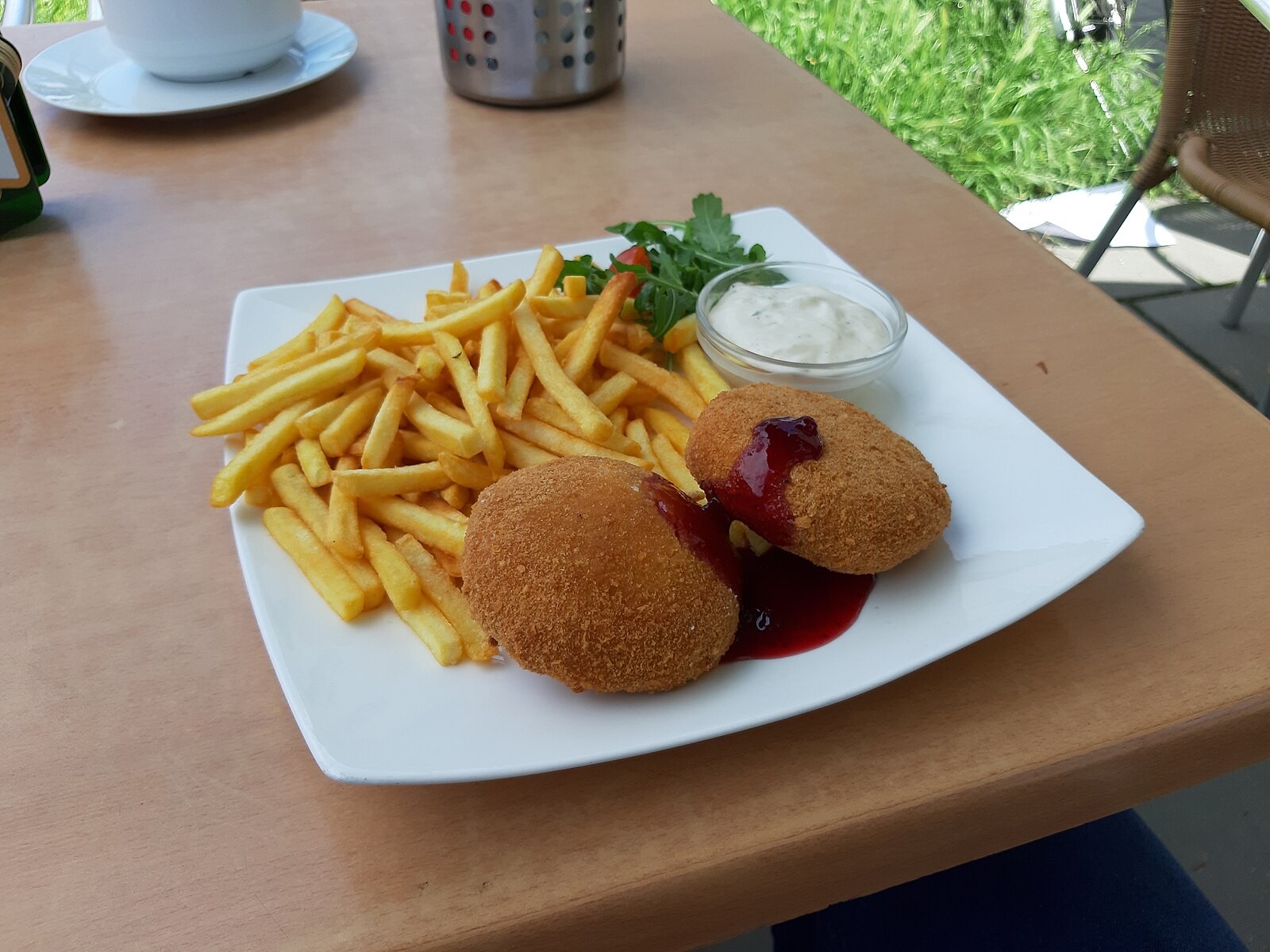
Smažený sýr is exactly as direct as it sounds: cheese breaded and fried until crisp outside and molten inside. Its real story is how that simple formula became a familiar Czech casual meal — and, for years, an easy meat-free order.
Prague Stories · Czech Christmas
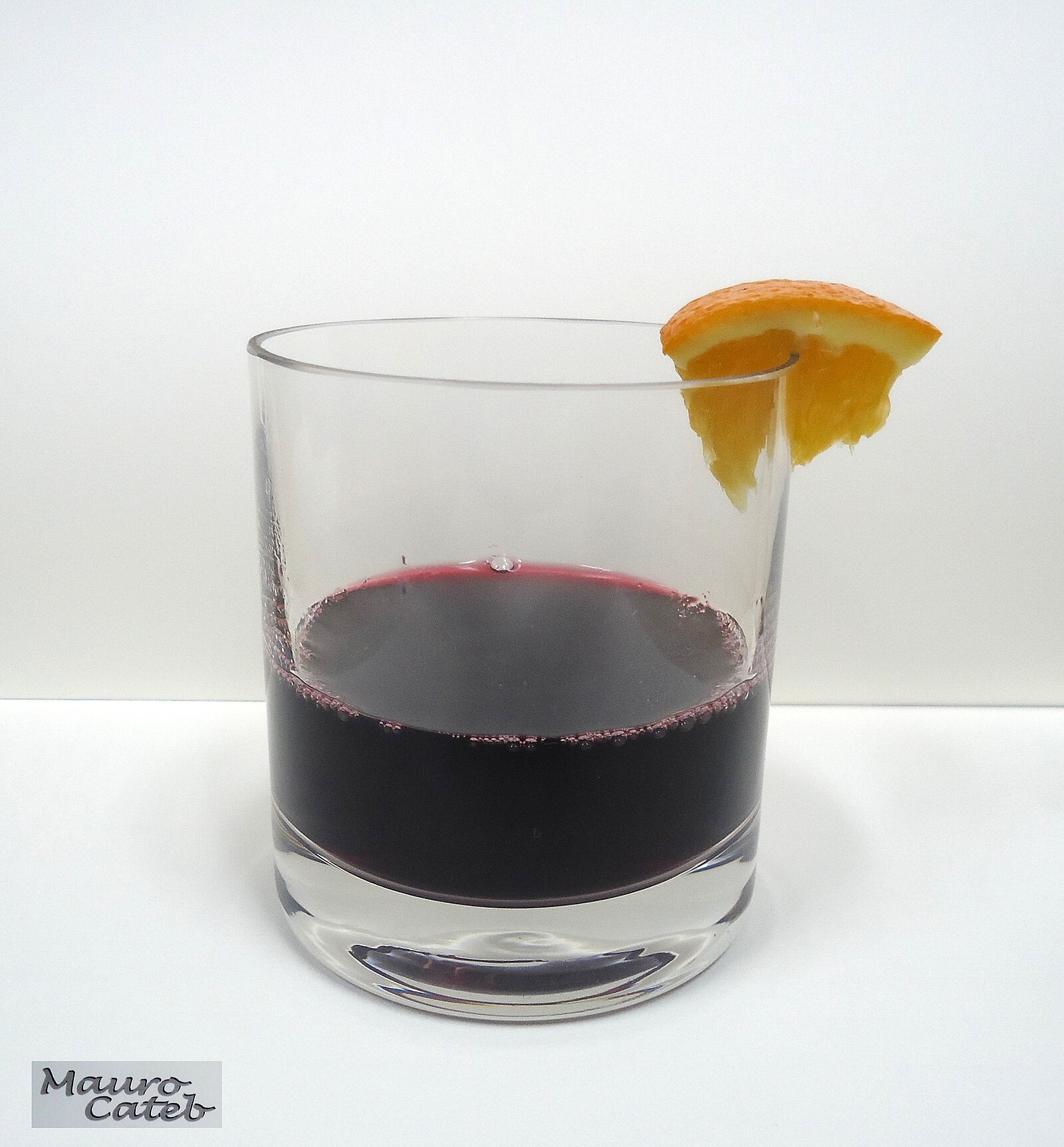
Svařák is hot spiced wine in Czech winter language: familiar, warming and highly visible during Advent. It belongs to the same European family as Glühwein, but the Czech name tells you what locals are actually ordering.
Prague Stories · Czech Food
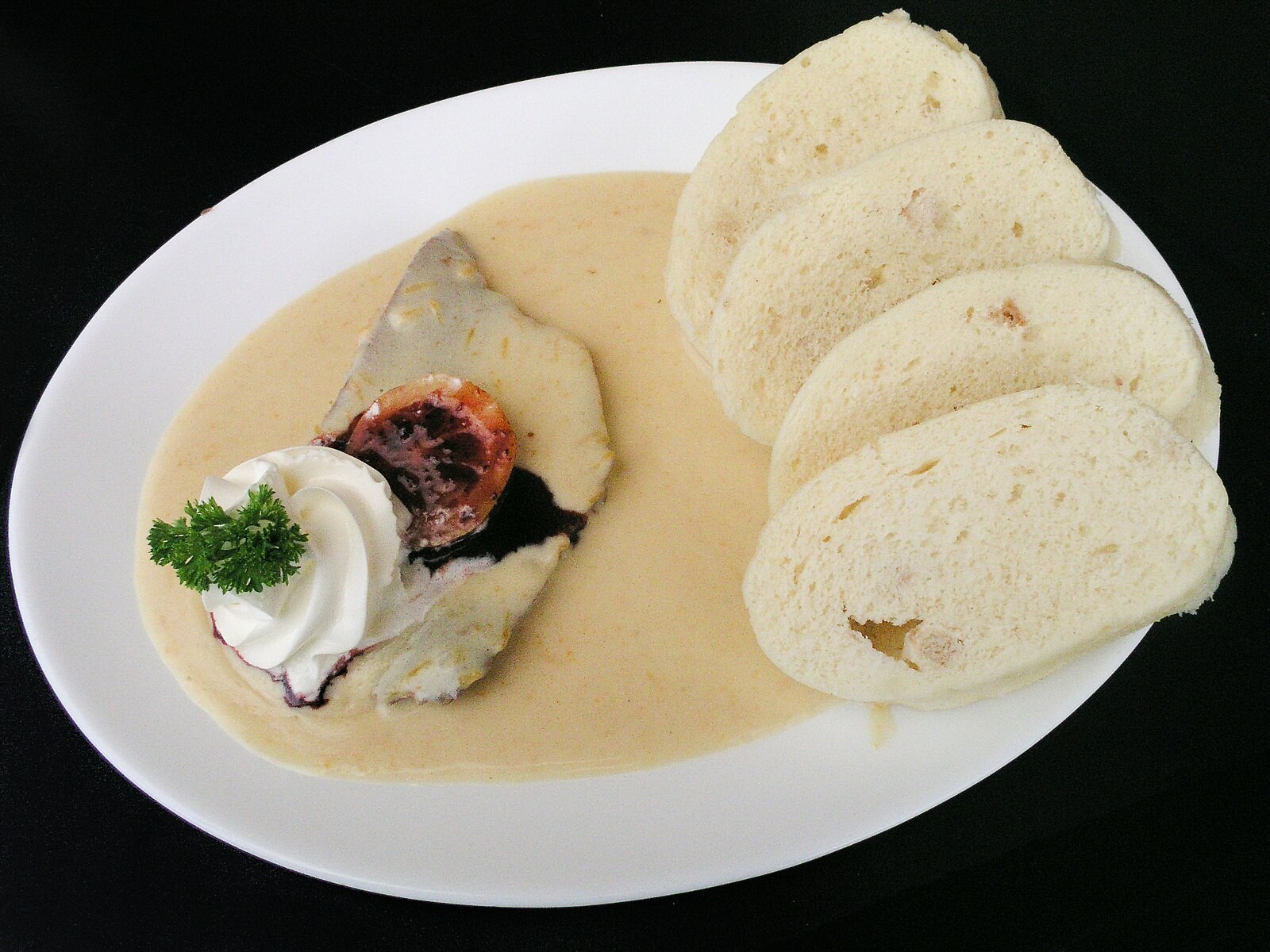
Svíčková looks like a collection of contradictions: savoury beef, a pale vegetable sauce, bread dumplings, tart berries, lemon and sometimes whipped cream. On a good plate, every element is there to pull the next one into balance.
Prague Stories · Czech Beer
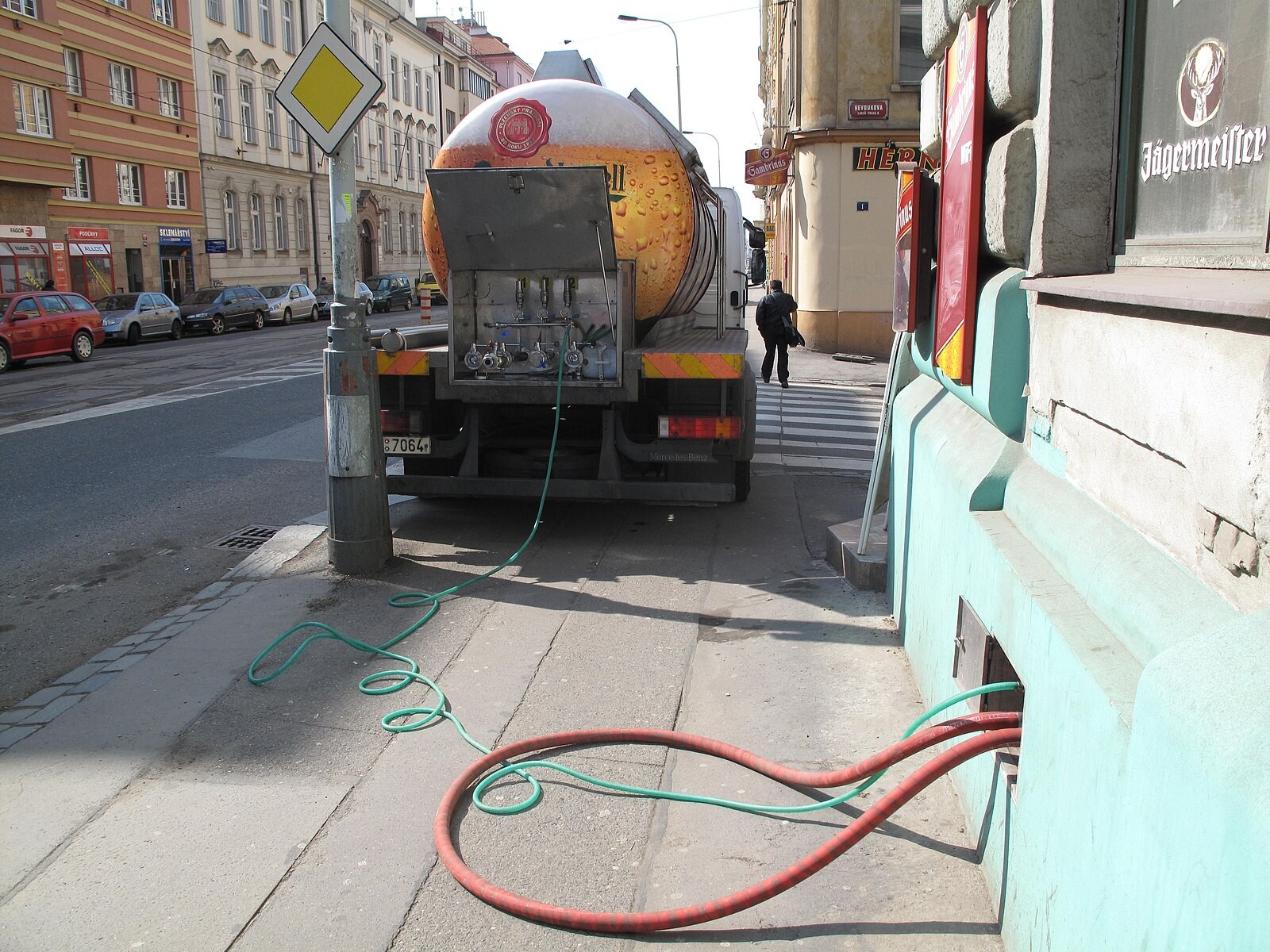
Tankové pivo describes how beer is stored and served at the pub, not where it was brewed. In systems such as Pilsner Urquell's Tankovna, beer travels fresh from the brewery and is held in sealed inner bags inside temperature-controlled tanks.
Prague Stories · First-time Prague
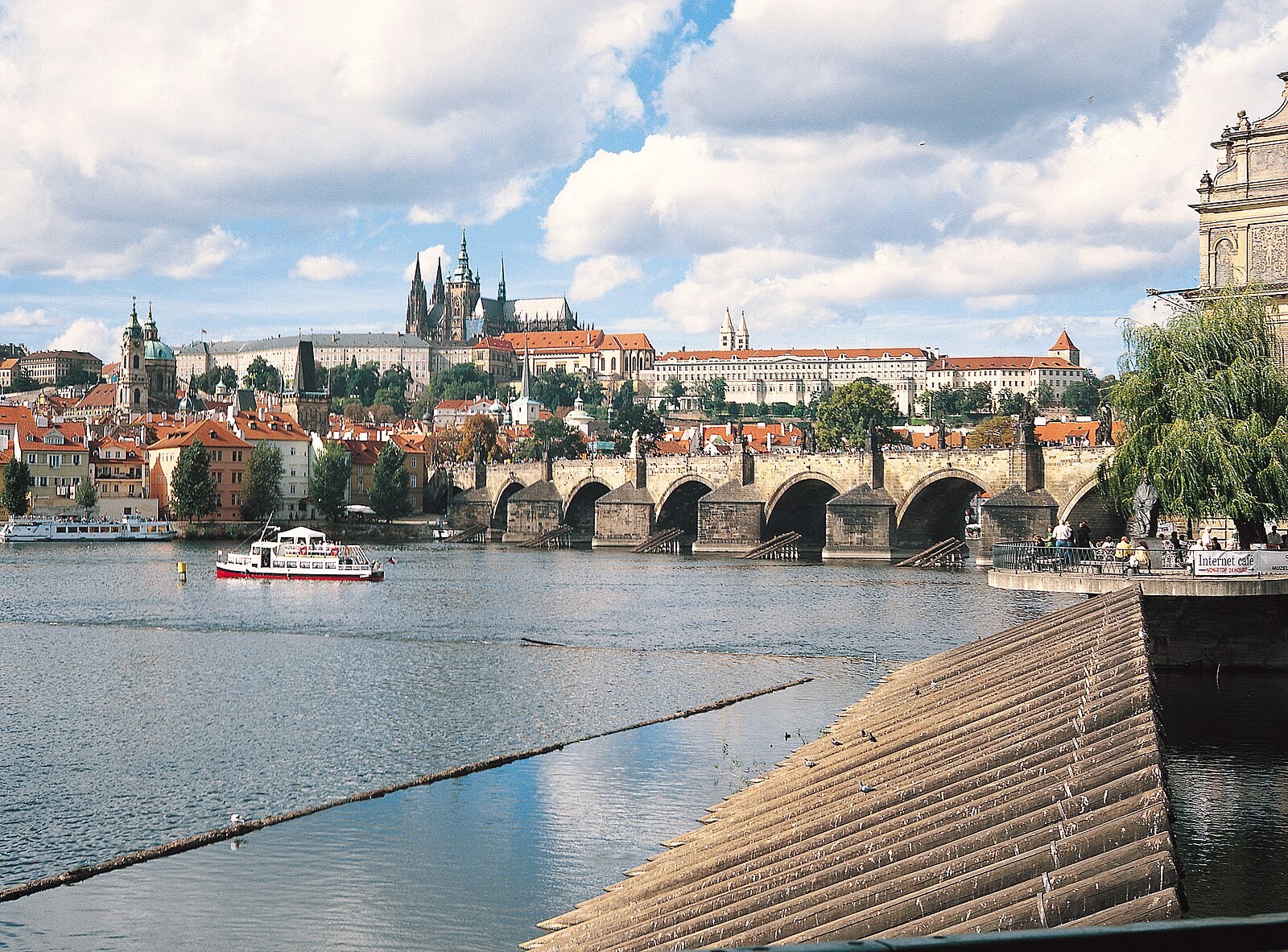
Prague rewards sequence more than quantity. On a first visit, the goal is to understand how the Castle hill, river, Old Town and living neighborhoods fit together — then leave enough unplanned time for the city to stop feeling like a set of monuments.
Prague Stories · Czech Food
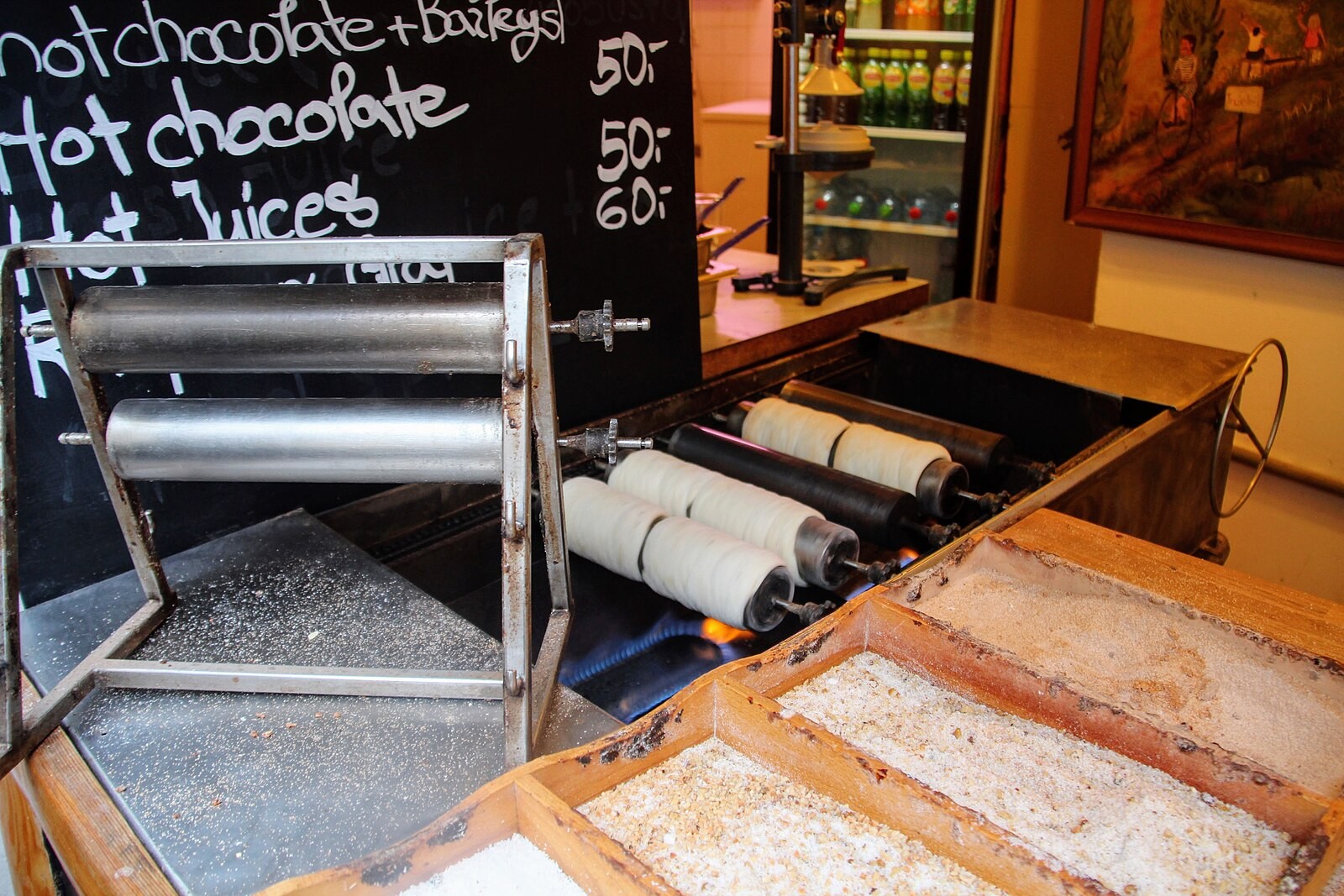
That cinnamon-scented spiral may feel inseparable from a walk through central Prague, but the documented tradition behind it points elsewhere. Knowing that does not ruin the pastry; it makes the version in your hand easier to read.
Prague Stories · Czech Food
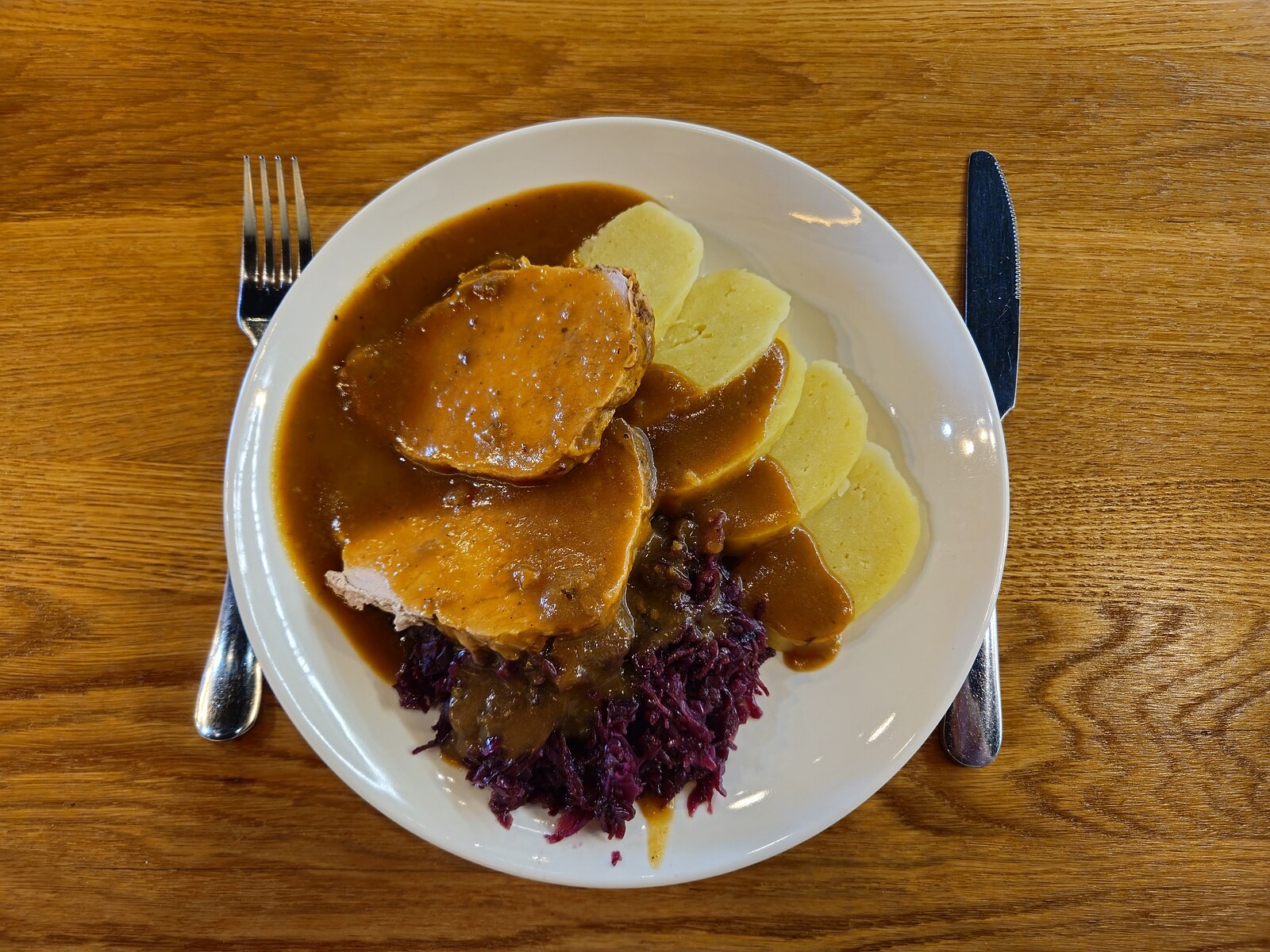
The nickname sounds like three clipped words because that is essentially what it is: pork, dumplings, cabbage. The simplicity of the name hides a plate built around fat, sauce, starch and acidity.
Prague Stories · Czech Food
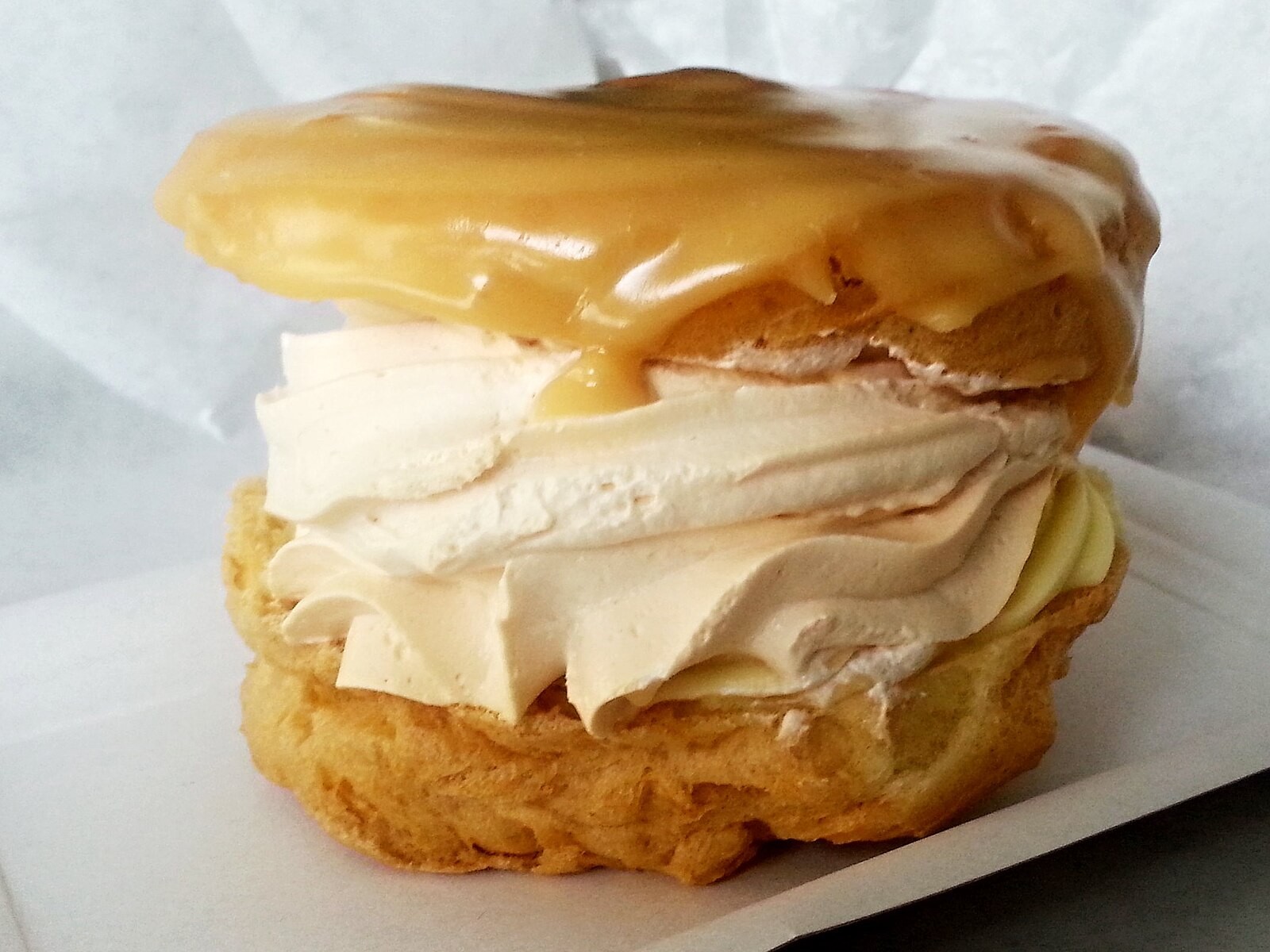
A větrník is choux pastry built on contrast: a crisp-edged shell, generous cream and a caramel dimension that makes the dessert feel larger than an ordinary cream puff. In a Czech cukrárna, its height is part of the signal.
Prague Stories · Planning
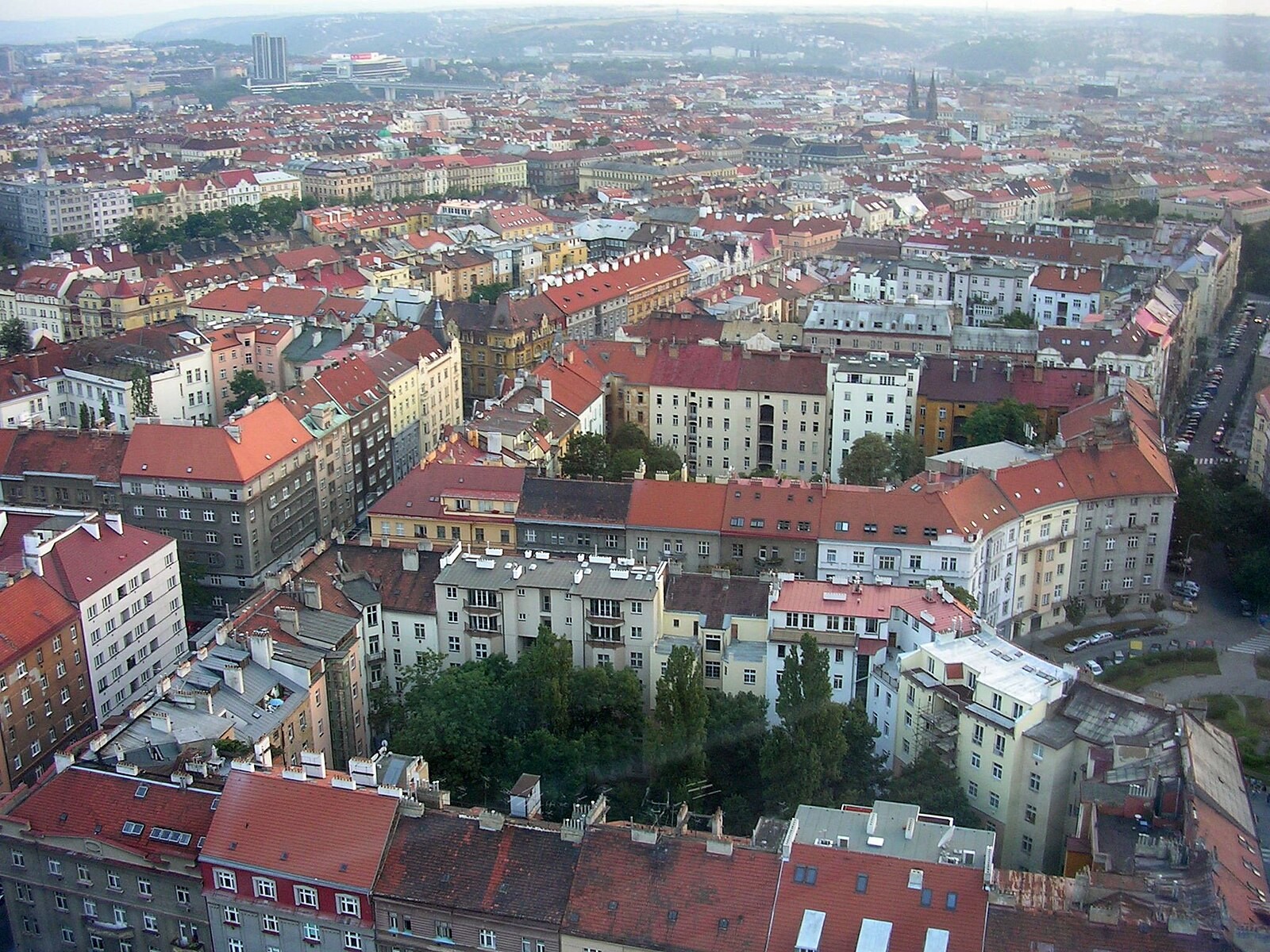
The best Prague base is not a universal address. Old Town trades sleep for immediacy, Malá Strana puts hills and monuments outside the door, while districts such as Vinohrady, Karlín and Holešovice change what your evenings feel like.
Prague Stories · Modern Prague
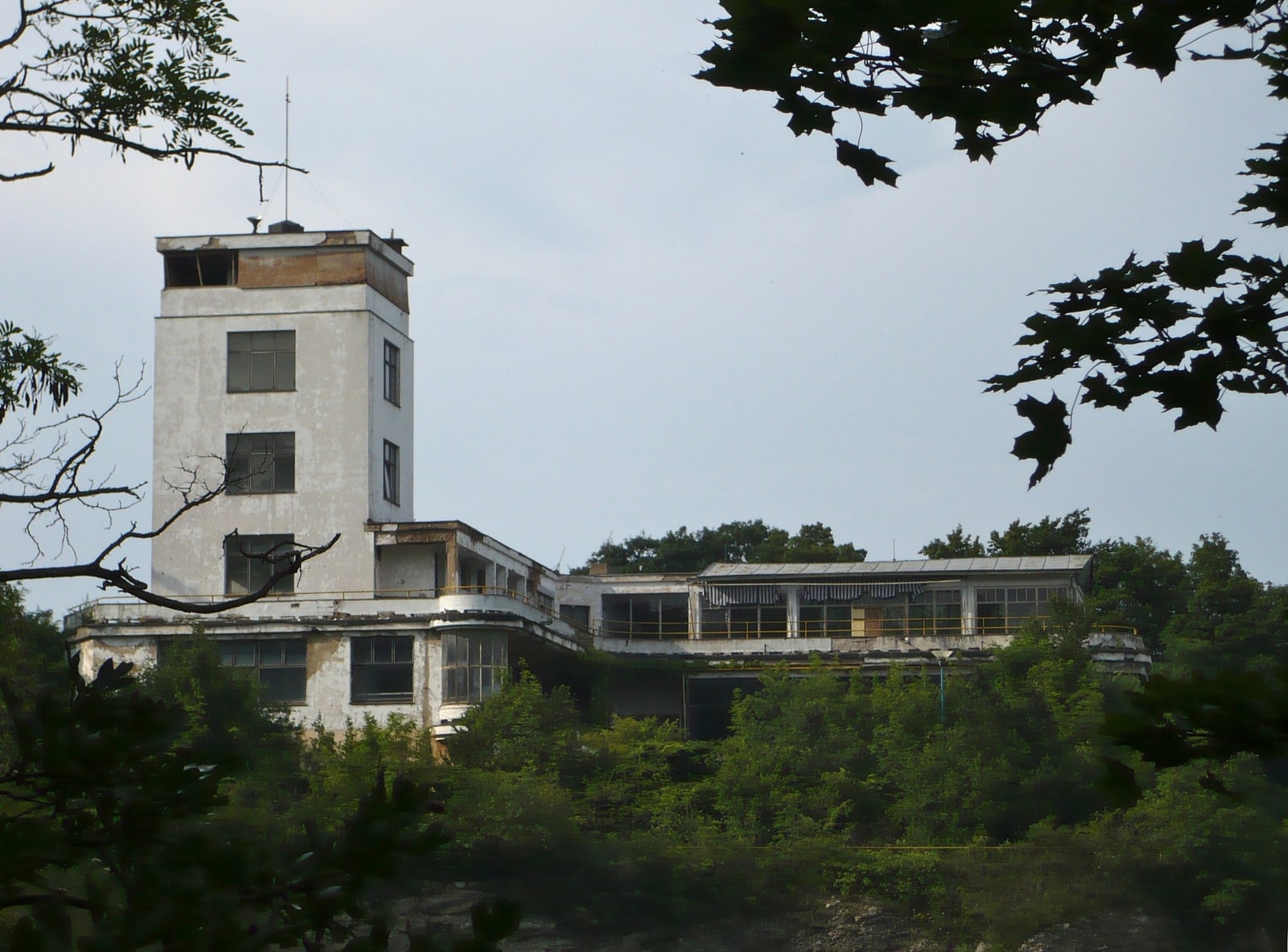
In the late 1920s, Václav M. Havel turned a rocky site above the Vltava into a modern leisure project inspired partly by San Francisco’s Cliff House. The Barrandov Terraces became architecture, social stage and part of a wider film-era vision for the district.
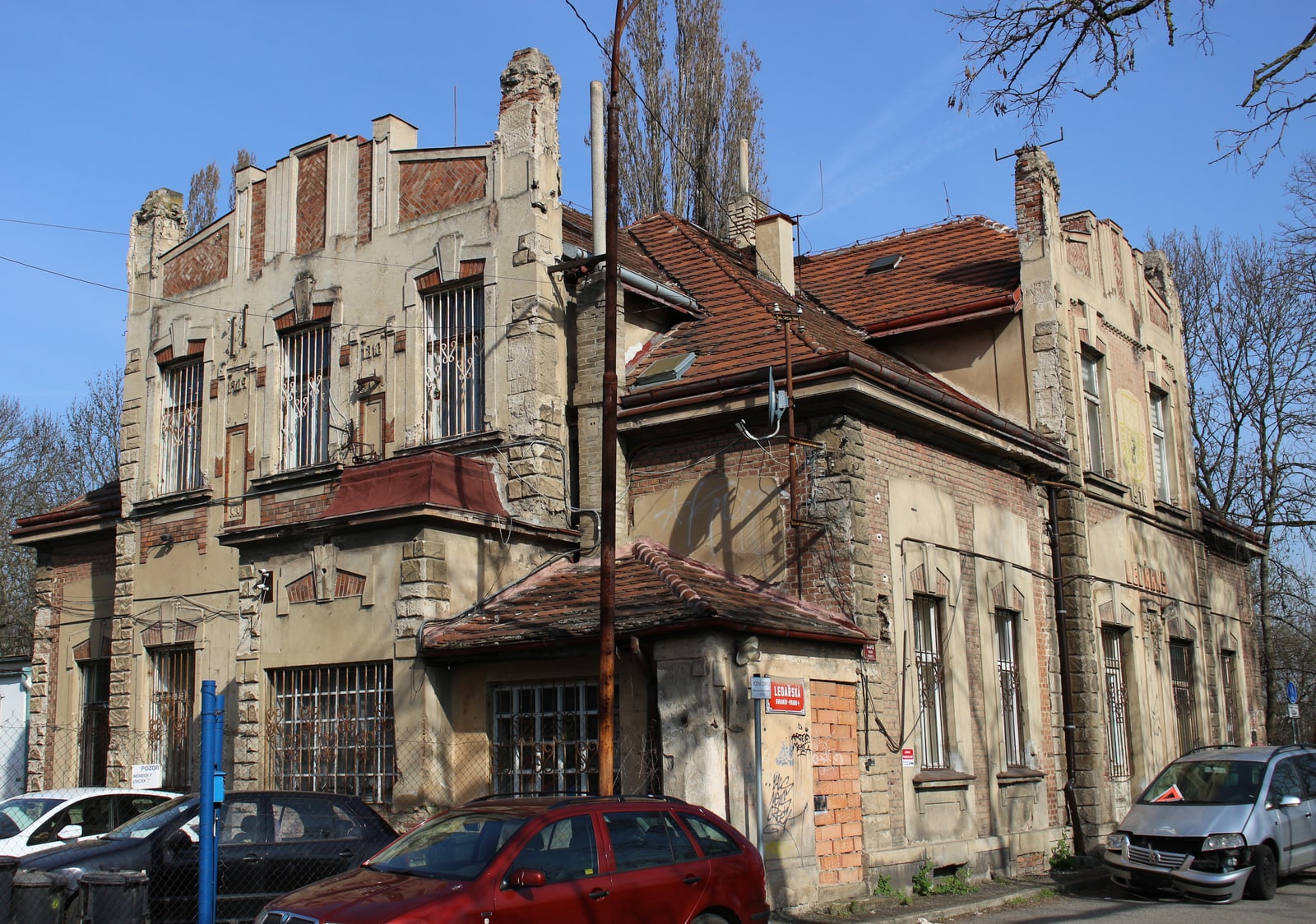
Prague Stories · Industrial Prague
Before mechanical refrigeration became ordinary, ice was infrastructure. The Braník Iceworks were built beside the Vltava in 1908–1911 to move, store and distribute natural ice on an industrial scale.
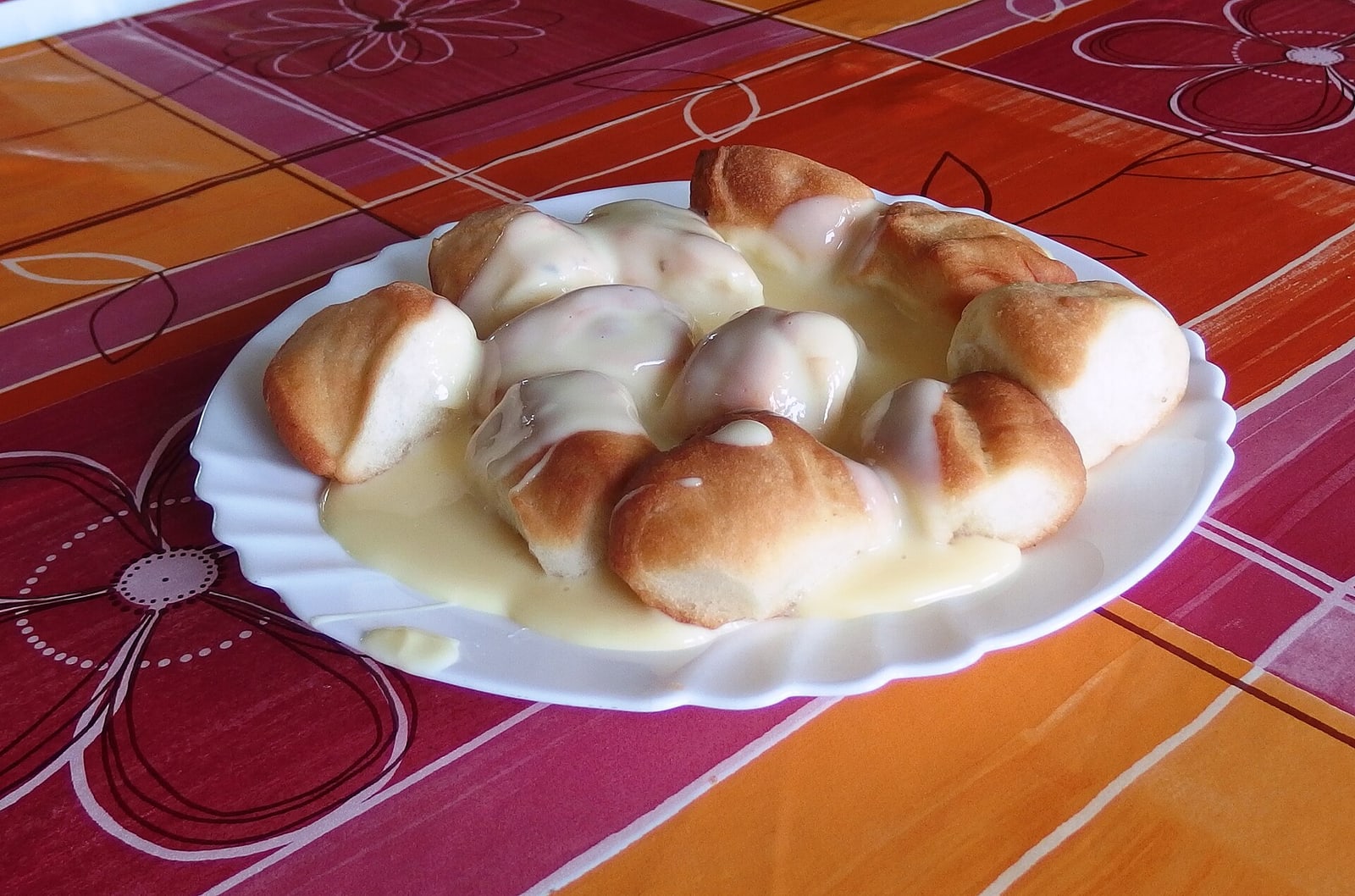
Prague Stories · Food language
Small sweet yeast buns covered in warm vanilla sauce are a Czech canteen and childhood classic. The surprise is in the name: the modern sauce called šodó is usually not the wine-based chaudeau that originally inspired the word.
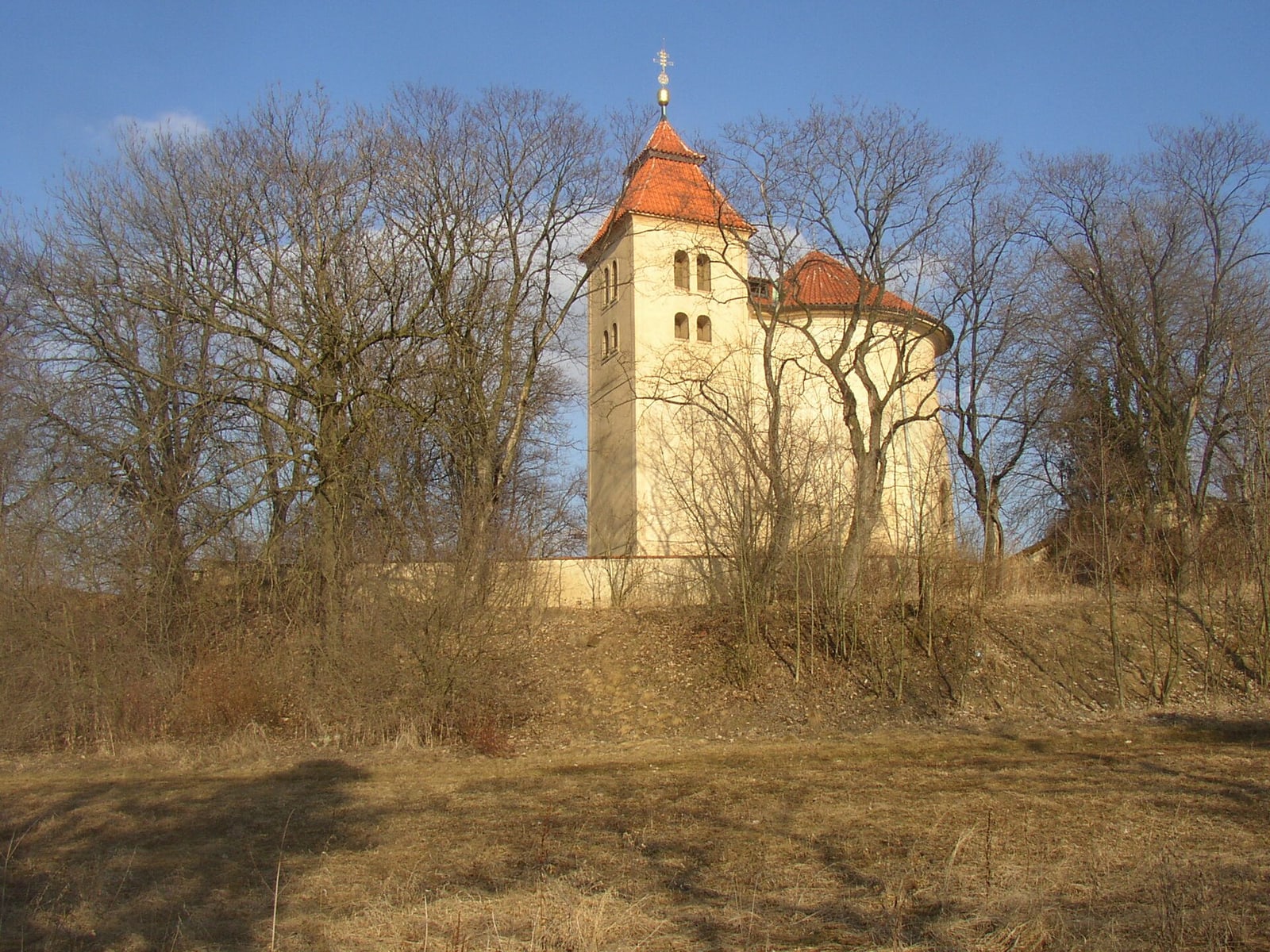
Prague Stories · Deep Bohemia
Only a short journey from Prague, Budeč preserves something the capital cannot show in quite the same way: an early medieval hillfort with the Rotunda of St Peter and Paul, identified by the Archaeological Atlas as the oldest standing church in Bohemia.
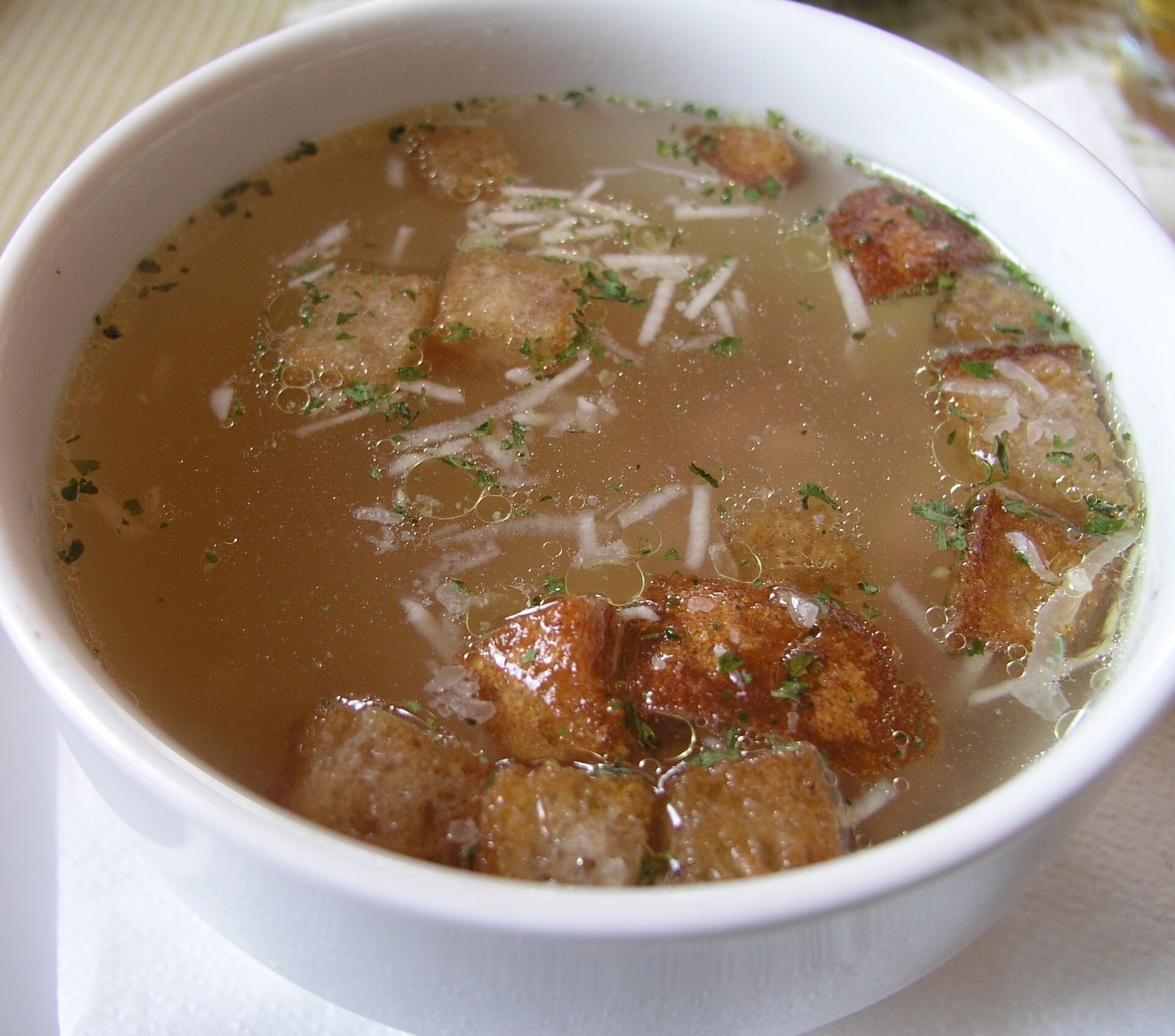
Prague Stories · Food people miss
Czech garlic soup is uncomplicated by design: broth, garlic, potato, marjoram, bread and often cheese or smoked meat. Its reputation reaches beyond dinner — many Czechs also associate a strong bowl with colds, winter and the morning after too much beer.
Prague Stories · Food people miss
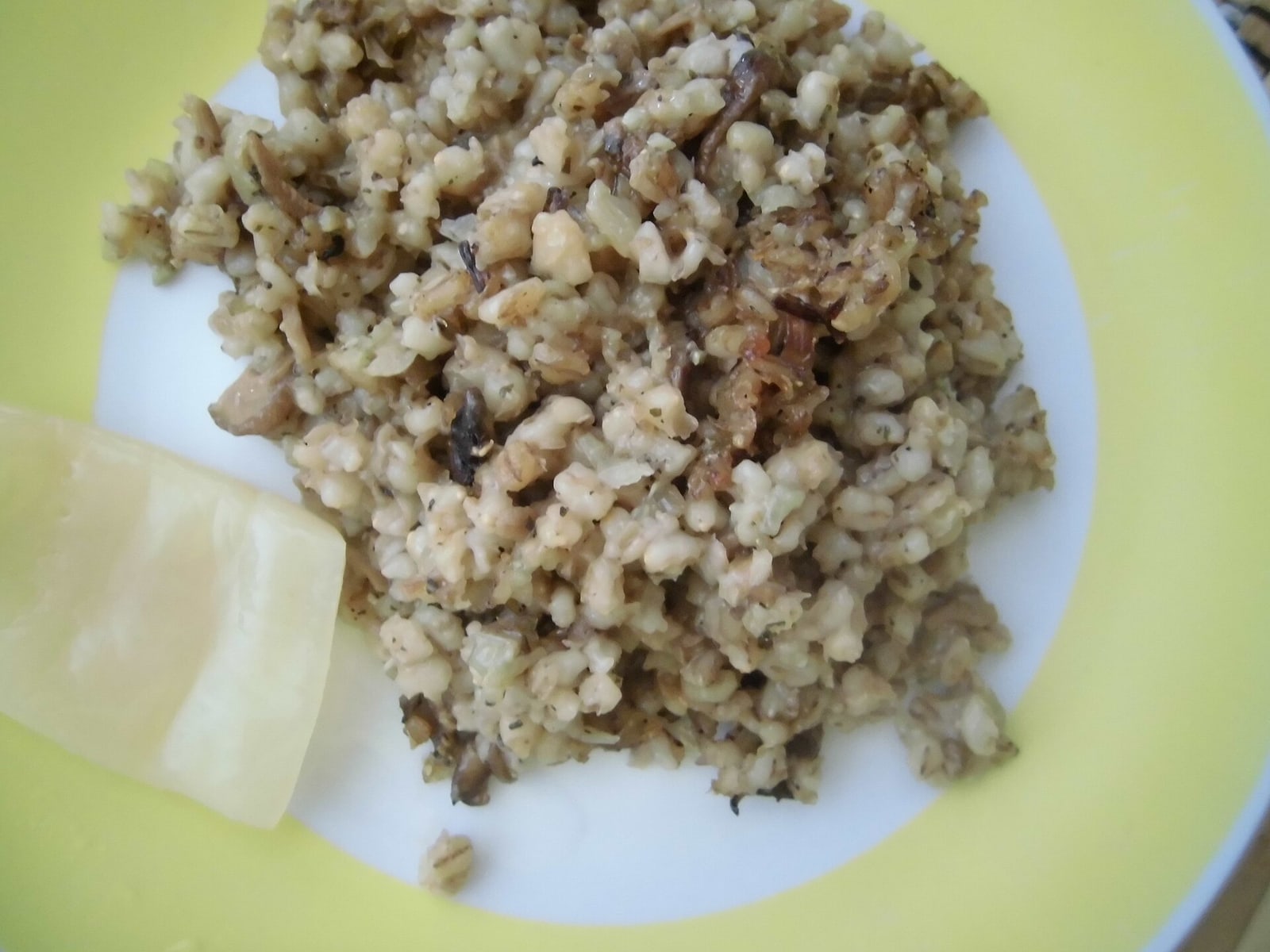
Before fried carp became the Christmas Eve default for many Czech families, barley and dried mushrooms already had a place at the festive table. Kuba is one of the clearest surviving links to that older food culture.
Prague Stories · Literary day trip
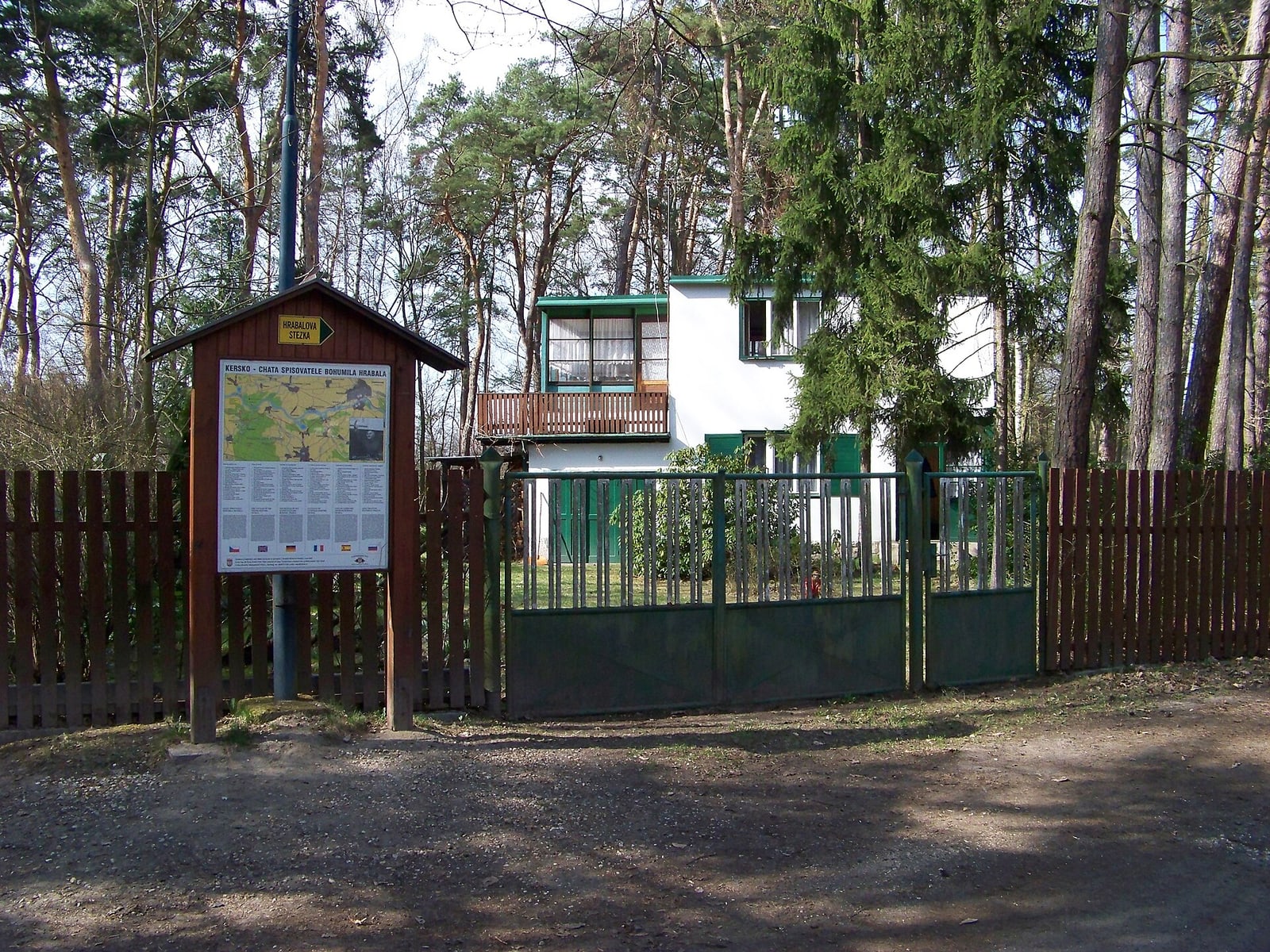
Bohumil Hrabal did not need a palace or monumental square to build a literary landscape. Kersko — a forest settlement east of Prague — became his refuge and one of the places most closely associated with his later life and stories.
Prague Stories · Deep Bohemia
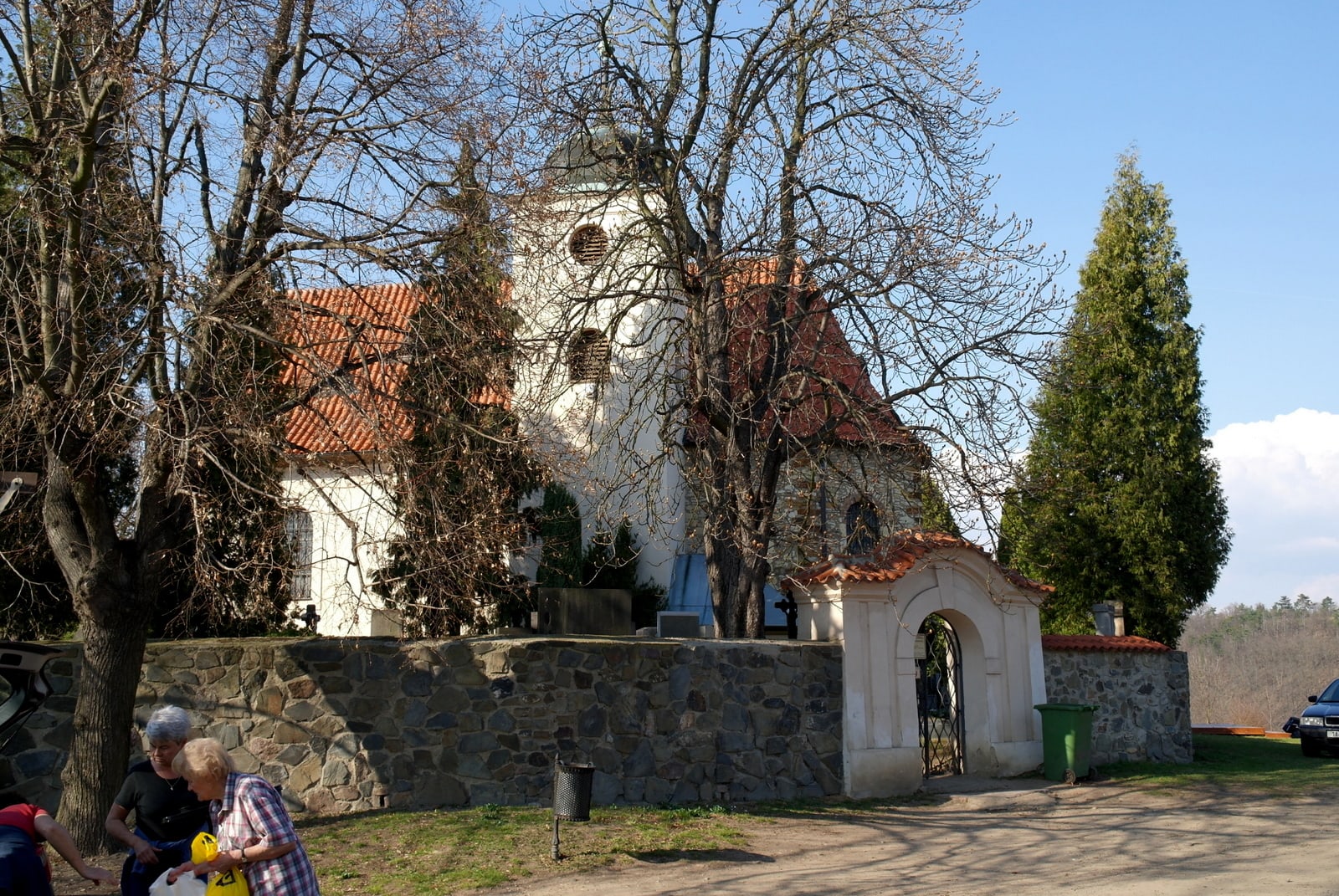
Less than ten kilometres beyond Prague’s northern edge, Levý Hradec preserves the footprint of an early Přemyslid power centre and the place associated with the first Christian church in Bohemia.
Prague Stories · Lost landscapes
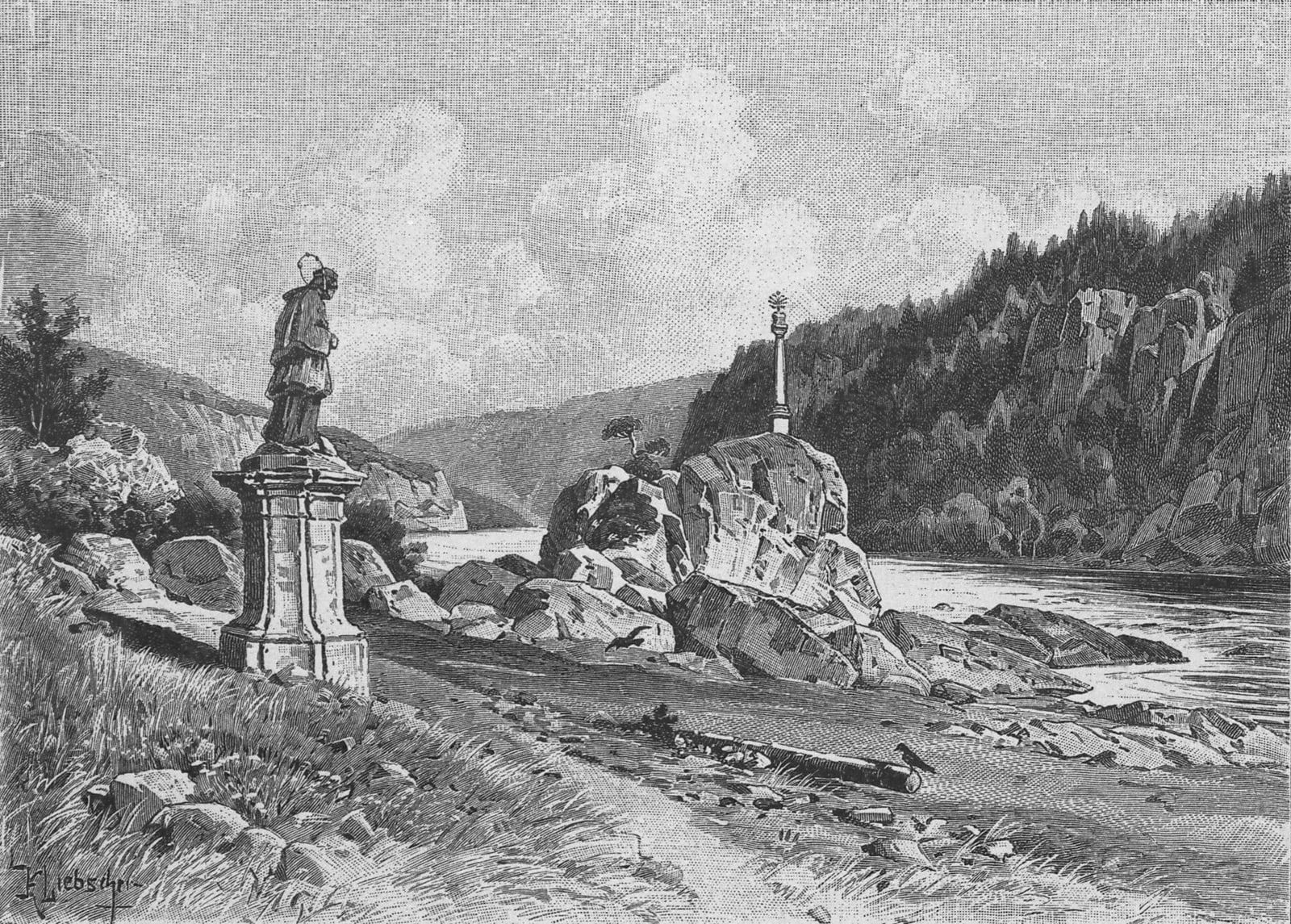
Before dams reshaped the Vltava south of Prague, the Svatojánské proudy — St John Rapids — were a dangerous, celebrated river landscape. Today the water is calmer, but trails and surviving traces let you walk through a geography that no longer exists.
Prague Stories · Archaeology day trip
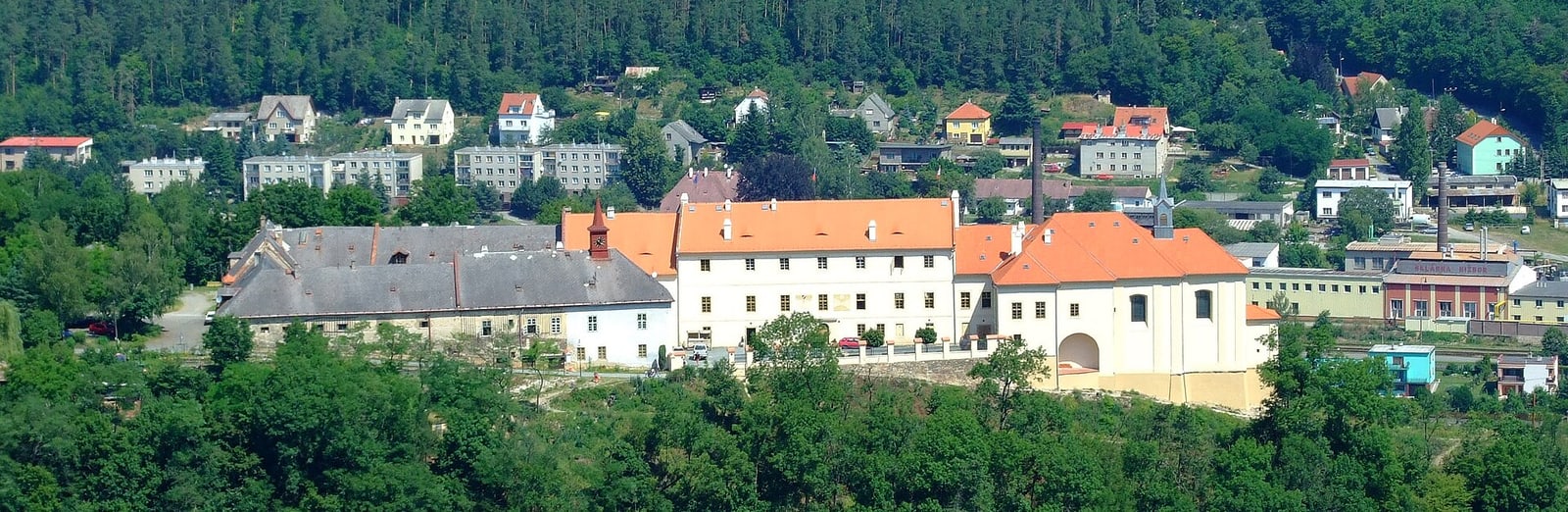
Across the Berounka from Nižbor Castle lies Stradonice, one of the richest Iron Age oppida in Bohemia. The landscape connects a modern Celtic information centre with the remains of a large settlement that flourished centuries before Prague.
Prague Stories · Unfinished places
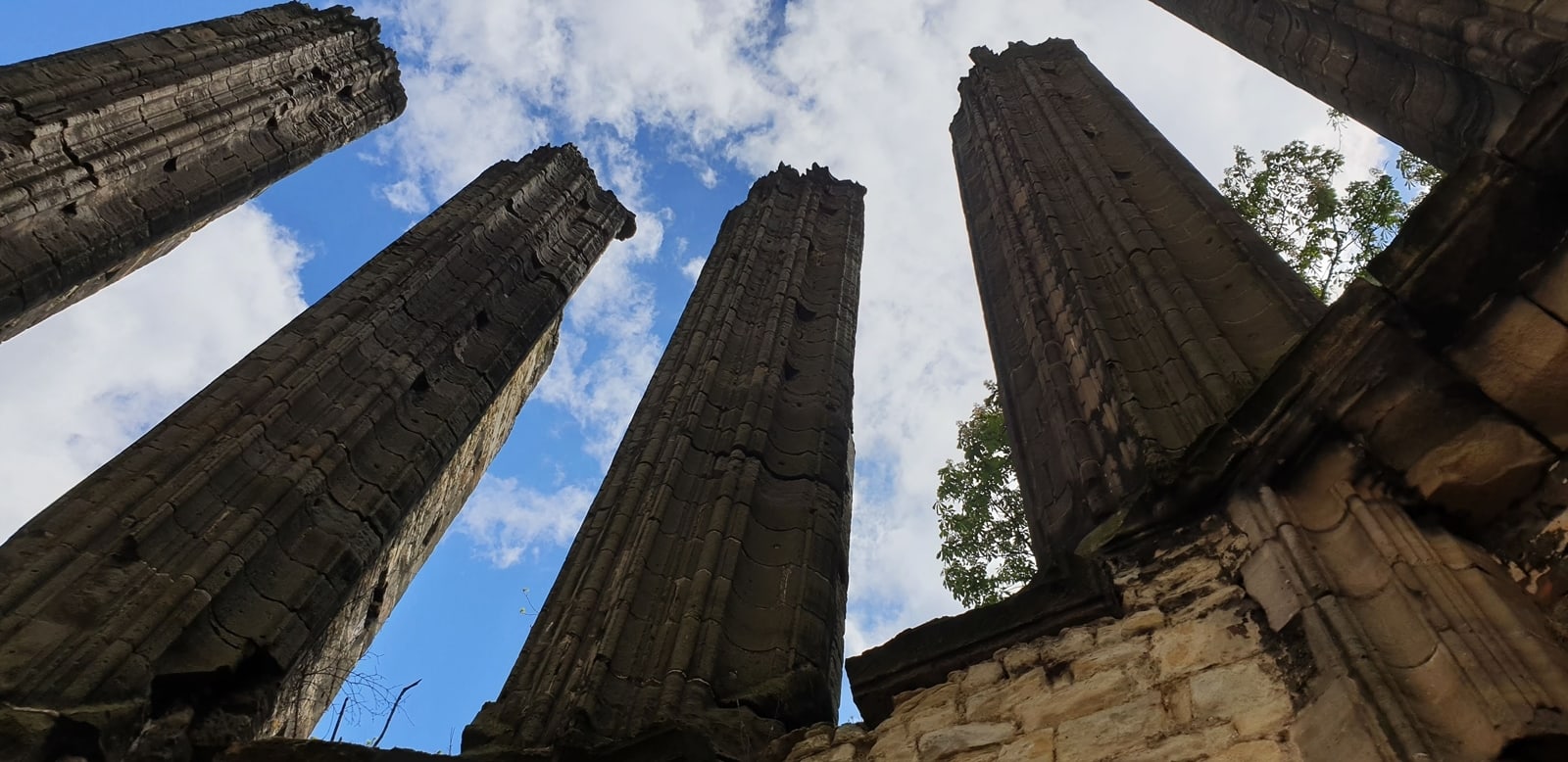
High Gothic walls and window openings rise directly into the sky at Panenský Týnec. The church was planned on an ambitious scale, worked on by a royal building lodge and then left unfinished for centuries.
Prague Stories · Pub culture
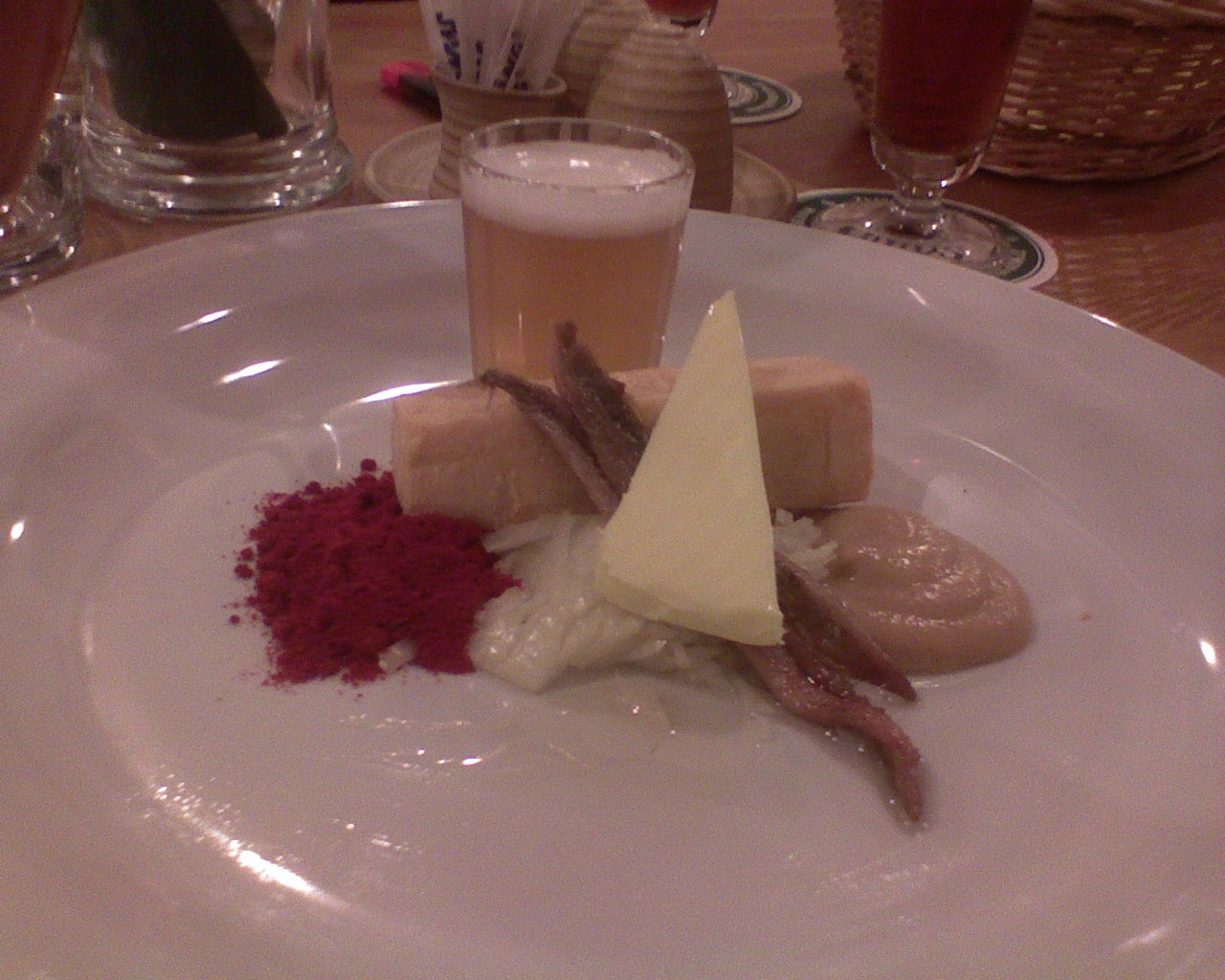
Some Czech pub traditions blur the line between being served a dish and assembling it yourself. Pivní sýr — beer cheese — is one of them: pungent cheese, onion, mustard, paprika and beer can become a table-side mixture spread onto bread.
Prague Stories · Invisible Prague
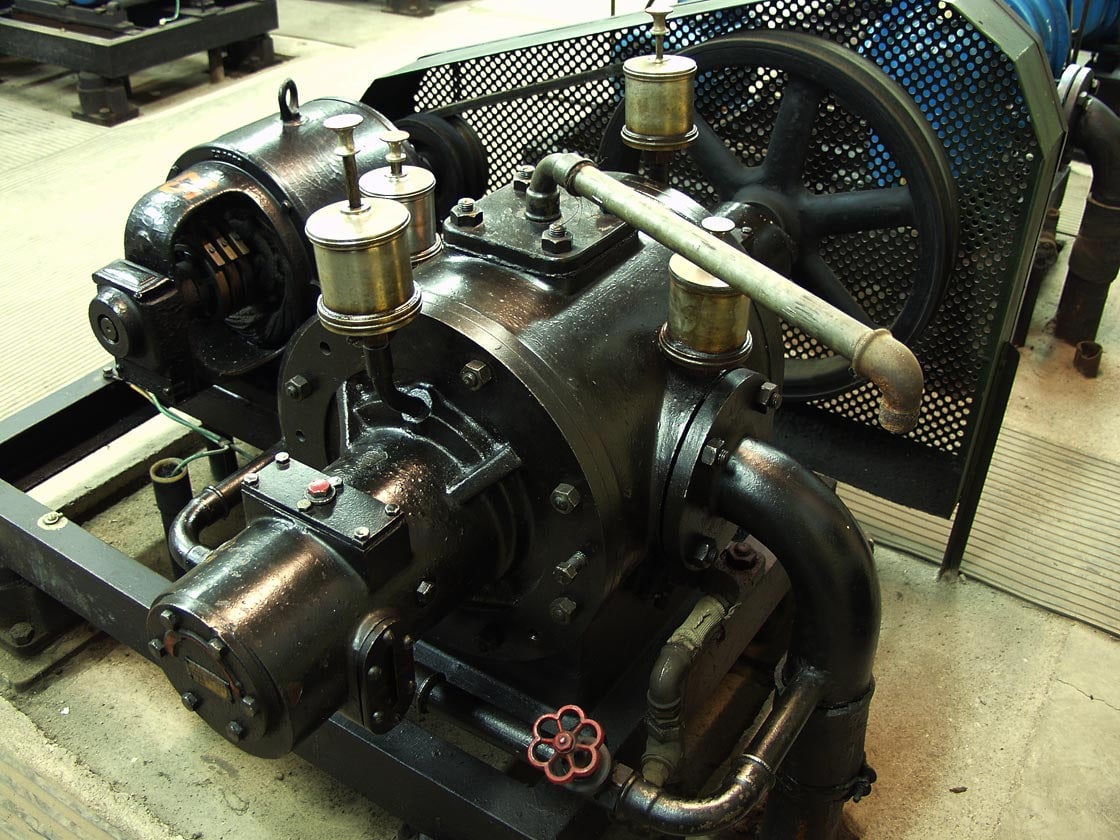
Long before email, Prague sent messages through tubes using compressed air. The city’s pneumatic-post network eventually linked major institutions across the centre and survived into the twenty-first century before the 2002 flood seriously damaged it.
Prague Stories · Café culture
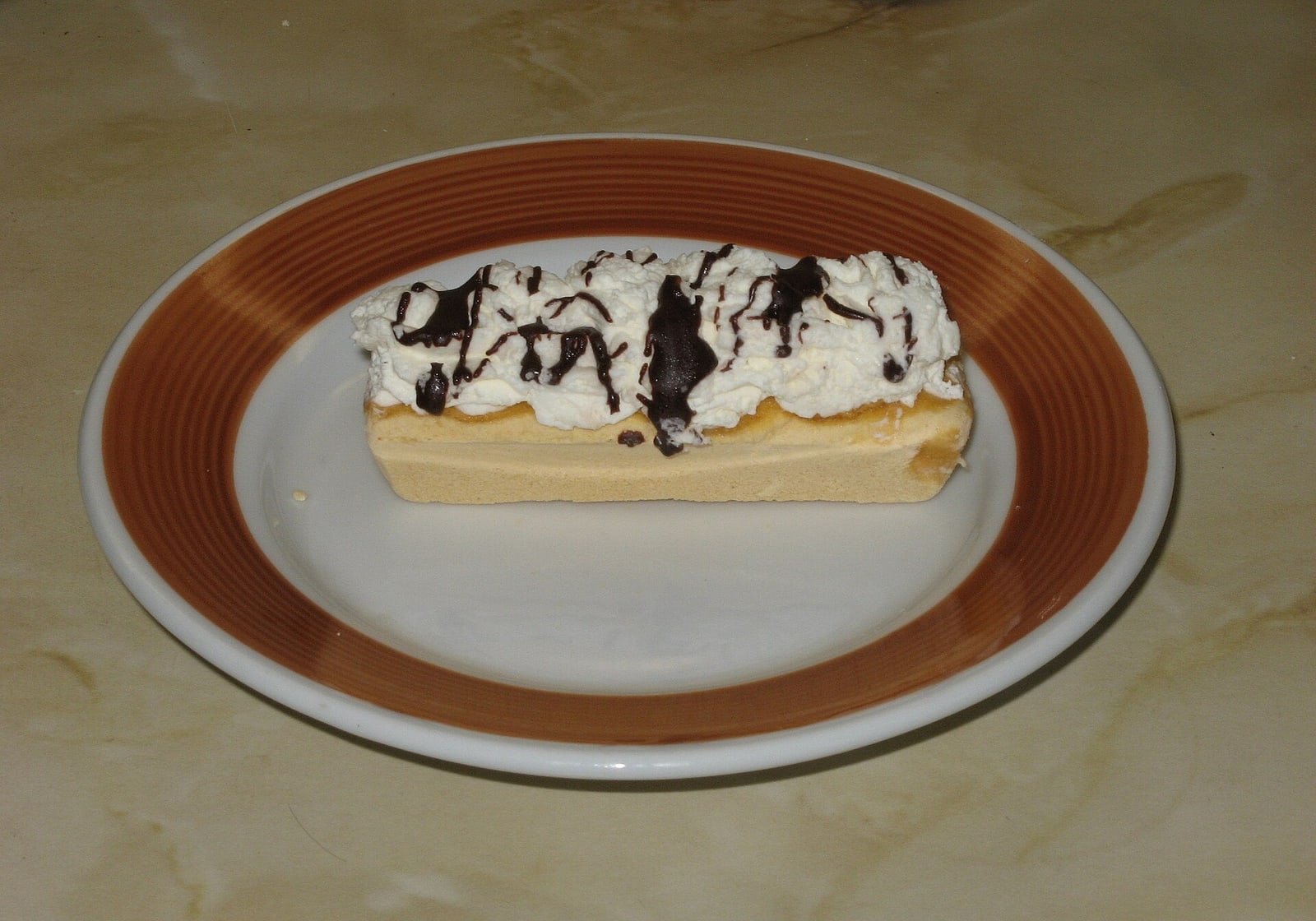
Tourists line up for chimney cake, while an older Czech confectionery classic sits behind glass under a name that sounds like a Gothic joke. Rakvička means “little coffin”: a crisp elongated shell served with whipped cream.
Prague Stories · Everyday Prague
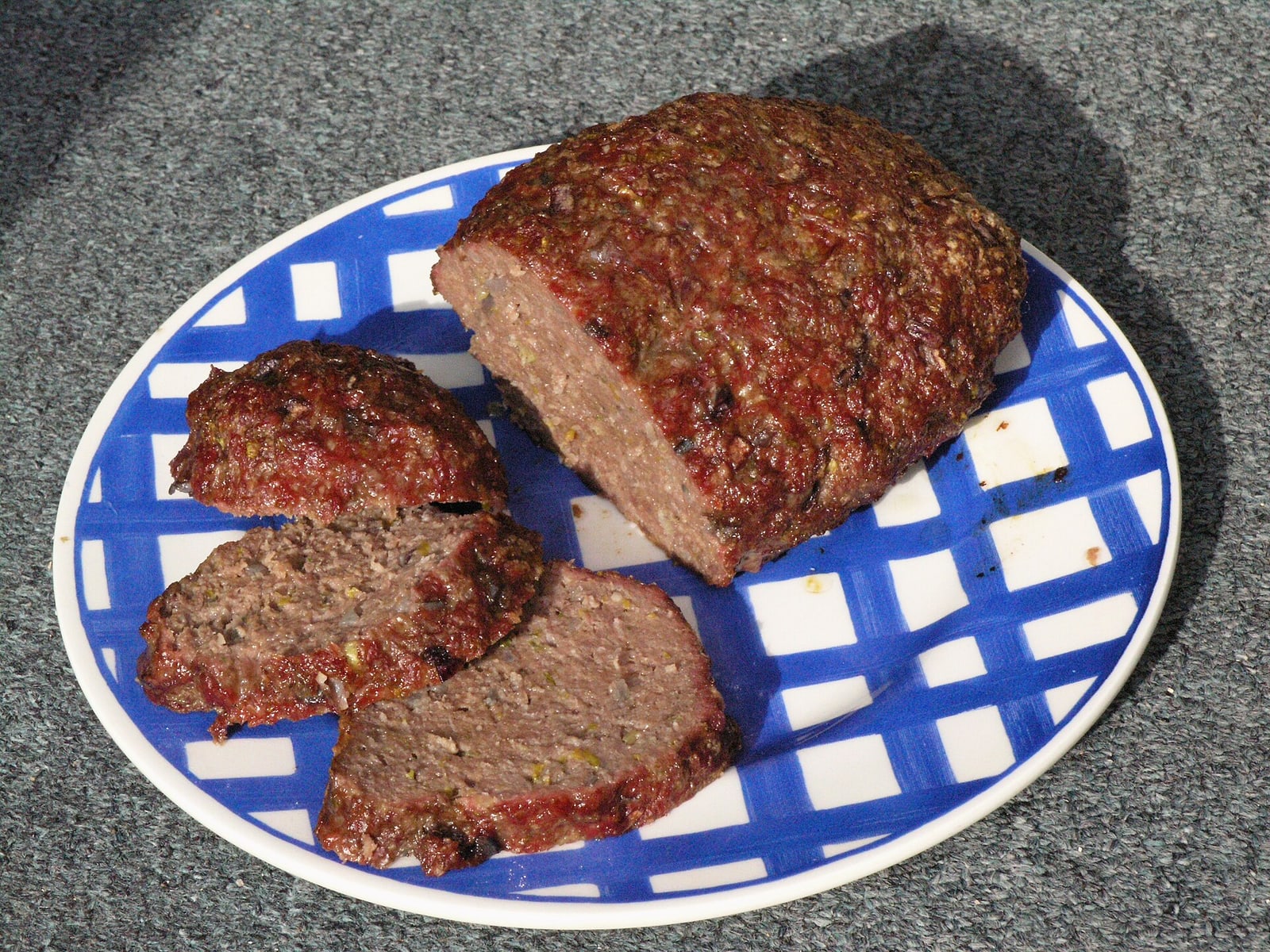
A thick slice of meatloaf pushed into a bread roll is one of the simplest Czech quick meals. Sekaná v housce is cheap, portable and rooted in butcher-shop and kiosk culture rather than restaurant tourism.
Prague Stories · Industrial day trip
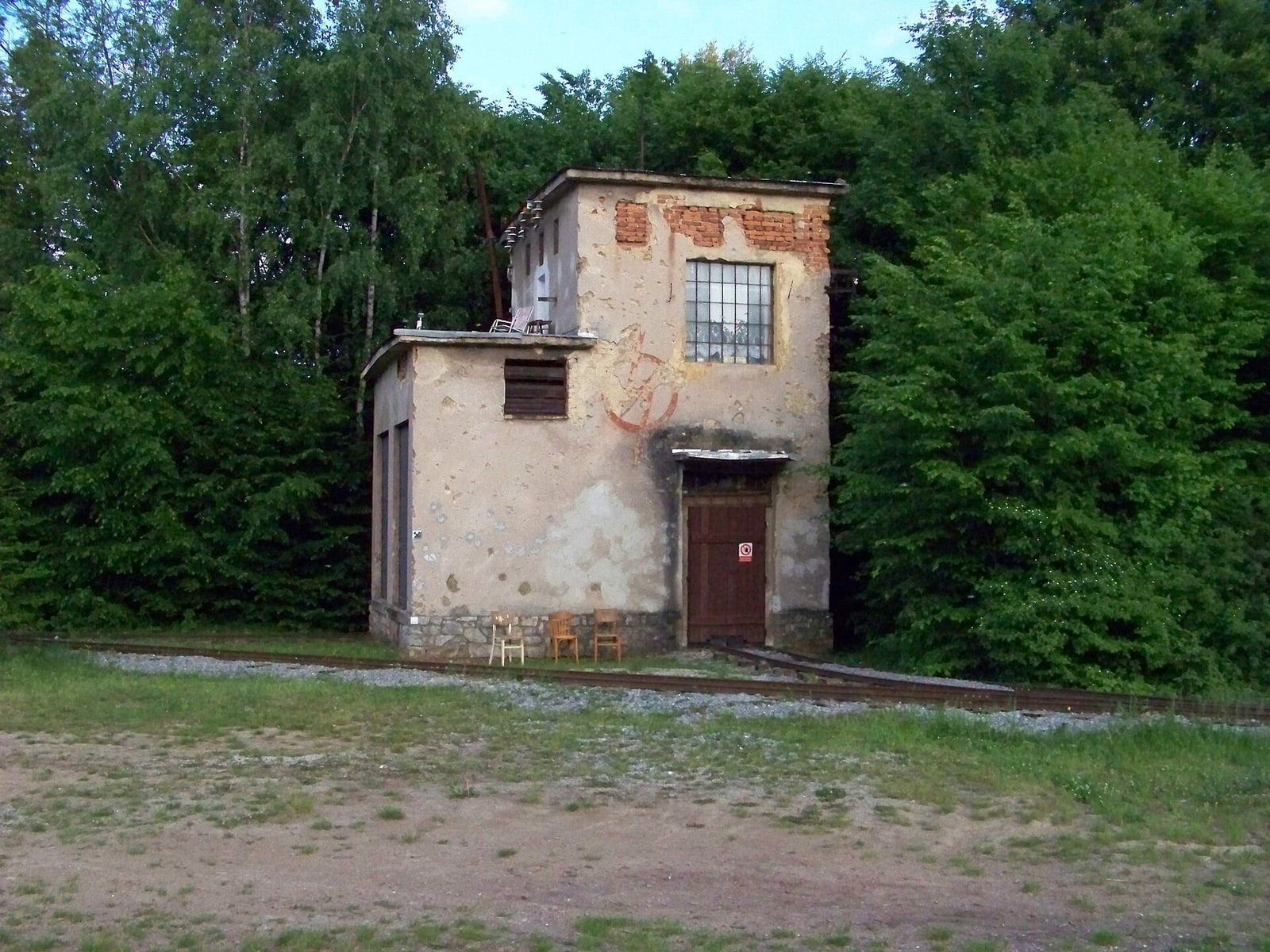
Above Svatý Jan pod Skalou, a former limestone quarry preserves narrow-gauge railway equipment, mine workings and the transport systems that once moved stone by rail, underground and even through the air.
Prague Stories · Food people miss
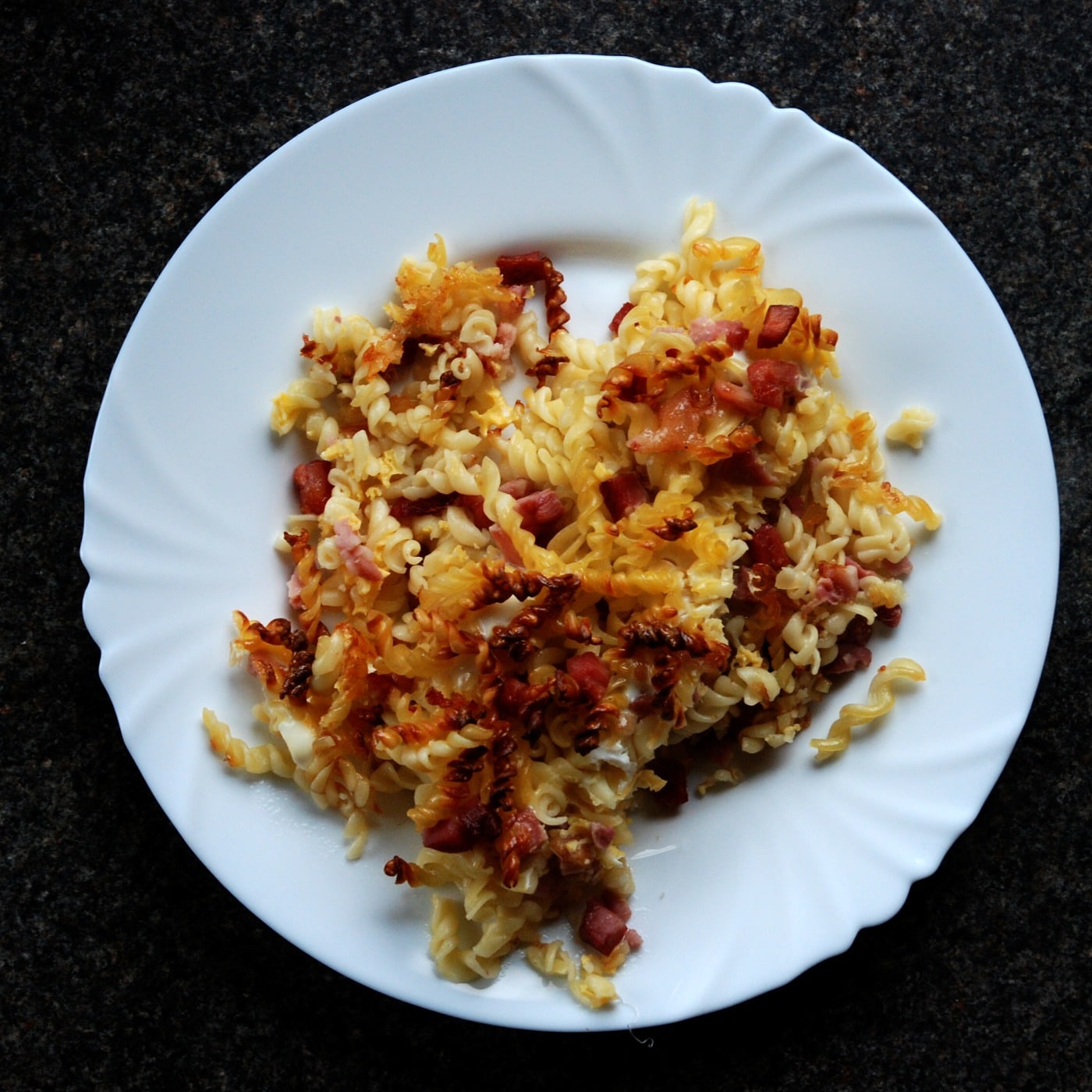
Pasta, smoked meat and egg baked into a sliceable casserole may sound too ordinary for a travel guide. That is exactly why šunkofleky belong here: they represent the everyday Czech table that tourism usually edits out.
Prague Stories · Hidden day trip
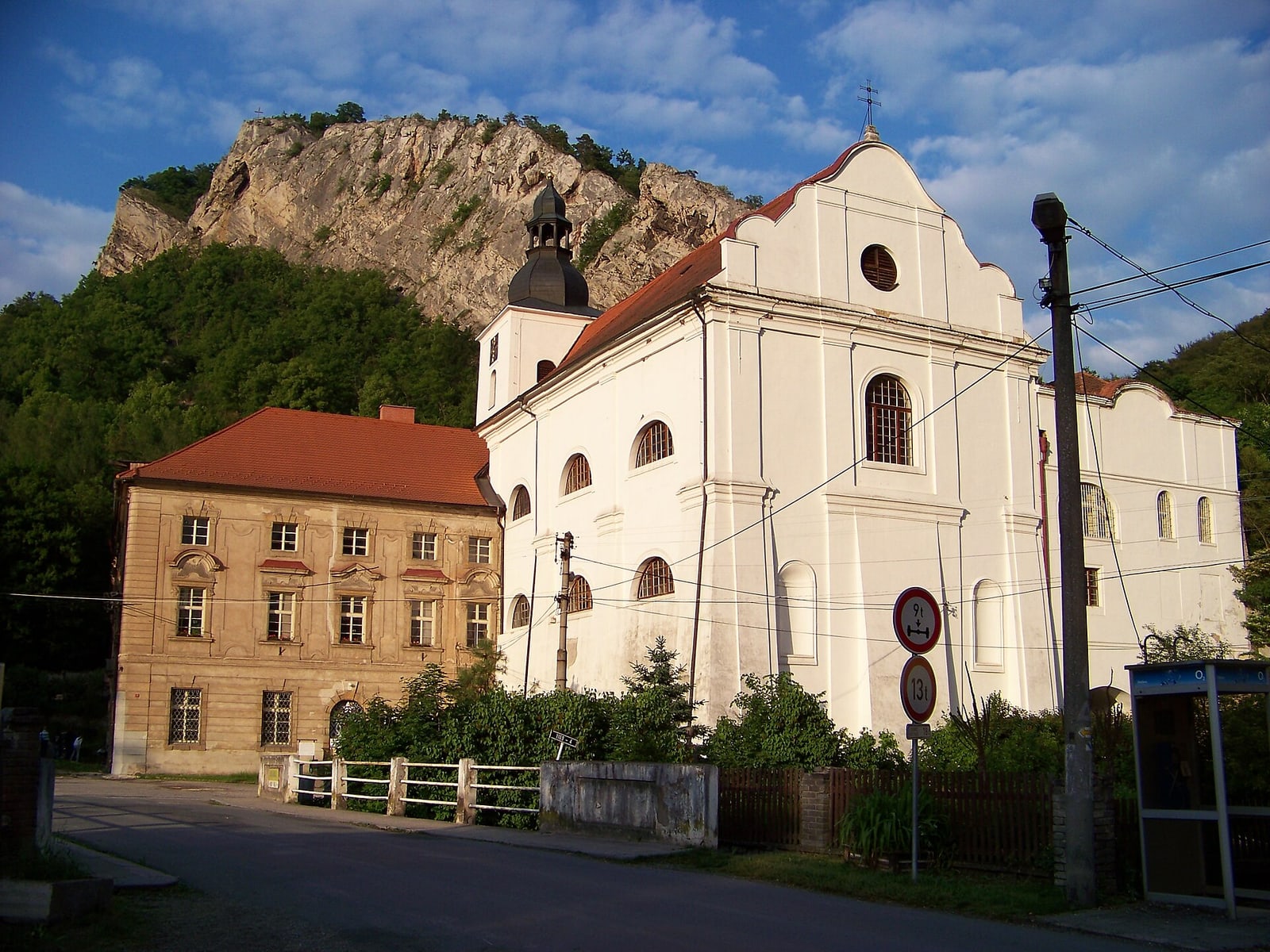
A limestone cliff rises almost directly above the monastery village of Svatý Jan pod Skalou. Below it, a preserved cave, a spring and centuries of Benedictine history wrap around the legend of the hermit Ivan.
Prague Stories · Early Bohemia
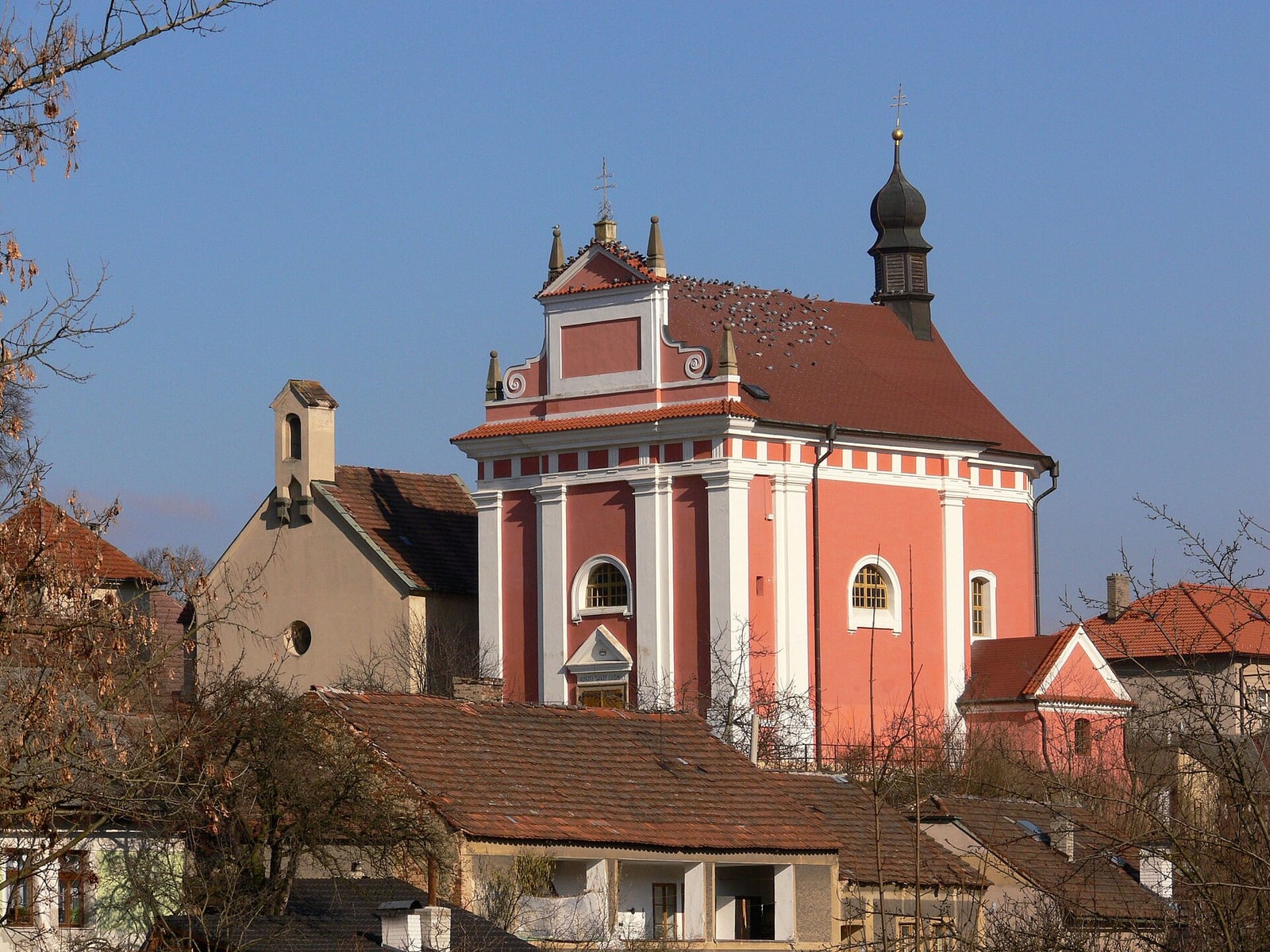
Tetín looks like a quiet village above the Berounka, but its early medieval hillfort is tied to one of the foundational political murders in Czech history: the killing of Ludmila in 921.
Prague Stories · Pub culture
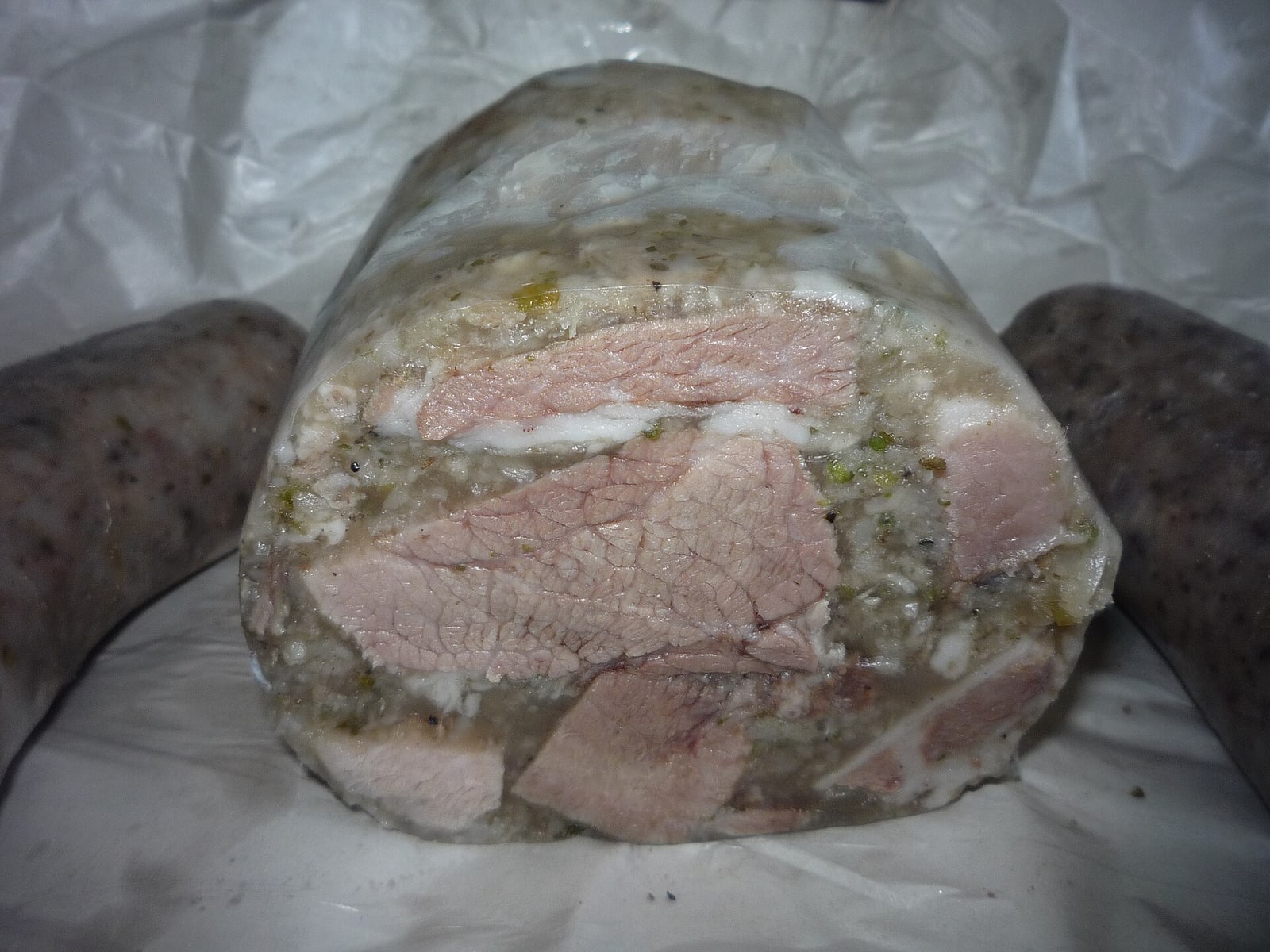
The English label “head cheese” can make tlačenka sound stranger than it is. Think instead of a rustic pork terrine set in its own gelatin, sliced cold and sharpened with raw onion and vinegar.
Prague Stories · Pub culture
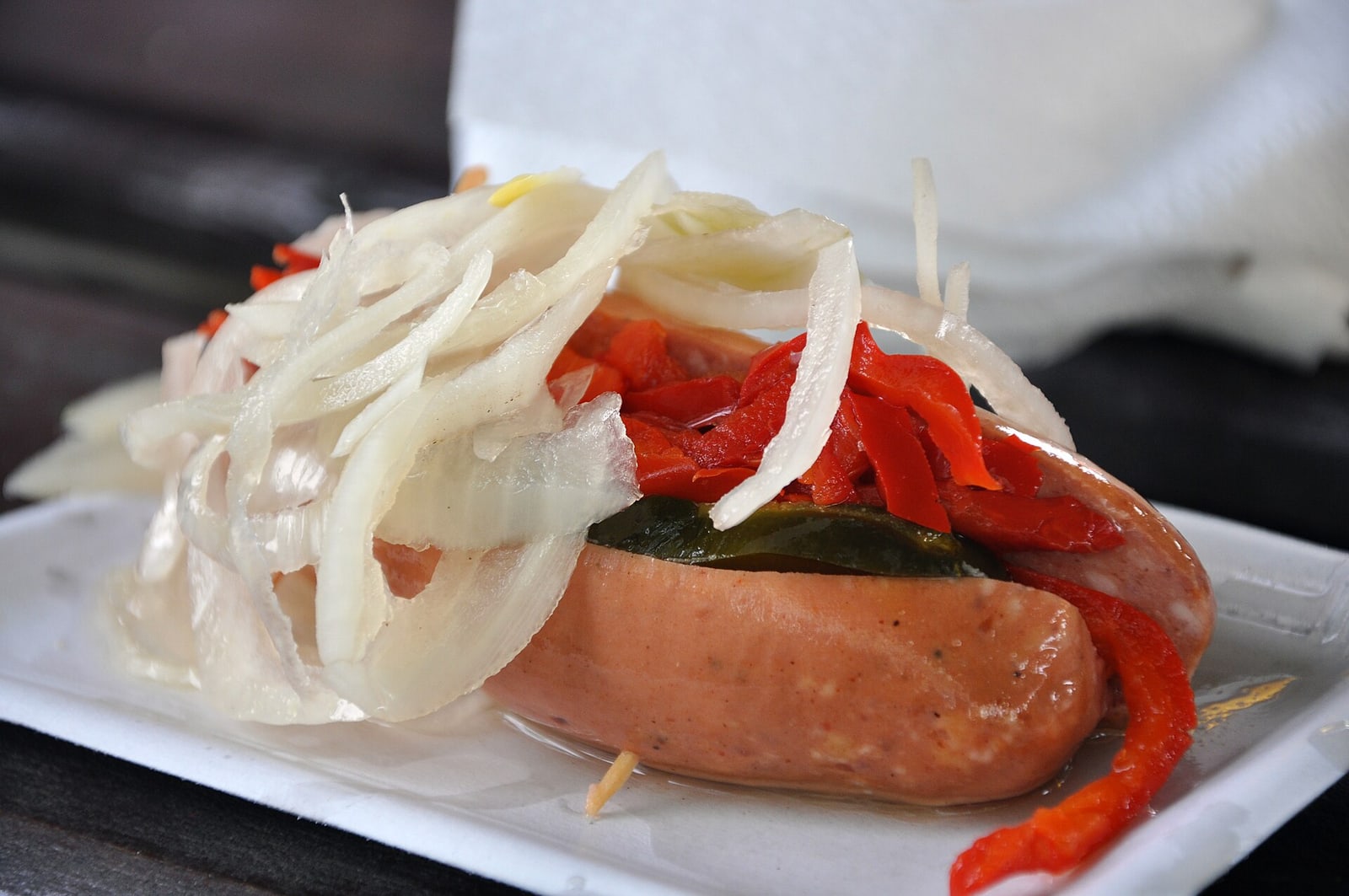
A sausage split with onion and submerged in a sharp vinegar pickle is one of the most recognisable Czech cold pub snacks. Its name, utopenec, literally means a drowned man — and the jar explains the joke immediately.
Prague Stories · Archaeology near Prague
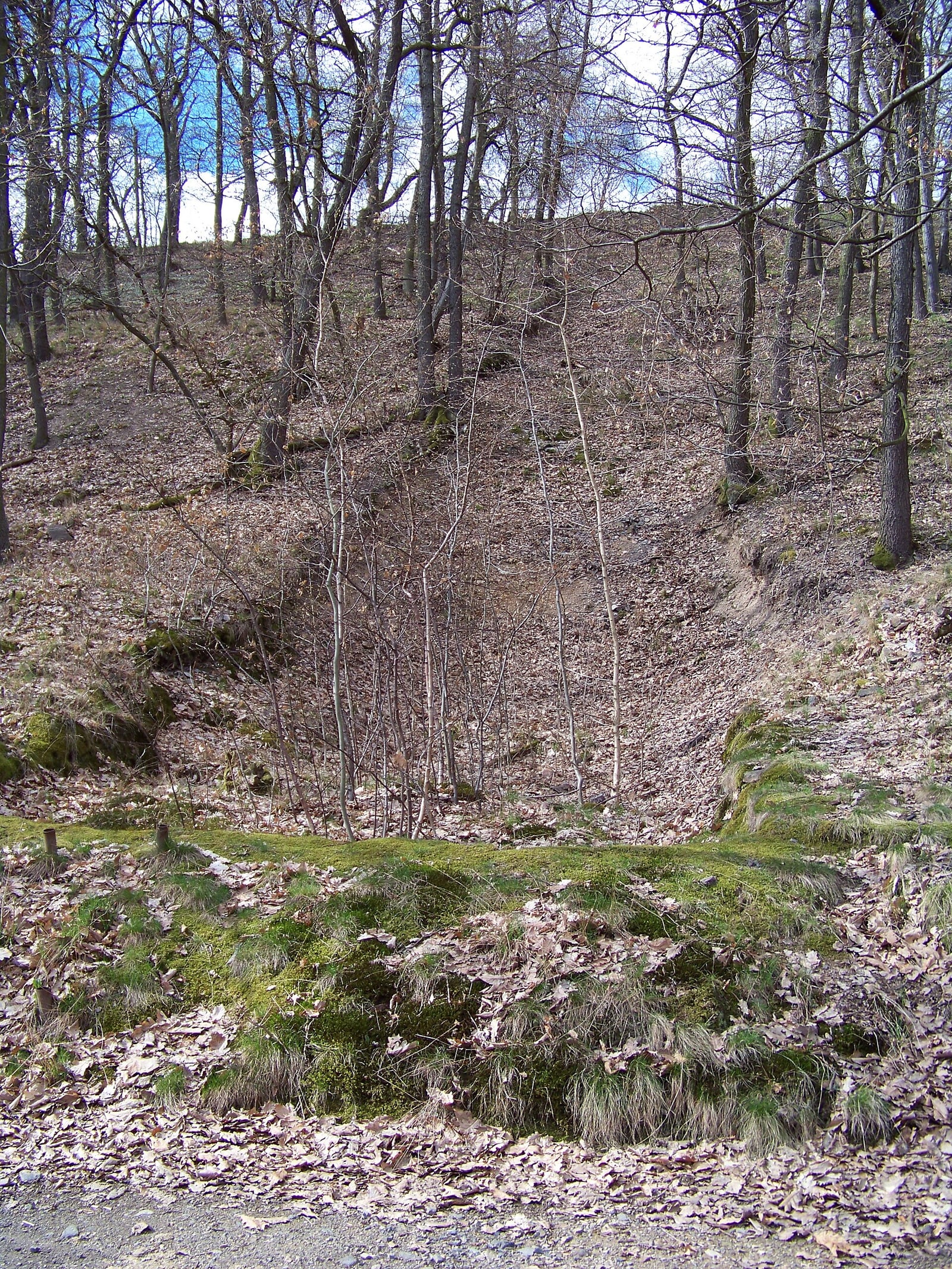
On wooded high ground just south of Prague, the oppidum at Závist once covered nearly 200 hectares. Archaeology identifies it as one of the most important Iron Age centres in the Bohemian basin.
Prague Stories · Food people miss
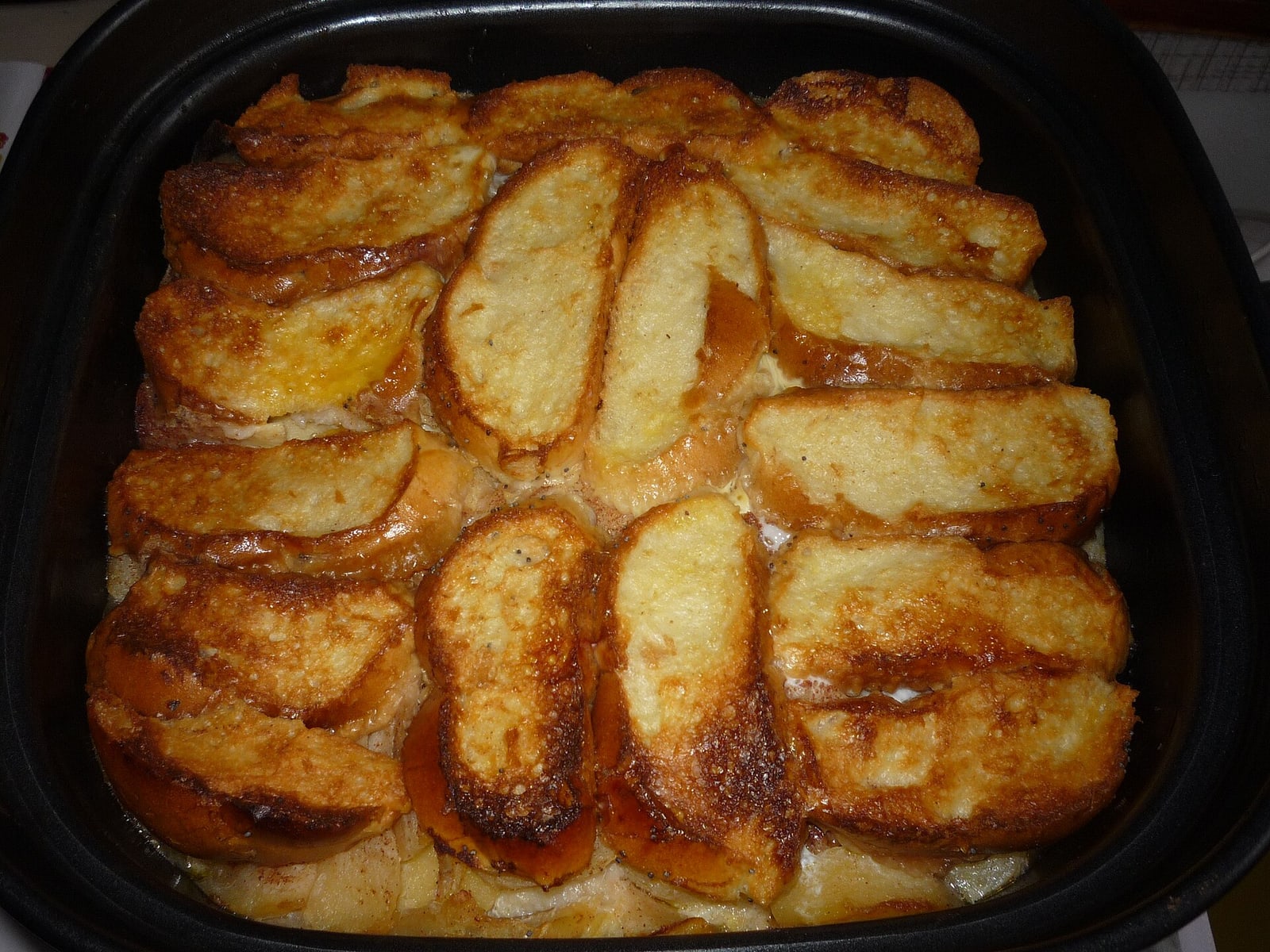
Bread, apples, cinnamon, milk and sometimes quark become a baked dish generations of Czechs know from home and school canteens. The surprise for many visitors is not the recipe but the timing: žemlovka can be lunch.
Kingdom Come: Real Bohemia
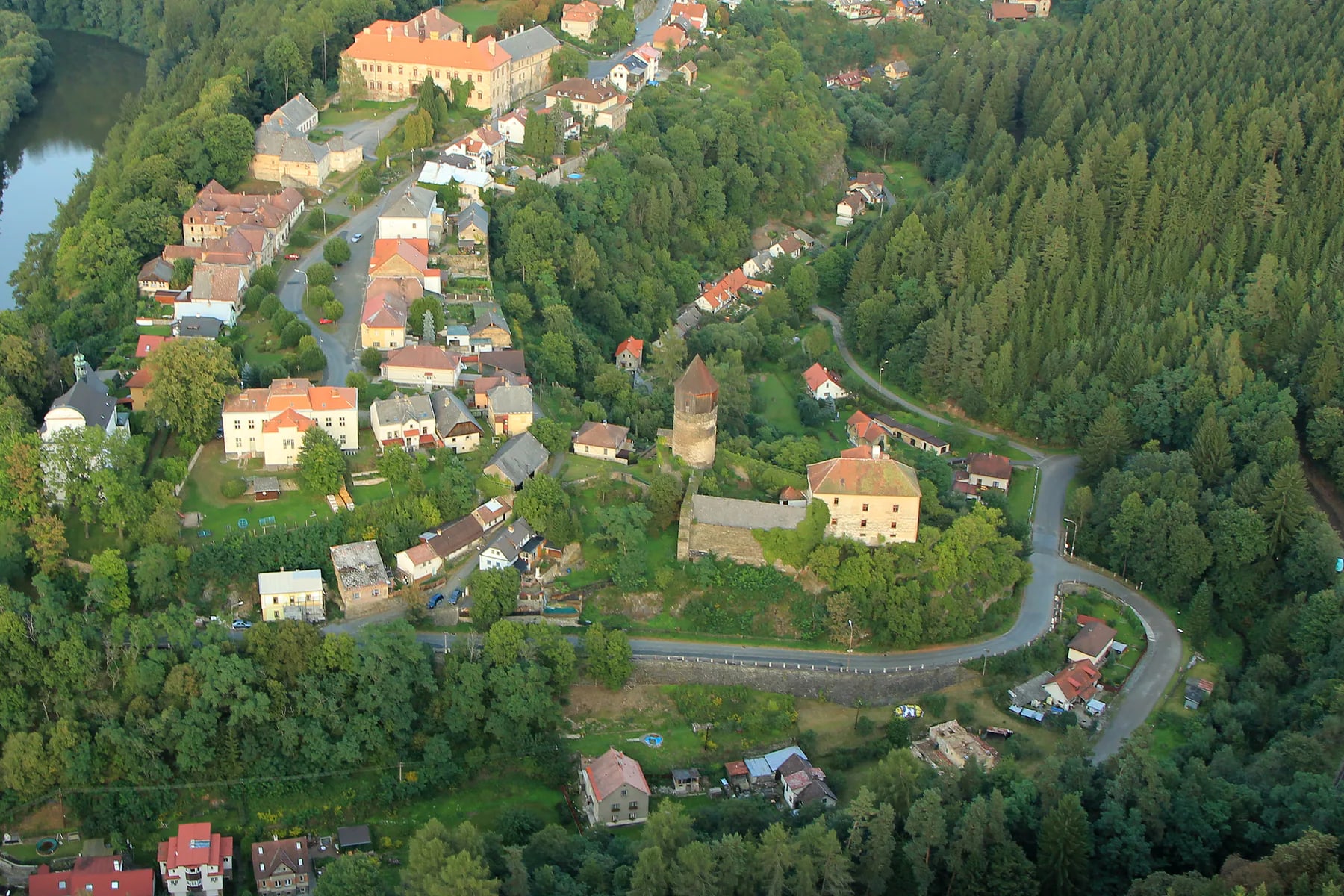
A reality-first guide to Rataje nad Sázavou, the real place behind Rattay in Kingdom Come: Deliverance, using Pirkštejn Castle as the key surviving visual anchor.