
Prague Stories · Czech Food
Koláče Are a Czech Pastry Family, Not One Single Cake
Ask for a koláč and you are naming a family, not a rigid shape. Czech bakeries use the idea across sizes, patterns and regional styles, with fillings such as poppy seed, tvaroh and plum carrying much of the identity.
Prague bakeries and cukrárny

Koláč is singular; koláče is plural.
Singular, plural — and immediately more complicated
That grammar is the easy part. The pastry itself refuses a single universal silhouette. A koláč can be small enough for two bites or large enough to decorate elaborately, open-faced or patterned, associated with weddings, regions or everyday bakery cases. What ties the family together is less a fixed geometry than a tradition of enriched dough and visible filling. This matters in Prague because visitors often arrive with one image — perhaps the neat round “kolache” known in parts of the United States — and then wonder why the bakery case does not match it. The Czech answer is that variation is not a corruption of the category. Variation is the category.
The filling tells you where to start reading
Three fillings recur so often that they form a useful first vocabulary. Mák is poppy seed, dark and nutty. Tvaroh is a fresh curd cheese, mild and tangy. Povidla is a dense plum preparation with deep fruit sweetness. Czech recipes also use fruit, nuts and other fillings, and regional specialties combine or decorate them in distinctive ways. Chodský koláč, for example, can be elaborately patterned with tvaroh, poppy seed and plum components across a large round surface. Wedding koláčky can be tiny, filled pieces made for abundance. Seeing those two side by side destroys the idea that a koláč has one official size or topping arrangement.
Regional identity lives in the pattern
Traditional pastry is often geography made edible. Recipes change with local custom, celebration and available ingredients, and certain forms become associated with particular areas. That is why a bakery label can be more informative than a tourist guide's generic “Czech cake” caption. The name may tell you whether you are looking at a Chodsko-style pastry, a Moravian form, a wedding version or the bakery's own adaptation. In Prague, many of those regional forms meet. The capital acts as a display case for traditions that did not all originate inside the city. That is not a problem to solve; it is one of the reasons a Prague bakery can teach you so much about the rest of Czechia.
Texas kept the word and wrote another chapter
Czech migration carried koláče abroad, especially into Czech communities in Texas. There the word, often rendered “kolache,” became part of a separate food culture and continued to evolve. American versions can differ in dough, size, filling and terminology, and savoury sausage-filled pastries are sometimes grouped under the same commercial label even though Czech speakers may make finer distinctions. The important thing is not to police diaspora food. It is to recognize the direction of travel. The American tradition is historically connected to Czech migration, then developed locally. So when a Texan visitor sees a Prague koláč that looks “wrong,” the surprise is really evidence that both branches have been changing for generations.
Use the bakery case as a tasting map
Start with filling rather than shape. Pick one poppy-seed, one tvaroh and one plum if the shop has them. Notice how the same dough idea behaves with oily, creamy and fruity fillings. Then look for a regional name or a more decorated large format. The comparison teaches more than chasing a mythical single authentic specimen. A good koláč story is therefore plural twice over: plural in grammar and plural in tradition. The category survived because bakers kept making it adaptable enough for ordinary mornings, weddings, regional pride and, eventually, another continent.
Reviewed visuals
See the story
Supporting images selected in the Prague Stories visual review. Context images are labeled so they are not mistaken for documentary proof of the exact subject.
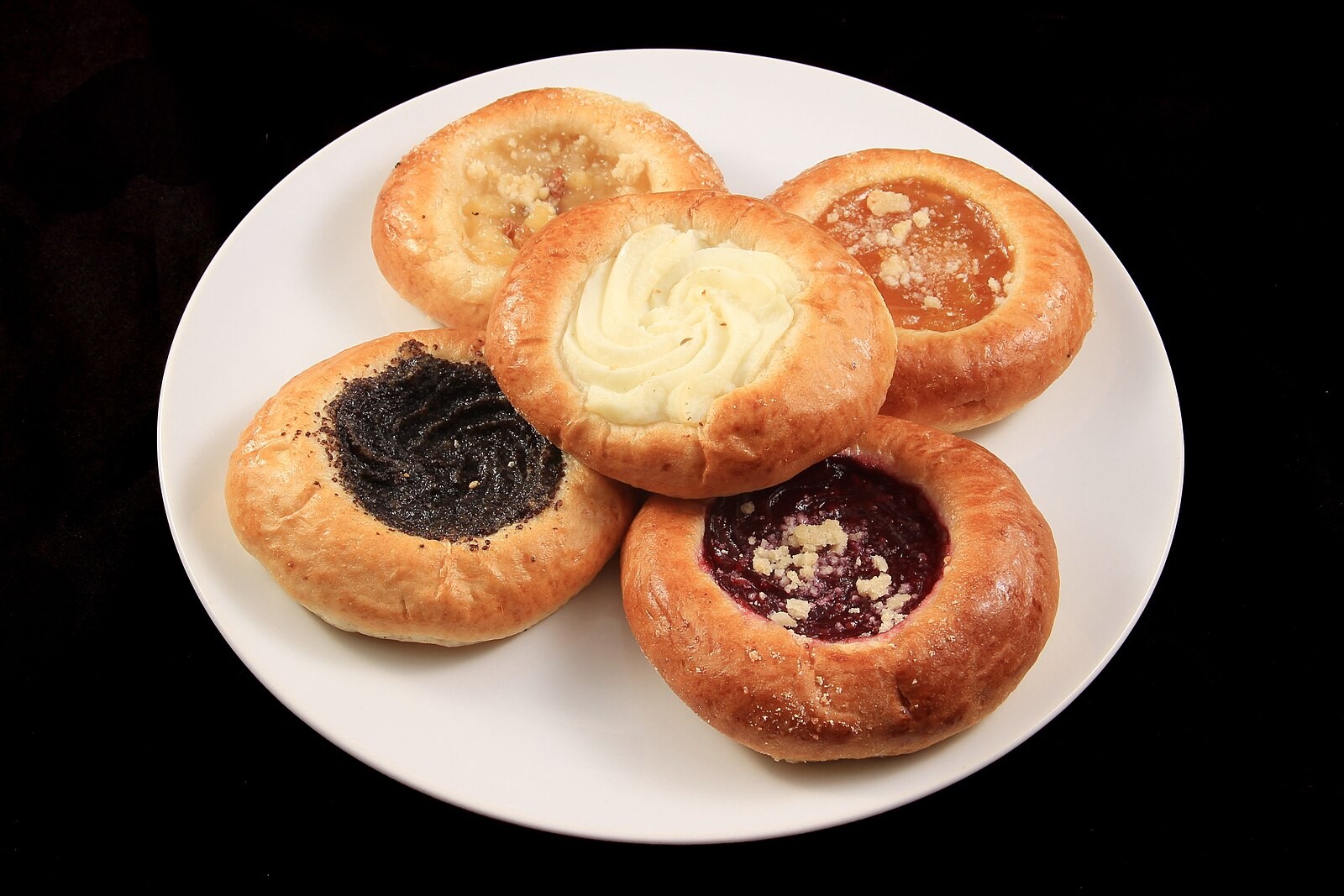
Assortment of Czech koláče pastries showing multiple toppings/forms.
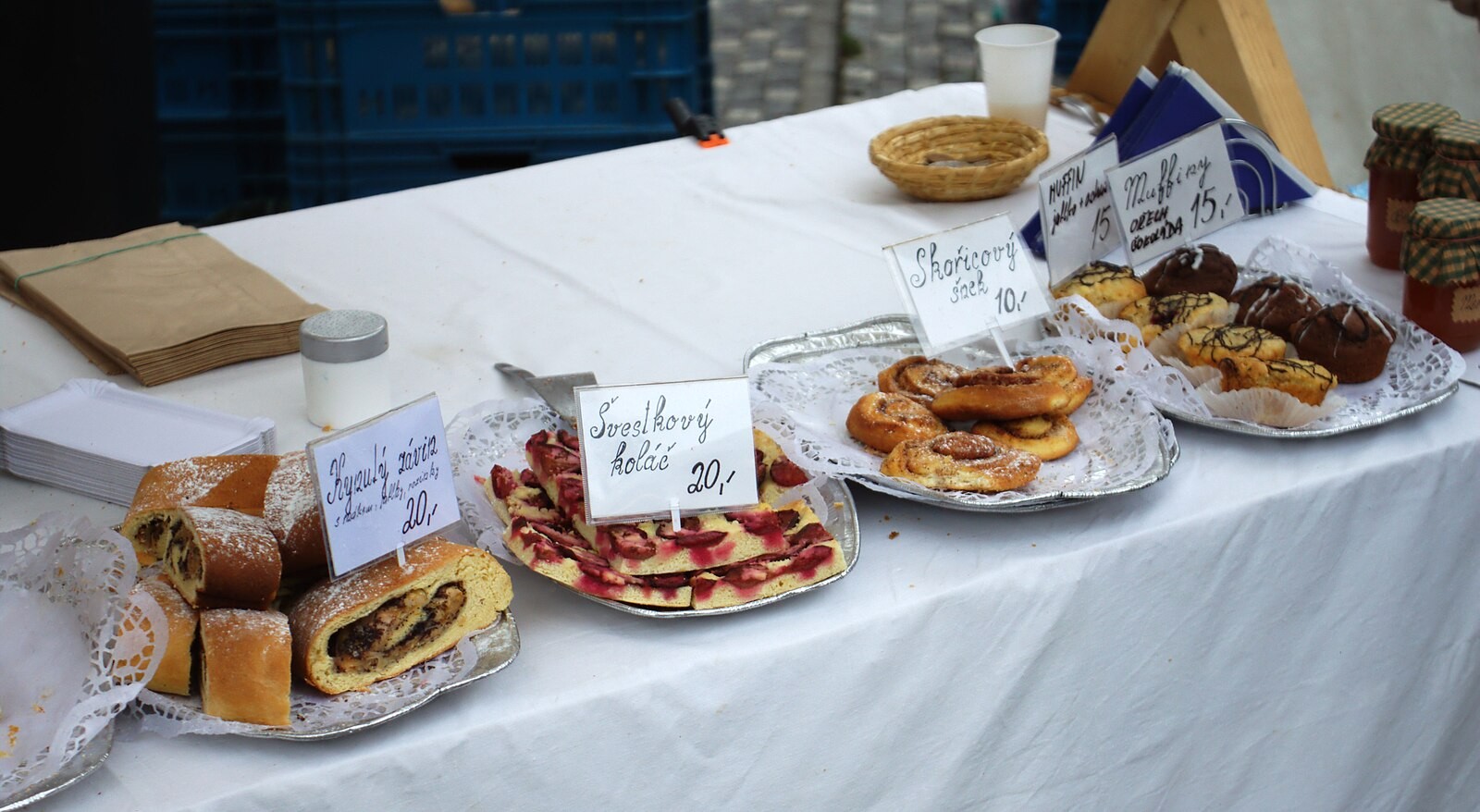
Koláče for sale at a farmers’ market in Prague.
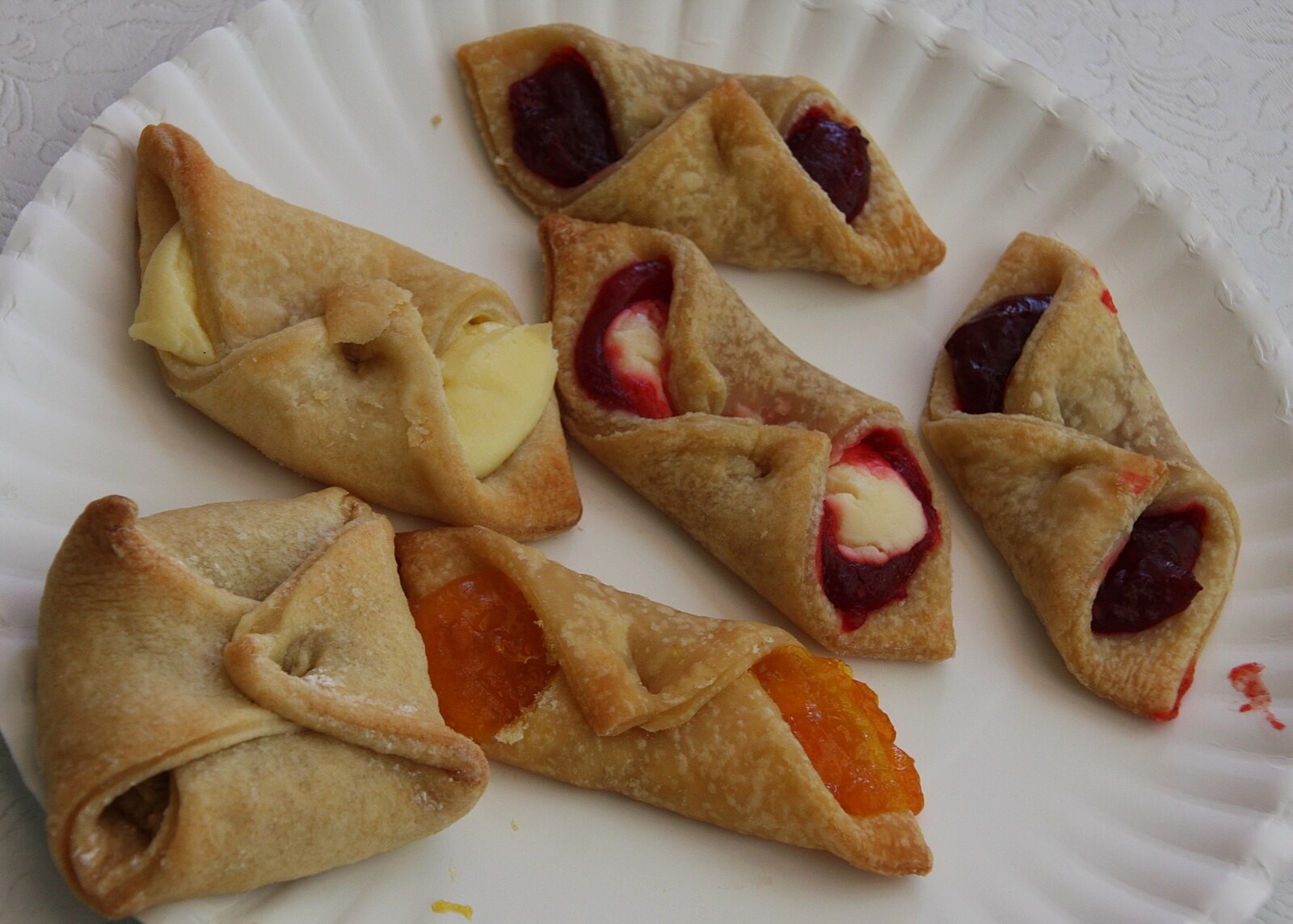
Several koláče with different fillings and shapes.
Quick facts
- Koláč is singular; koláče is plural.
- Czech koláče appear in many sizes, shapes and regional forms.
- Common traditional fillings include poppy seed, tvaroh fresh cheese and plum-based povidla.
- Chodský koláč is an example of a large, highly decorated regional form.
- Small wedding koláčky demonstrate that the category also includes miniature celebratory pastries.
- Czech migration helped create a distinct kolache tradition in Texas and other parts of the United States.
Questions
What is a koláč?
It is a Czech pastry category, typically based on enriched dough with visible or enclosed sweet filling. The exact size and form vary widely.
What fillings are traditional?
Poppy seed, tvaroh fresh cheese and plum-based povidla are among the classic options, alongside fruit, nuts and regional combinations.
Are kolaches Czech?
The tradition is Czech, and Czech migration carried it abroad. American, especially Texan, kolache culture is a genuine diaspora evolution with its own forms.
Where can you buy them in Prague?
Look in bakeries, pastry shops and some cafés. Availability and styles vary, so the display label is often your best guide.
Sources & further reading
- Zdobený chodský koláč — CzechSpecials
- Svatební koláčky — CzechSpecials
- Kolaches and the Tex-Czech community behind them — Smithsonian Magazine