
Prague Stories · Literary day trip
Kersko: The Forest Landscape That Became Part of Bohumil Hrabal’s Literary World
Bohumil Hrabal did not need a palace or monumental square to build a literary landscape. Kersko — a forest settlement east of Prague — became his refuge and one of the places most closely associated with his later life and stories.
Kersko, Central Bohemia

This forest outside Prague has its own literary universe.
Hrabal found refuge outside the official literary centre
After 1968, when political conditions pushed Bohumil Hrabal to the margins of official culture, Polabské muzeum notes that Kersko became his refuge. The shift matters because place and writing begin to overlap: forest roads, local people and everyday encounters become part of the atmosphere surrounding his work.
The landscape is ordinary on purpose
Kersko is not impressive in the monumental sense. Roads run through pine forest, weekend houses sit behind fences and local landmarks are dispersed. That ordinariness fits Hrabal’s attention to people and situations that could look trivial until language made them strange, comic or tender.
Literature changed how the place is visited
Readers arrive looking for the world associated with Hrabal and with works such as The Snowdrop Festival. This is a different kind of literary tourism from visiting a writer’s birthplace: the attraction is an inhabited landscape that became inseparable from a voice.
Do not turn residents into characters
A responsible visit keeps boundaries clear. Kersko is still a lived community, not a theme park. The strongest experience comes from reading the landscape slowly and using museums, marked sites and published literature; private homes and local people are not exhibits.
Hrabal’s Kersko is atmosphere, not a GPS puzzle
A forest road, a pub conversation, a neighbour, a weekend cottage: these are the scale of things Hrabal could make funny, painful or unexpectedly grand. Trying to pin every fictional moment to one exact bench misses that quality. Some places are identifiable, but the larger reward is recognising the kind of landscape in which his attention kept finding material.
Read first, then walk
Kersko can look almost uneventful if you arrive expecting monuments. With Hrabal already in your head, the same ordinariness starts to feel charged. Walk slowly, use marked public sites and museums, and leave private homes alone. A good literary visit here should make the books larger without turning the village into a set.
Reviewed visuals
See the story
Supporting images selected in the Prague Stories visual review. Context images are labeled so they are not mistaken for documentary proof of the exact subject.
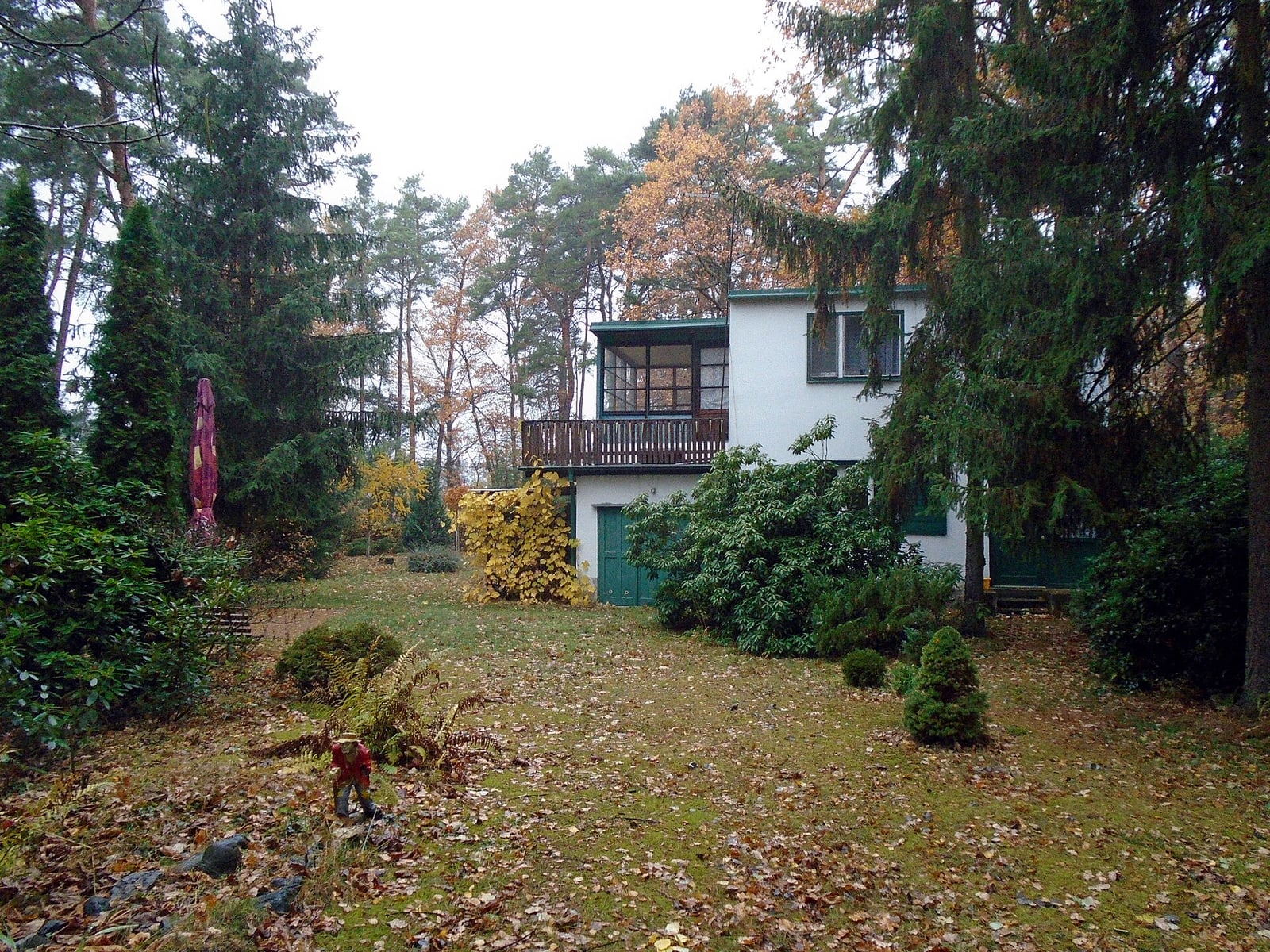
A later, materially different view of Hrabal’s cottage in Kersko.
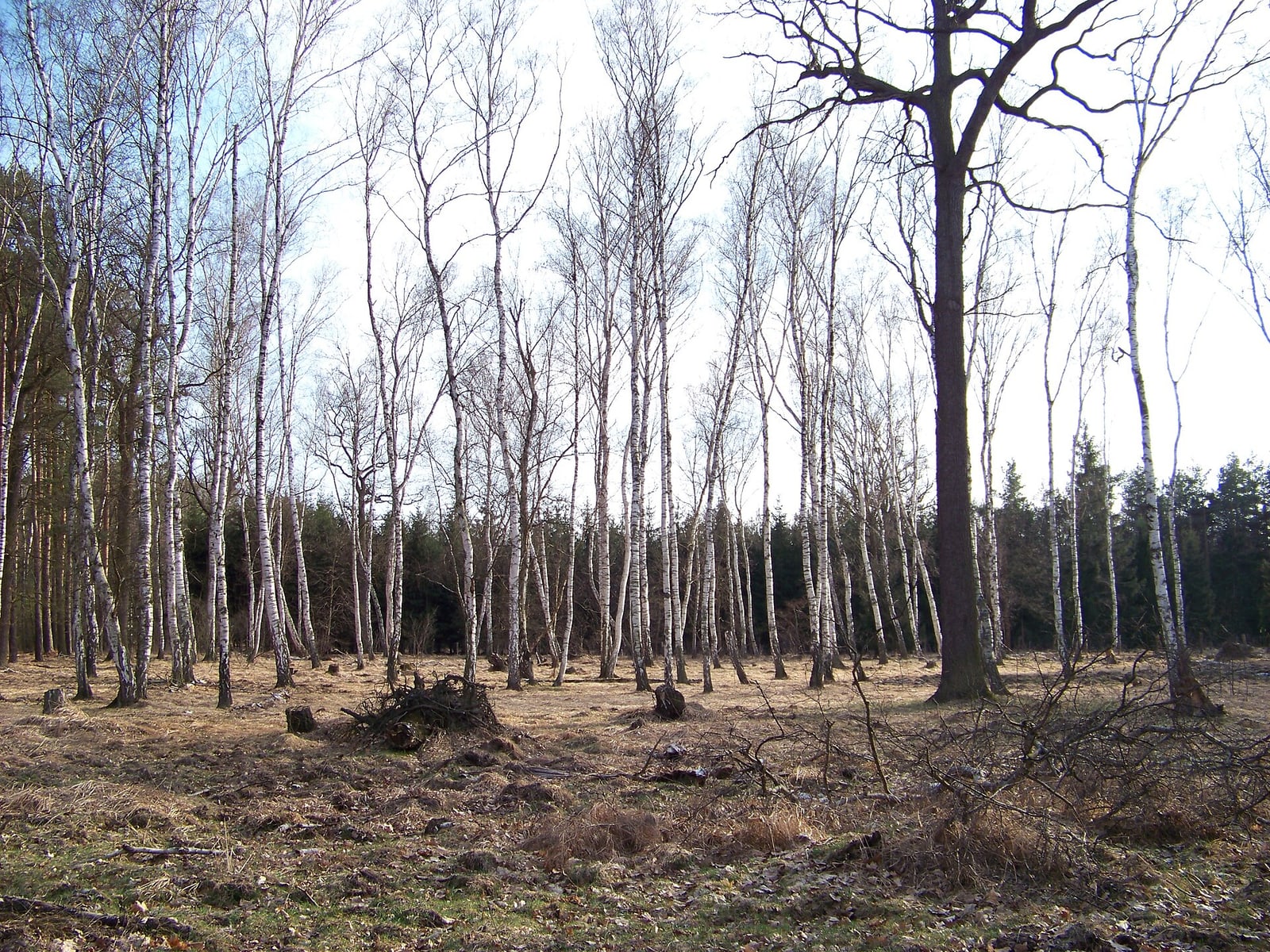
Birch grove in Kersko, showing the forest landscape central to the story.
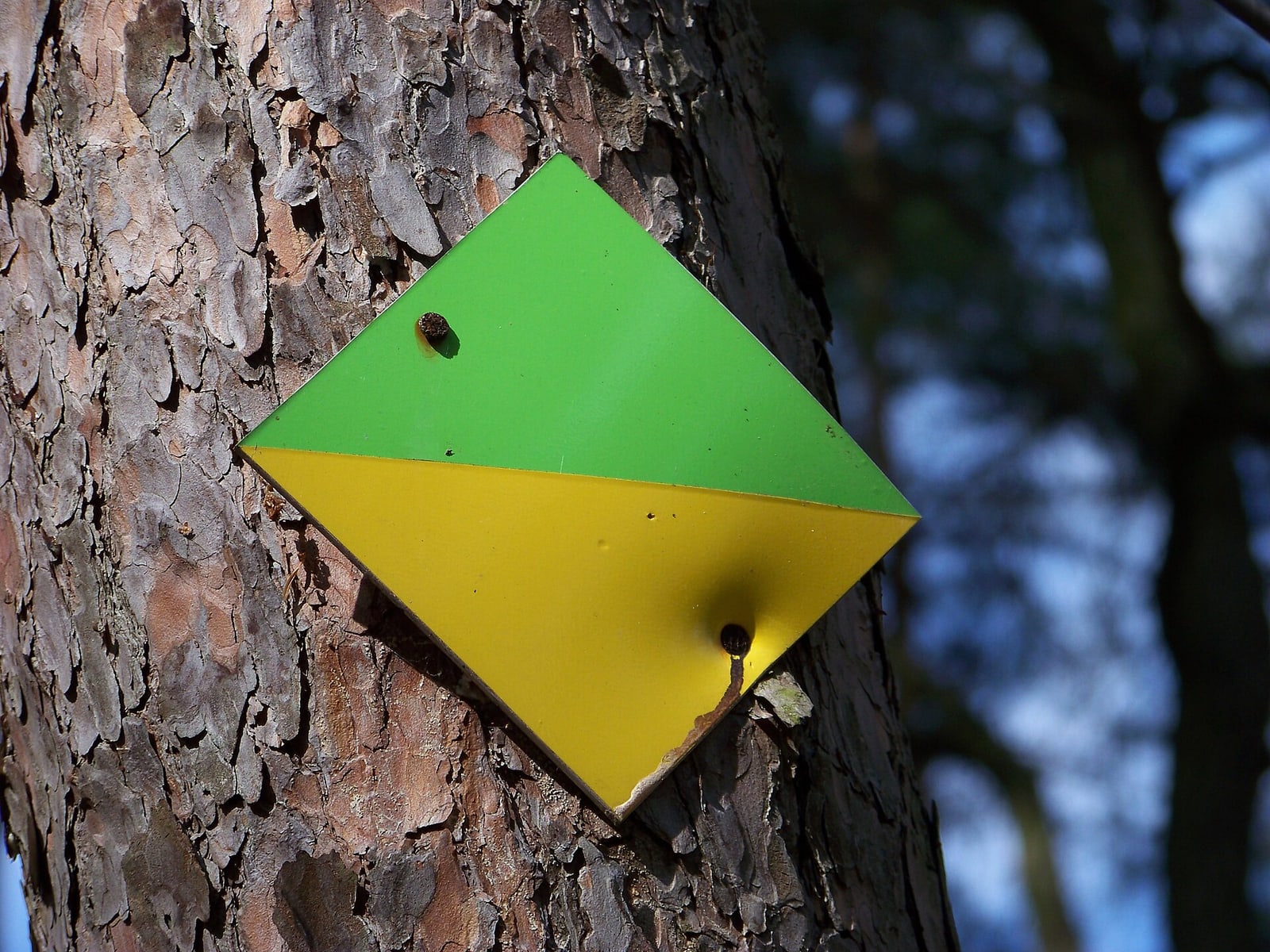
Marker for the Hrabal educational trail in Kersko, connecting literature to the physical landscape.
Quick facts
- Kersko became an important refuge for Bohumil Hrabal after 1968.
- The area is strongly associated with his later life and literary imagination.
- Its appeal is landscape-based, with little reliance on monumental architecture.
- Kersko remains a lived residential community.
Questions
Did Hrabal live in Kersko?
He spent significant time there and the area became an important refuge and creative landscape.
Is Kersko a museum village?
No. It is a real residential and forest area with literary associations.
What should I read first?
The Snowdrop Festival is the obvious place to start for the Kersko connection.
Sources & further reading
- Osobnosti a Polabské muzeum — Bohumil Hrabal — Polabské muzeum