
Institutional architecture
Invalidovna Was Built to House and Care for the War-Wounded
Prague City Tourism says Karlín’s Baroque Invalidovna was built from 1731 to 1737 to a design by Kilian Ignaz Dientzenhofer and served the war-wounded.
Invalidovna, Karlín

The monumental complex was institutional housing and care infrastructure for people wounded in war.
This vast Baroque complex was built as care infrastructure
Invalidovna can resemble a palace at first glance because of its scale and formal architecture. Prague City Tourism gives it a very different original purpose. Built between 1731 and 1737 to a design by Kilian Ignaz Dientzenhofer, the complex served to house and care for people wounded in war.
The plan makes more sense once you imagine residents
Long corridors, repeated rooms, shared spaces, stairways and a chapel can be read as parts of an institution designed for many people rather than a single aristocratic household. Scale here is organisational. The architecture had to support residence, movement and care over long periods.
Its original purpose lasted into the twentieth century
Prague City Tourism says Invalidovna continued serving people wounded in war until the 1930s. That long span is important: the building was not simply an eighteenth-century architectural idea but a functioning institution for generations. Later museum and archive uses belong to another chapter. The reason this vast complex exists in the first place is its original role as purpose-built housing and care infrastructure.
Reviewed visuals
See the story
Supporting images selected in the Prague Stories visual review. Context images are labeled so they are not mistaken for documentary proof of the exact subject.
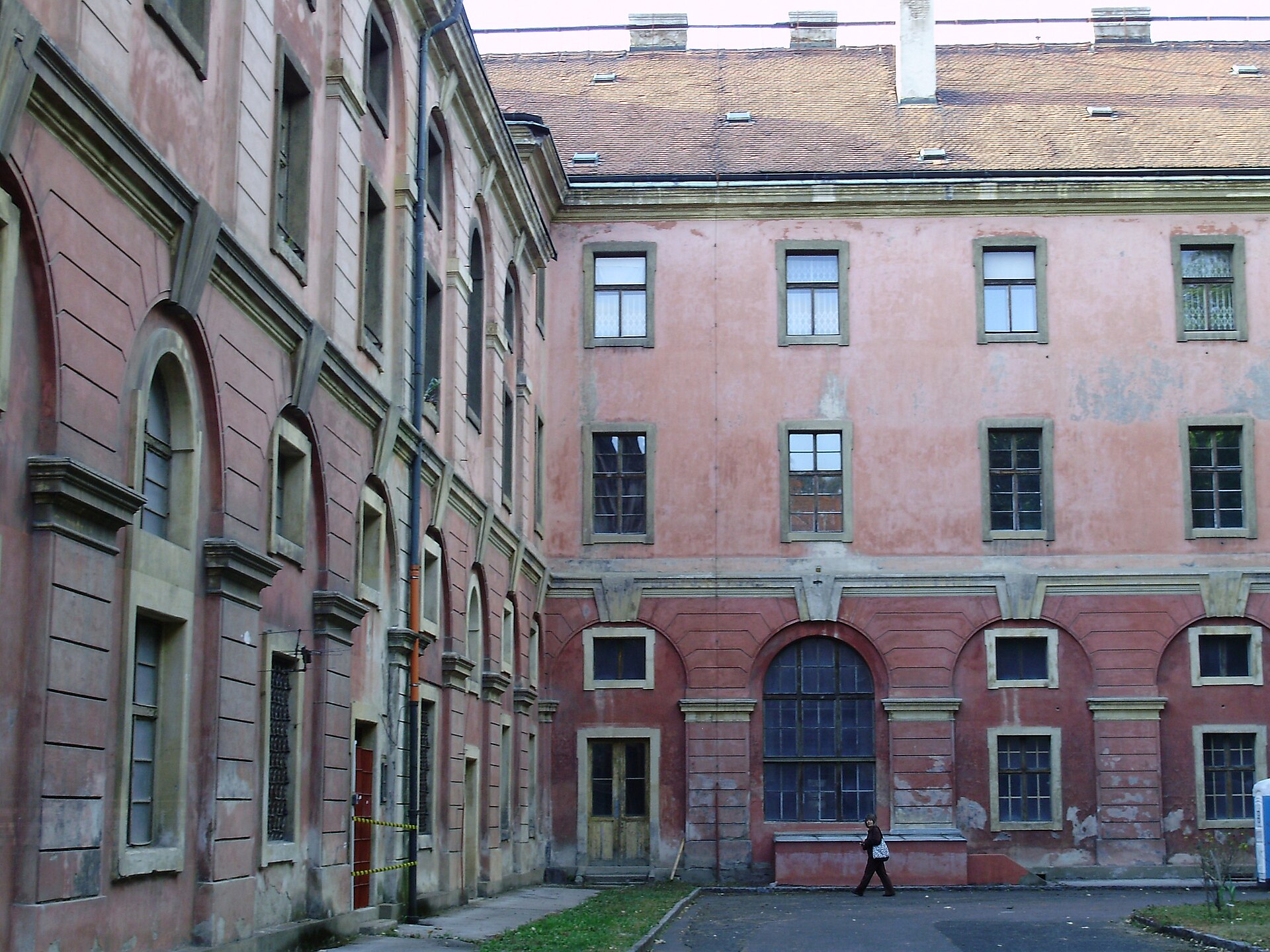
The courtyard shows the scale of the actual veterans’ complex rather than a generic Baroque palace.
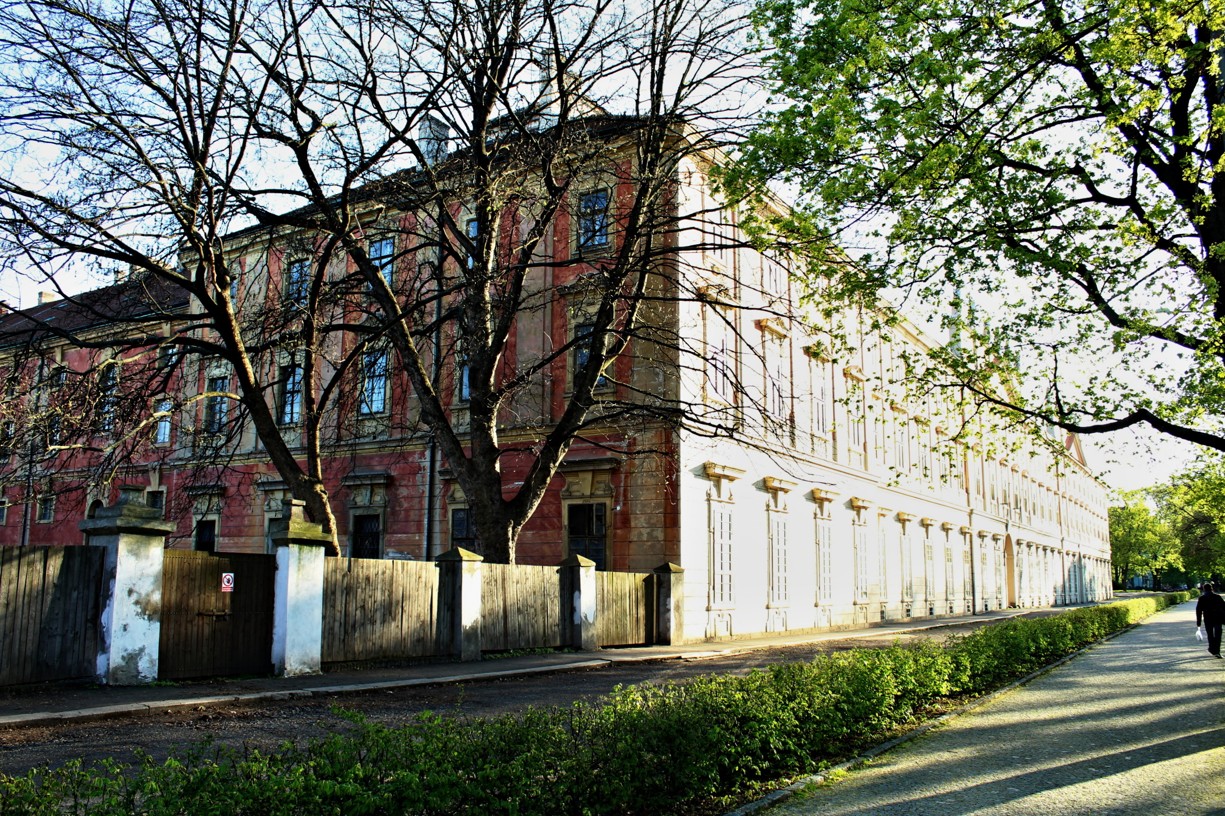
A third exact view keeps the entire gallery tied to the real Invalidovna.
Quick facts
- Prague City Tourism dates the complex to 1731–1737.
- The source names Kilian Ignaz Dientzenhofer as designer.
- Invalidovna served to house and care for the war-wounded.
- The source says that function lasted until the 1930s.
Questions
Who designed Invalidovna according to Prague City Tourism?
Kilian Ignaz Dientzenhofer.
What was its original social function?
The city source says it housed and cared for the war-wounded.
Sources & further reading
- Invalidovna — Prague City Tourism