
Visual literacy
One Prague Rondo-Cubist Clue: Cylinders Set Against Cubes
Prague City Tourism says the Rondo-Cubist style on its Střešovice–Dejvice route is easily recognised by contrasting forms of cylinders and cubes.
Prague / Střešovice–Dejvice route

Instead of memorising an art-history definition, look for round and block-like forms deliberately set against each other.
Forget the label for a moment and look at the geometry
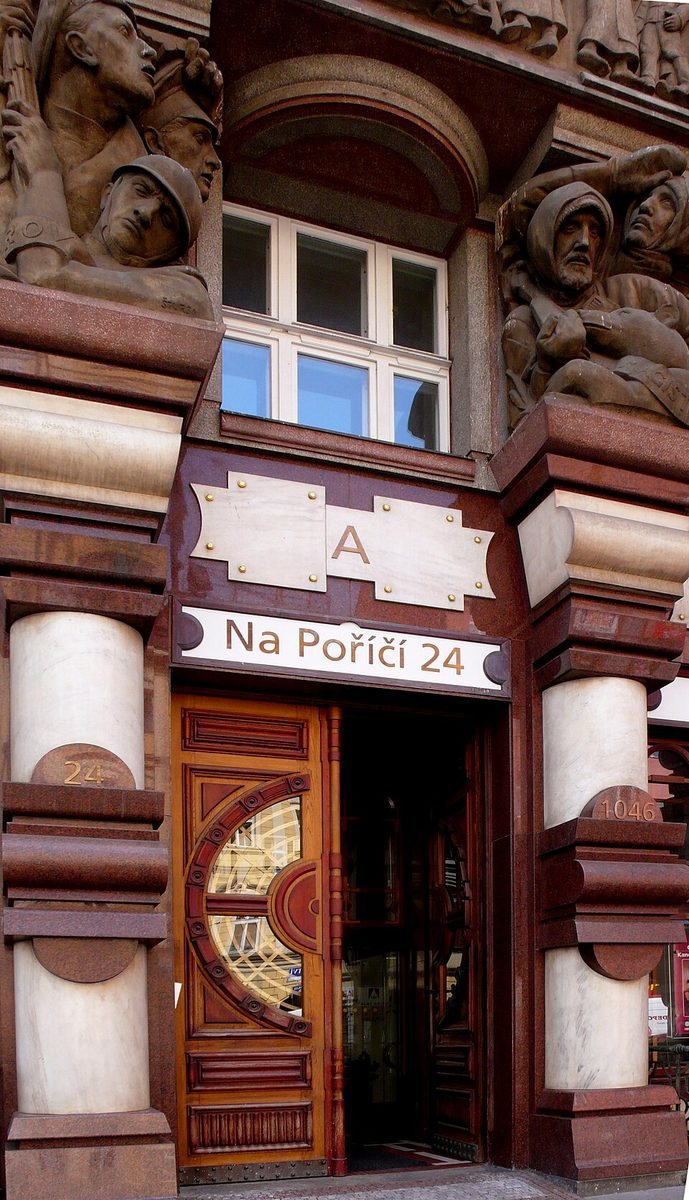
Rondo-Cubism becomes easier to approach when it stops being an art-history term and turns into something the eye can test. Prague City Tourism offers a concise clue: the style can be recognised through contrasts between cylinders and cubes. Rounded forms and block-like masses are set against each other deliberately.
One clue is enough to start looking
Scan a documented Rondo-Cubist facade for curved projections, cylindrical accents and heavier rectangular volumes. Do not try to classify an entire building from one circle and one rectangle. The value of the clue is that it gives you a first question to ask of the facade: where are round and cubic forms being made to interact?
Observation should come before certainty
Visual literacy works best as a hypothesis. Notice the geometric contrast, then verify the building’s date and documented style. That order protects against a common tourist habit: seeing a feature once and then applying the label everywhere. Prague’s architecture rewards curiosity, but it also rewards checking.
Reviewed visuals
See the story
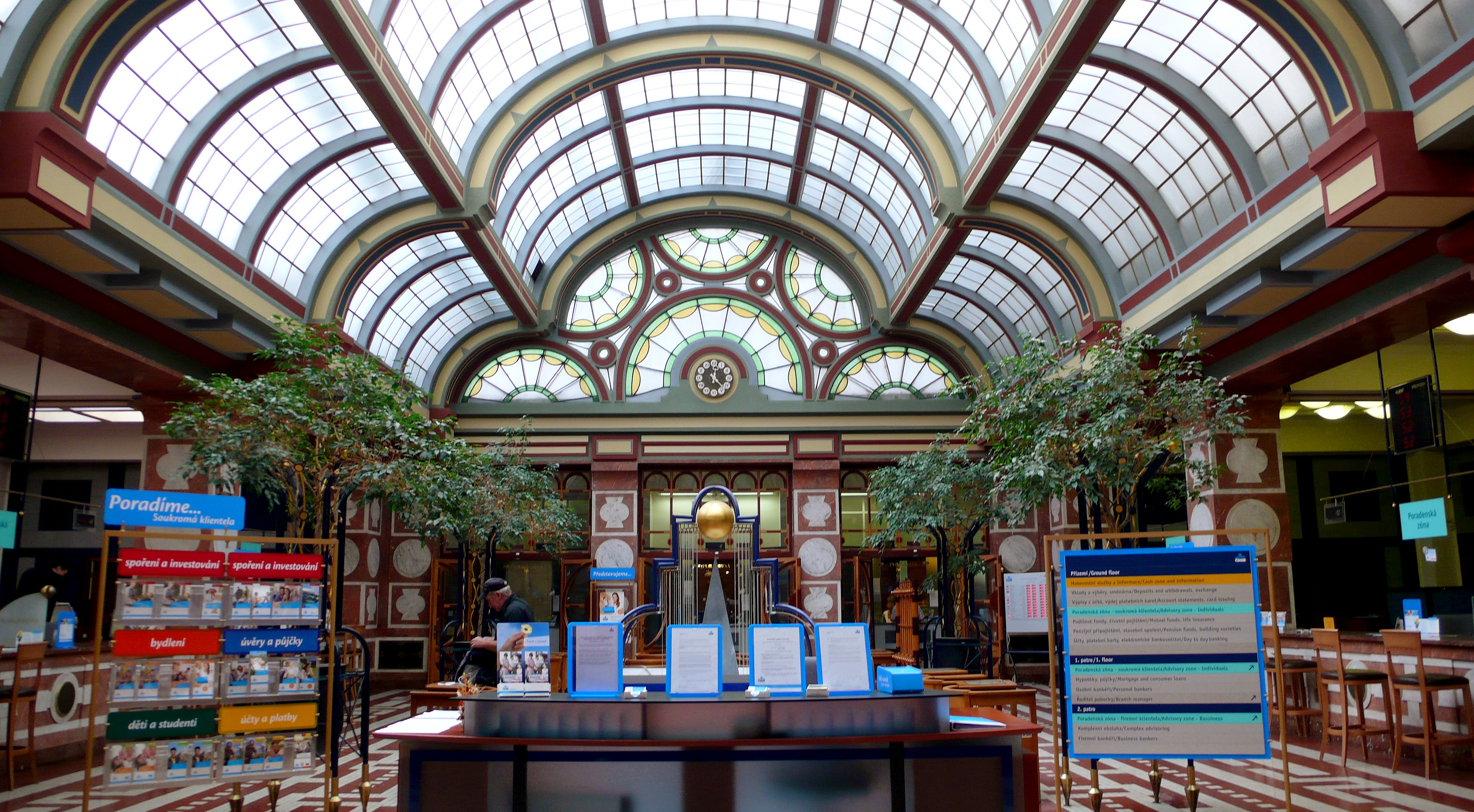
Supporting images selected in the Prague Stories visual review. Context images are labeled so they are not mistaken for documentary proof of the exact subject.
Quick facts
- Prague City Tourism explicitly discusses Rondo-Cubism.
- The source calls the style easily recognizable.
- It names contrasting cylinders and cubes as the clue.
- The clue should be used as a starting hypothesis, then checked against documented style information.
Questions
What visual clue does Prague City Tourism name?
Contrasting forms of cylinders and cubes.
Does that make every rounded geometric building Rondo-Cubist?
No. The clue is useful for observation, but style identification should still be verified.
Sources & further reading
- Střešovice and Dejvice — from dreamy villas to socialist skyscrapers — Prague City Tourism