
Holocaust memory
Prague’s Stolpersteine Put Deportation Memory Into the Pavement
The Jewish Museum in Prague describes Stolpersteine as commemorating Prague residents deported to Łódź.
Prague

The memorial is encountered at walking speed, close to the address where an individual life once belonged.
Memory at street level
Large Holocaust memorials create a destination. Stolpersteine work differently: they enter the route of an ordinary walk. The Jewish Museum in Prague explicitly describes them as commemorating Prague residents deported to Łódź. That narrow institutional statement is enough to explain the basic power of the format — a person’s persecution is tied back to the city where that person lived.
Read one stone as one person
When you encounter a Stolperstein, resist treating a cluster as decorative paving. Stop long enough to read the name and whatever biographical information is present. The physical scale makes the act personal: you are not looking across a monumental plaza but down toward a marker embedded among ordinary surfaces. The memorial asks for attention exactly where daily movement could otherwise pass without noticing.
Keep the city attached to the history
The Jewish Museum’s wording matters because it identifies the people as Prague residents. Deportation history is therefore not an abstract event that happened somewhere else after people left the city. The stones reconnect persecution with addresses, streets and neighbourhoods.
Reviewed visuals
See the story
Supporting images selected in the Prague Stories visual review. Context images are labeled so they are not mistaken for documentary proof of the exact subject.
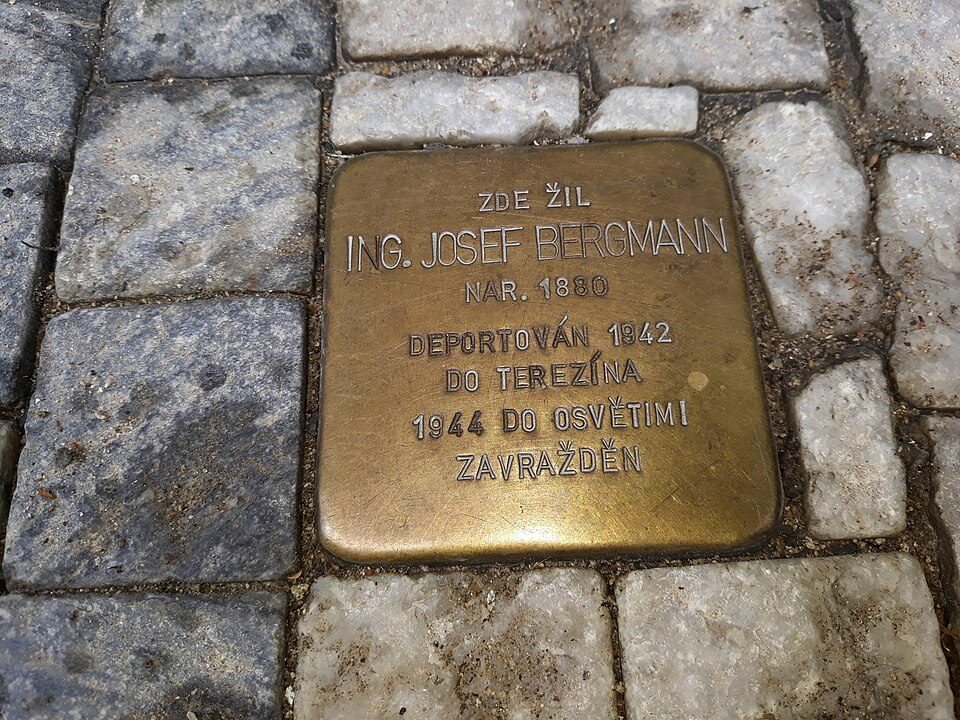
Single brass Stolperstein filling much of the frame, set in stone paving.
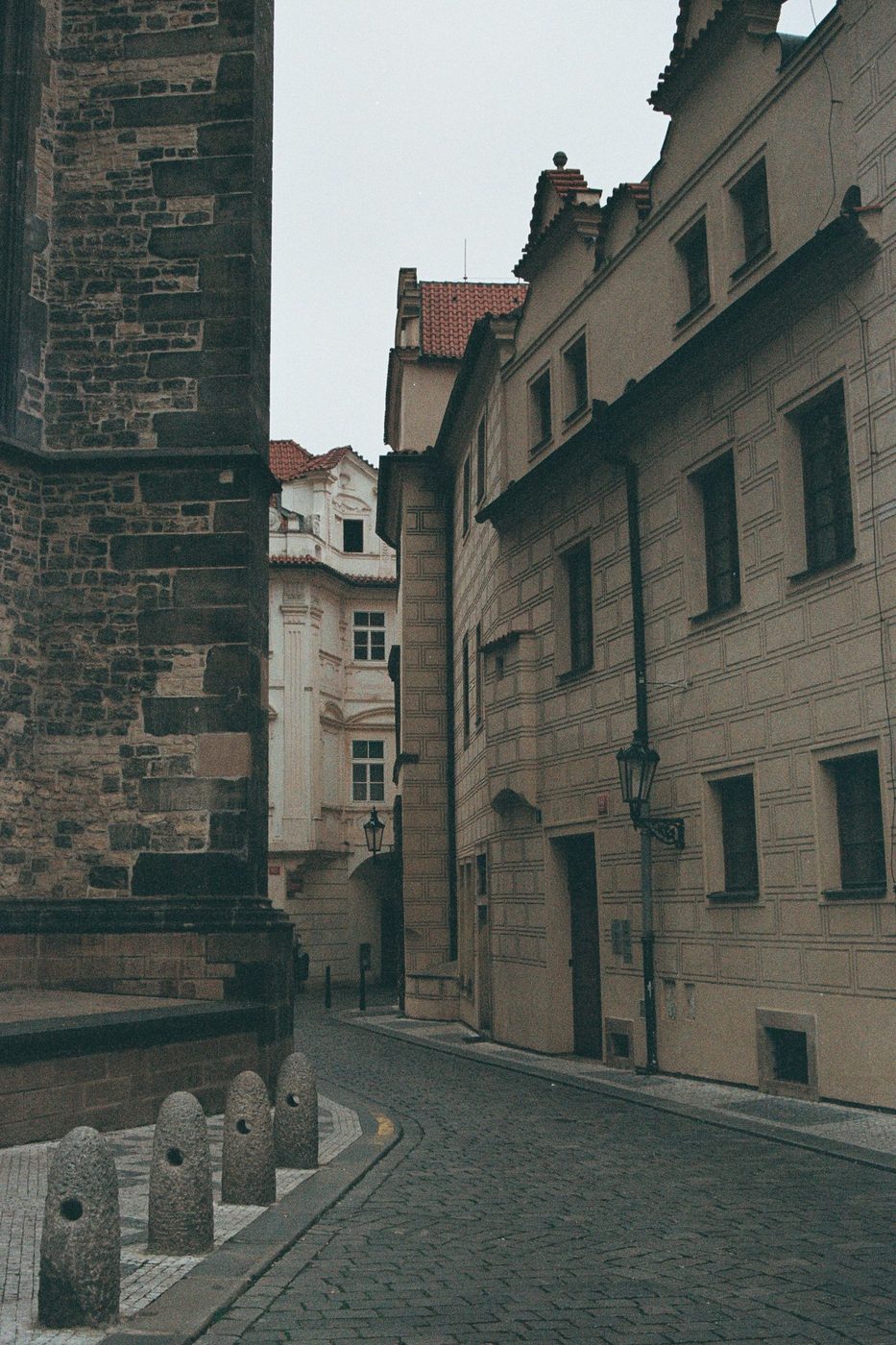
Prague pedestrian paving and historic street frontage are visibly shown.
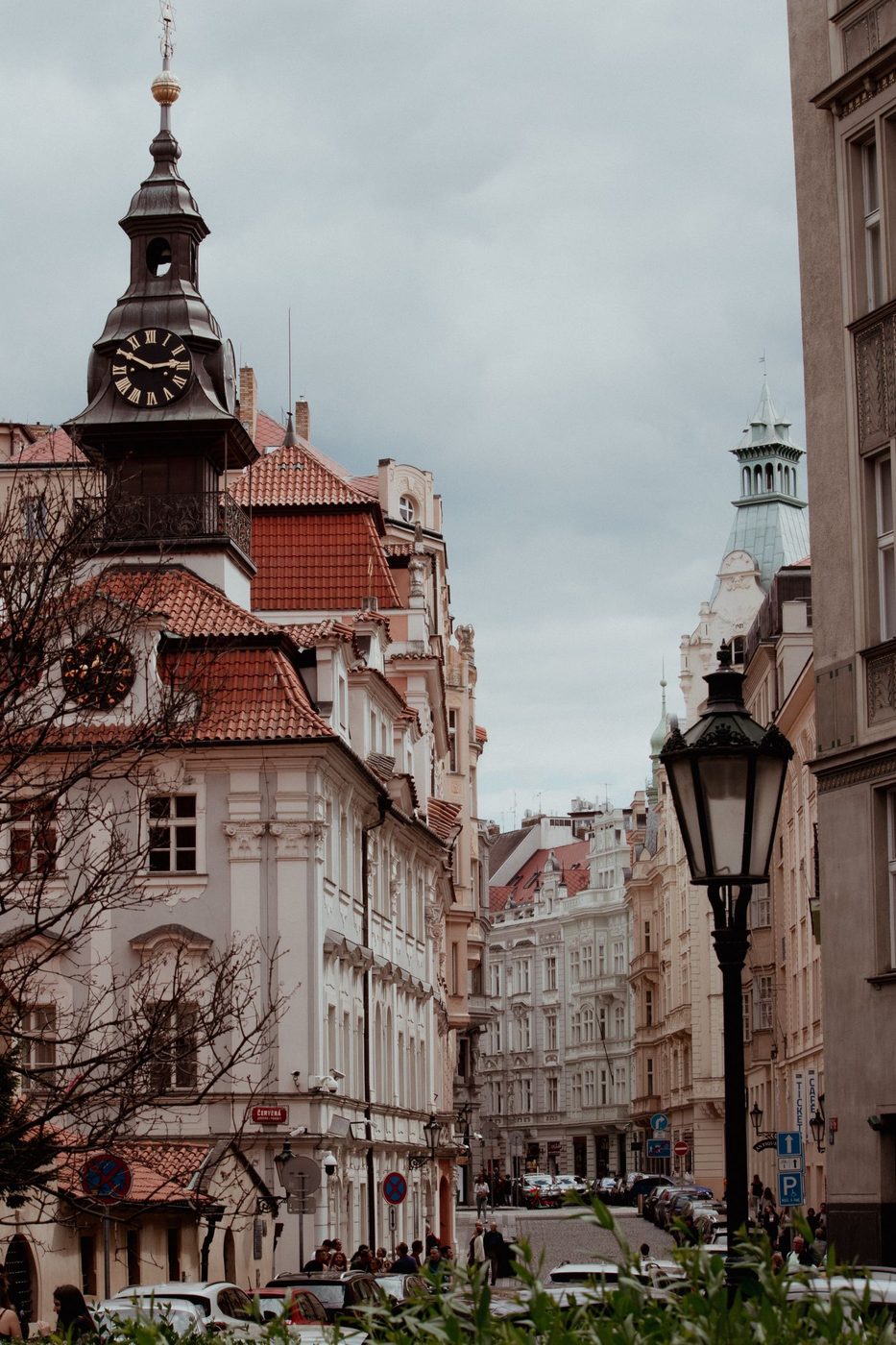
Exact Josefov civic architecture is visibly shown.
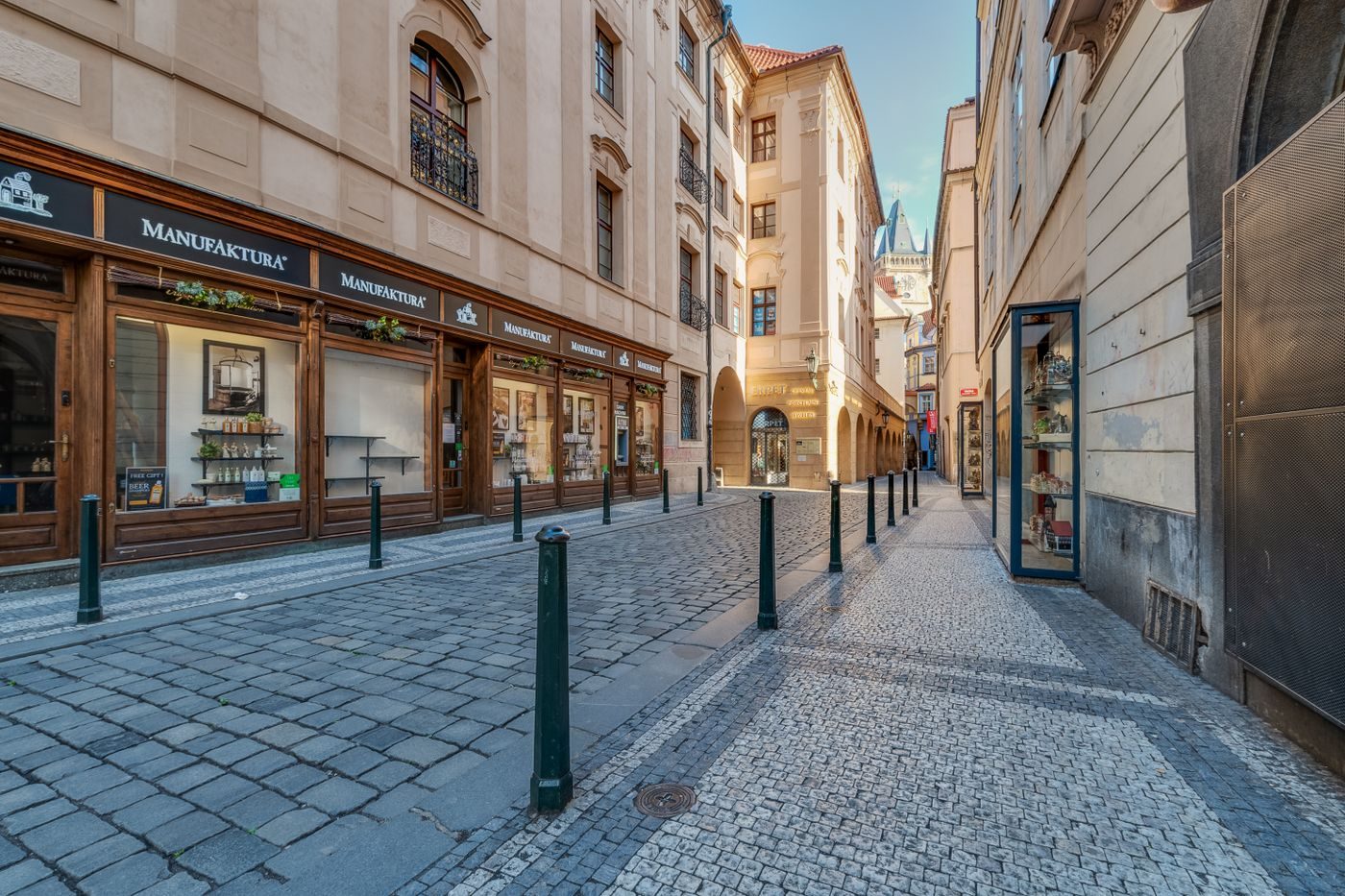
Old Prague cobbled pedestrian surface is visibly present.
Quick facts
- The Jewish Museum in Prague includes Stolpersteine in its Holocaust education programme.
- The Museum describes the stones as commemorating Prague residents.
- The cited programme connects those residents with deportation to Łódź.
- The Jewish Museum in Prague ties the Stolpersteine in this programme to named Prague residents and deportation memory.
Questions
What do the Jewish Museum materials say Prague Stolpersteine commemorate?
Prague residents deported to Łódź.
Why are the markers useful for city history?
They connect persecution memory back to identifiable Prague residents and street-level places.
Sources & further reading
- For Schools — Jewish Museum in Prague