
Prague Stories · Czech Beer
A Prague Hospoda Is More Than a Place to Order Beer
A hospoda is part pub, part dining room, part neighbourhood meeting place — and the unwritten rules are softer than tourist folklore suggests. Watch how the room works before assuming every Czech pub follows the same ritual.
Prague hospodas and pivnice

Hospoda is commonly translated as “pub,” which is useful until it becomes too simple.
Translate the room, not just the word
A traditional hospoda can serve beer, hot food, conversation, football, family lunches and long evenings at the same table. Pivnice often suggests a beer-focused establishment, but Czech usage is not a rigid taxonomy. Names, history and individual business style blur the borders. The deeper constant is social function. Archival and cultural sources describe the hospoda as a meeting place, not merely a point of alcohol sale. That helps explain why the atmosphere can feel different from a cocktail bar: the table matters. People settle, talk, eat, order another beer and occupy the room over time.
The table can be more important than the bar
Visitors used to bar service sometimes enter and wait to order at the counter. In many traditional Czech places, service is table-based. You sit, a server comes to you, and drinks and food accumulate on the bill. In some pubs, especially older or high-volume beer halls, servers may mark drinks on a paper tally or coaster. In others, everything is electronic. The ritual survives unevenly. The easiest rule is to watch how the room works before assuming every pub follows the same script. Look at what nearby tables are doing. Is there a host? Are people seating themselves? Does the staff wave you toward an empty table? A hospoda is a working social system, and five seconds of watching it tells you more than a universal rule written for tourists.
Shared tables are not an invitation to perform friendliness
Traditional beer halls and busy pubs may seat strangers at the same larger table. That can surprise visitors from cultures where an occupied table is private territory. Sharing space does not obligate anyone to become instant friends. A greeting, a small acknowledgement and ordinary consideration are enough. This is a useful correction to another travel cliché: Czech pub culture is not a stage on which locals must entertain visitors. Its value lies in normality. The room belongs first to the people using it. If conversation happens, good. If everyone remains with their own group, that is equally authentic.
Another beer is a venue-specific habit, not a national trap
Stories about Czech pubs often claim that an empty glass automatically summons another beer until you perform a secret gesture. Some traditional, high-turnover venues do anticipate repeat orders, and regulars may use familiar signals. But service practice varies too much to turn that into a national law. If you want another, make eye contact or ask. If you do not, say so clearly. The same goes for payment. Cards are widespread across modern Prague, but acceptance and minimums remain business decisions subject to change. Before settling in for a long session, glance at the door, menu or payment symbols. Practical etiquette is less romantic than folklore and far more useful.
The real ritual is continuity
The most durable thing about the hospoda is not a coaster mark or a particular foam height. What gives a hospoda its character is repetition: the same table, familiar faces, familiar beer and conversations that seem to resume rather than begin. Czech institutions and cultural accounts repeatedly describe pubs as social meeting points, which is why closing a beloved neighbourhood hospoda can feel larger than losing a place to drink. A visitor can enjoy that rhythm without pretending to be a regular. Sit down, order something, let the room keep its own pace, and resist turning every habit into an exotic rule. The hospoda becomes legible when you see it as a social room with beer — not merely a beer room with people in it.
Reviewed visuals
See the story
Supporting images selected in the Prague Stories visual review. Context images are labeled so they are not mistaken for documentary proof of the exact subject.
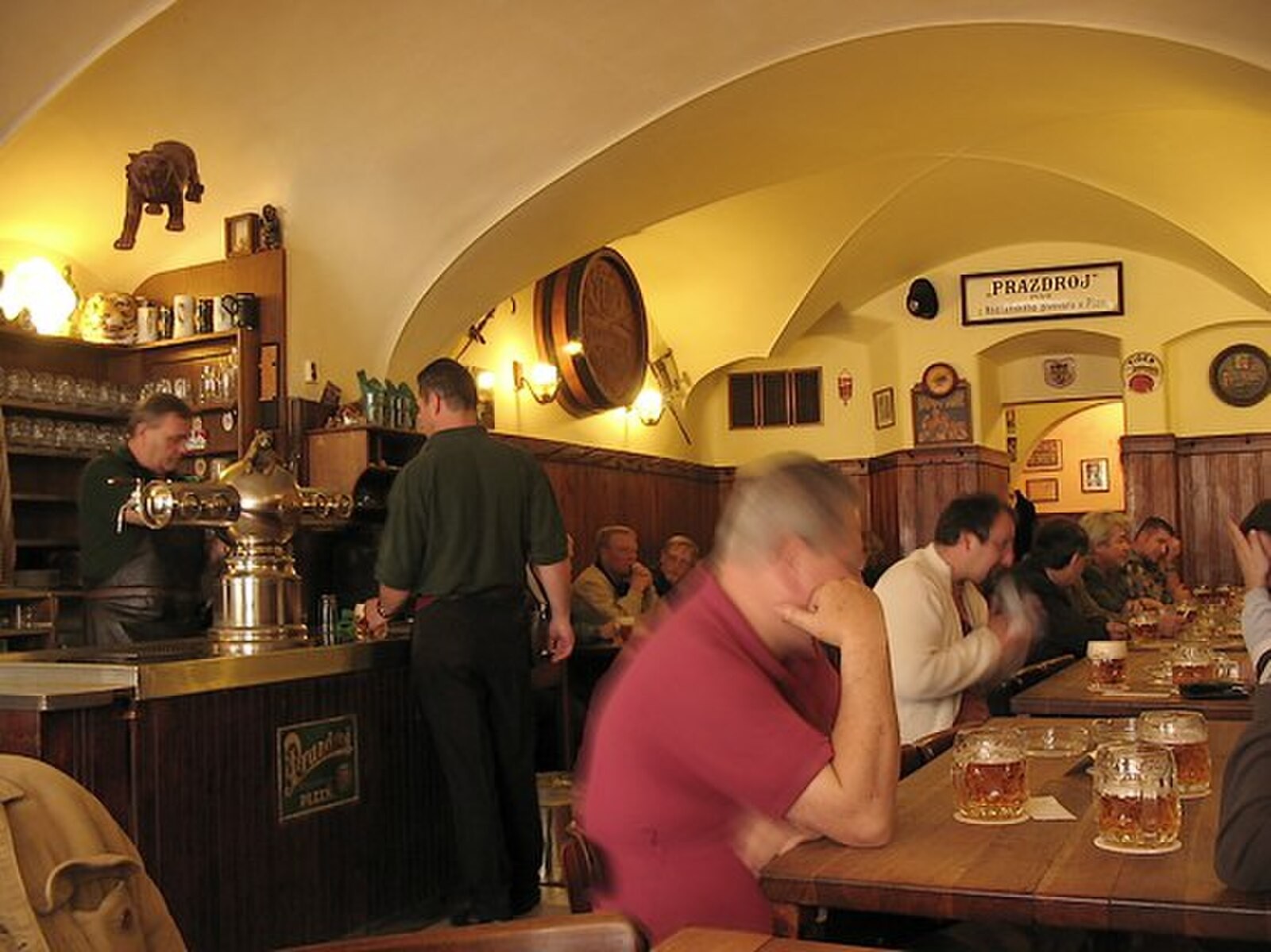
Interior of Prague’s U Zlatého tygra pub, with classic communal tables and dense traditional atmosphere.
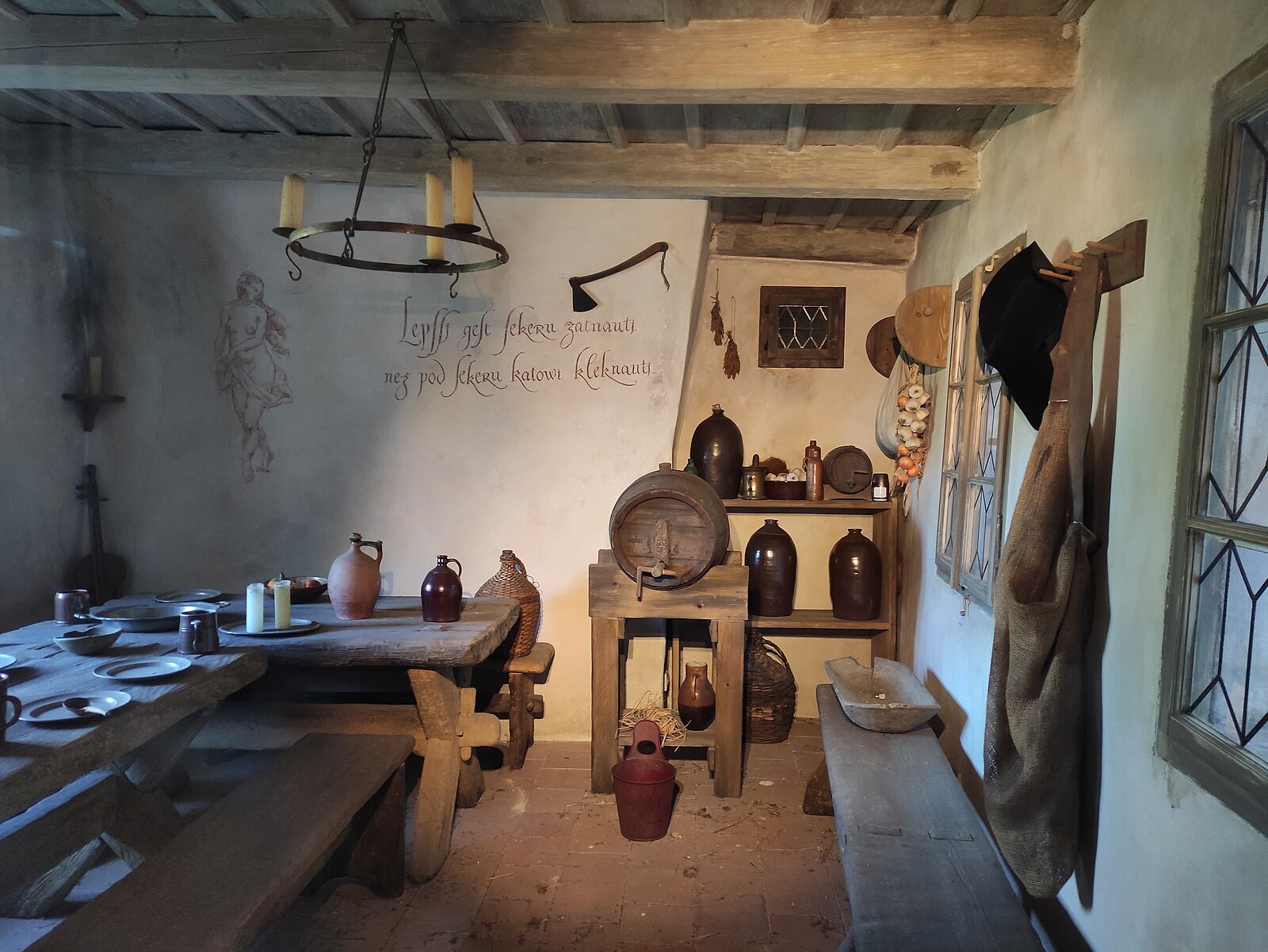
Historic pub/tavern interior in Prague’s Golden Lane.
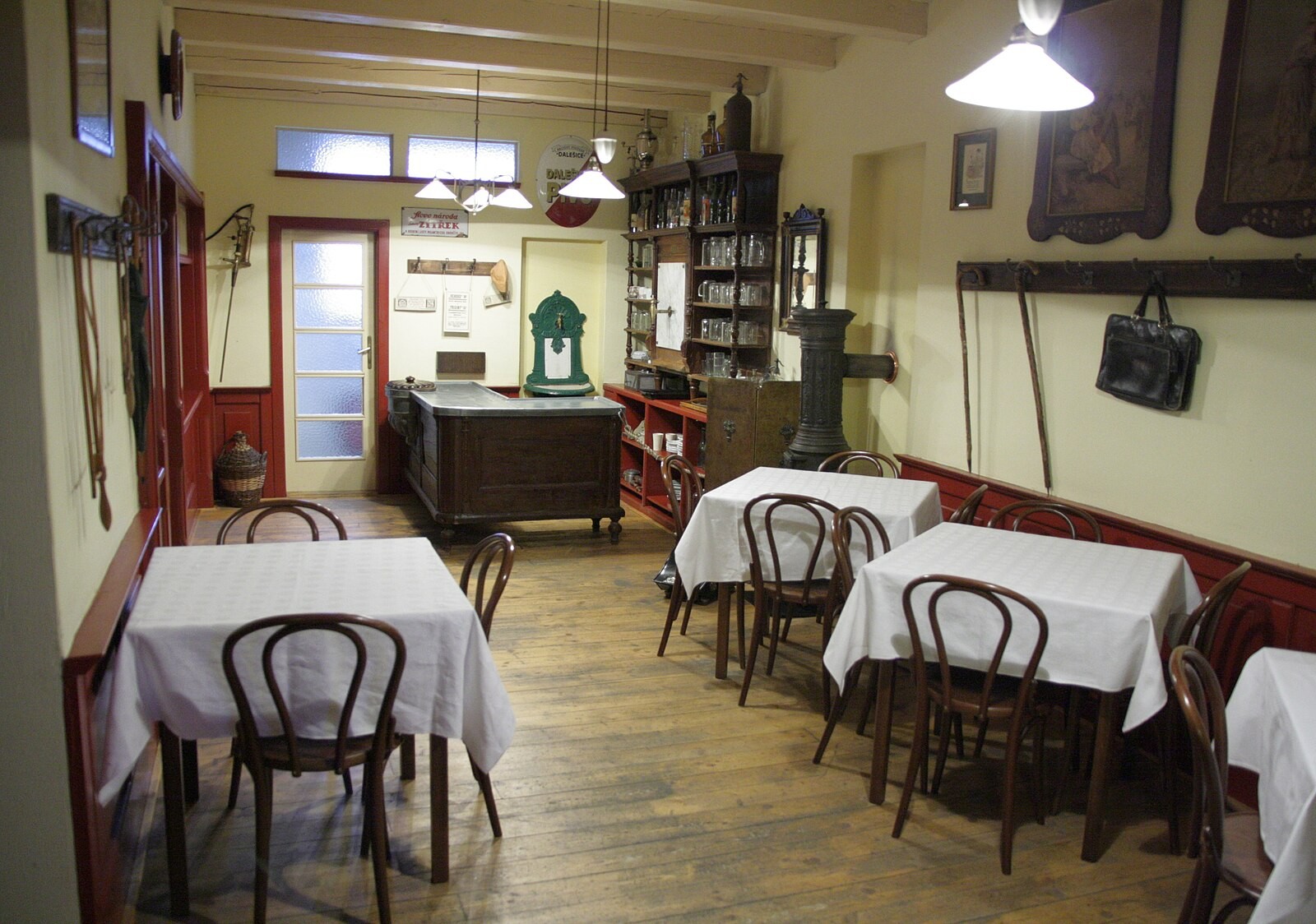
Historic Czech pub interior preserved in a museum setting, contextualising hospoda culture.
Quick facts
- Hospoda is commonly translated as pub or tavern, but its social role can be broader.
- Pivnice usually signals a beer-focused venue, though Czech establishment names are not a rigid classification system.
- Many traditional pubs use table service; bar ordering is not universal.
- Drink tallies on paper or coasters survive in some venues but are not a rule everywhere.
- Shared tables can occur in traditional beer halls and busy pubs.
- Card acceptance and service habits should be checked venue by venue.
Questions
What is a hospoda?
A Czech pub or tavern, typically centred on beer, food and social gathering. The exact character ranges from neighbourhood local to large traditional beer hall.
Do you wait to be seated in a Czech pub?
It depends on the venue. Some have hosts or reserved tables; others expect guests to choose a free table. Watch the room or ask staff.
How do you order another beer?
In most places, ordinary eye contact or a verbal order is enough. Some traditional pubs anticipate repeats, but automatic-refill stories should not be treated as a universal rule.
Can you pay by card?
Many Prague pubs accept cards, but not every venue follows the same policy. Check the entrance, menu or ask before ordering if it matters.
Sources & further reading
- Hospody jako společenský fenomén — State Regional Archives in Prague
- Customers and pub culture — Plzeňský Prazdroj
- A tailor-made Prague beer institution — Radio Prague International
- Czech Hospoda: Traditional Pub Culture — Praguers