
Media History
The Podskalí Ghost Was Not the Last: Prague Reported Similar Cases Again
Petr Janeček identifies lesser-known Prague-area ghost scares from 1876 and 1907 after the famous Podskalí sensation. Seen together, they reveal a recurring modern urban form rather than one isolated haunted place.
Prague industrial and working-class suburbs — exact sites to be extracted from the full study

The strongest story is the sequence: 1874, 1876, 1907 — repeated ghost scares in a modernizing city with changing media, technologies and explanations.
After 1874, the pattern returns
Petr Janeček’s 2022 study Prague ghostlore of the late 19th century. Suburban ghosts between moral panic and vernacular spectacle does not stop with the famous Podskalí case. It also identifies lesser-known Prague-area episodes from 1876 and 1907. Placing them together changes the scale of the question. Instead of one extraordinary haunted district, Prague begins to show a recurrent kind of modern supernatural disturbance — a phenomenon that appears in working-class or industrial suburban environments and becomes socially meaningful through attention, rumour and public interpretation.
The ‘prowling ghost’ is a type, not one immortal being
Janeček interprets the later cases as local variants of the European ‘prowling ghost’ phenomenon. That does not mean the same creature literally moved through Prague for decades. The useful comparison is formal: communities repeatedly produce stories about a troubling presence that moves through urban space, attracts crowds and creates uncertainty about whether the cause is supernatural, criminal, technological or invented. The category helps connect the cases without flattening their differences.
Modernity does not remove ghosts — it changes them
The dates make the series especially useful. Between 1874 and 1907 the city and the way people encountered information were changing. A supernatural scare in an industrial suburb belongs to a different social world from a medieval monastery legend. That makes these cases evidence that folklore adapts to modern environments. Ghost stories do not disappear when cities gain new technologies and media. Instead, new technologies, forms of crowd behaviour and ways of reporting uncertainty become part of the haunting itself.
Exact geography must come from the full study
Janeček identifies Prague-area cases from 1876 and 1907, but the available summary does not establish precise street-level locations for them. For that reason, the geography is kept broad: Prague’s industrial and working-class suburban environment rather than an invented exact map.
Three cases across a changing city
Placed beside the 1874 Podskalí case, the 1876 and 1907 episodes reveal a pattern across a changing city. The sequence shows how ghostlore could move with Prague’s population, industrial landscape and media culture even when the exact street-level geography of the later cases remains uncertain.
Reviewed visuals
See the story
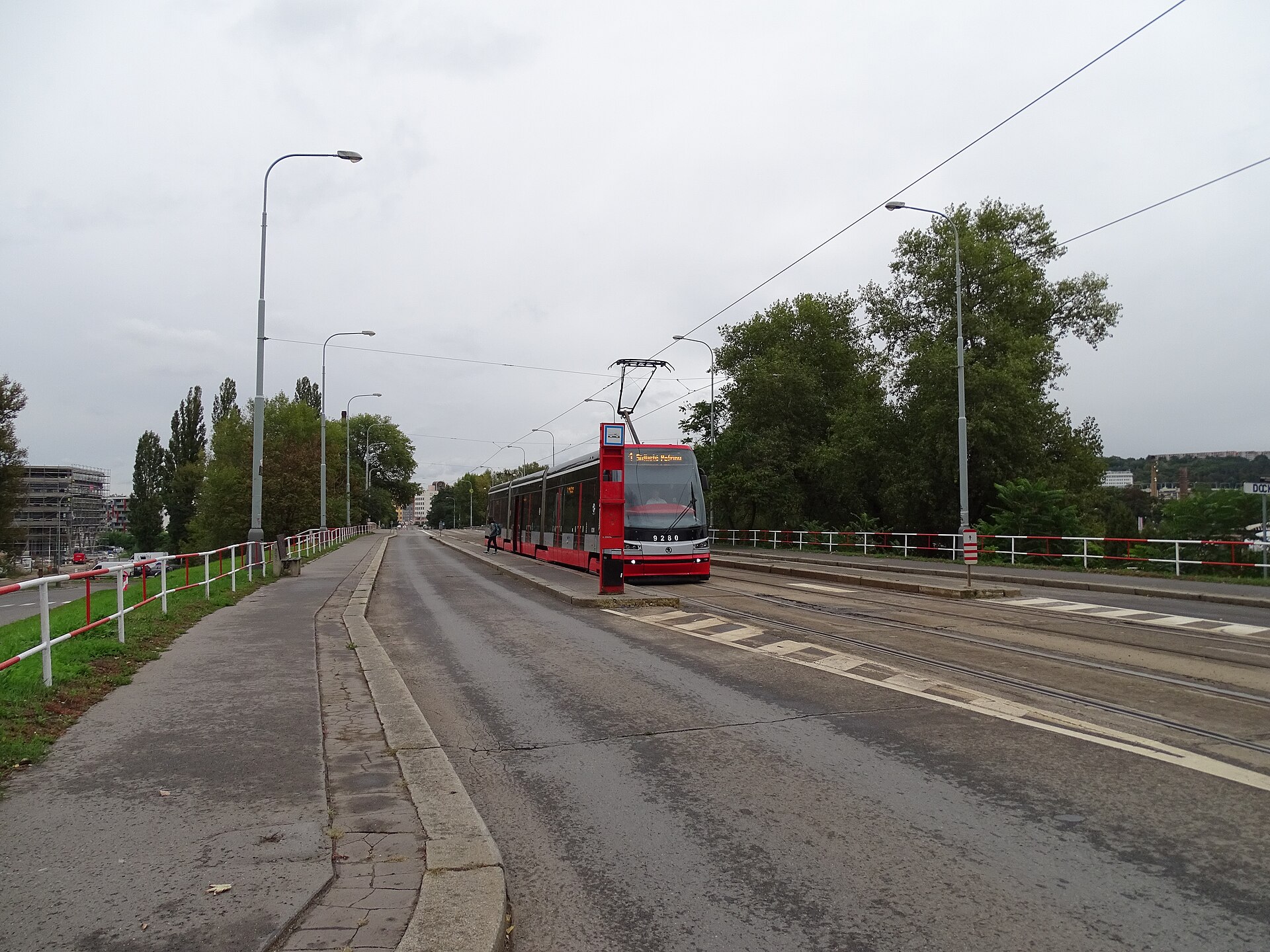
Supporting images selected in the Prague Stories visual review. Context images are labeled so they are not mistaken for documentary proof of the exact subject.
Quick facts
- Petr Janeček’s 2022 research includes Prague-area ghost cases from 1876 and 1907.
- These episodes followed the better-known Podskalí haunting of 1874.
- Janeček interprets them as local variants of a wider European ‘prowling ghost’ type.
- The cases are associated with industrial and working-class suburban environments.
- The value lies in comparing repeated supernatural scares across a modernizing city.
- The exact names and street-level locations of the 1876 and 1907 cases remain uncertain in the available summary.
Questions
Were the 1876 and 1907 cases the same ghost?
No such claim is supported. Janeček treats them as related local variants within a wider type of urban ghost phenomenon.
Why are exact street names not given for the 1876 and 1907 cases?
Because the available summary identifies the cases but does not establish reliable street-level locations.
What makes these three cases worth comparing?
The sequence reveals how supernatural scares recur and change within Prague’s modern suburban and media environment.