
Medieval founders
St Agnes and Wenceslas I Founded a Major Gothic Convent Around 1230
Prague City Tourism says the Convent of St Agnes was founded around 1230 by the Přemyslid princess Agnes of Bohemia together with her brother King Wenceslas I.
Convent of St Agnes, Prague

The convent began as a joint project of Agnes of Bohemia and her brother King Wenceslas I.
A princess and a king founded the convent together
Prague City Tourism dates the foundation of the Convent of St Agnes to around 1230 and names two Přemyslid siblings: Agnes of Bohemia and her brother King Wenceslas I. The origin is therefore both religious and dynastic. This was not an anonymous medieval institution gradually emerging on its own; it had powerful founders with a clear place in the ruling family.
Architecture served a community, not a single patron
A convent needs to be read differently from a palace. Churches, cloisters, courtyards and circulation routes organise communal religious life. Rather than asking which room belonged to an important individual, it is more useful to imagine repeated daily movements by a resident community.
The modern gallery is a later use
Today the complex also functions as a museum setting, which can make art display seem inseparable from the architecture. Historically, however, the medieval foundation came first. Preserving that distinction allows both layers to remain meaningful: a thirteenth-century convent and a modern cultural institution share the same site.
Why the date around 1230 matters
A foundation around 1230 places the convent very early in Prague’s Gothic history. Even without following every later alteration, the date and the two royal founders give the site a strong historical anchor. St Agnes becomes easier to remember not simply as another old convent, but as a major medieval project backed by a princess who became a saint and a reigning king.
Reviewed visuals
See the story
Supporting images selected in the Prague Stories visual review. Context images are labeled so they are not mistaken for documentary proof of the exact subject.
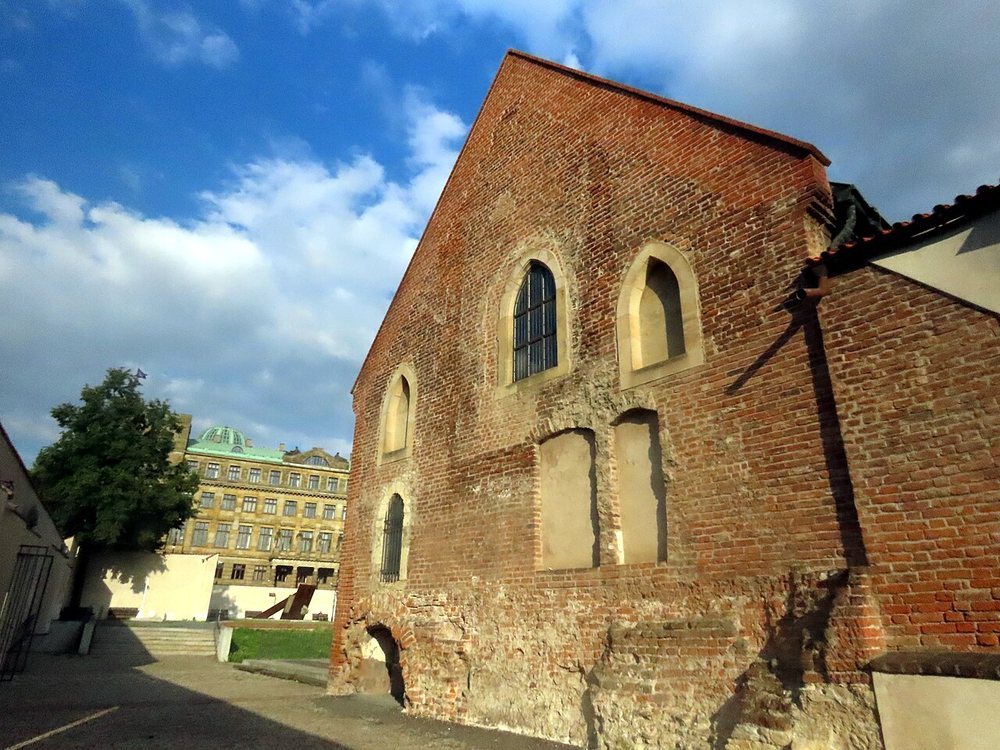
St Agnes and Wenceslas I Founded a Major Gothic Convent Around 1230
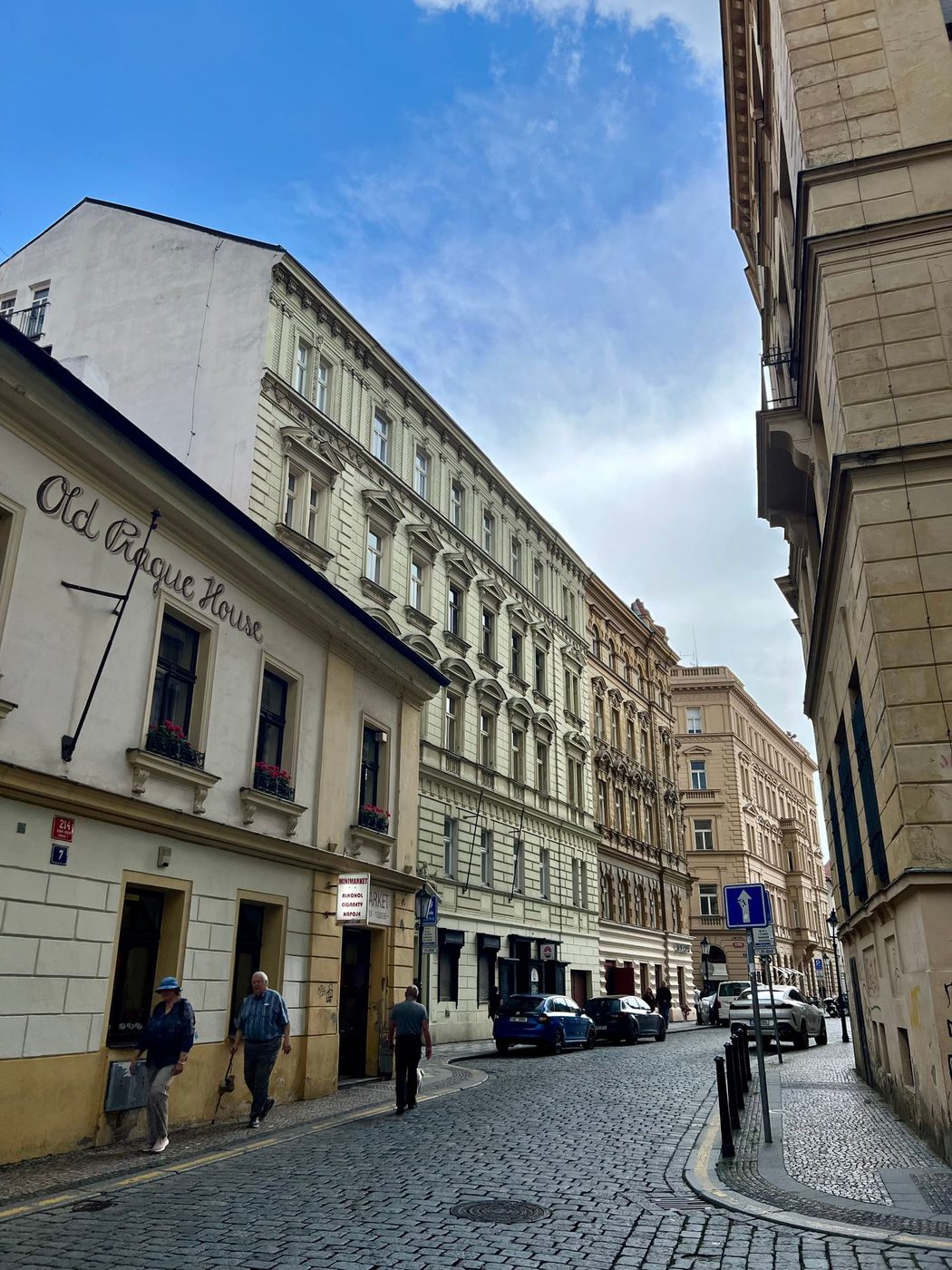
Old Town Prague street context is visibly shown.
Quick facts
- Prague City Tourism places the foundation around 1230.
- The source names St Agnes of Bohemia.
- It also names her brother King Wenceslas I.
- The convent is presented as a Gothic Prague monument.
Questions
Who founded the convent according to the city source?
St Agnes of Bohemia and her brother King Wenceslas I.
When does Prague City Tourism place the foundation?
Around 1230.
Sources & further reading
- National Gallery Prague — Convent of St Agnes of Bohemia — Prague City Tourism