
Prague Stories · Czech Christmas
Why Czech Christmas Eve Means Carp — and Why It Was Kept in the Bathtub
Fried carp with potato salad became one of the defining Czech Christmas Eve meals, and the famous bathtub story grew from a very practical custom: families once brought live carp home before dinner.
Prague in December

For many Czech families, Christmas Eve dinner is not turkey, goose or ham.
The Christmas plate most visitors do not expect
It is fried carp with potato salad. The pairing feels ancient because it is so familiar today. Czech tourism and culinary sources, however, place its broad rise in the nineteenth century rather than in medieval Christmas tradition. That makes the tradition more interesting. Carp itself has deep roots in Bohemian pond farming, but the modern festive menu was shaped over time. By the nineteenth and twentieth centuries, carp with potato salad had become a strong marker of Štědrý večer, Christmas Eve. Even people who now choose another main course may still associate the dish with family Christmases.
The street tank connected city and dinner table
In December, live carp were traditionally sold from temporary tanks in streets and squares. Families could choose a fish shortly before the holiday, a scene that became part of the visual calendar of Czech cities. Prague visitors may still encounter seasonal carp sales, although locations, regulations and animal-welfare practices require current checking every year. The tank matters because it explains the bathtub. Before modern domestic refrigeration became universal and before a fish was prepared, a family needed somewhere to keep a live carp briefly. A bathtub filled with water became an obvious household container. What later sounded like eccentric folklore began as logistics.
The bathtub became memory long after it stopped being necessary
Czech accounts still describe the ritual of a carp swimming in the family bathtub, often fascinating children in the days before Christmas. Some families kept the fish temporarily and then prepared it; stories also exist of children becoming attached and persuading adults to release it. The practice lives strongly in cultural memory even as household habits change. For visitors, it helps to separate the remembered tradition from what every household actually does today. “Czechs keep carp in bathtubs” is too broad in the present tense. “The bathtub carp is a famous Czech Christmas custom and family memory” is much more accurate. Traditions can remain culturally vivid after ceasing to be universal.
Potato salad completes the ritual
The Christmas carp is commonly breaded and fried, giving a crisp crust to a fish with a distinctive flavour and bone structure. Beside it comes Czech potato salad, typically richer and more elaborate than a simple oil-and-vinegar salad, with recipe differences fierce enough to become family identity. The two together are the recognized holiday plate. Visitors should also know that carp contains many fine bones. Restaurants serving the traditional meal may use particular cuts or preparation techniques, but careful eating is still sensible. It is a dish tied to festive continuity, not convenience.
What Prague lets you see in December
The tradition is visible beyond private homes. Seasonal menus, food markets, fish sales and conversations about who makes the “right” potato salad all bring the Christmas plate into public life. Visitors can taste the tradition in Prague without treating a private family ritual as a performance. They can also see how the custom is changing alongside modern animal-welfare standards and urban life. If you see live-carp sales, remember that this is the contemporary edge of an old supply chain, not a tourist show. Christmas traditions stay alive partly because they change.
Reviewed visuals
See the story
Supporting images selected in the Prague Stories visual review. Context images are labeled so they are not mistaken for documentary proof of the exact subject.
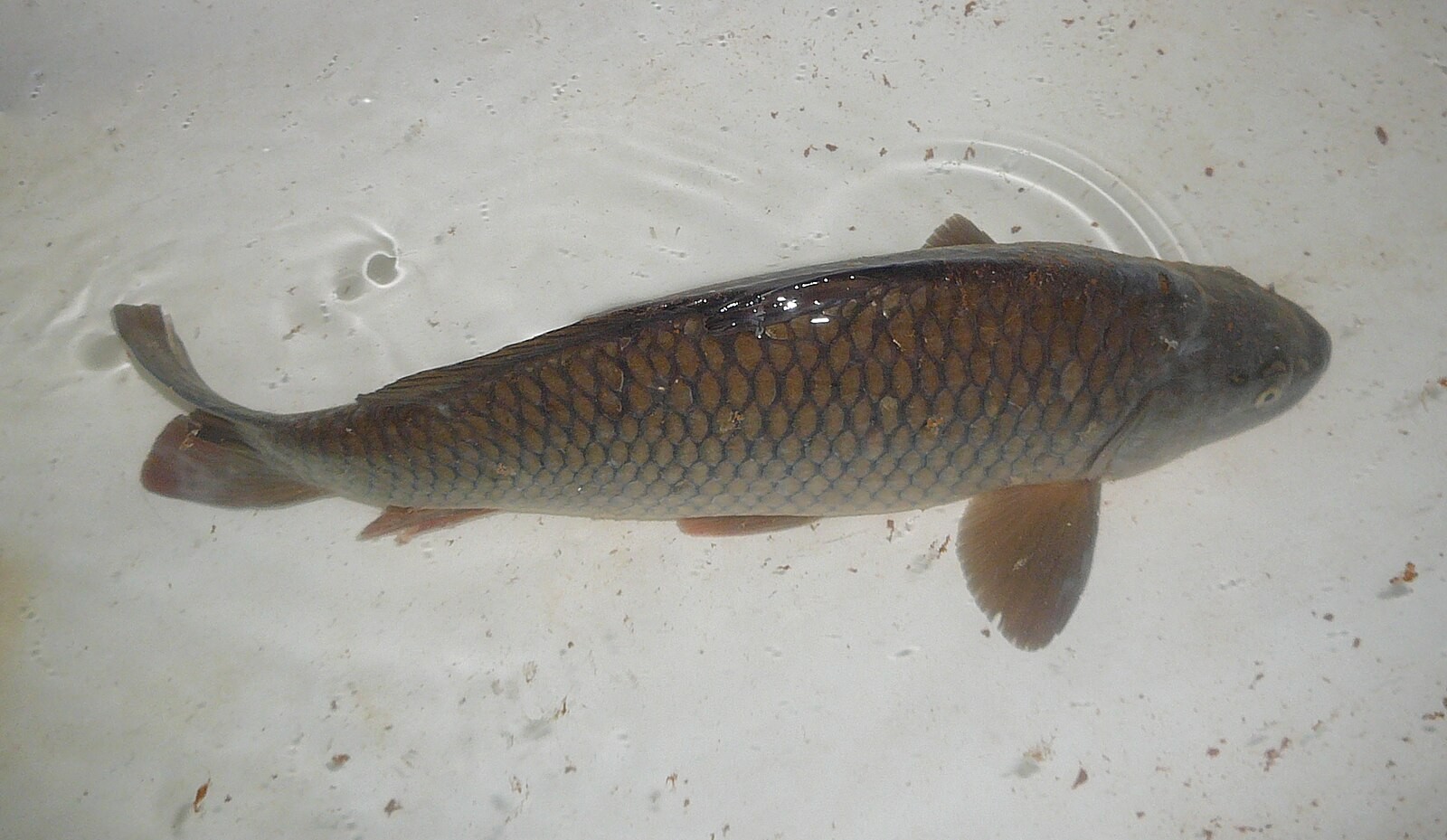
Live Christmas carp kept in a household bathtub, directly illustrating the tradition.
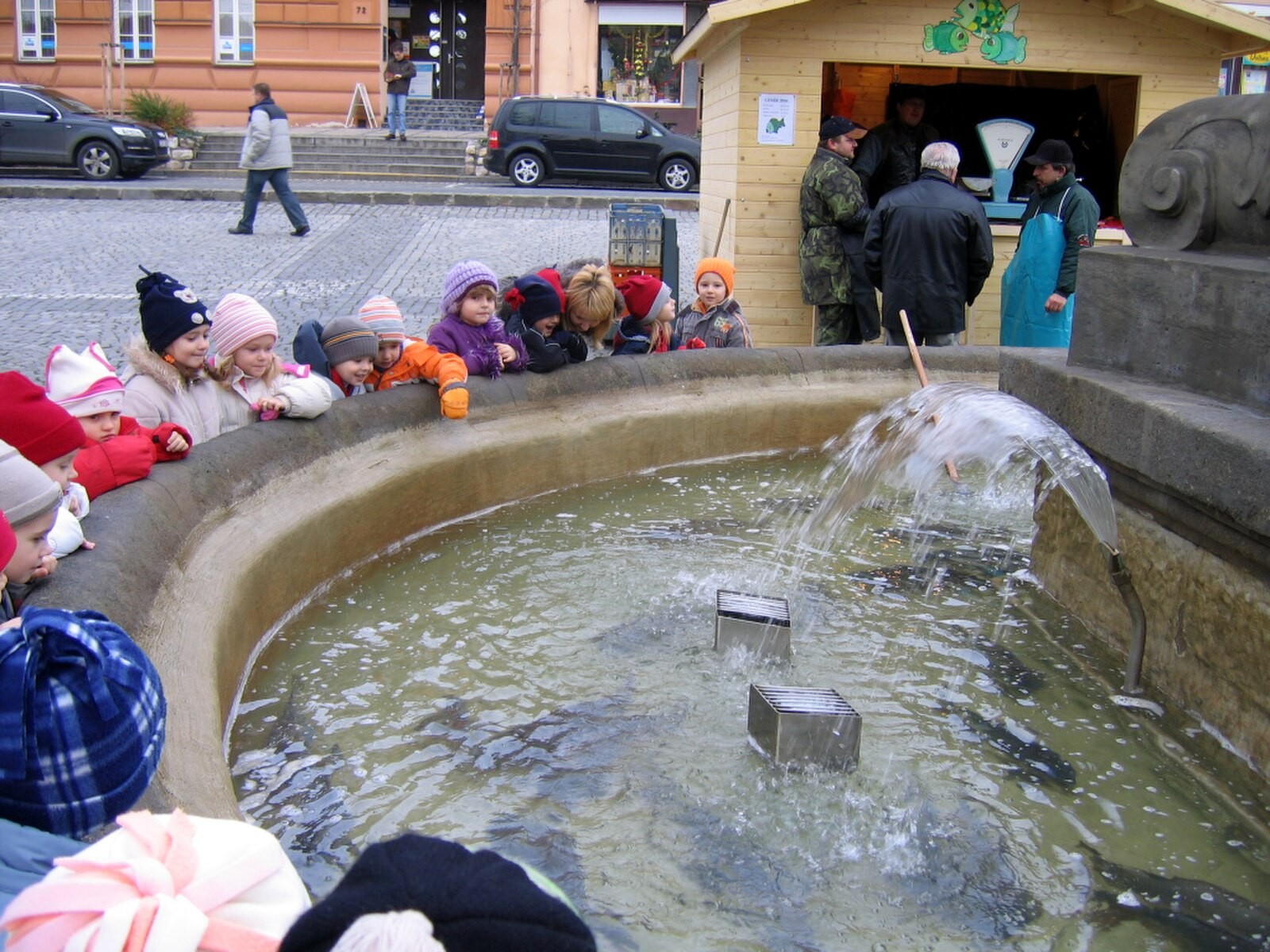
Live Christmas carp gathered in a public fountain/container before Christmas.
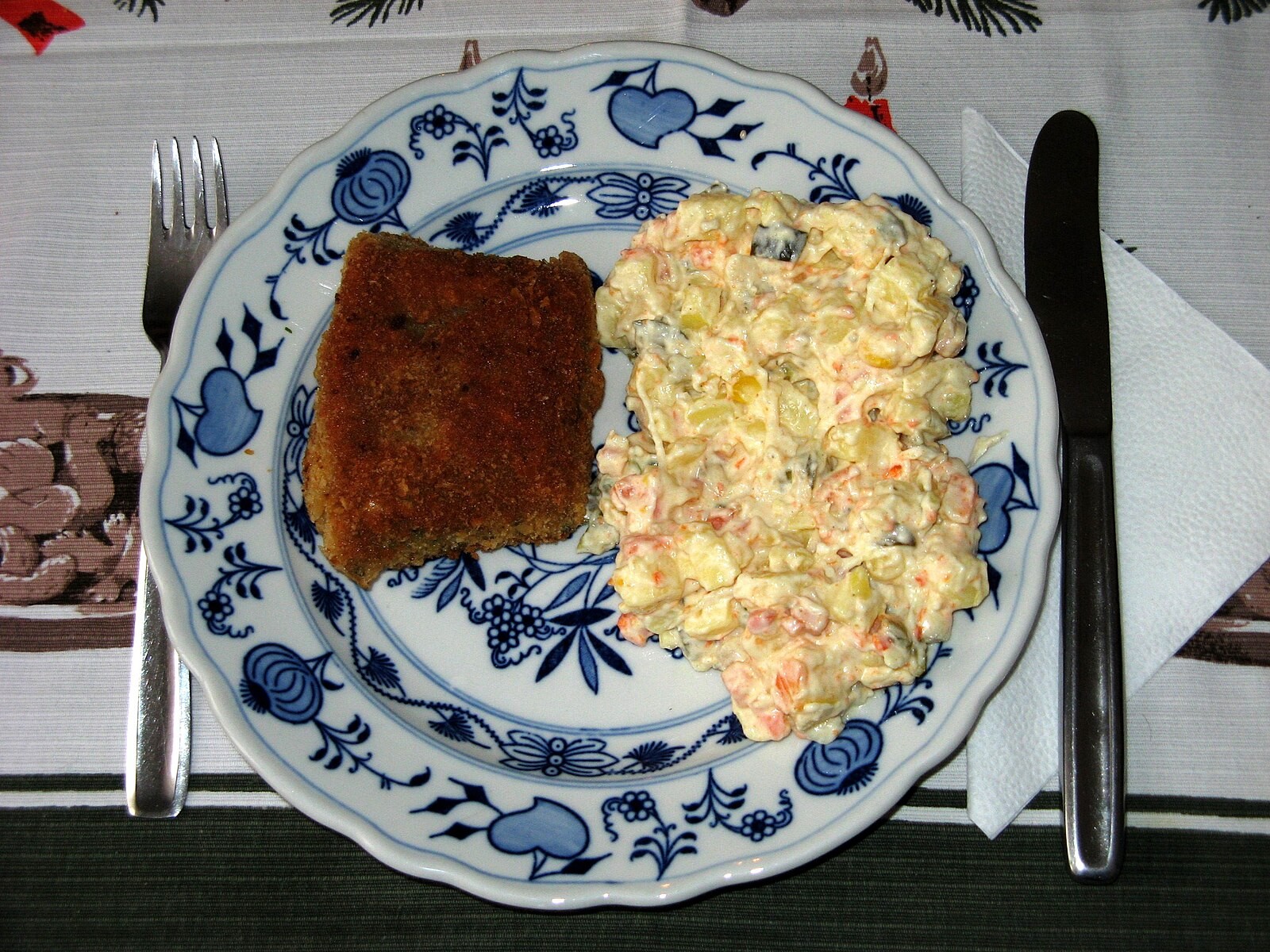
Fried Christmas carp served with potato salad for Christmas Eve.
Quick facts
- Fried carp with potato salad is a major Czech Christmas Eve food tradition.
- The pairing became broadly established in the nineteenth century rather than being an unchanged medieval custom.
- Live carp street sales became a familiar pre-Christmas sight.
- Keeping a carp temporarily in the bathtub was historically a practical household method before preparation.
- The bathtub custom remains culturally famous but is not a universal practice in every Czech household today.
- Current live-sale rules and animal-welfare context should be rechecked each Christmas season.
Questions
Why do Czechs eat carp at Christmas?
Carp became closely associated with Czech Christmas Eve as fish farming, urban sales and nineteenth-century festive habits converged. Fried carp with potato salad is now one of the best-known Czech holiday meals.
Do Czechs really keep carp in the bathtub?
Historically, many families did keep a live carp temporarily in the bathtub before Christmas preparation. The custom remains famous, but it should not be described as universal today.
What is served with Christmas carp?
Czech-style potato salad is the classic accompaniment.
Can visitors eat the traditional meal in Prague?
Yes. Some restaurants and seasonal food venues serve carp and potato salad around Christmas, but availability changes yearly and should be checked for the specific season.
Sources & further reading
- Czech Christmas traditions — VisitCzechia
- Czech Christmas — VisitCzechia
- Czech main dishes and traditions — CzechSpecials