
Prague Stories · Czech Drinks
Slivovice Is More Than a Strong Shot: The Czech Fruit-Brandy Tradition
Slivovice is plum spirit, but the deeper tradition lives in orchards, fermentation and regional distilling — especially in Moravia. Prague is where many visitors taste it; Moravia is where the cultural map becomes much richer.
Prague, with strong Moravian regional context

Slivovice begins with plums.
Start with the fruit, not the alcohol percentage
Ripe fruit is fermented, then distilled so that the aroma and flavour of the fruit survive inside a clear spirit. The result can be powerful, but strength is not the whole point. Good fruit spirit is judged by cleanliness, aroma, balance and whether the distillate still suggests the orchard it came from. The Czech word sits inside a broader family of fruit distillates. Other fruits produce their own spirits and names, and Central and Eastern Europe share overlapping traditions. Treating slivovice as merely “Czech vodka made from plums” misses both the raw material and the craft.
The strongest cultural centre is Moravia, not Prague
VisitCzechia describes slivovice as especially associated with eastern Moravia, where fruit growing and distilling are woven into regional food culture. Villages, orchards and small-scale growers give the spirit a social meaning that a bottle on a Prague back bar cannot fully show. Prague distributes and celebrates the drink, but it should not absorb the regional origin story. This is a recurring lesson in the capital: national products often arrive from elsewhere. To understand slivovice, imagine autumn fruit, fermentation vessels and a licensed local distillery before you imagine a tourist shot glass.
Home-grown fruit does not mean unrestricted home distilling
Czech law draws an important line. Growers can have their own fermented fruit mash distilled through licensed pěstitelské pálení — grower distilling — under regulated conditions and quantity limits. That is different from running an unlicensed still at home. The Ministry of Agriculture explicitly warns that producing spirits privately without the required authorization is illegal, even for personal use. That legal nuance matters because romantic stories about “every Czech grandfather's homemade slivovice” can accidentally turn regulated practice into folklore. Families may grow fruit, prepare mash and use a licensed grower distillery; that is not the same thing as unrestricted domestic distillation.
A private bottle also has rules
Current Czech customs guidance states that spirits produced through grower distilling are for the grower's personal consumption and are not meant for commercial sale. Legal quantity limits are also defined for the household. The larger cultural point is stable: the tradition connects private fruit growing with formal distilling infrastructure. That relationship is more distinctive than the stereotype of secret backyard alcohol.
In Prague, order the regional story with the glass
A restaurant may offer slivovice after a meal; a specialist bar may list several fruit spirits; a bottle shop may distinguish industrial brands from small distilleries. If you taste, do it slowly enough to notice aroma before heat. There is no cultural prize for drinking it in one swallow, and high-proof spirits should never be turned into a challenge. Ask where the spirit was distilled and which fruit variety or region it comes from. Suddenly the glass becomes a map back out of Prague — toward Moravian orchards, harvests and a legal distilling tradition that is much more sophisticated than the tourist shorthand “strong Czech shot.”
Reviewed visuals
See the story
Supporting images selected in the Prague Stories visual review. Context images are labeled so they are not mistaken for documentary proof of the exact subject.
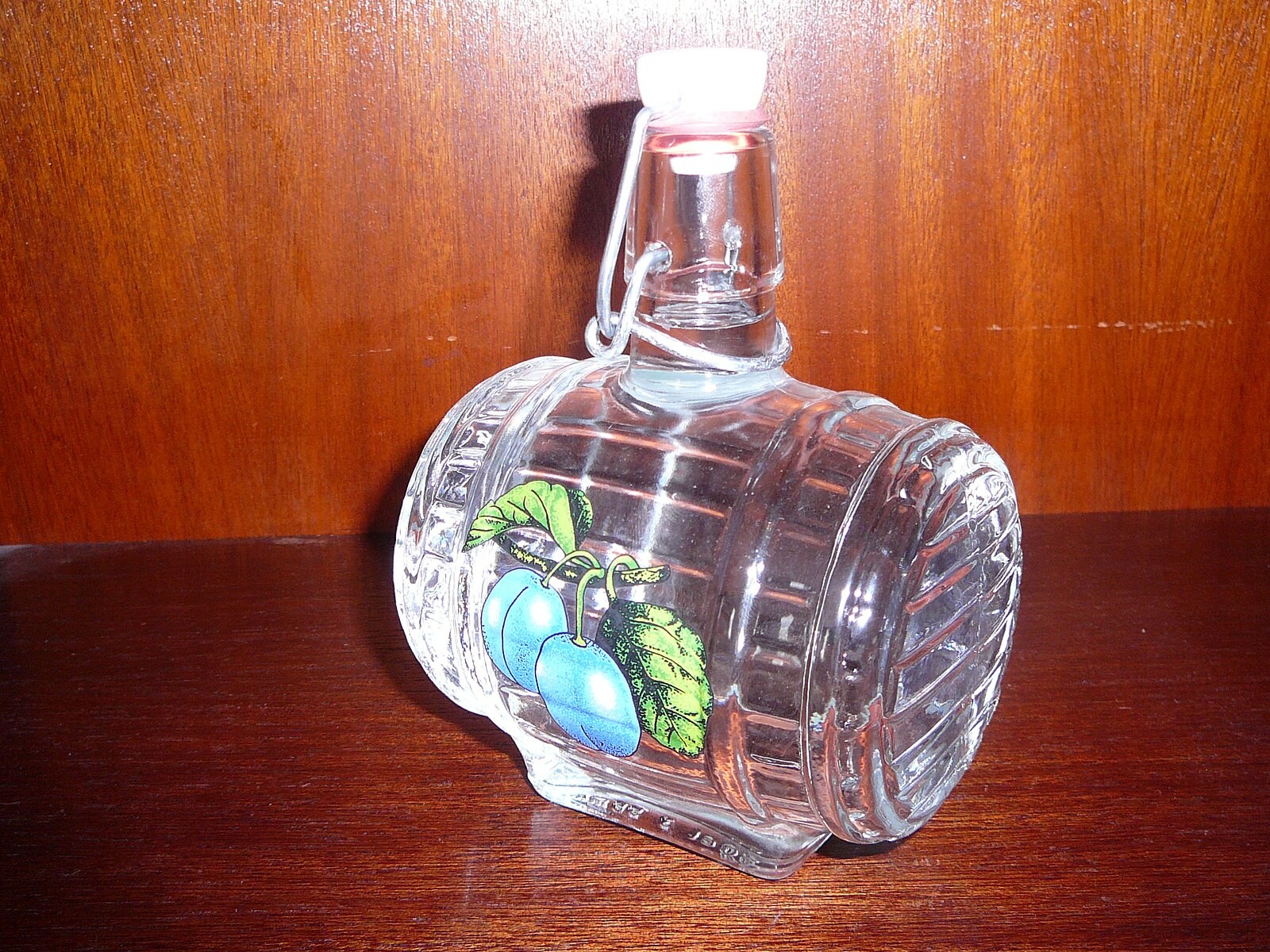
Bottle of slivovitz/slivovice, the plum spirit at the centre of the story.
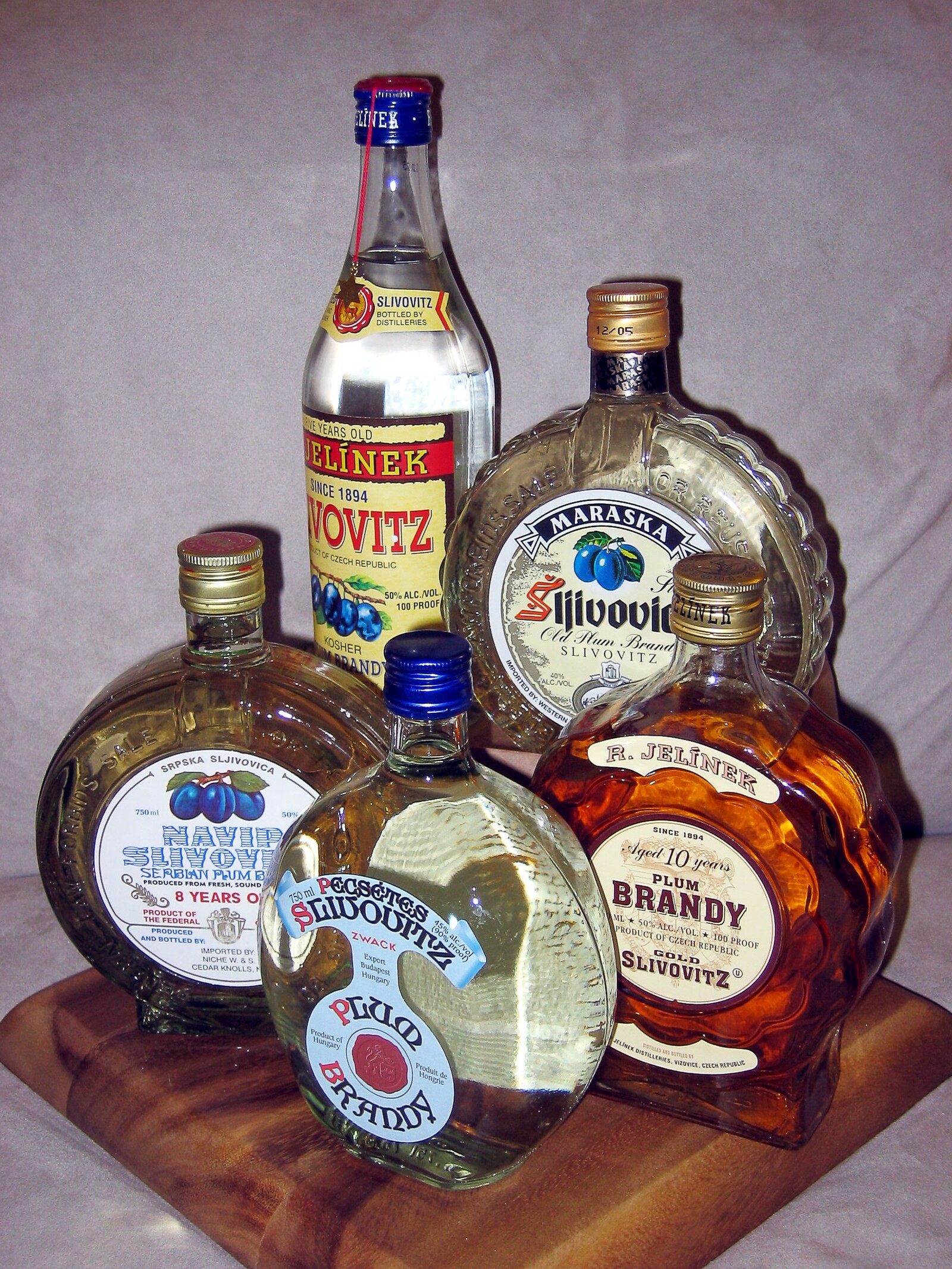
Several slivovitz bottles together, illustrating variation in producers/styles.
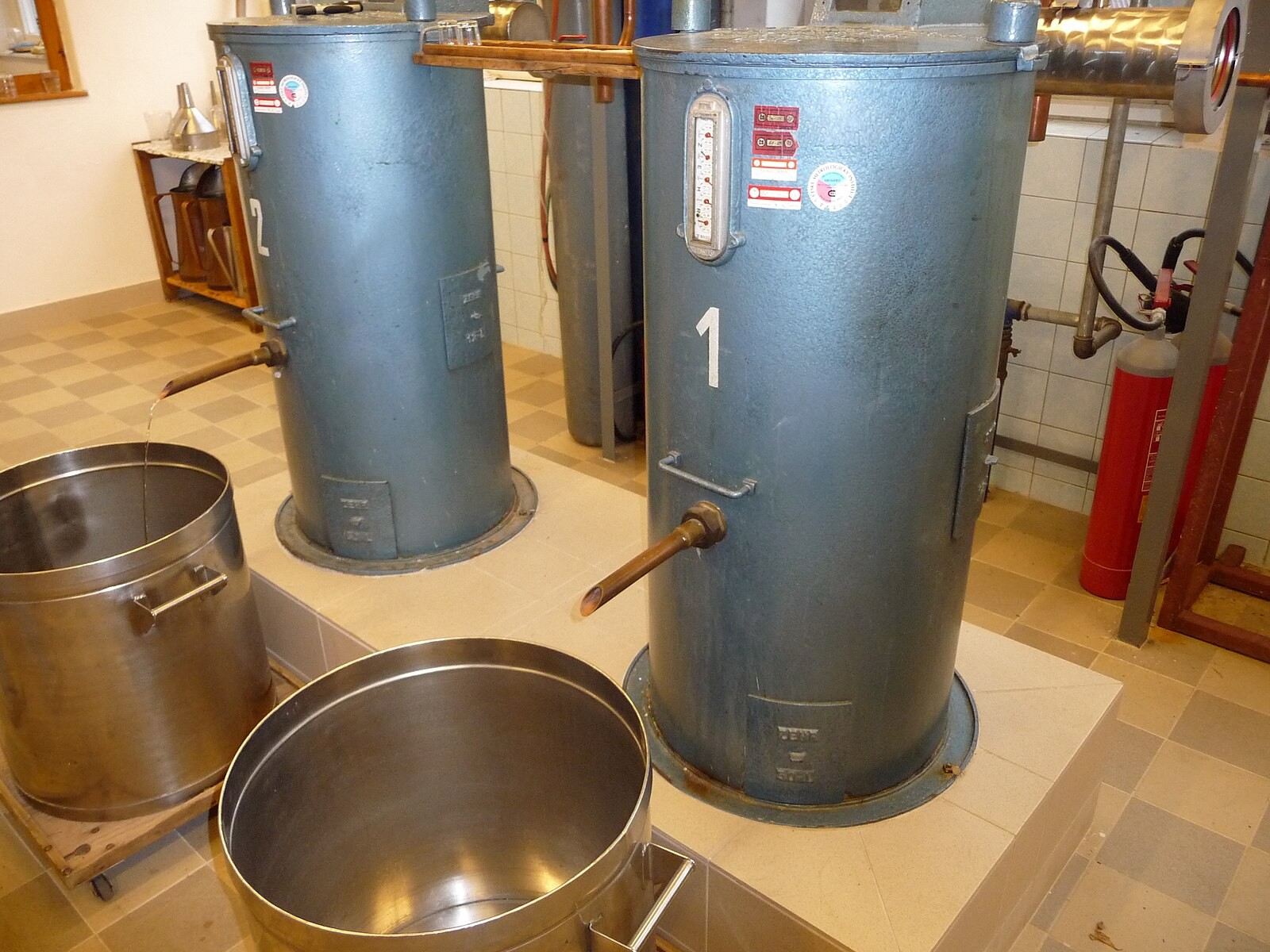
Fresh slivovitz at a Czech pálenice/distillery, showing production culture rather than only retail bottles.
Quick facts
- Slivovice is a distilled spirit made from fermented plums.
- Czech fruit-spirit culture is especially strong in Moravia.
- Slivovice belongs to a broader family of fruit distillates rather than standing alone.
- Czech law allows regulated grower distilling through licensed facilities under defined conditions.
- Unlicensed private distilling of spirits is illegal even when described as personal use.
- Grower-distilled spirit is for personal consumption and is not legally a product for ordinary resale.
Questions
What is slivovice?
A clear fruit spirit distilled from fermented plums. It is one member of a wider Central European fruit-brandy tradition.
Is slivovice Czech or Moravian?
It is part of Czech drinking culture, but its strongest regional identity is especially associated with Moravia, particularly eastern and southern fruit-growing areas.
How strong is slivovice?
Strength varies by producer and product. Check the bottle's ABV rather than assuming one standard; it is generally a high-proof spirit and should be consumed accordingly.
Is homemade slivovice legal?
Unlicensed home distilling is not legal. Czech law provides a regulated grower-distilling system in which a licensed distillery processes a grower's fruit mash under defined limits and conditions.
Sources & further reading
- Slivovice — VisitCzechia
- Information on grower distilling — Ministry of Agriculture of the Czech Republic
- Customs Administration warns about illegal sale of grower-distilled spirits — Customs Administration of the Czech Republic