
River infrastructure
Náplavka’s River-Wall Vaults Once Stored Ice
Prague City Tourism says the vaults built into Rašínovo embankment were originally used for ice storage before renovation for new uses.
Rašínovo embankment, Prague

The fashionable riverfront spaces began as utilitarian cold-storage infrastructure.
Today’s riverfront rooms began as cold storage
The vaulted spaces built into Rašínovo embankment are now easy to associate with leisure and contemporary riverfront life. Prague City Tourism gives them a much more utilitarian origin: the vaults were originally used to store ice. Their first purpose belonged to the working river, not the lifestyle destination that later developed around them.
The embankment wall is a building too
From a distance, a river wall can read as pure infrastructure—a barrier separating city and water. The openings at Náplavka reveal something more complex. Rooms are embedded inside the retaining structure, turning the edge of the river into occupied architecture.
Ice storage made sense beside the water
The old function ties the vaults directly to a practical economy in which natural cold and river access mattered. You do not need to romanticise the operation to appreciate the logic: the spaces were useful because of where they were and how they were built.
The old vaults found a new life
Cafés, galleries and other tenants may change, but the larger transformation is easy to see. Spaces once used to store ice were renovated for new purposes, allowing part of Prague’s working river infrastructure to become part of today’s social riverfront without losing the old vaulted shell.
Reviewed visuals
See the story
Supporting images selected in the Prague Stories visual review. Context images are labeled so they are not mistaken for documentary proof of the exact subject.
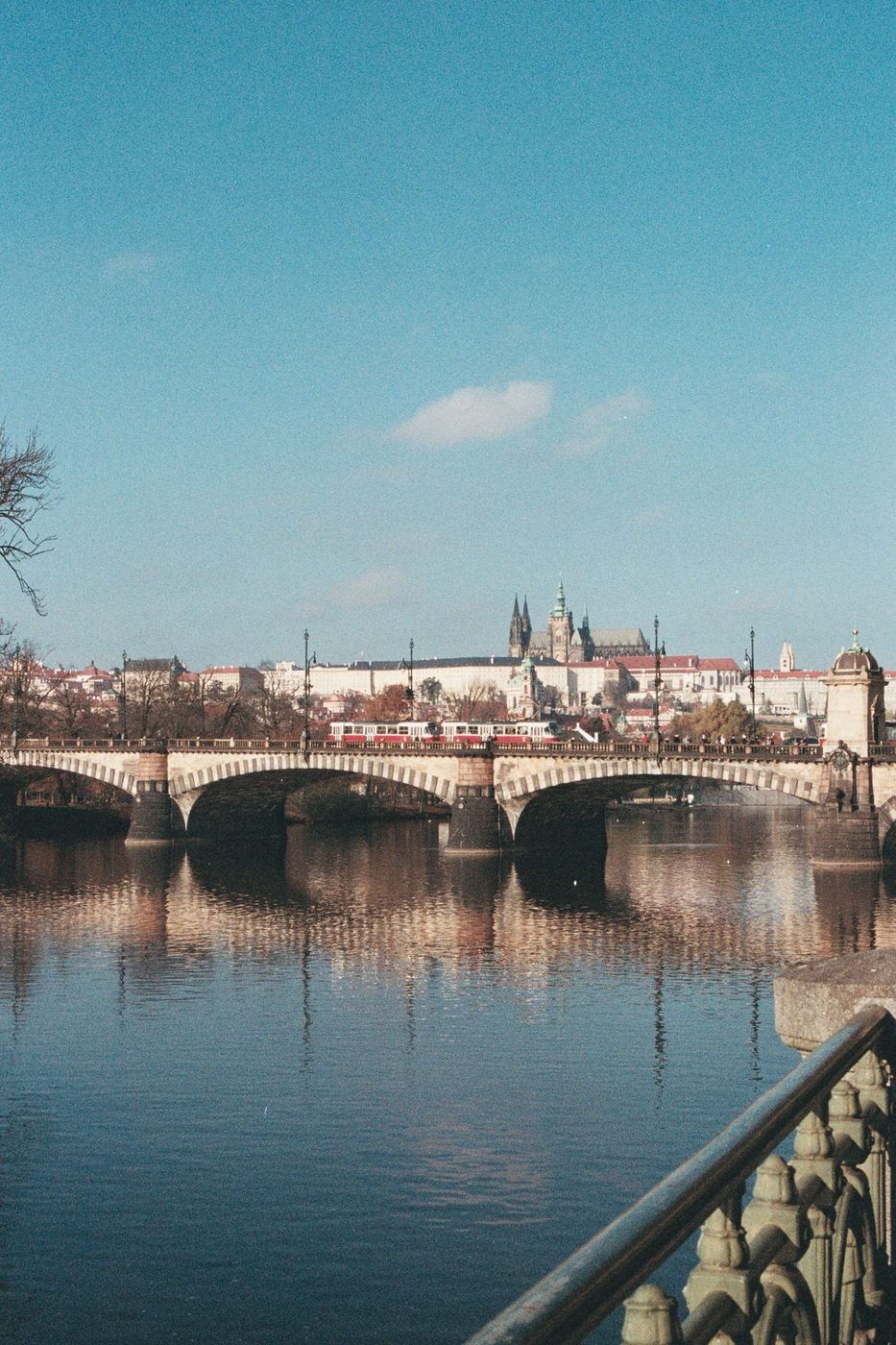
Vltava retaining-wall/embankment context is visibly shown.
Quick facts
- The vaults are built into the river embankment wall.
- Prague City Tourism says they originally stored ice.
- The source says the spaces were renovated.
- Their later uses differ from their original storage role.
Questions
What were the vaults originally used for?
Ice storage.
Why avoid naming individual current tenants?
Tenants can change, while the original storage function is the durable historical fact.
Sources & further reading
- Náplavka — Rašínovo embankment — Prague City Tourism