
Prague Stories · Early Bohemia
Tetín: The Cliff Village Where Saint Ludmila Was Murdered
Tetín looks like a quiet village above the Berounka, but its early medieval hillfort is tied to one of the foundational political murders in Czech history: the killing of Ludmila in 921.
Tetín, Central Bohemia

One of the most consequential murders in early Czech history happened in a village most Prague visitors never see.
The landscape was already important
Tetín developed as an early medieval Přemyslid stronghold on a rocky position above the river. Archaeology and written sources overlap here unusually well, allowing the site to be connected with both physical settlement and remembered political events.
Ludmila died here
In 921, Ludmila — grandmother of St Wenceslas and later a saint herself — was murdered at Tetín in a conflict tied to dynastic politics. Medieval Latin legends preserve the story, while the location remains central to Tetín’s identity.
The saint came after the political actor
Ludmila should not be flattened into a passive religious figure. She belonged to the first generations of Christian Přemyslid rule and to a court navigating conversion, succession and power. Her sainthood transformed the memory of a political death into a foundational Christian cult.
A small place can carry state-sized history
Tetín is small enough that early Bohemian power feels scattered again. Cliffs, churches and traces of fortification sit outside monumental Prague, recalling a period when the political landscape consisted of several centres rather than one capital swallowing the whole story.
The murder was about succession and power
The drama of 921 is easy to tell as a family murder, but Ludmila was an experienced dynastic figure in a court dealing with succession, Christianisation and competing factions. Her death belongs to that political struggle over who would shape the next generation of Přemyslid rule. The later saintly legend did not erase the politics; it transformed the way they were remembered.
Her memory moved to Prague
Ludmila’s remains were later transferred to Prague, where her cult developed around martyrdom and dynastic Christianity. That creates a split geography: Tetín holds the place of death, while Prague became a principal place of veneration. Visiting both changes the story from a single monument into a route between politics and memory.
Do not stop at the murder site
Tetín works as a cluster rather than a single attraction. Churches, archaeological traces, viewpoints and the river landscape belong to different moments in its history. Moving between them keeps the famous death in proportion: enormous in importance, but still one episode in a place that existed before 921 and continued after it.
Reviewed visuals
See the story
Supporting images selected in the Prague Stories visual review. Context images are labeled so they are not mistaken for documentary proof of the exact subject.
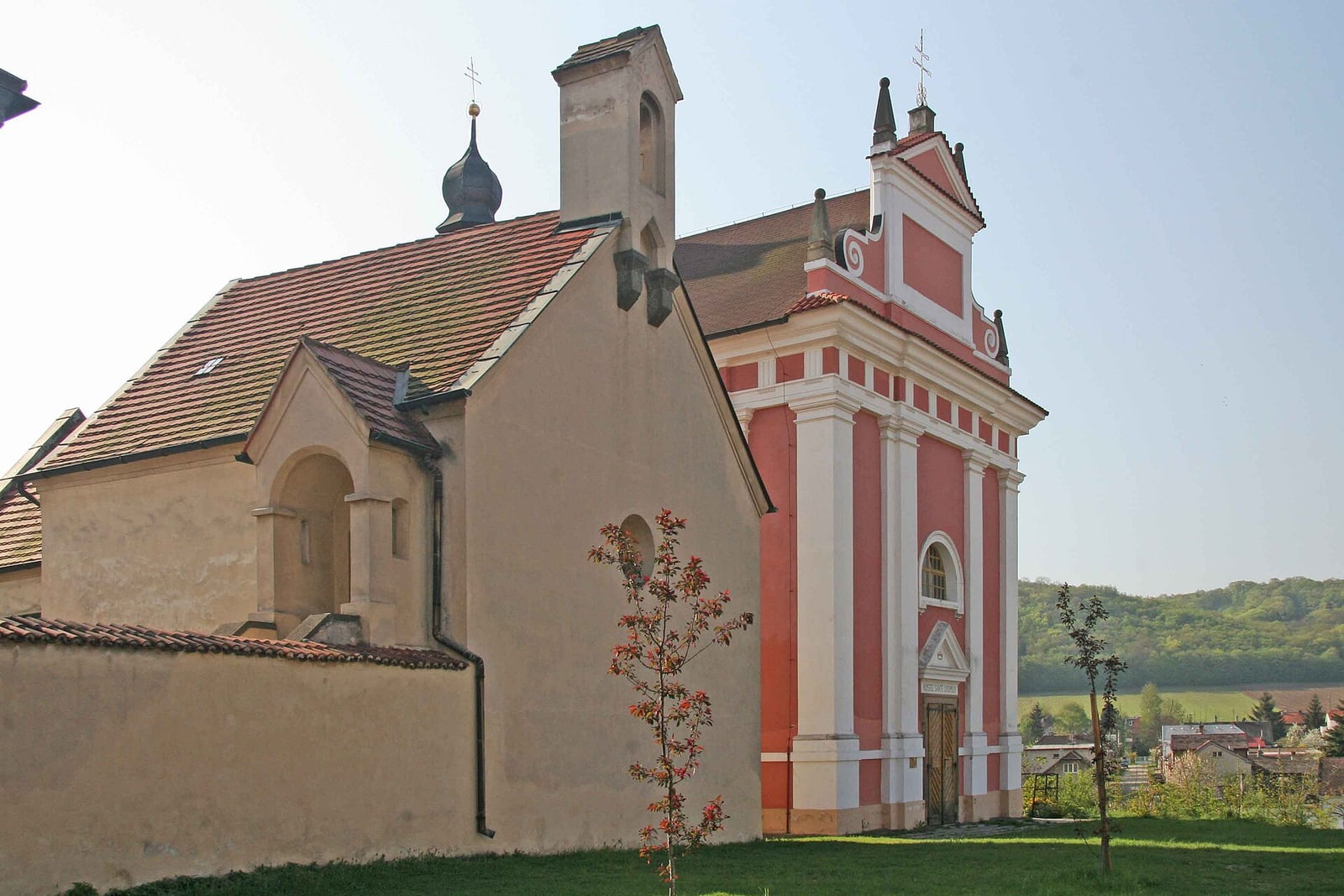
Distinct wider view of Tetín’s two churches linked to the Saint Ludmila heritage landscape.
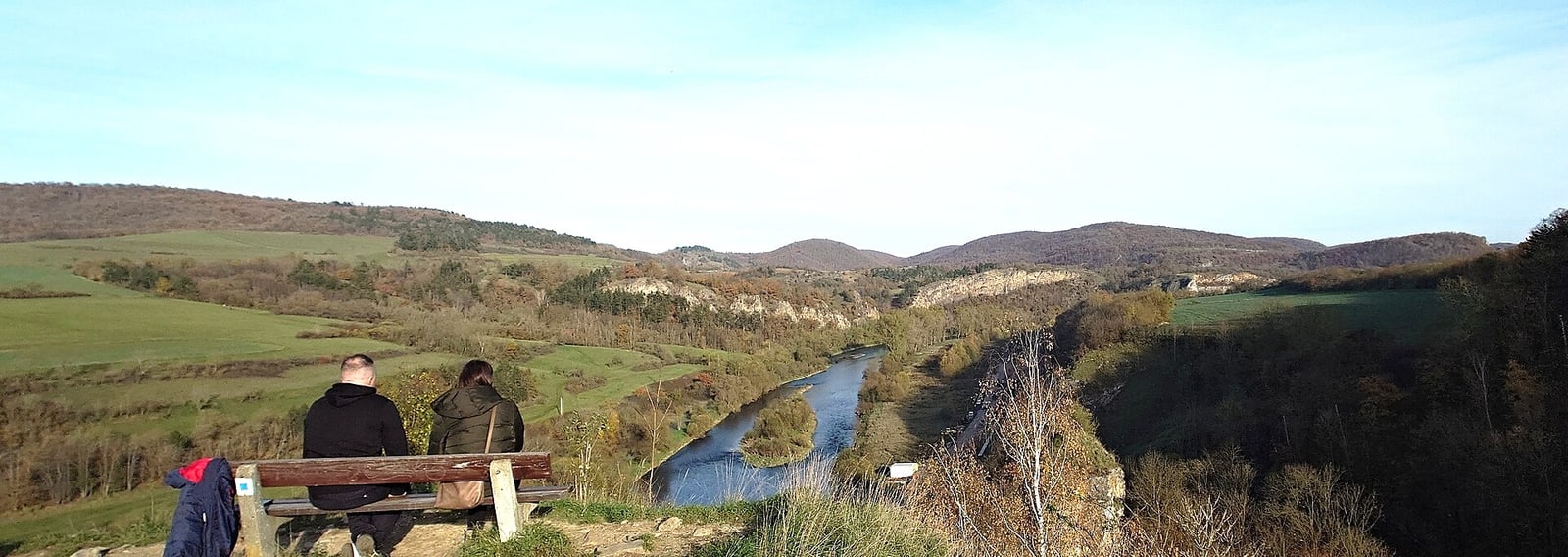
Main Tetín lookout on the rocky promontory near the castle ruins.
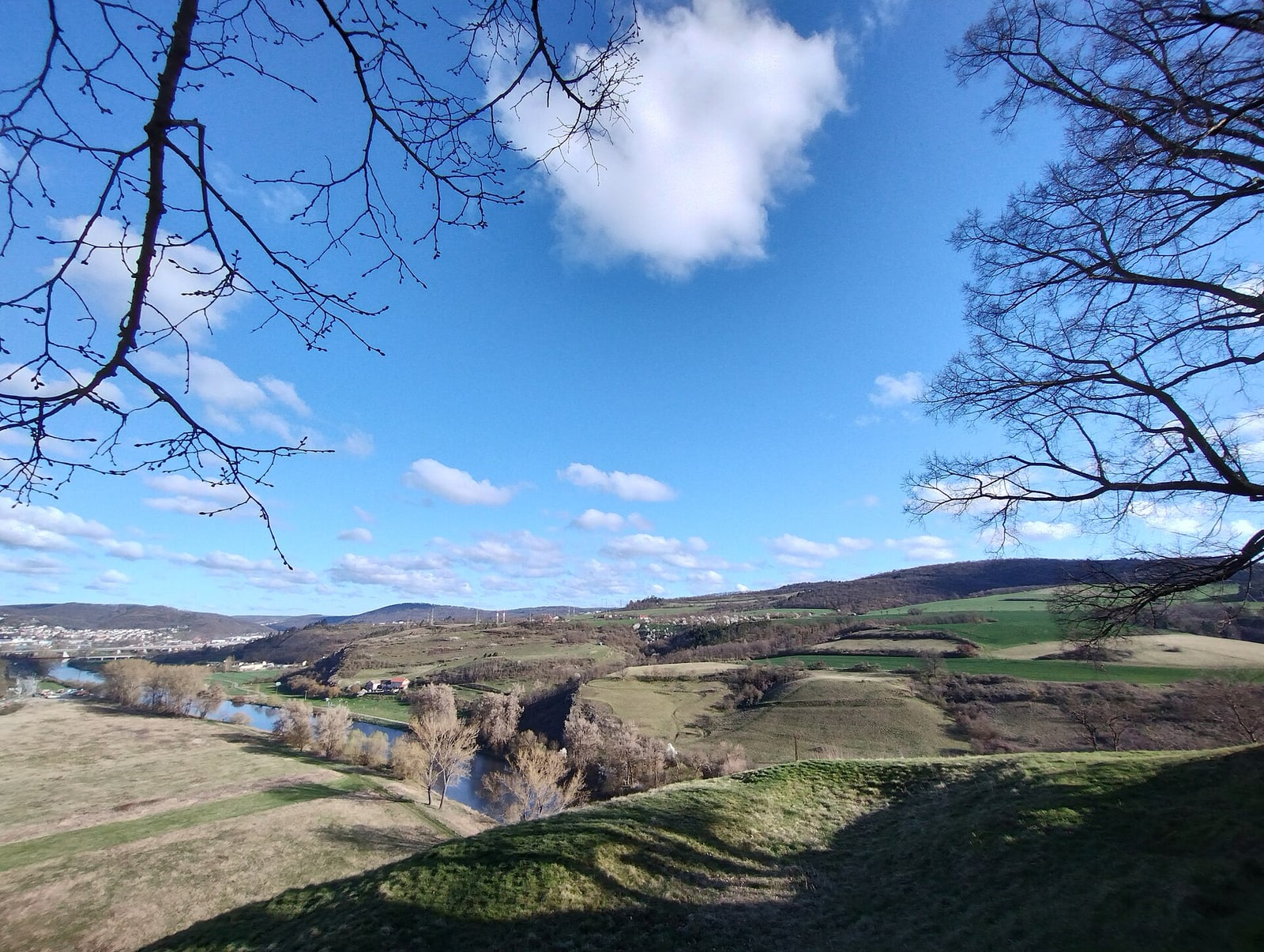
View from Tetín into the Berounka canyon, showing the cliff-village setting.
Quick facts
- Tetín was an early Přemyslid fortified centre.
- Ludmila was murdered there in 921.
- She was the grandmother of St Wenceslas.
- The site preserves a combination of archaeological evidence and medieval written tradition.
Questions
Who was Ludmila?
An early Přemyslid ruler, grandmother of St Wenceslas and later one of the principal Czech saints.
Was she really killed at Tetín?
Medieval written sources and local historical tradition connect her murder with Tetín in 921.
Is Tetín a castle ruin?
The village contains remains and archaeological traces from several periods, not one complete preserved castle.
Sources & further reading
- Historie Tetína — Muzeum a infocentrum Tetín
- Tetín — Ministry of the Interior of the Czech Republic