
Wartime preservation
The Wartime Central Jewish Museum Became a Safe Haven for Community Objects
The Jewish Museum in Prague says the Central Jewish Museum founded in 1942 became a safe haven for liturgical objects, books and archival documents from defunct Jewish communities during the war.
Jewish Museum in Prague / Josefov

The institution existed under Nazi approval, yet museum staff used it to preserve objects and records from destroyed communities.
Correct the simple origin story
A common shortcut says the Nazis created a museum of a vanished people. The Jewish Museum’s own history is more precise. It says the Prague Jewish community initiated the Central Jewish Museum in 1942; the Nazis approved it with different aims, while under the cover name “museum” it became a safe haven for liturgical objects, books and archival documents from defunct Jewish communities.
See preservation as organised work
Objects did not preserve themselves. The museum history credits professional staff, including chief curator Josef Polák and colleagues, with creating a professional institution under catastrophic conditions. That turns a collection into evidence of deliberate documentation and care rather than passive accumulation.
Keep agency and coercion together
The wartime museum existed inside a system of Nazi persecution, but reducing its history to Nazi intention erases the actions of Jewish museum workers. The useful visitor lesson is to hold both realities at once: coercive approval from the occupying regime and preservation work carried out by people trying to protect communal material for the future.
Reviewed visuals
See the story
Supporting images selected in the Prague Stories visual review. Context images are labeled so they are not mistaken for documentary proof of the exact subject.
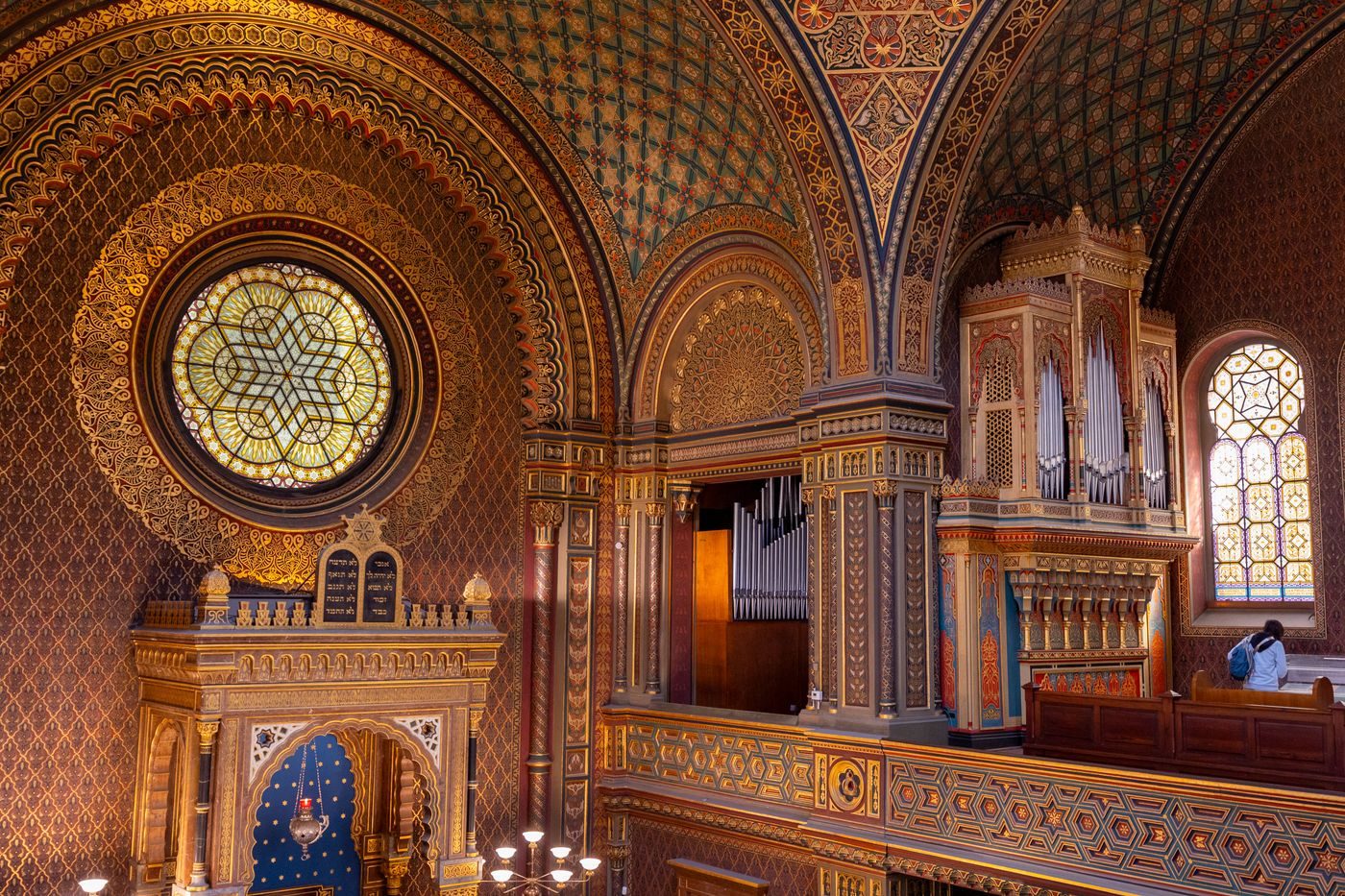
Exact Spanish Synagogue interior, part of the broader Prague Jewish Museum landscape, is visibly shown.
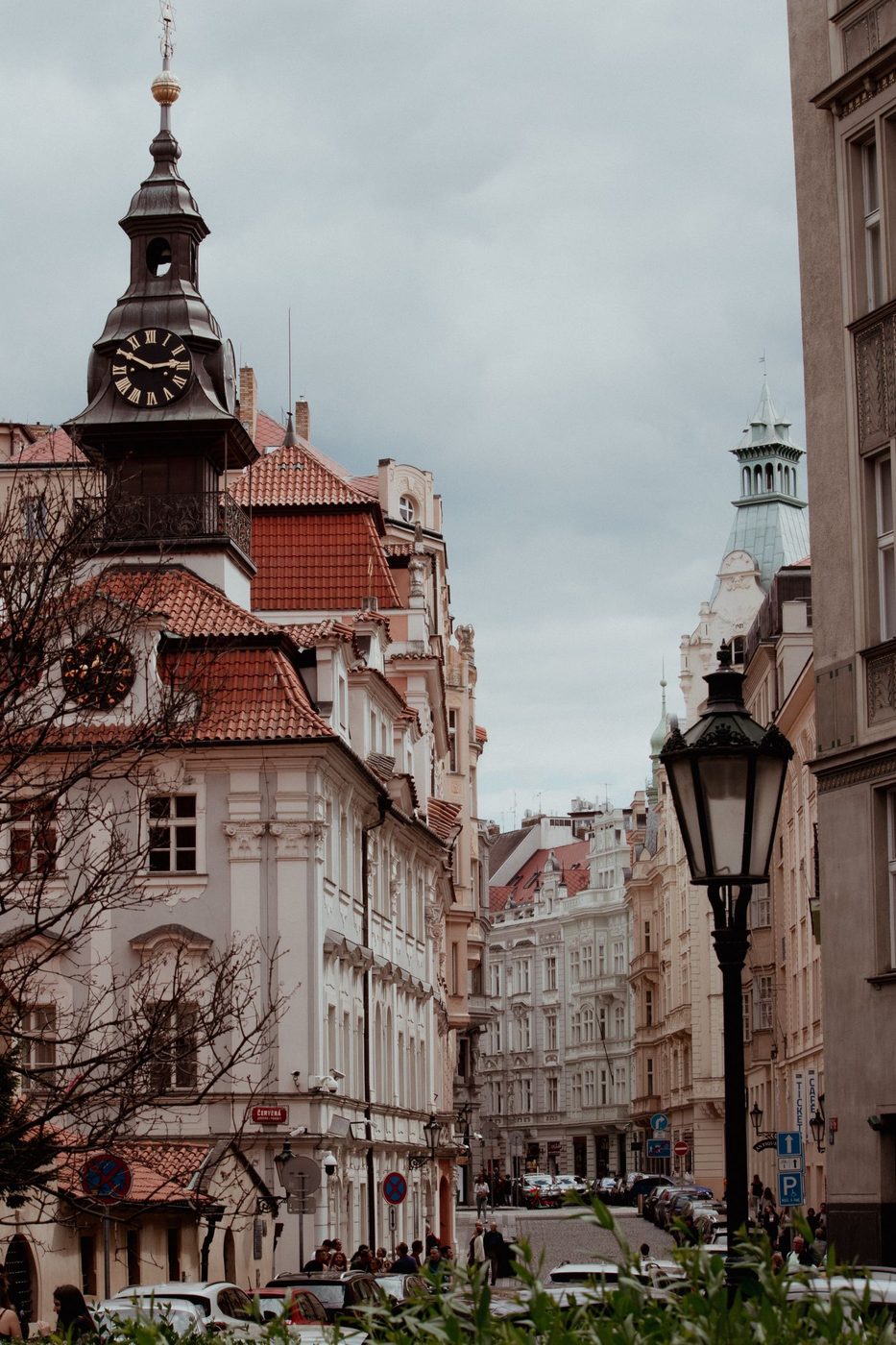
Josefov Jewish civic architecture is visibly established.
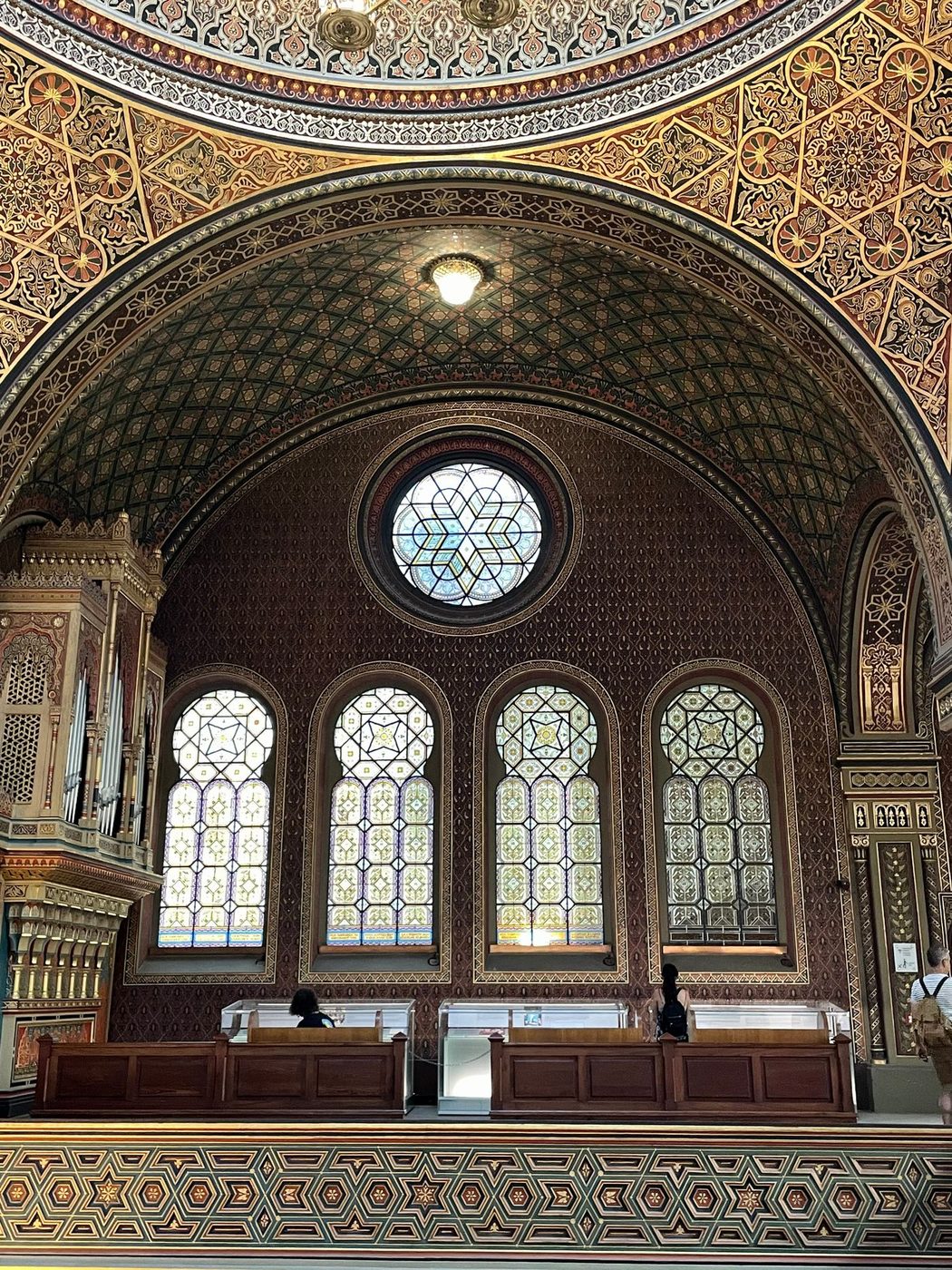
Another exact Spanish Synagogue interior is visibly shown.
Quick facts
- The Central Jewish Museum was founded in 1942.
- The Jewish Museum says Nazi authorities approved the project after negotiations.
- The Museum says the institution became a safe haven for liturgical objects, books and archival documents.
- Those materials came from defunct Jewish communities.
Questions
Did Nazi approval mean the museum simply reflected Nazi aims?
No. The Jewish Museum says the Nazi authorities had different aims from the founders and that the museum became a safe haven for community objects and records.
What kinds of material were preserved?
The Museum names liturgical objects, books and archival documents.
Sources & further reading
- History of the Museum — Jewish Museum in Prague