
Prague Stories · Day trips
Kutná Hora From Prague: Why the Bone Church Is Only Part of the Story
Sedlec Ossuary gets the photographs, but Kutná Hora became important for a less macabre reason: silver. A good day trip follows that money through a medieval royal city, then lets the Bone Church sit in its proper context.
Kutná Hora, Central Bohemia

Kutná Hora is easy to misunderstand because one room in nearby Sedlec has become more famous than the town that paid for it.
Begin with silver, not bones
The ossuary is unforgettable, certainly. Human bones were arranged there into elaborate decorative forms, and images of that interior circulate widely online. Yet if you arrive thinking this is simply “the bone-church trip from Prague,” the rest of Kutná Hora can feel like an unexpected extra. Historically, it is the other way round. The town grew on silver. Mining and minting made Kutná Hora one of the major economic centres of the medieval Kingdom of Bohemia. Its relationship with Prague was political as well as commercial. UNESCO notes that prosperity from the silver mines helped shape an urban ensemble of exceptional importance. You can still read that wealth above ground: in the scale of St Barbara’s Church, in the surviving street plan and in the confidence of a town built around an industry that once mattered far beyond its own hills.
St Barbara explains what the town thought of itself
Walk toward St Barbara’s Church and Kutná Hora stops looking like a curious excursion and starts reading as a city with ambitions. The church is associated with the patron saint of miners, which makes its presence here more than decorative symbolism. Its long construction history and dramatic position above the valley turn mining wealth into architecture. The route toward the church is part of the pleasure. Kutná Hora’s historic centre reveals its medieval fabric in fragments: lanes, façades, sudden views, religious buildings and traces of civic power, not one monumental square. Instead of trying to “collect” every sight, allow the city to explain itself. Ask why a mining town needed architecture on this scale.
Then go to Sedlec with the right frame
Sedlec lies apart from the historic centre, and that separation helps. Its Cathedral of the Assumption of Our Lady and St John the Baptist is itself part of the UNESCO property. The ossuary below the cemetery church belongs to a longer religious and funerary landscape; it was not created as a theatrical attraction for modern visitors. Keep that context with you when you enter. The bone arrangements are visually extraordinary, but they are human remains. Treating the space as a memorial and sacred site changes the pace of the visit. Look at the craftsmanship, the architecture and the relationship between burial practice and later artistic arrangement without turning every corner into a prop. The site can be strange and beautiful at the same time without losing its seriousness.
A day trip works because the town has two centres
Kutná Hora is close enough to Prague for a straightforward rail day trip, but its attractions are not all clustered around a single station or square. Sedlec and the medieval centre are separate pieces of the visit. Build the day around that separation; the train does not drop you beside everything at once. A relaxed full-day version gives both areas room: Sedlec, the old town, St Barbara and time for lunch or coffee. A half day can work if you choose your priorities and accept that one side of the town may receive a quicker visit. Current train times and local connections should always be checked for the travel date; verify the rail leg in the Czech Railways timetable, not an old blog itinerary. The reward for not sprinting is a much better story. You leave remembering not only a chandelier made from bones, but a royal mining city whose underground wealth once altered the map of Bohemia.
Reviewed visuals
See the story
Supporting images selected in the Prague Stories visual review. Context images are labeled so they are not mistaken for documentary proof of the exact subject.
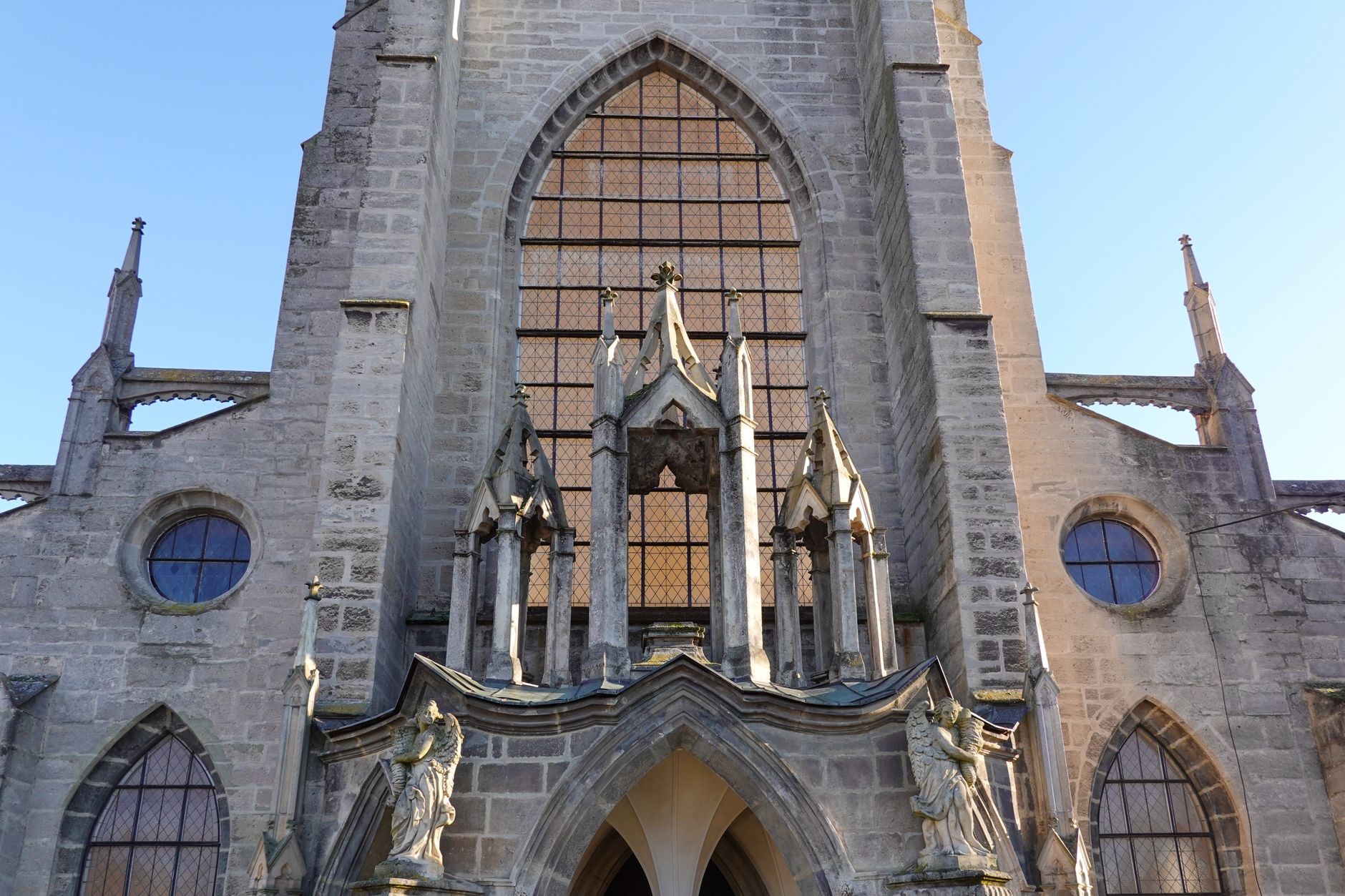
Church of the Assumption in Sedlec, showing Kutná Hora beyond the ossuary.
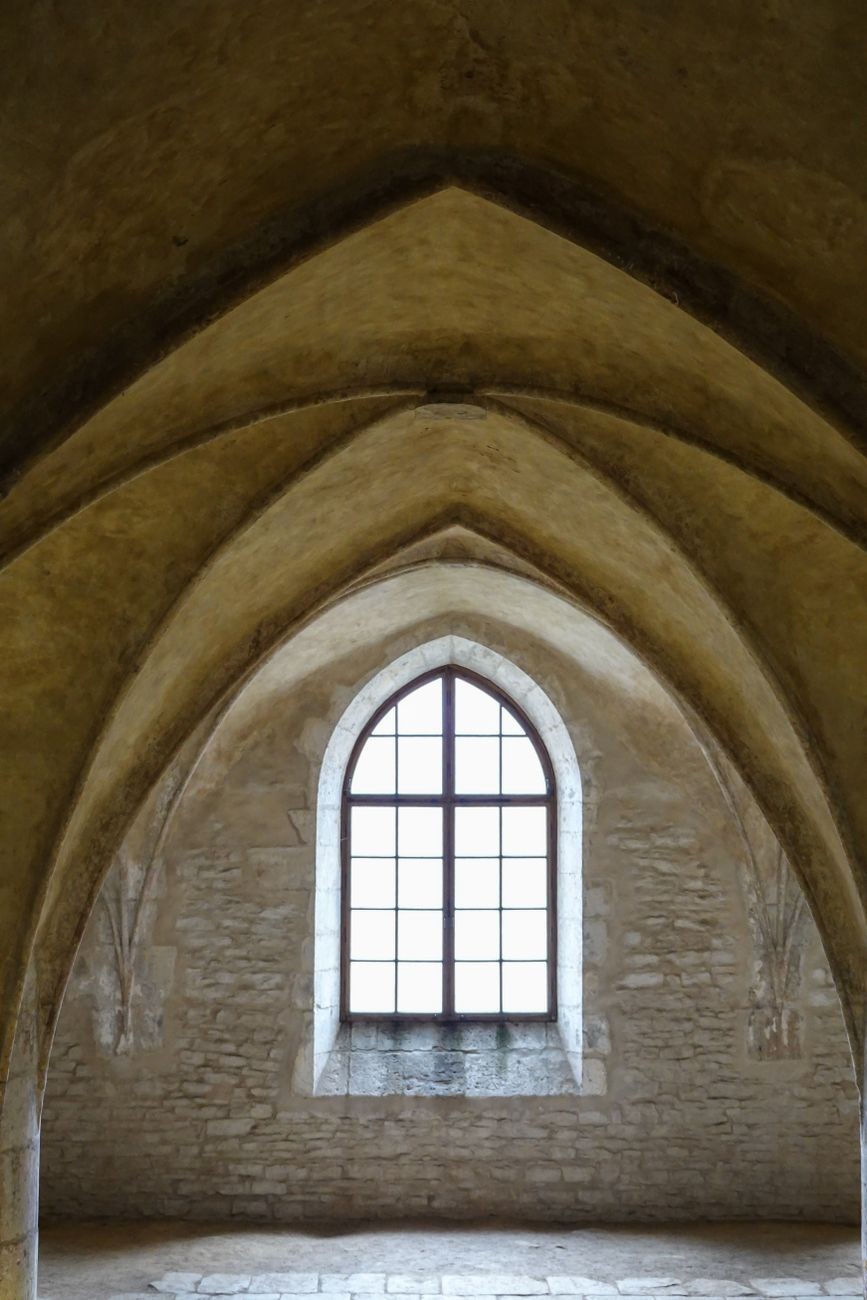
Gothic vaulted interior at Corpus Christi Chapel in Kutná Hora.
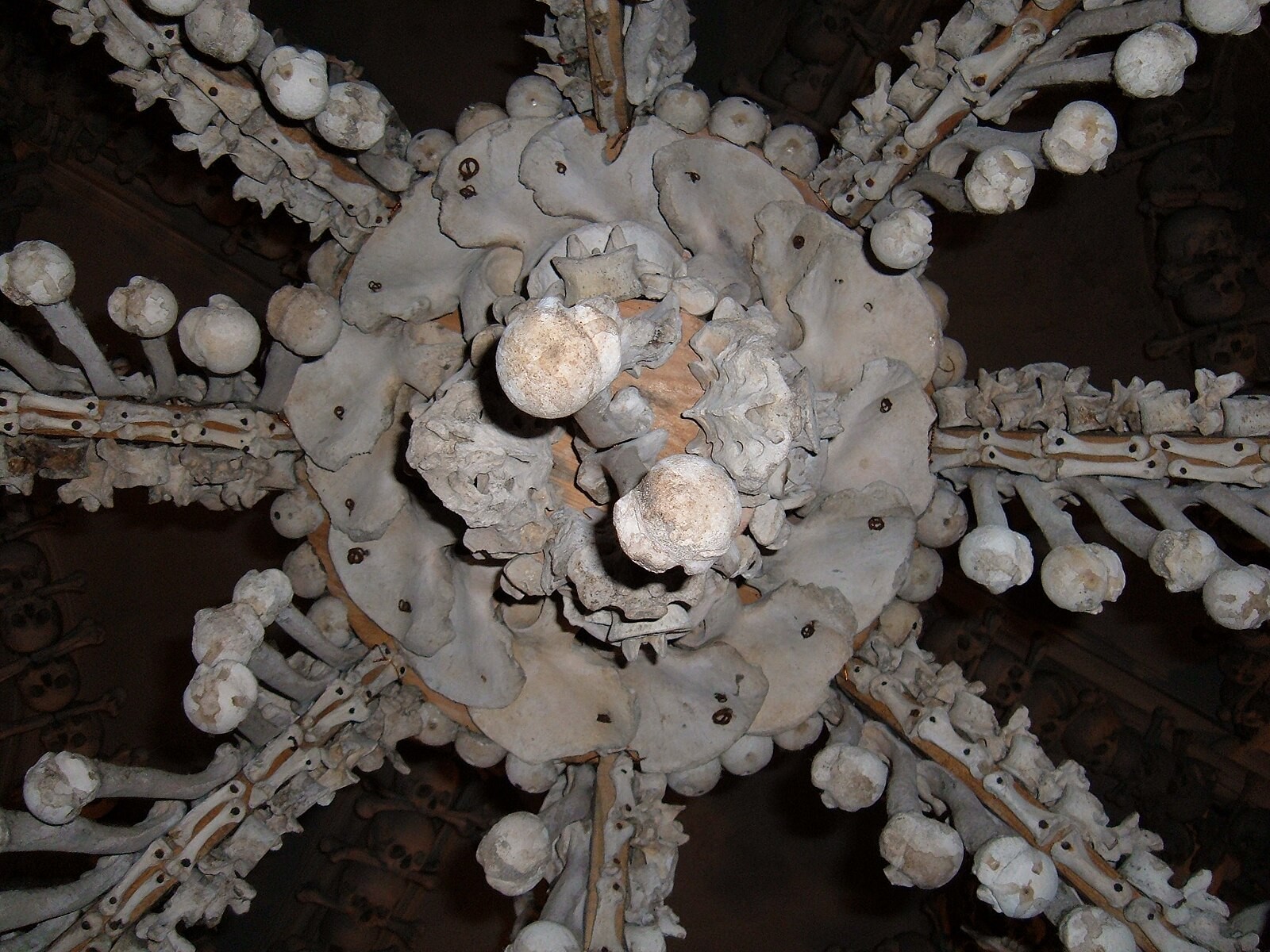
Bone chandelier inside Sedlec Ossuary, the famous “bone church” component of the trip.
Quick facts
- Kutná Hora’s medieval prosperity was built on silver mining and minting.
- Its historic centre, St Barbara’s Church and the Cathedral at Sedlec form a UNESCO World Heritage property.
- Sedlec Ossuary is only one part of the town’s historical landscape.
- St Barbara is the patron saint traditionally associated with miners.
- Sedlec and Kutná Hora’s historic core are separate areas, so route planning matters.
- Current rail times should be checked for the date of travel.
- Photography is currently prohibited inside Sedlec Ossuary; the site describes it as a tomb and functioning sacred space.
Questions
How far is Kutná Hora from Prague?
It is a practical day trip from Prague by rail.
Can you do Kutná Hora in half a day?
Yes, but only with priorities. Sedlec and the historic centre are separate, so a half day usually means a tighter visit. A full day gives St Barbara, the old town and Sedlec more breathing room.
Do you need tickets for the Bone Church?
Visitor access to Sedlec Ossuary is ticketed. Opening arrangements and ticket rules can change, so confirm them with the official site before travelling.
Is Kutná Hora worth a day trip?
Yes if you are interested in medieval history, architecture or the economic story behind Bohemia’s silver wealth. The ossuary is memorable, but the strongest visit treats it as one chapter rather than the whole destination.
Sources & further reading
- Kutná Hora: Historical Town Centre with the Church of St Barbara and the Cathedral of Our Lady at Sedlec — UNESCO World Heritage Centre
- Timetable — České dráhy
- Ossuary before visiting — Roman Catholic Parish of Kutná Hora–Sedlec