
Prague Stories · Itinerary
How to Spend Three Days in Prague Without Rushing the City
Three days is enough to understand Prague’s main geography and still have a city break rather than a timed obstacle course. The trick is to keep each day geographically tight and let the mood shift from monumental Prague to lived-in Prague.
Prague

Start where Prague is easiest to understand: Hradčany and Prague Castle.
Day one: begin above the city
Morning light and a fresher pair of legs suit the hill, and the sequence downward is more forgiving than approaching the Castle after hours of walking. Give the complex a real block of time. Choose the interiors that fit your interests; there is no need to march through each one. Just avoid scheduling another major attraction across town immediately afterward. St Vitus Cathedral, the Old Royal Palace and Golden Lane sit inside a setting of courtyards, gates and changing views; those transitions are part of the visit. Leave through Hradčany and descend into Malá Strana. Lunch belongs here or nearby, not because there is one mandatory restaurant, but because stopping breaks the day at the moment the urban scale changes. Continue through the lower streets toward the river, cross Charles Bridge, then let Old Town take the late afternoon. The square and its surrounding Old Town lanes are more rewarding when you are not staring at a reservation time. For evening, stay close. Walk the river, hear live music, or return to a street you rushed through earlier. Day one should end with Prague still feeling larger than your itinerary.
Day two: give memory and the east bank room
Josefov works best before it gets folded into general sightseeing. The Jewish Museum is a network of synagogues and the Old Jewish Cemetery, and the act of walking between those sites is part of understanding what survived, what changed and how the former Jewish Town sits inside modern Prague. Check the calendar first: museum venues close on Saturdays and Jewish holidays. Afterward, resist the reflex to cross the river again. Stay on the east bank and let the day widen. The New Town can look deceptively modern beside Old Town, but its medieval plan is on a much larger scale. Wenceslas Square, Národní třída and the riverfront tell a different political and urban story from the Castle route. By mid-afternoon, switch scale and give a neighborhood the next few hours. Vinohrady offers broad residential streets, parks and cafés. Žižkov is steeper, denser and less polished. Holešovice replaces medieval façades with converted industrial buildings and contemporary culture. Pick one based on temperament, not on a list of “must-sees.” This is the night to go out somewhere you would not necessarily visit at noon. A concert, jazz club, neighborhood pub or a long dinner gives the second day its own shape.
Day three: use the freedom you earned
The third day should not be a storage room for everything you failed to fit into days one and two. Use it to change perspective. Vyšehrad is a strong morning choice because it sits above the Vltava south of the main tourist core. The fortifications, church, cemetery, park and river views feel spacious after two denser days. From there, follow the river back toward the centre and keep the return above ground for a while. If gardens and views matter more than fortifications, substitute Petřín and its slopes. If contemporary art is your priority, spend longer in Holešovice. Families may prefer Prague Zoo, which is large enough to justify most of a day. The important principle is that day three gets one substantial anchor, not four leftovers. Save the final afternoon for something deliberately low-stakes: a café, a design shop, a park, a second look at a favorite square. Travel memory is strange. The object you spent twenty minutes queuing to see can blur; the hour you spent doing almost nothing beside the river may remain precise for years.
Why this order works
The route uses Prague’s actual shape. Day one moves downhill and west-to-east through the monumental centre. Day two stays largely on the eastern side of the Vltava and pushes beyond the most photographed streets. Day three creates distance from the core, either geographically or in mood. It also builds in recovery. Historic Prague is hard underfoot. Cobbles, slopes, museum standing and repeated staircases accumulate. A three-day plan that looks “light” on a spreadsheet can still feel full in the body. Public transport is there to erase pointless distance, not the texture of the city. Use trams to climb, cross neighborhoods or shorten tired late-afternoon legs. Walk where the route itself is the experience. That practical split matters more than declaring Prague a “walking city” and refusing every tram.
What to move, and what not to move
Weather can rearrange this plan. In heavy rain, move a museum block forward and save the long viewpoint walk. On a clear evening, keep enough flexibility to extend a river walk. Special Castle closures and Jewish holidays can also force a swap. What should stay fixed is geographic coherence. Do not place Prague Castle, Vyšehrad, the Zoo and a distant neighborhood into the same day simply because all four are high priorities. The city is compact, but transfers still consume attention. If your three days include an arrival afternoon or an early departure morning, count honestly. Two and a half days is not three. In that case, cut a district or third-day anchor before you cut all the pauses. The itinerary works because it leaves oxygen between the famous parts.
Reviewed visuals
See the story
Supporting images selected in the Prague Stories visual review. Context images are labeled so they are not mistaken for documentary proof of the exact subject.
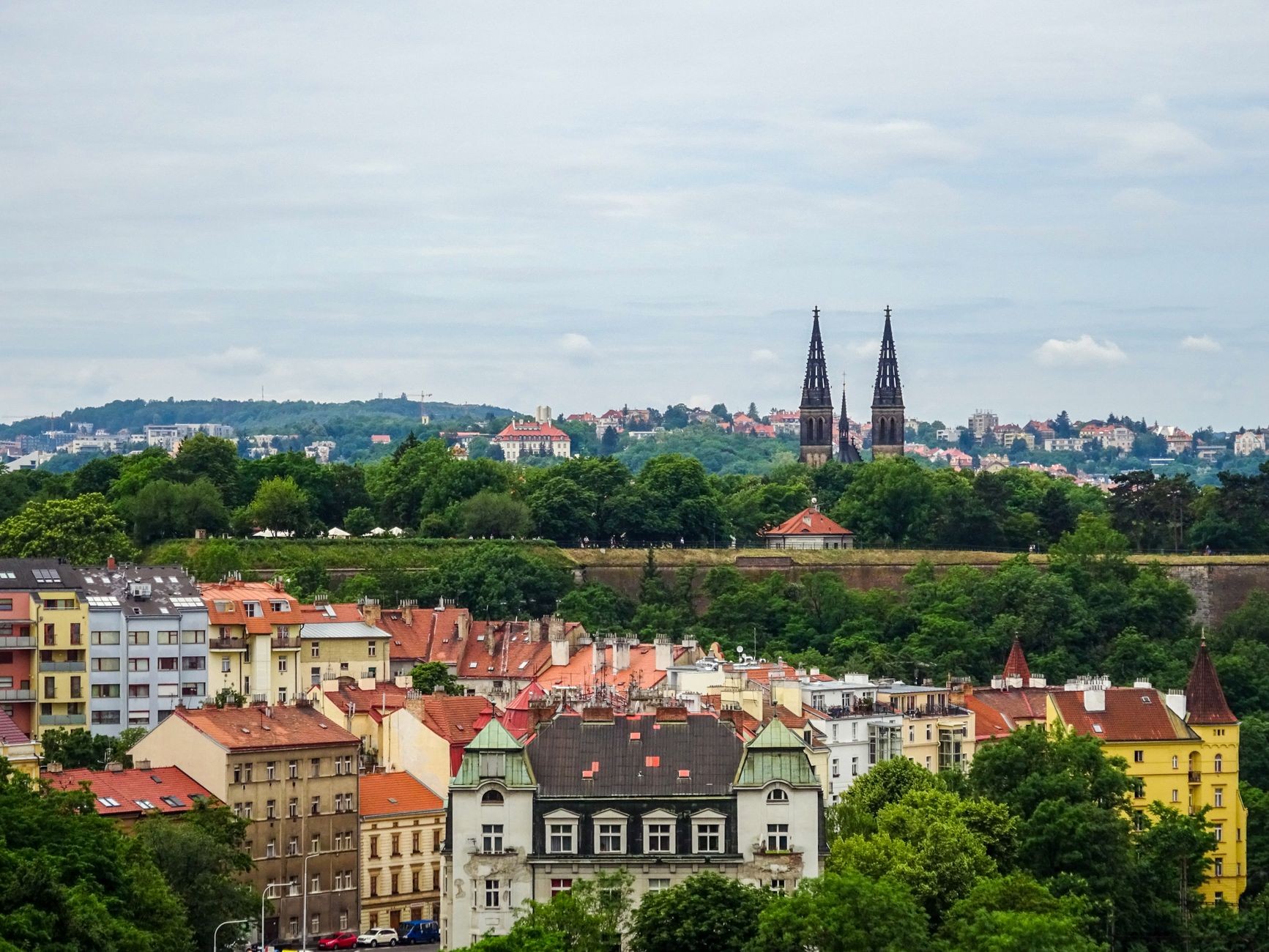
Aerial view toward Vyšehrad, useful as a third-day expansion beyond the core centre.
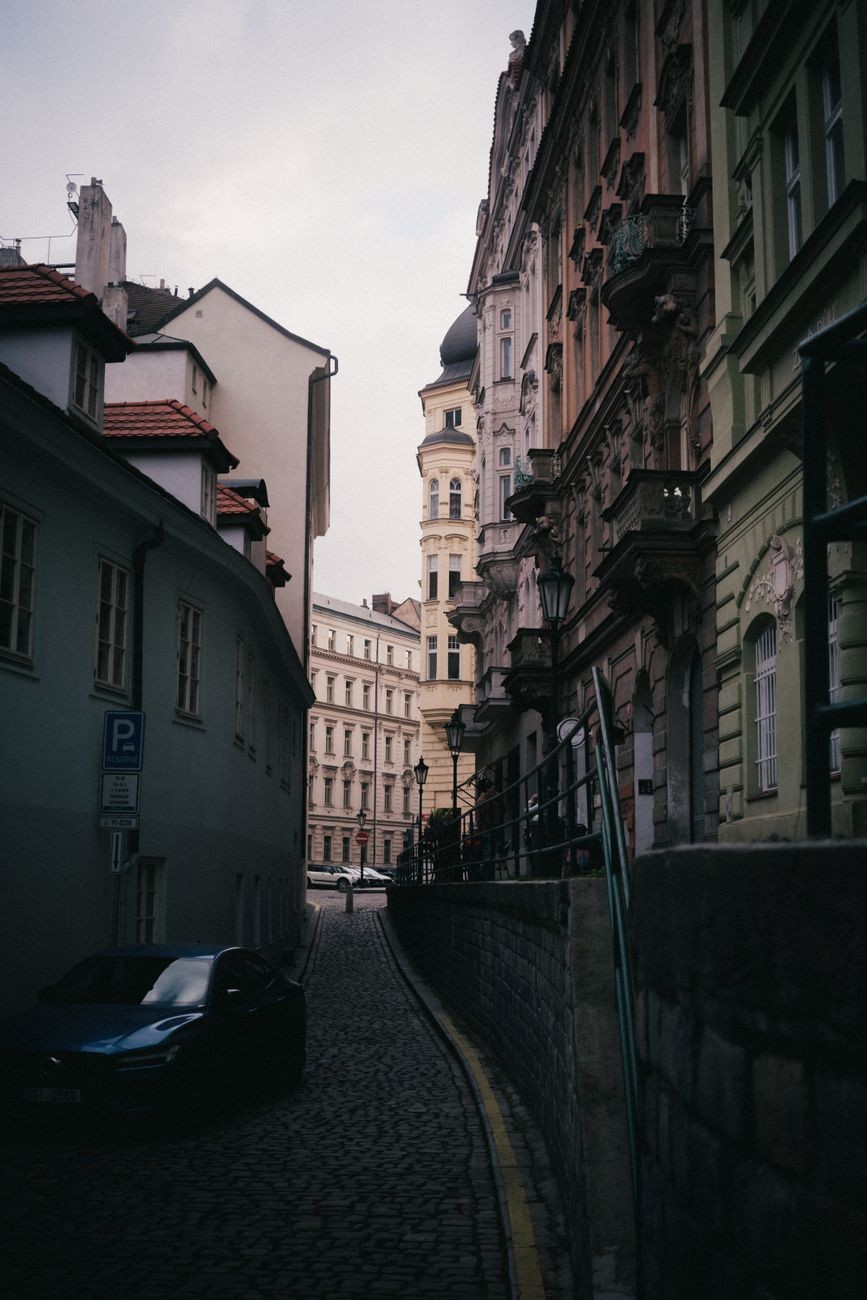
Narrow historic Prague street, representing slower neighbourhood exploration.
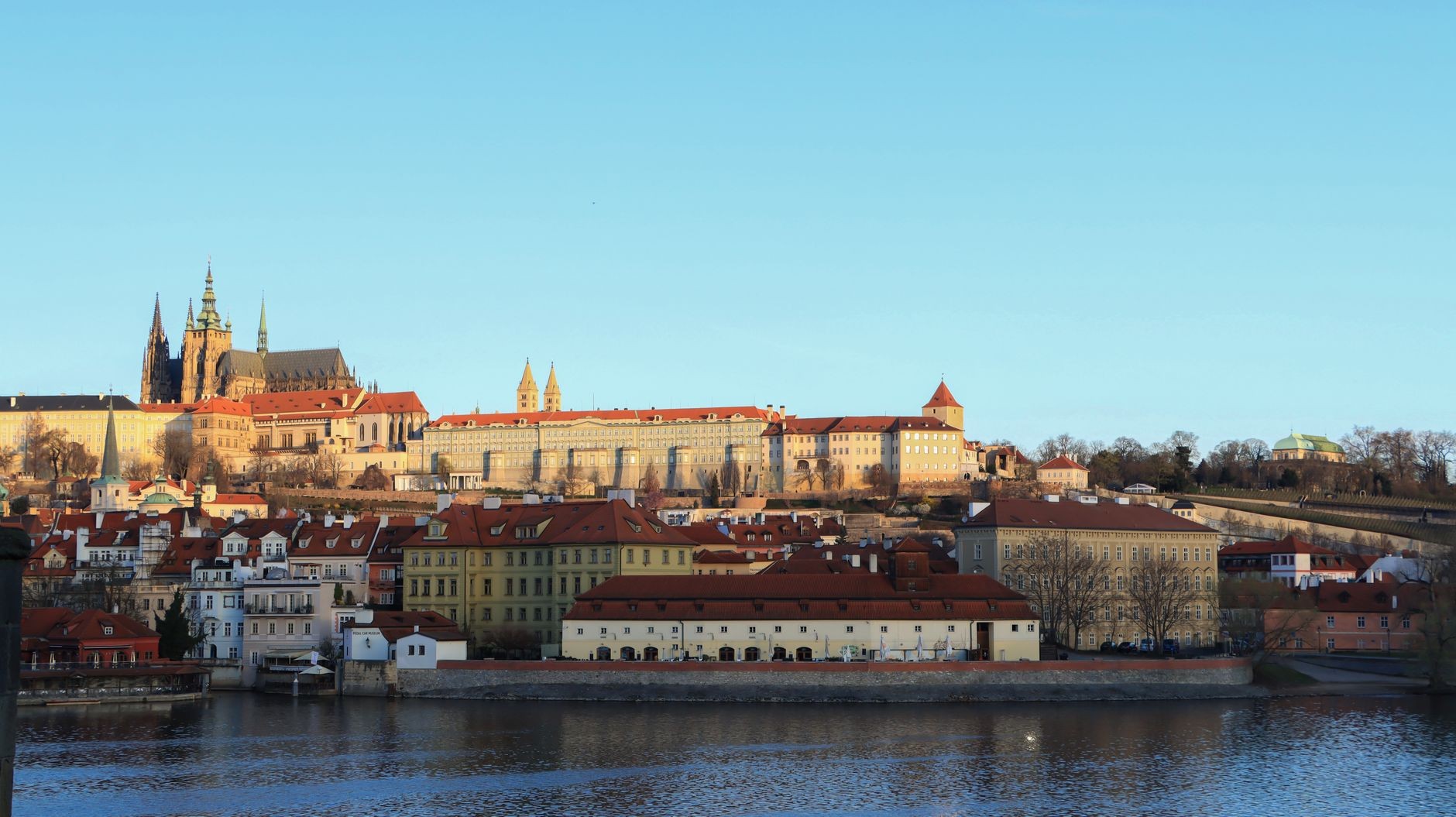
Prague riverside/castle cityscape from a distinct viewpoint.
Quick facts
- Day one is most efficient when it flows downhill from Castle hill through Malá Strana to Old Town.
- Saturday and Jewish-holiday closures at the Jewish Museum can force a day-two reshuffle.
- With sensible clustering, three days can cover the historic centre and still leave room for one or two neighborhoods.
- Trams are especially useful for hills and cross-neighborhood movement.
- Vyšehrad, Petřín and Prague Zoo can each anchor day three; squeezing one in as a quick add-on underestimates the time it deserves.
Questions
Is 3 days enough for Prague?
Yes. Three full days can cover the main historic areas, Josefov, one neighborhood and one additional anchor such as Vyšehrad or Petřín without extreme rushing.
Which area should I do first?
Starting at Prague Castle works well because you begin high and can descend naturally through Malá Strana to the river and Old Town.
Do I need a transport pass for 3 days?
It depends on how often you expect to ride. Prague offers time-based tickets and a 72-hour product; compare the current PID fare with the number of trips you realistically plan to make.
What should I skip if I have less time?
Drop the most distant optional anchor or a neighborhood before cutting the Castle–Malá Strana–Old Town sequence into fragments.
Sources & further reading
- Opening hours — Prague Castle for visitors — Prague Castle Administration
- Opening hours — Jewish Museum in Prague
- Tickets and fare — Prague Integrated Transport
- Vyšehrad — Prague City Tourism
- Walking routes — Prague City Tourism