
Prague Stories · Invisible Prague
Prague Pneumatic Post: The Message Network Hidden Under the City
Long before email, Prague sent messages through tubes using compressed air. The city’s pneumatic-post network eventually linked major institutions across the centre and survived into the twenty-first century before the 2002 flood seriously damaged it.
Prague

Prague once sent messages through underground tubes at up to 40 kilometres per hour.
A physical network for information
Prague’s main post office used pneumatic post from the early twentieth century. Capsules carrying documents moved through tubes under air pressure, turning urban distance into a mechanical problem: seal the message in a carrier, create pressure, and let infrastructure do the travelling.
The system spread through the city
The network developed into several main routes connecting institutions. Prague City Tourism records speeds of up to 40 km/h. Other historical documentation describes a system extending for dozens of kilometres, making it a genuine communications network, not a novelty confined to one building.
The flood became the endpoint
The last shipments travelled in 2002, when catastrophic flooding seriously damaged the system. That date creates an unusual bridge between nineteenth- and twentieth-century technology and a disaster many Prague residents still remember directly.
The tubes make digital history tangible
The lazy nickname is “Victorian internet,” but the difference is more interesting than the similarity. Prague’s system moved actual capsules. Information had weight, size, friction and a route through a pipe; speed depended on air pressure rather than electrons.
Forty kilometres per hour was fast when the alternative had legs
Compared with fibre optics, 40 km/h is comic. Compared with a clerk carrying paper through city streets, it is a different world. Contracts, telegrams, news copy and other documents could cross part of Prague in minutes while the original sheet of paper remained the message.
There was another map under the visible city
Tubes, compressors, switching points and receiving stations connected institutions that looked separate at street level. Every capsule had to travel toward a specific receiver; nothing was duplicated with a click. That physical geography is what makes the surviving network so easy to imagine now: distance became pipe length, air pressure and travel time.
Reviewed visuals
See the story
Supporting images selected in the Prague Stories visual review. Context images are labeled so they are not mistaken for documentary proof of the exact subject.
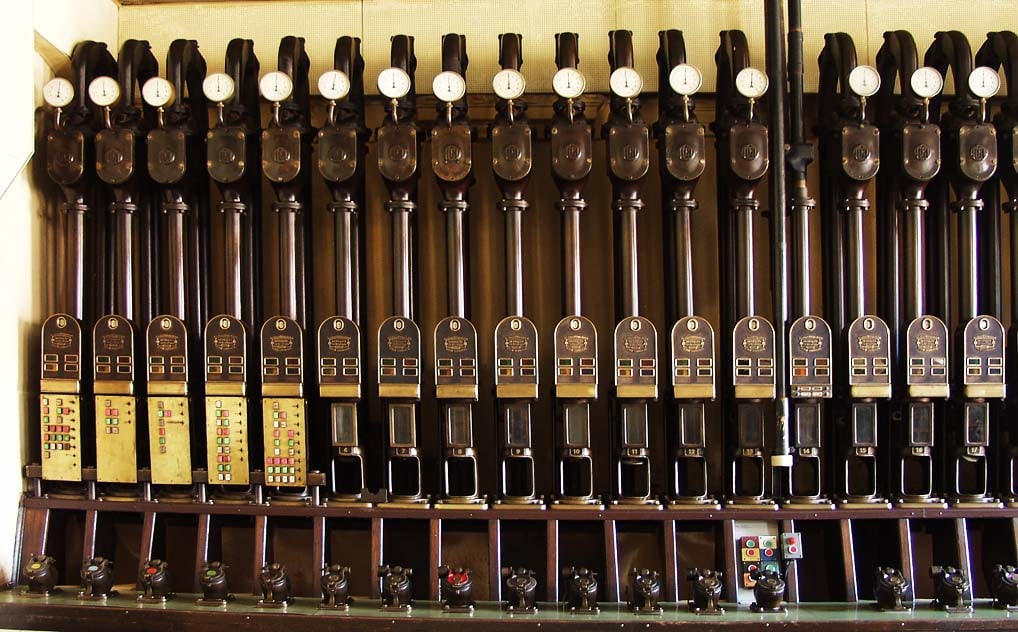
Main routing/control panel of the Prague pneumatic-post network.
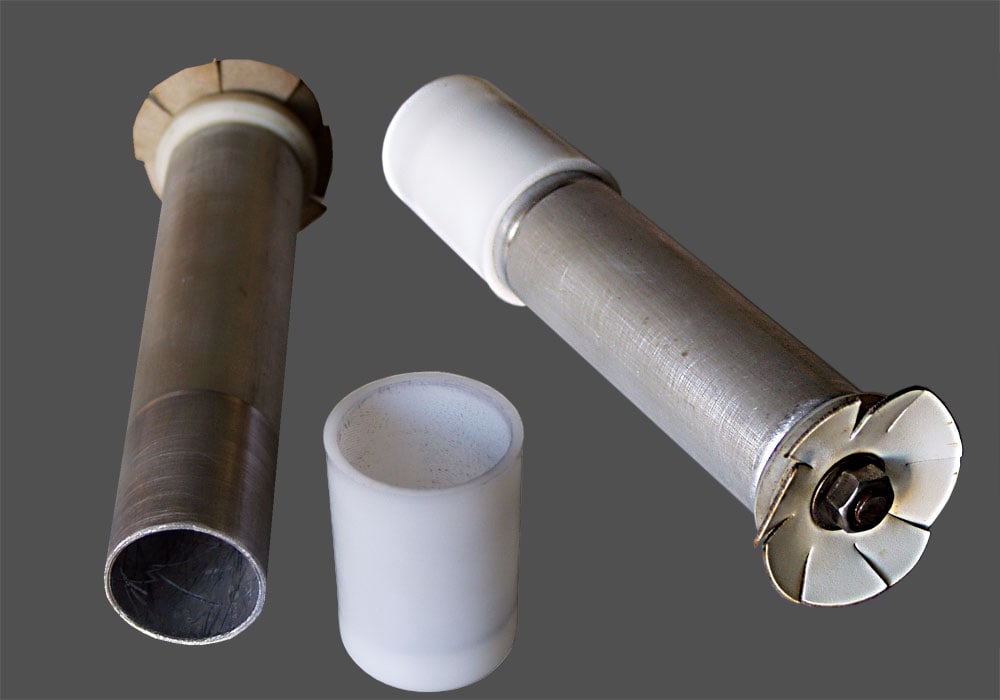
Message capsules used to carry items through the Prague pneumatic tubes.
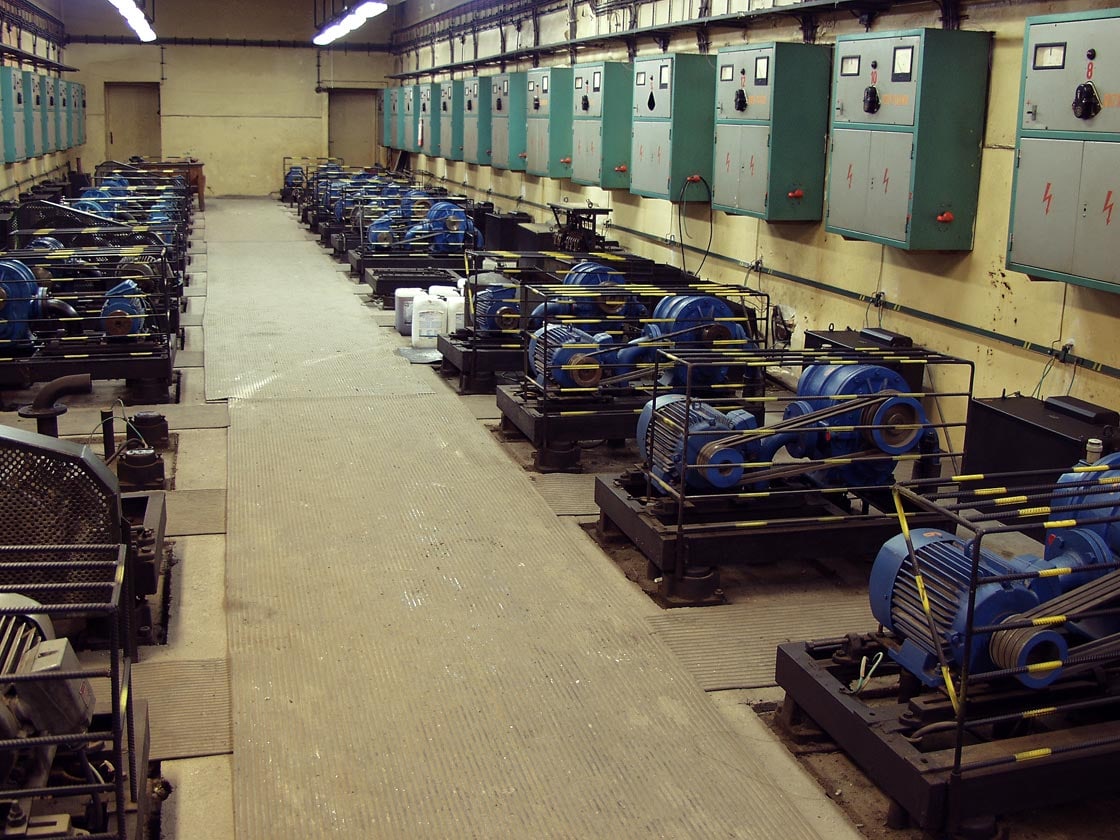
Machine room containing the blowers/compressors that powered the network.
Quick facts
- Prague operated an urban pneumatic-post system.
- Capsules could travel at speeds up to about 40 km/h.
- The system developed several main routes through the city.
- The 2002 flood seriously damaged the network and ended regular operation.
Questions
Can visitors ride or tour the pneumatic post?
No regular public tours are currently offered according to Prague City Tourism.
When did it stop operating?
Regular use ended in 2002 after severe flood damage.
Was it only inside one building?
No. It developed as a wider city network connecting multiple destinations.
Sources & further reading
- Česká pošta — Hlavní pošta — Prague City Tourism