
Prague Stories · Planning
When Is the Best Time to Visit Prague? It Depends on What You Want
There is no secret month when Prague has perfect weather, empty streets and summer-length days. Spring, summer, autumn and winter each improve one part of the city while taking something away from another.
Prague

March can show you sun at lunch and make you regret an optimistic jacket by dinner.
Spring is Prague in negotiation
April may deliver blossoms, showers and a sharp evening in the same week. By May, the city has usually shifted decisively outdoors. That instability is exactly why spring can be attractive. Parks wake up, garden seasons begin, café terraces fill for real, and the long dark stretch of winter recedes. The historic centre can still be busy — Prague does not become undiscovered because it is April — but the physical experience of walking is often easier than during peak summer heat. For photographers, spring light keeps changing; consistency is not part of the bargain. For travelers who enjoy long days on foot, late spring is a strong compromise. For anyone who requires guaranteed warmth, it is a gamble. Pack as if the forecast is a conversation, not a contract.
Summer gives you time, then asks what you will do with the crowds
June through August brings Prague’s longest useful evenings and the easiest conditions for parks, riverbanks, outdoor events and late walks. You can finish a museum visit and still have hours of daylight left. The trade is obvious in the historic core. Charles Bridge, the Castle approach and Old Town concentrate visitors, especially through the middle of the day. Heat can also make stone streets and unshaded squares more tiring than the temperature number suggests. Summer works best when you use the clock creatively. See an outdoor icon early, move indoors or into neighborhoods when the central streets are most pressured, then return to the river or viewpoints later. Long daylight makes that possible. The season is not “too crowded” in any universal sense. It is less forgiving of an itinerary that insists on occupying the most famous square at the same hour as everyone else.
Autumn is the city getting its edges back
September often keeps enough warmth for outdoor life while shortening the day just enough to change the evening. October pushes Prague into stronger contrast: yellow leaves against pale façades, earlier lights on the river, colder air after sunset. For walkers, early autumn can be unusually satisfying. Parks such as Letná, Petřín and the slopes around the Castle change visibly, and neighborhood streets become more pleasant once summer heat is gone. Later autumn has a different personality. Rain and grey skies are more likely to shape the day, garden hours shorten, and some seasonal sites reduce access. For travelers who care more about museums, cafés and music than outdoor sitting, the trade can be an advantage. Autumn is not a single weather type. A September packing list and a late-November packing list should barely know each other.
Winter trades daylight for atmosphere
The romantic argument for Prague in winter is strong: early dusk, illuminated streets, possible snow, Advent markets in season, warm interiors and the sense that Gothic and Baroque architecture was designed for low light. The physical argument is less poetic. Days are short. Cold settles into long outdoor visits. Snow is possible but never owed to you; a winter trip planned around guaranteed white roofs is a good way to become angry at weather. December adds the Christmas season and its own visitor pressure. January and February can feel much quieter once holiday travel subsides, but some gardens or seasonal experiences are limited and you need a plan for cold. Winter suits travelers who are happy to alternate outdoors with churches, museums, cafés and concerts. It is harder on anyone whose ideal day is twelve hours of wandering without entering a building.
Choose by the trip you want, not the month someone ranked first
If your priority is long evenings and outdoor life, summer wins despite the crowds. If you want walking weather and a balance of indoor and outdoor time, late spring or early autumn are persuasive. If Christmas atmosphere matters, the answer is obvious — accept the short days and seasonal crowd. If lower visitor pressure is more important than garden access, deeper winter can be rewarding. Climate normals are useful because they describe patterns, not promises. The Czech Hydrometeorological Institute’s 1991–2020 normals show the expected seasonal temperature curve for Prague and Central Bohemia, but an individual week can sit well above or below the average. So do not ask the climate to choose your holiday. Decide what you want Prague to be doing while you are there.
Reviewed visuals
See the story
Supporting images selected in the Prague Stories visual review. Context images are labeled so they are not mistaken for documentary proof of the exact subject.
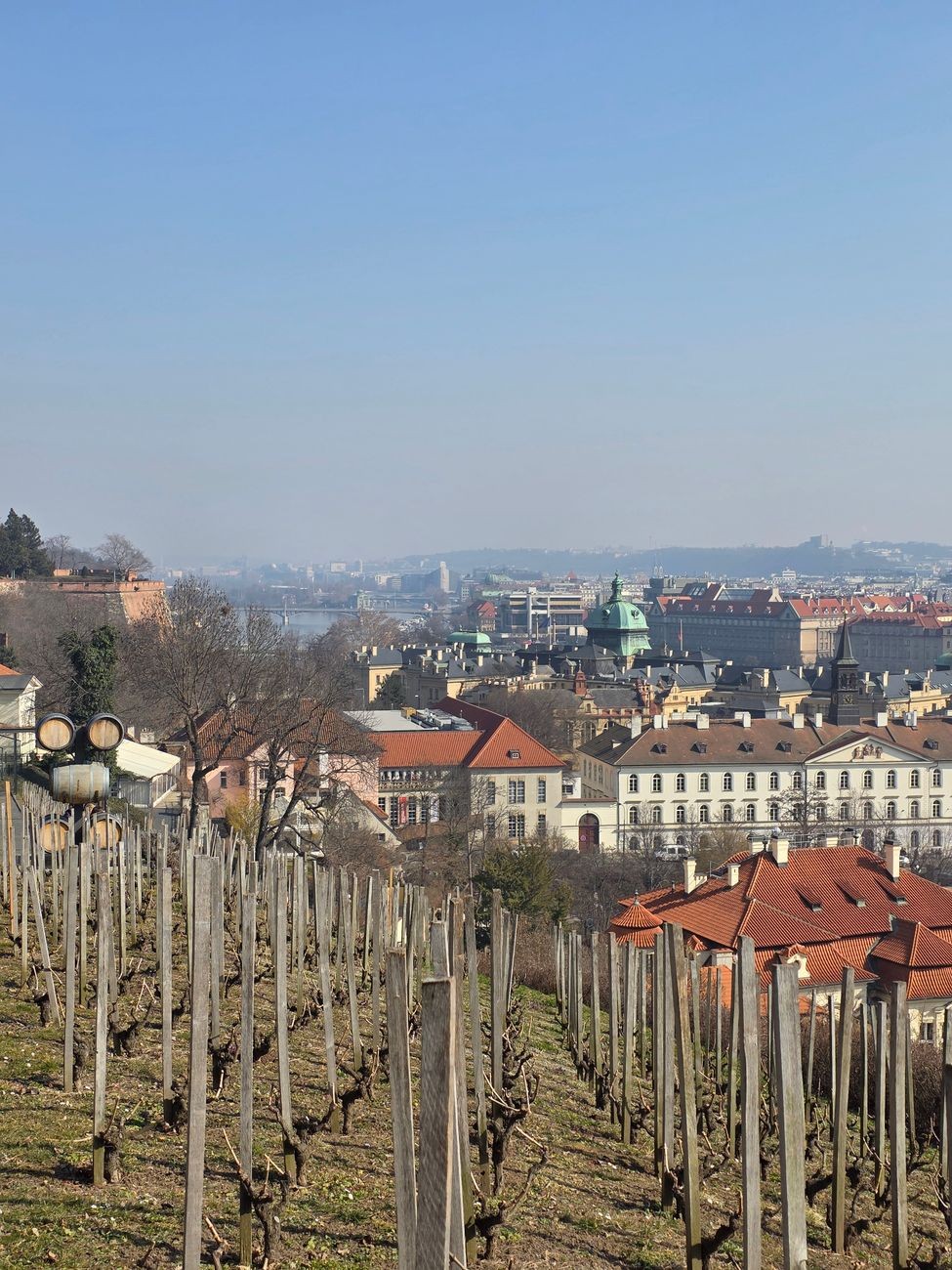
Spring greenery and vineyard overlooking Prague, clear seasonal context.
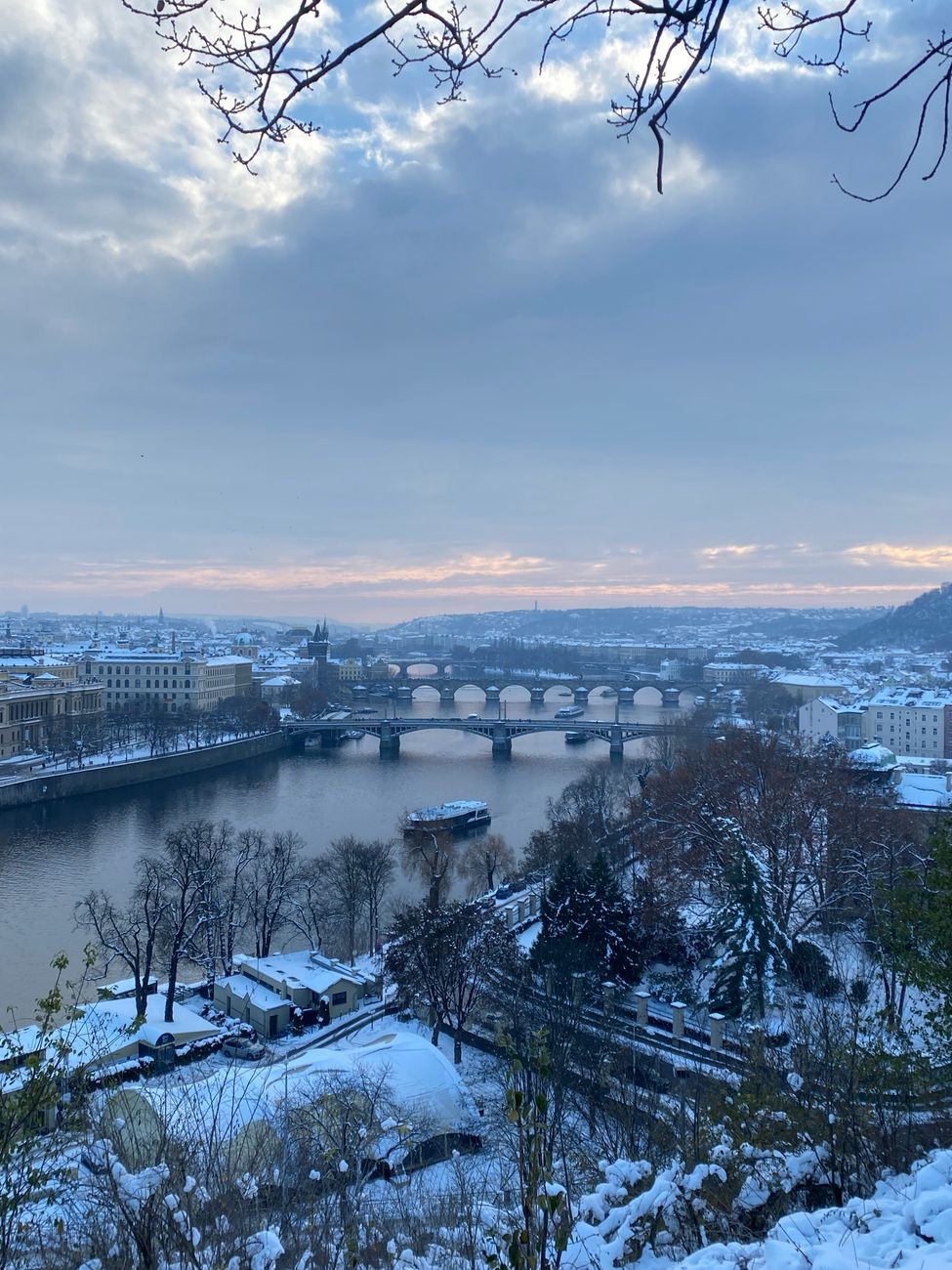
Snow-covered winter Prague with Charles Bridge and historic skyline.
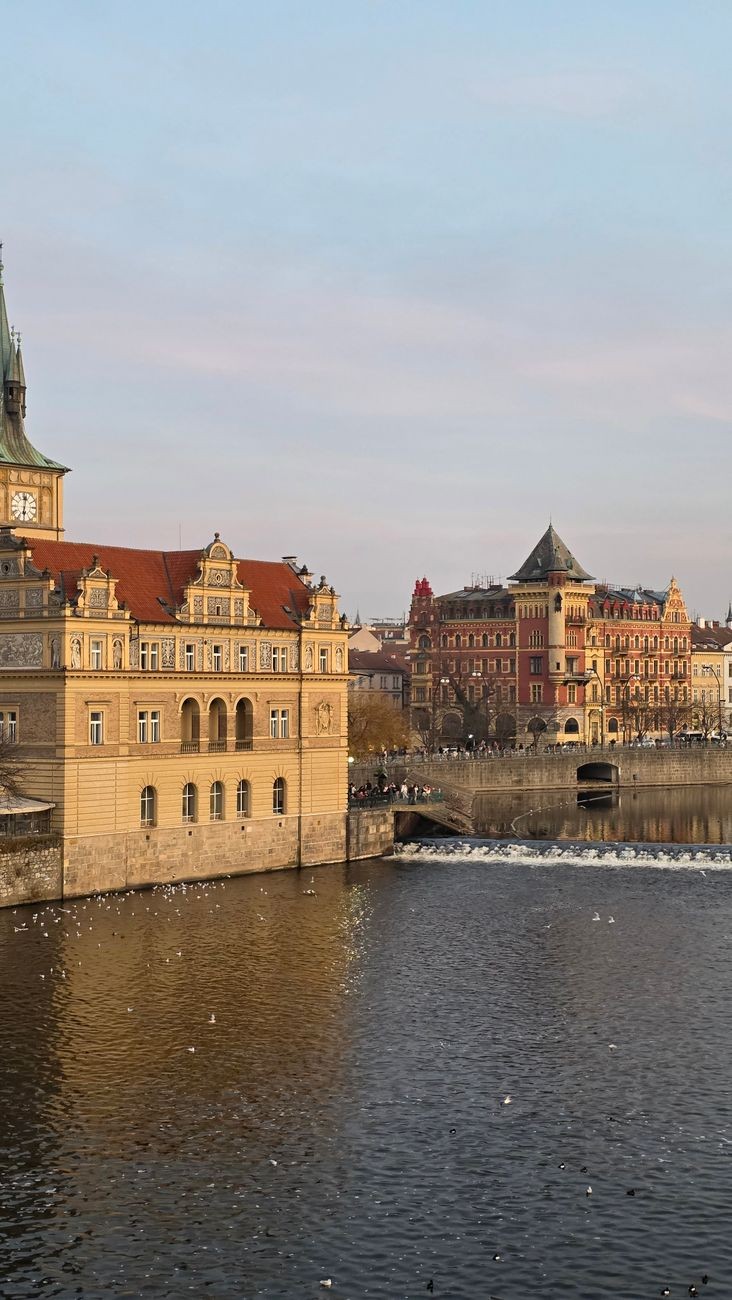
Bright-season riverside Prague architecture and Vltava cityscape.
Quick facts
- Prague has four distinct seasons with large changes in daylight and outdoor comfort across the year.
- Climate normals describe long-term patterns, not the weather for a specific travel week.
- Summer offers the longest evenings but also concentrates visitors at major outdoor sights.
- Winter snow is possible, not guaranteed.
- Garden access and seasonal attractions can change outside the warmer months.
- December combines winter conditions with the separate demand of the Christmas season.
Questions
What month is best for Prague?
There is no universal best month. May, June, September and early October are often attractive for walking and daylight, while December suits visitors prioritizing Christmas atmosphere and winter suits museum- and café-heavy trips.
When is Prague least crowded?
Visitor pressure is generally lower outside the main summer and Christmas periods, but major sights can still be busy year-round and special events can change local patterns.
Does Prague get snow?
Yes, snow can occur in winter, but it is not reliable enough to plan a trip around guaranteed snow cover.
Is Prague worth visiting in winter?
Yes, especially if you enjoy museums, music, cafés, early-evening atmosphere and fewer long outdoor days. Dress for cold and build indoor stops into the plan.
Sources & further reading
- Územní teplota a srážky — Czech Hydrometeorological Institute
- Plan your trip to Prague — Prague City Tourism
- Petřín Gardens — Prague City Tourism
- Letná Parks — Prague City Tourism