
Explore Prague
Prague by Season
A seasonal guide to Prague built around daylight, weather, crowds, traditions and visitor rhythm—from Advent and Easter to long summer evenings and autumn culture.
Prague works year-round, but the trip should change with the season: winter planning is dominated by short daylight and Advent, spring by variability and gardens, summer by long days and heat management, and autumn by fast-changing light and indoor culture.
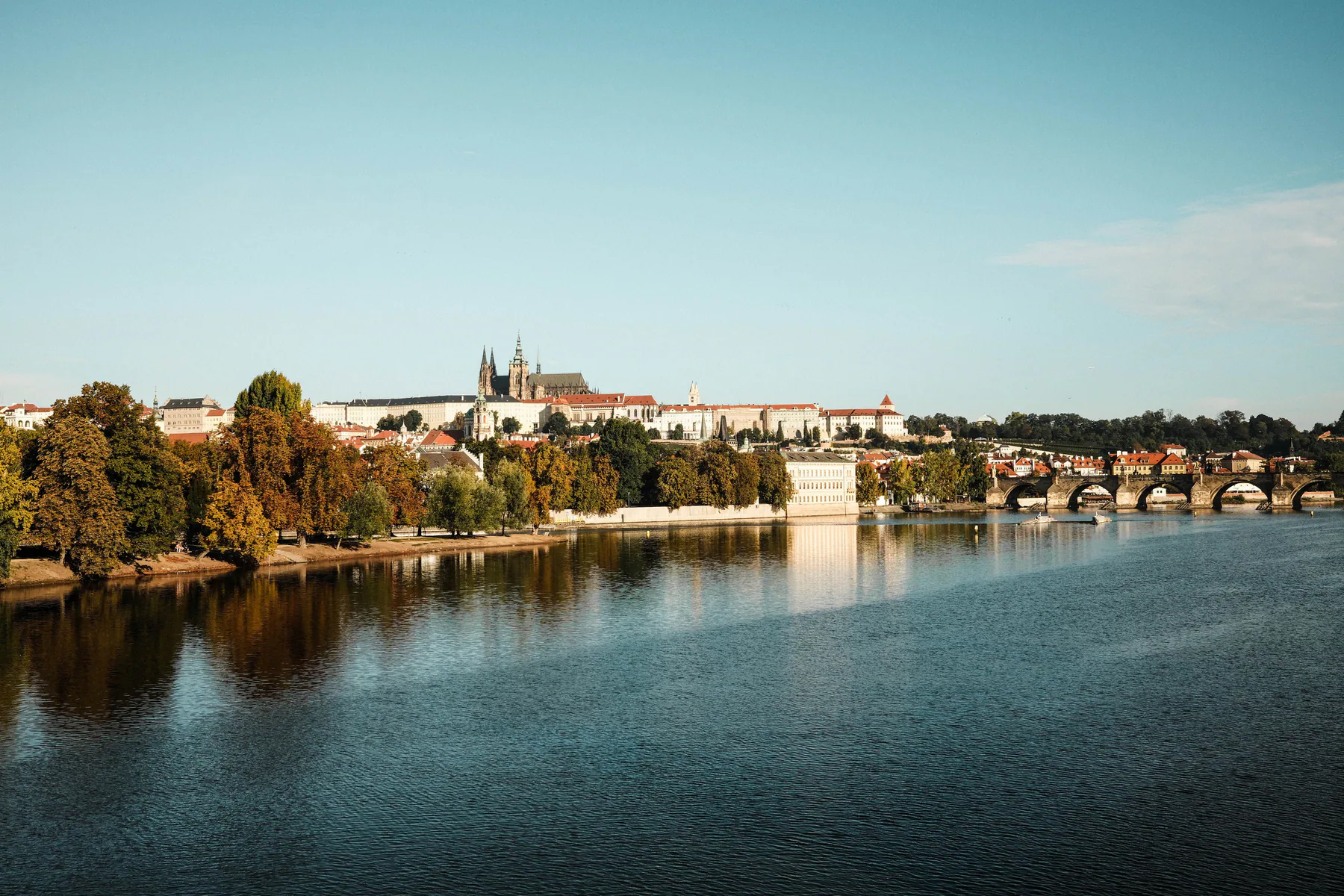
Prague by season: the real difference is daylight and city rhythm
Prague is a year-round city, but it does not feel like the same destination in every month. The most important seasonal changes are not a single average temperature number. They are daylight, the probability of heat or cold, how long people comfortably stay outdoors, what public spaces are doing, and which traditions or events dominate the calendar. A December itinerary and a June itinerary should therefore be designed differently even if both include the Castle, Old Town and Charles Bridge.
Central Prague’s long climate record at the Clementinum shows a temperate continental pattern with cold winters and warm summers. For the 1991–2020 period, the station’s mean January temperature was about 1.6°C and its mean July temperature about 21.5°C. Those figures are useful context, not a forecast. Individual days can be much colder, hotter, wetter or windier, and the Clementinum is an urban-centre station rather than a perfect measure of every Prague district.
Daylight changes the visitor experience even more dramatically. Around the June solstice, Prague has roughly sixteen hours of daylight; around the December solstice, a little over eight. That means a summer visitor can place a viewpoint, river walk or park late in the day without losing light, while a winter visitor should protect the middle of the day for outdoor architecture and move museums, cafés and performances toward the dark hours.
There is no universally “best” season. Spring and autumn offer moderate temperatures but variable weather. Summer gives long days, gardens and outdoor life but also heat and high visitor pressure. Winter brings short days, cold surfaces and potential snow or slush, but Advent and Christmas transform the city’s public spaces. The best season is the one whose trade-offs match the way you actually travel.
Year at a glance: what changes month to month
January and February are the quietest-feeling part of winter after the holiday period. Daylight is still limited, temperatures can hover around freezing, and snow is possible but never guaranteed. This is good museum, music and café weather, provided you are comfortable with cold outdoor transitions. Some seasonal attractions or gardens may have reduced access, so winter is not the moment to assume every viewpoint operates on summer hours.
March and April are transitional. A bright afternoon can feel like spring while the next morning returns to winter layers. Easter adds markets and seasonal traditions on movable dates, so the exact atmosphere depends on the calendar. By May, gardens, parks and longer evenings become a major part of the city, and outdoor dining becomes more reliable.
June through August offer the longest days and the widest range of outdoor options. They are also the months when exposed squares, castle courtyards and trams can feel hot. Thunderstorms or heavy showers can interrupt otherwise warm days, so summer packing still needs a light rain solution. Evening is valuable: it is often the best time for bridges, riverbanks and views after day-trip crowds recede.
September often preserves summer comfort while shortening the day; October brings stronger autumn colour and a more obvious need for layers. November is the least romanticized transition month: darker, cooler and often damp-feeling, but with cultural life in full swing. Late November then shifts quickly into Advent as Christmas markets open. December is not simply “winter Prague”; it is a specific festival season with crowds concentrated around illuminated central squares.
Winter and December: plan for darkness, not just cold
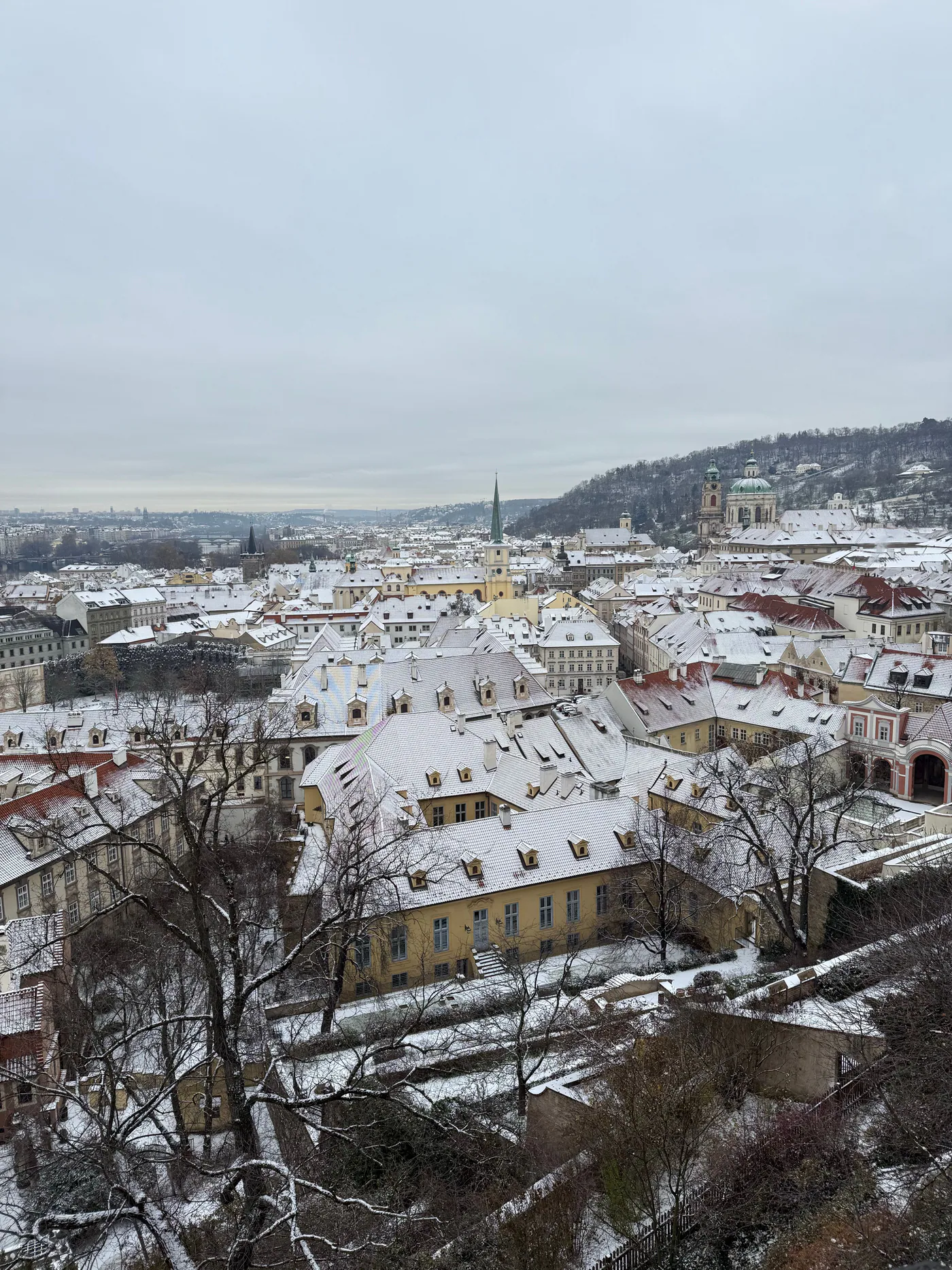
Winter Prague is photogenic when conditions cooperate, but snow should be treated as a possibility, not a booking guarantee. More reliable are short days, low sun, cold stone and long evenings. Build outdoor sightseeing around the brightest part of the day. A winter Castle visit that begins after lunch can easily finish in darkness; that may be atmospheric, but it reduces what you can read in gardens, courtyards and distant views.
Footwear matters more than dramatic winter clothing. Cobblestones, tram tracks, bridge paving and castle slopes can become slick with rain, frost or compressed snow. Warm socks, a grippy sole, gloves and a wind-resistant outer layer solve more practical problems than a fashionable heavy coat with poor shoes. Indoor sites can be warm, so layers are easier than one extreme garment.
December adds a second planning variable: Advent. Central squares become destinations in themselves, and pedestrian density rises around Old Town Square and Wenceslas Square, especially evenings and weekends. That changes route logic. If you want architecture and photography, visit those areas early; if you want the market atmosphere, return after dark. Trying to achieve both in one peak-time visit can be frustrating.
December 24–26 are not ordinary tourist days. Family celebrations and public holidays affect restaurant, museum, shop and transport patterns. Christmas Eve is culturally significant, and many businesses close early or entirely. Anyone traveling over those dates should confirm each essential booking directly rather than relying on normal weekly opening hours shown elsewhere.
Christmas markets: spectacle, commerce and living tradition
Prague’s Christmas markets are real seasonal events, but they are also major visitor attractions. The largest central markets should be approached with both facts in mind. For the 2026–27 season, Prague City Tourism lists the Old Town Square and Wenceslas Square markets from 28 November 2026 to 6 January 2027, while smaller markets such as Náměstí Míru and Náměstí Republiky have different dates. These dates change from year to year, so confirm the current season on Prague City Tourism before planning around them.
The central markets combine food, hot drinks, crafts, decorations and programmed performances. Some products are locally made; others are mass-market souvenirs. Rather than asking whether a market is “authentic” in the abstract, look at individual stalls. Czech glass, woodwork, ceramics, textiles and food can be genuine local products, but location in a Christmas market does not automatically certify origin.
Czech Christmas culture extends well beyond market stalls. Traditional Christmas Eve food commonly includes fried carp with potato salad, while vánočka, cookies, nativity scenes and family customs form part of the season. Carp tanks before Christmas are a recognizable urban sight, though practices and individual family menus vary. Tourist versions of “old Czech tradition” can flatten those differences, so it is better to describe customs as living and changing rather than timeless.
For visitors, markets are best used as evening social space rather than full-day sightseeing. Spend daylight on architecture, museums or neighbourhoods, then use a market for a drink, snack and atmosphere. Smaller district markets may feel more local, while the Old Town market delivers the iconic setting. They serve different purposes and need not compete.
New Year's Eve: festive city, different rules
New Year’s Eve concentrates crowds into central Prague and pushes prices, reservations and transport demand upward. Visitors who want a formal restaurant, river cruise, concert or hotel event should book based on a specific programme rather than arriving with the assumption that “something will happen in the square.” The city experience varies from organized indoor events to informal street gatherings.
Pyrotechnics require special attention. The City of Prague prohibits the use of pyrotechnics in the historic centre and other designated sensitive areas, with penalties for violations. Restrictions exist for safety, fire prevention, air quality and the impact on people and animals. Because regulation can change, the current city map and rules should be checked for the specific New Year period.
The practical strategy is to decide what kind of night you want. A quiet dinner and early walk is compatible with staying away from the densest central crowds. A large public atmosphere requires accepting congestion and slower movement. A ticketed event gives more predictability but less spontaneity. Do not design a night that depends on crossing Charles Bridge or Old Town Square at an exact minute.
January 1 deserves planning too. Late opening, holiday schedules and tired crowds can alter the day. Make it a low-dependency morning: neighbourhood walk, brunch, riverbank or an attraction whose holiday opening has been confirmed. The goal is to enjoy the transition rather than force a standard sightseeing timetable onto an unusual civic day.
Spring and Easter: Prague reopens outdoors
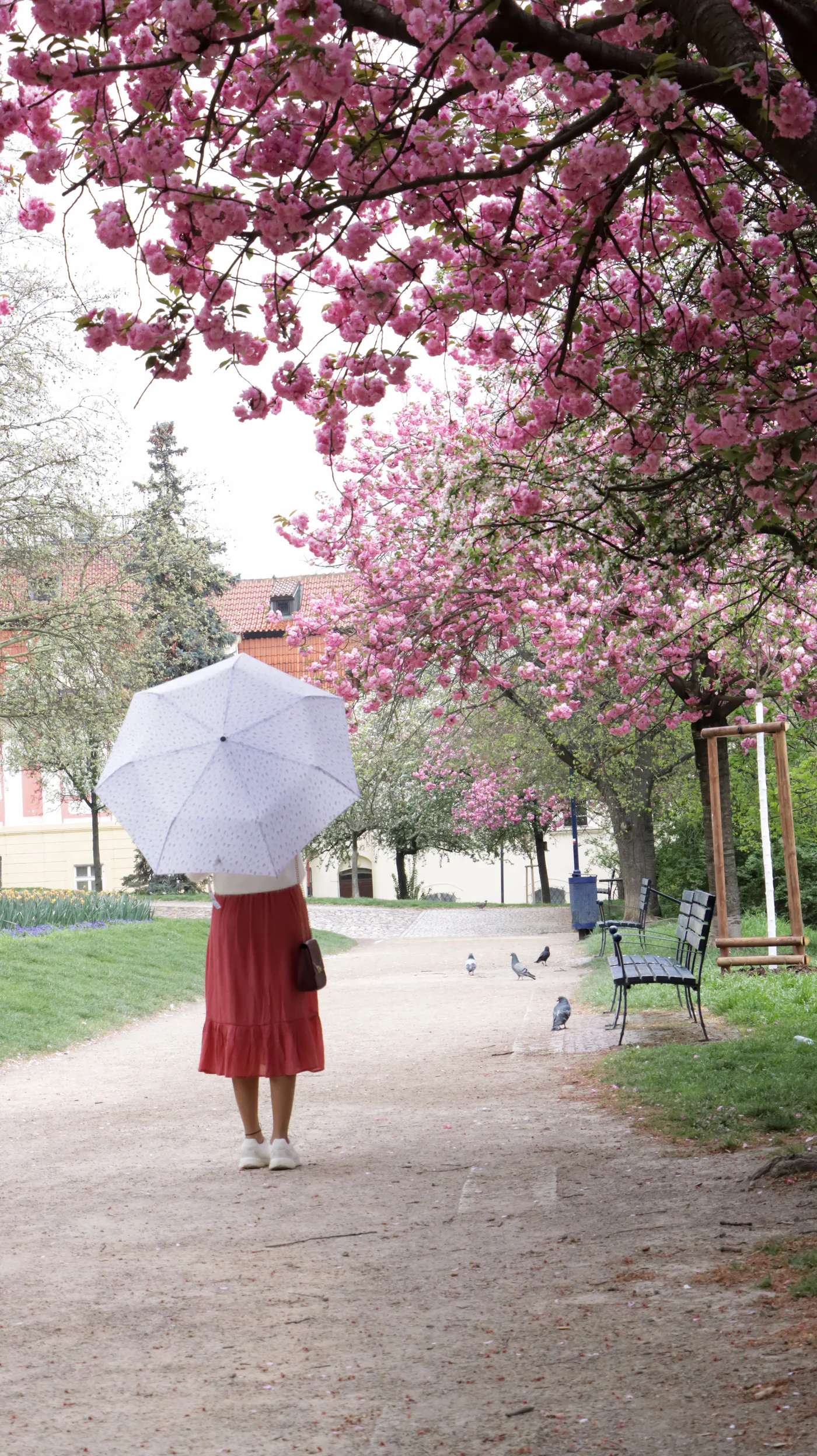
Spring is the season of expanding options. March can still behave like winter, but daylight grows quickly. April mixes blossom, showers and sharp temperature swings. May is one of the easiest months for combining monuments with parks and gardens because evenings are longer without the deepest summer heat. The cost of this flexibility is packing uncertainty: a spring day can justify sunglasses, rain protection and a warm layer within a few hours.
Easter is a movable festival, so it should never be described with fixed annual dates in evergreen copy. Prague hosts Easter markets in central squares, with decorated eggs, craft demonstrations, seasonal foods and programmes. For 2026, VisitCzechia listed the main Old Town and Wenceslas Square markets from 21 March to 12 April; future years require a fresh check.
Czech Easter traditions are often more visible in craft and family practice than in a visitor’s sightseeing route. Decorated eggs are an important visual element, and willow switches associated with Easter Monday are widely discussed in Czech tradition. Visitors should avoid treating any custom as something every Czech household practices in the same way. Urban Prague, rural regions, generations and families differ.
Spring is also the best season for deliberately mixing centre and landscape. Petřín, castle gardens when open, Vyšehrad, Stromovka and river paths add relief to stone-heavy days. If allergies are a concern, plan accordingly; if mobility is limited, remember that spring beauty does not remove Prague’s hills and uneven surfaces.
Summer: use the long day instead of fighting it
Summer’s main advantage is time. Around June, daylight can extend beyond 9 p.m., which allows visitors to split the day. Use the morning for high-demand monuments, take a longer indoor or shaded break during the hottest afternoon hours, and return outside in the evening. This rhythm is often more comfortable than sightseeing continuously from 9 a.m. to 6 p.m.
Heat deserves more respect than Prague’s latitude suggests. Historic buildings are not uniformly air-conditioned, trams can warm quickly, and open squares provide limited shade. Carry water, choose shaded streets when possible and avoid building the itinerary around repeated steep climbs at midday. A heatwave should trigger a route change, not a test of endurance.
Summer is when Prague’s river and parks become part of ordinary city life rather than scenic background. Náplavka, islands, beer gardens, outdoor festivals and park paths diversify the visit. The city also works well late: a post-dinner river walk can be both cooler and less crowded than the same route in mid-afternoon. Evening light is particularly useful for castle and bridge photography.
The drawback is visitor density at major landmarks. Instead of searching for a mythical “hidden Prague” with no tourists, shift timing and geography. See Charles Bridge early, then spend the middle of the day in neighbourhoods, museums or parks. Return to the central skyline when day-trip groups have thinned. Summer rewards strategic timing more than secret addresses.
Autumn: colour, culture and fast-changing light
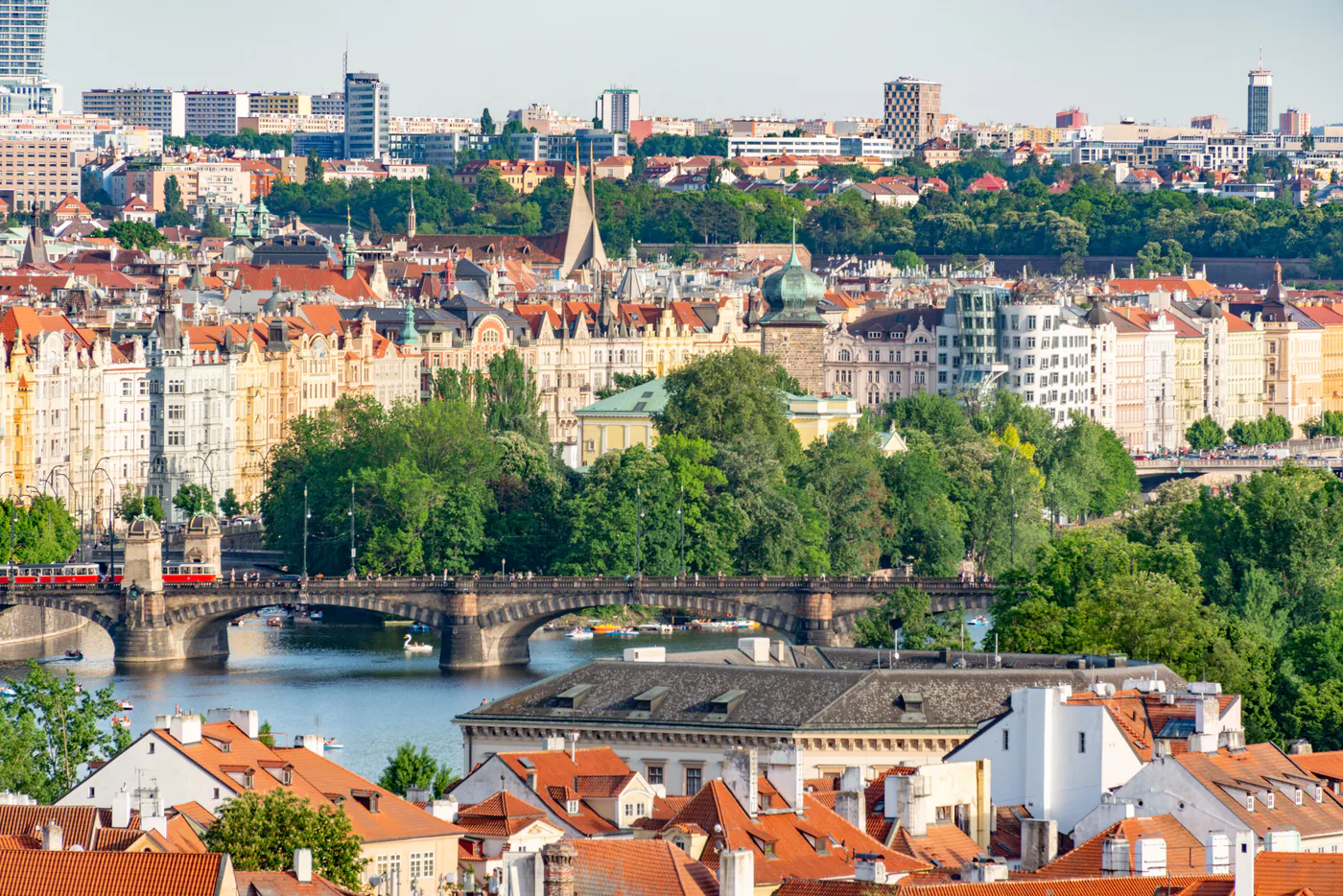
September is often one of Prague’s easiest transition months: outdoor life remains active, but the intense high-summer rhythm begins to soften. By October, foliage in parks, cemeteries and river landscapes becomes a major visual feature. The day shortens noticeably, so a route that worked in August may place its final viewpoint after sunset by late October.
Autumn weather is variable rather than simply “cool.” Clear, crisp days can be excellent for walking; damp wind can make similar temperatures feel much colder. Bring layers and treat rain as likely enough to plan for but not as a reason to avoid the season. Prague has enough indoor depth that a wet half-day can be redirected to museums, galleries, churches, cafés or music.
Cultural programming is one of autumn’s strengths. Theatres, concert halls and galleries are fully active, and the city feels less dependent on outdoor festivals. That makes autumn particularly good for visitors whose ideal Prague combines architecture with evening performance. Book only the performance you care about most and let the rest of the day remain weather-responsive.
November is the threshold between autumn and Advent. Early November can feel subdued, with bare trees and short days, but it offers a more everyday urban atmosphere. By late November, market construction, lights and seasonal events begin changing the centre rapidly. Travellers who dislike Christmas crowds can use this distinction deliberately: early November and late November are very different versions of Prague.
What to pack by season
In every season, start with footwear suitable for long days on uneven stone. Then layer for the month rather than packing one extreme outfit. Winter needs insulation, wind protection and gloves; spring and autumn need adaptable layers and rain protection; summer needs sun protection, a refillable water bottle and something light for cooler evenings or indoor air conditioning.
Do not pack around average temperature alone. Wind on the river and castle ridge can change comfort quickly, while sheltered Old Town streets can feel much warmer. In summer, reflected heat from paving matters. In winter, dampness and inactivity while waiting outdoors matter. The correct clothing is the clothing that lets you keep moving comfortably when the itinerary pauses.
If photography is important, consider seasonal light. Winter gives low-angle light but short windows; summer gives long golden evenings but early sunrise. A small power bank is useful year-round because cold can reduce battery performance and long summer days encourage more navigation and photography. An umbrella can help in light rain, but a hooded shell is easier in crowded streets and wind.
Most forgotten items can be bought locally, so avoid overpacking. The one thing that is difficult to replace mid-trip is physical comfort. Shoes that already fit, medication you rely on and an outer layer you trust matter far more than a suitcase optimized for every possible temperature.
Choosing the best season for your priorities
Choose late spring or early autumn if your priority is long walking days with moderate temperatures and you accept variable weather. Choose summer if gardens, outdoor evenings and maximum daylight matter more than heat and crowd pressure. Choose December if Advent atmosphere is itself a core reason for the trip. Choose January or February if you prefer indoor culture and a quieter post-holiday city and are comfortable with cold and short days.
Families should consider daylight and school-holiday crowd patterns as much as temperature. Older travellers and anyone sensitive to heat may prefer May, September or early October. Photographers can find strong conditions in every season but should plan around sunrise and sunset rather than generic “best light.” Christmas-market visitors should book accommodation early for central weekends, while travellers uninterested in Advent may get more value from another winter month.
No season eliminates the need for a weather check. The hub should therefore remain evergreen in its decision framework but freshness-sensitive in its event dates. Market calendars, holiday opening hours, pyrotechnics rules and exact daylight times change annually; the underlying seasonal trade-offs do not.
Prague is not a destination where one season reveals the “real” city and others are compromises. The city’s annual cycle changes what public space is for. Summer expands it, winter concentrates it, spring reopens it and autumn shifts attention toward culture and interiors. Pick the version that matches your energy, interests and tolerance for weather.
Crowds and reservations: season changes where friction appears
Seasonality in Prague is not simply a high-season/low-season switch. The pressure moves around the city. In warm months, the greatest friction is outdoors: the Charles Bridge, castle approaches, Old Town lanes, riverfronts and viewpoints become most congested in the middle of the sightseeing day. The practical response is not to avoid Prague's famous places, but to shift the clock. Use early morning for exposed landmark routes, reserve the middle of the day for interiors or lunch, and return outdoors when the light softens. Long summer daylight makes that strategy unusually effective because a late walk can still feel like a full sightseeing session rather than an afterthought.
December creates a different pattern. Christmas-market squares can be busiest after dark, exactly when their lights and atmosphere are most attractive. That means there is no single magic “quiet” time that also delivers the full evening spectacle. A useful compromise is to inspect the architecture and stalls in daylight, then return briefly after dark for the atmosphere instead of trying to do all sightseeing at peak evening density. Holiday weekends deserve more advance booking for popular restaurants, concerts and special events, while ordinary winter weekdays can feel dramatically calmer once the Christmas and New Year period has passed.
Spring and autumn often reward travellers who can tolerate uncertainty. A mild weekday in April, May, late September or October can combine comfortable walking weather with less intense crowding than midsummer, but a cold front or prolonged rain changes the value of the day quickly. Keep at least one museum, gallery, café or concert option in reserve rather than assigning every hour to a weather-dependent view. Seasonal planning works best when the itinerary has a fixed spine and flexible edges.
Photography and daylight: when the same city looks completely different
The strongest seasonal variable for photographers is the position and duration of the sun, not an abstract label such as “romantic winter” or “golden autumn.” Around June, Prague receives roughly eight hours more daylight than around the December solstice. That changes what can fit into a day. In summer, sunrise can occur before many visitors are awake, while the long evening gives ample time for river views and skyline work after dinner. In December, the useful daylight window is compressed; a late breakfast can consume a meaningful share of it.
Low winter sun can produce beautiful directional light and long shadows, but it also leaves narrow streets and courtyards dark for much of the day. Summer's high sun gives more hours but can make midday façades flat and crowded. Spring and autumn sit between those extremes and often provide a forgiving balance: later sunrise, earlier golden hour and enough daylight for a normal sightseeing schedule. Weather still dominates any individual day, so treat seasonal light as a planning probability rather than a guarantee.
For a first visit, the simple technique is to pair one sunrise-or-early-morning place with one evening place rather than chasing light all day. Charles Bridge, the Castle panorama, Letná and the riverbanks all change character as the sun moves. The point is not to collect identical postcard frames in different months; it is to notice that Prague's stone, plaster, copper roofs and river reflections react to seasonal light almost as strongly as the trees do.
Seasonal events are useful anchors, not reasons to overpack the itinerary
Prague's calendar can give a trip a strong seasonal identity, but event dates should anchor the itinerary rather than swallow it. Christmas and Easter markets are the clearest examples: they make central squares feel different from ordinary weeks, yet they do not replace the museums, neighbourhoods, churches and river landscape that make Prague worth visiting in the first place. If a market matters to you, schedule it deliberately and then keep the rest of the day geographically coherent.
The same principle applies to concerts, festivals and public celebrations. A ticketed evening event can be an excellent reason to spend the afternoon nearby instead of crossing the city repeatedly. Outdoor events are more exposed to weather and programme changes, while holiday opening hours can alter normal museum and restaurant routines. Check the organiser's current page close to travel; dates in this guide are examples from the 2026 calendar, not permanent annual guarantees.
This is also why “best month” questions need a personal answer. A visitor who wants long outdoor evenings is optimizing for a different Prague from someone who wants Christmas atmosphere, spring blossoms or autumn museums and concerts. Choose the season for the experience you care about most, then build a weather-resilient plan around it.
Weather myths that create bad Prague itineraries
Three assumptions cause disproportionate trouble. First, “winter means snow.” Prague can be snowy, but city-centre snow cover is episodic; a visitor who books December only for white-roof photographs is buying a possibility, not a promise. Second, “summer means reliable heat.” Warm and hot spells occur, yet thunderstorms, rain and sudden cooler days remain possible. Third, “shoulder season means empty.” April, May, September and October can still be busy around major landmarks, especially on weekends and during holidays. The useful planning unit is therefore not the season alone but the combination of daylight, forecast, weekday, event calendar and your tolerance for crowds.
Pack to adjust rather than to predict perfectly. Layers, a compact rain shell and shoes that remain comfortable on wet stone solve more problems than a highly specific forecast-based wardrobe. In warm weather, carry water and give yourself permission to slow the middle of the day. In cold weather, plan indoor stops close to outdoor routes so warming up does not require a cross-city detour. Prague rewards travellers who can change sequence without abandoning the day's geography.
Sources & further reading
- Prague Clementinum — Czech Hydrometeorological Institute
- Sunrise and sunset times in Prague — June 2026 — timeanddate.com
- Sunrise and sunset times in Prague — December 2026 — timeanddate.com
- Markets & gourmet — Prague City Tourism
- Prague Easter Markets — VisitCzechia / CzechTourism
- Czech Christmas Traditions: Nativity Scenes, Superstitions and Carp — VisitCzechia / CzechTourism
- Czech Christmas — VisitCzechia / CzechTourism
- New Year's celebrations in Prague — City of Prague