
Explore Prague
Practical Prague
A practical planning guide to Prague covering trip length, transport, money, visitor passes, common mistakes, solo and couples travel, and realistic accessibility planning.
For most first-time visitors, plan 3–5 full days, stay near good transit rather than chasing the exact centre, use Czech koruna for transparent pricing, learn Prague's time-based ticket rules, and keep each day to one or two geographic clusters. Four days is the strongest all-round first visit.
The short answer: how much planning Prague actually needs
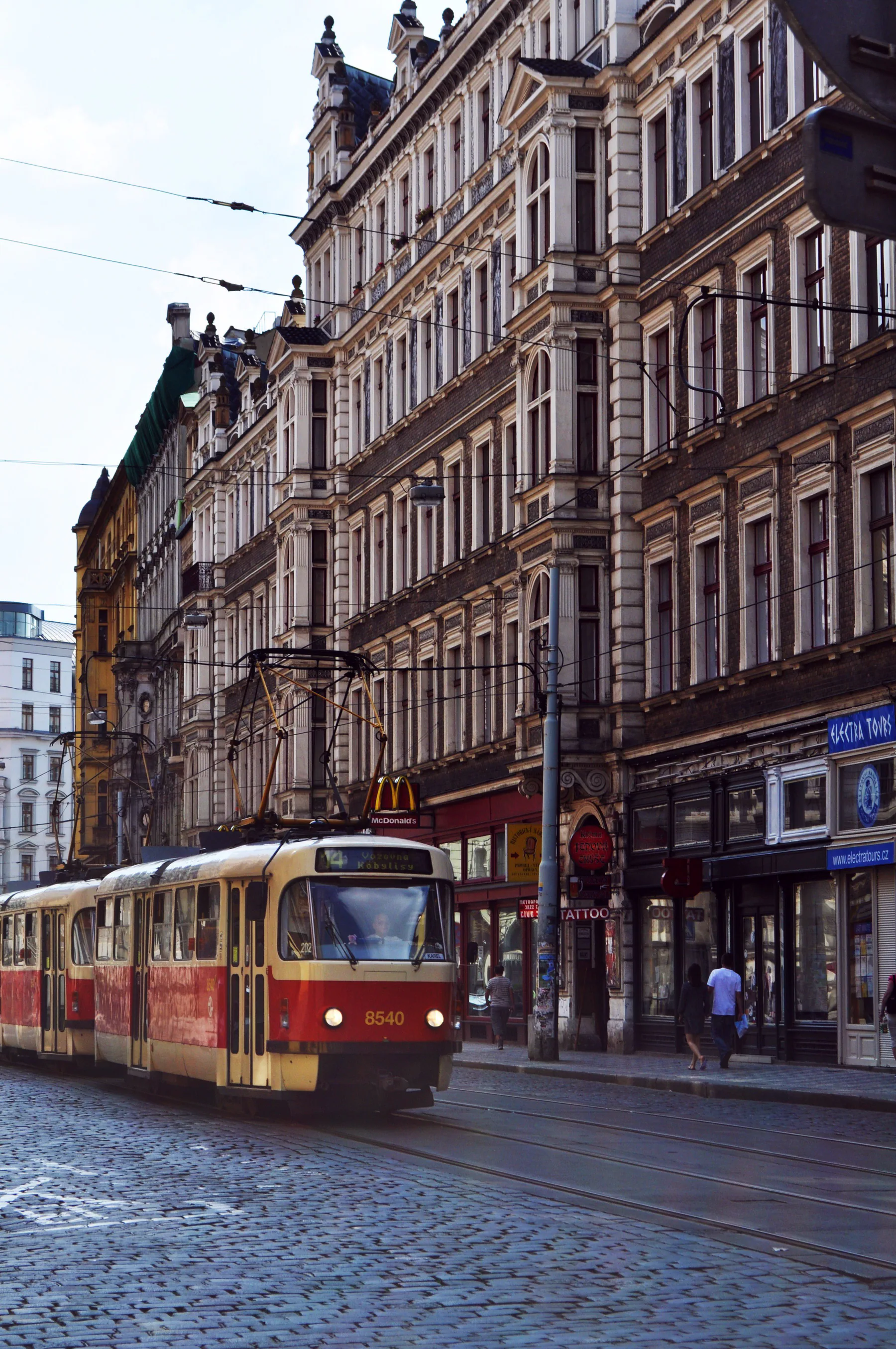
Prague is compact enough to improvise, but a little planning prevents the same recurring mistakes: overloading each day, staying too far from the places you actually want to see, exchanging money badly, misunderstanding public-transport tickets, and assuming that old streets are automatically easy for anyone with limited mobility. For most first-time visitors, the useful planning unit is not “number of attractions.” It is one or two geographic clusters per day with time left for meals, views, transport and the inevitable queue or weather change.
Three full sightseeing days are enough for the historic essentials at a comfortable but purposeful pace. Four days is the best all-round length for many first visits because it allows the Castle district, Old Town and Josefov, the New Town/Vyšehrad side of the city, and one slower neighbourhood or museum block without constant rushing. Five days makes room for a day trip, deeper museum time, accessibility-friendly pacing or simply evenings that do not need to compensate for an overfilled daytime schedule.
The city’s transport system is strong enough that you do not need a car for a normal Prague stay. Metro, trams, buses, trolleybuses, trains and ferries are integrated under PID, with time-based tickets that allow transfers. As of 2026, electronic tickets in the PID Lítačka app are slightly cheaper than paper tickets. Airport public transport connects efficiently to the metro. This makes a centrally or transit-well-connected hotel more useful than one chosen only because it looks close on a map.
The biggest planning advantage comes from knowing what must be decided before arrival and what can wait. Book only the items that are capacity-sensitive or date-specific: a particular performance, special guided tour, popular restaurant at peak time or timed museum/attraction entry when required. Leave ordinary walks, viewpoints, churches and neighbourhood exploration flexible. Prague rewards adapting the day to weather and crowd levels.
How long to stay: 3, 4 or 5 days
With three days, treat Prague as three connected landscapes rather than a checklist. One day can cover Hradčany and Malá Strana, with Prague Castle as the anchor and the descent toward the river done slowly. A second day can focus on Old Town, Josefov and the river crossings. A third can combine the New Town with either Vyšehrad, Vinohrady, Žižkov or a museum theme. This structure keeps backtracking low and preserves the evening for something other than recovery.
Four days is where Prague becomes easier to understand. The extra day lets you separate the Castle from the Lesser Town, or Old Town from Josefov, instead of compressing major historical layers into a single march. It also creates room for a live performance, a long lunch, a riverbank walk or a district outside the tourist core. For many couples and first-time solo visitors, this is the most balanced format because it preserves both landmark time and unstructured city time.
Five days is useful if your interests are deep rather than broad. Music lovers can add museums and a concert. History-focused visitors can include the Anthropoid memorial, Vítkov, the National Museum or sites of 1968 and 1989. Families can shorten daily walking and add the zoo or parks. Travellers with reduced mobility benefit from having one fewer “must-do” transfer each day. Five days also makes one day trip realistic without hollowing out the Prague visit.
A common mistake is counting nights instead of usable days. A “four-day trip” arriving late on Thursday and leaving early Sunday may contain only two full days. Build the itinerary from the time you can actually walk out of the hotel, and protect departure day from anything that would be stressful to miss. Prague’s airport is not on a metro line, so the final transfer includes at least a surface leg unless you use Airport Express or a car service.
A practical 3–5 day planning framework
Day one should be orientation-heavy and reservation-light. Use it to learn the transport system, walk the nearest historic district, and discover how long Prague’s cobbles, hills and photo stops actually take you. If you arrive before hotel check-in, avoid turning the first hours into a marathon with luggage. A river walk, Old Town circuit or tram-based overview is more forgiving than a timed castle itinerary.
For the middle days, schedule one “high-friction” block in the morning: Prague Castle, the Jewish Museum sites, a specialist museum, a guided tour, or another activity with opening hours and queues. Pair it with a flexible district in the afternoon. This keeps one delay from destroying the whole plan. Do not put two admission-heavy complexes on opposite sides of the river and expect a relaxed lunch between them.
The final full day should contain the experience you would regret missing, not leftovers. Weather forecasts become more reliable closer to the date, so viewpoints and parks are often best held flexible until then. Indoor priorities can absorb rain. Prague’s historic core is visually rewarding in poor weather, but stone paving can become slippery and winter daylight is short, which changes realistic walking speed.
For a day trip, protect the following evening. Kutná Hora, Karlštejn, Terezín and other popular destinations are feasible from Prague, but the combined transport, walking and museum time is a full cognitive load. Returning and immediately attempting a formal dinner, theatre performance and night photography is how otherwise good itineraries become exhausting. If the day trip is optional, Prague itself offers enough depth to fill five days.
Where to base yourself: choose transit and terrain, not just a postcode
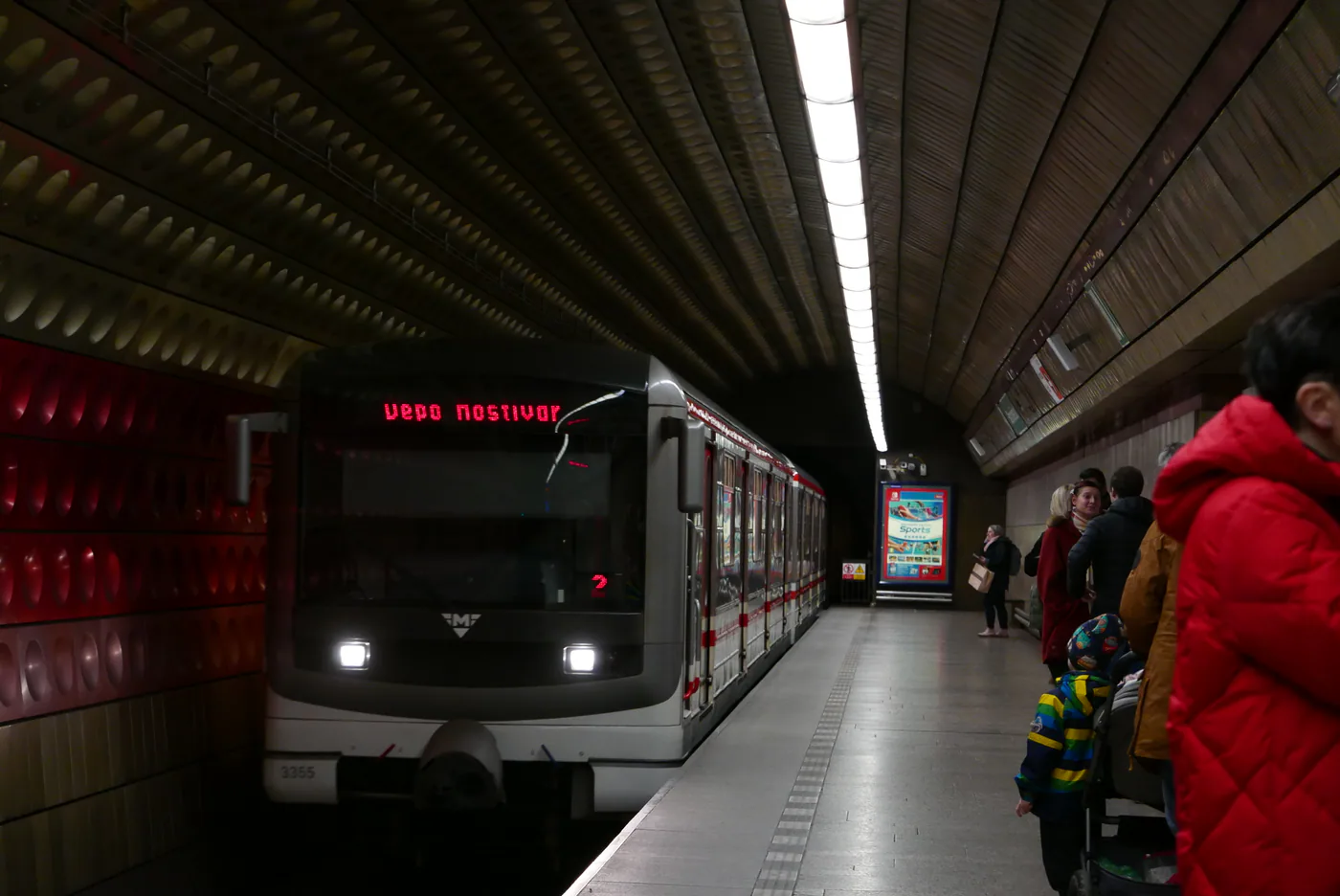
For a first visit, “central” should mean easy access to the places you care about, not necessarily a room inside the Old Town. Staré Město and Malá Strana minimize some sightseeing transfers but can be busier, noisier and more expensive. Vinohrady, Karlín, Holešovice, Smíchov and parts of New Town can offer faster access to restaurants, neighbourhood life and direct trams or metro while remaining only minutes from the historic core.
Look at the final 500 metres of the journey, not just the nearest metro symbol. Prague has hills, underpasses, long station corridors and tram stops that can be easier with luggage than metro transfers. If you have reduced mobility, a hotel described as “five minutes from the centre” may still involve cobbles or a steep climb. Check the actual walking route from the stop to the entrance and whether the hotel lift starts at street level.
Noise patterns matter too. A courtyard-facing room on a busy street can be quieter than a street-facing room in a supposedly residential lane. Old Town nightlife, early deliveries and tram lines can affect sleep. Conversely, staying too far out can make every evening feel like a commute. The sweet spot is usually a place from which you can reach your first morning sight directly and return at night without multiple transfers.
For couples or older travellers, prioritize a comfortable room and straightforward return route over shaving five minutes off the walk to Old Town Square. For solo visitors, a well-lit transit corridor and active local area can be more useful than a picturesque but empty lane. Families benefit from grocery access and room size more than from a landmark view. The best base is the one that reduces friction at the times you are tired, not the one with the strongest marketing adjective.
Money: use koruna, cards and ATMs without overthinking it
The Czech Republic’s currency is the Czech koruna (CZK or Kč), not the euro. Many businesses in tourist areas accept cards, and some may also quote euro prices, but accepting euros does not make the euro the local currency or guarantee a favourable conversion. The cleanest default is to pay in koruna and let a transparent card transaction or your own bank handle conversion under terms you understand.
Cash is still useful for small purchases, markets, older ticketing situations and businesses that set minimums or prefer cash. You do not need to arrive with a large stack of banknotes. Withdraw or exchange a modest amount after checking the rate and fees. The Czech National Bank publishes consumer guidance for bureaux de change and emphasizes reading the displayed buy/sell rates correctly before confirming a transaction.
At card terminals and ATMs, be cautious about offers to charge your home currency instead of CZK. That service—often called dynamic currency conversion—can embed an exchange rate chosen by the operator. When your bank card supports foreign-currency transactions at reasonable terms, paying or withdrawing in CZK generally keeps the conversion decision with your own provider. The exact best choice depends on your card’s fees, so know them before travel.
Do not judge an exchange office by a giant “0% commission” sign alone. A poor exchange rate can cost more than an explicit fee. Compare the amount of koruna you will actually receive. If you need help in the centre, Prague City Tourism runs official visitor centres, and its Na Můstku centre includes an exchange service with displayed rates and fees. The principle is broader than one office: use regulated, clearly identified providers and understand the transaction before handing over money.
Public transport: the rules visitors actually need
Prague’s system uses time-based integrated tickets. As of 2026, the standard adult prices in the PID Lítačka app are 36 CZK for 30 minutes, 46 CZK for 90 minutes, 140 CZK for 24 hours and 340 CZK for 72 hours; paper versions cost slightly more. Within the ticket’s validity and applicable zones, transfers do not require a new ticket. That is more important than memorizing tram numbers: choose enough time for the whole journey.
Paper tickets bought from machines normally need to be validated once at the start of travel. Do not stamp the same ticket again when transferring; Prague City Tourism explicitly warns that repeated validation can invalidate it. Tickets bought through onboard contactless terminals are handled differently, and mobile tickets follow app rules. If you use the app, activate the ticket early enough to meet its validity conditions before entering the paid transport area or boarding.
Airport arrivals have two main public-transport patterns. Trolleybus 59 links the terminals with Nádraží Veleslavín for metro line A; bus 100 links the airport with Zličín for metro line B. The airport describes line 59 as the fastest regular public-transport route toward the centre. Airport Express runs directly to the main railway station but has its own fare and does not accept ordinary Prague short-term tickets.
For most visitors, a 72-hour ticket is about convenience rather than maximizing every koruna. If you will use transit repeatedly, it removes the need to calculate each ride. If you plan to walk the compact centre and make only a few tram trips, individual tickets may be cheaper. The Prague Visitor Pass includes public transport, so do not buy overlapping products without checking what is already covered.
Is the Prague Visitor Pass worth it?
The official Prague Visitor Pass is sold for 48, 72 and 120 hours and includes public transport plus admission or benefits at more than 70 participating experiences. As checked in September 2026, adult prices are 2,700 CZK, 3,300 CZK and 3,900 CZK respectively. Because prices and included attractions can change, confirm the current figures on the official Prague Visitor Pass site before buying.
The pass makes the most sense for visitors who plan to use several paid attractions that are actually included, value the transport bundle and prefer a single product over individual ticketing. It is not automatically a bargain just because the included list is long. Many excellent Prague experiences are free or inexpensive: streets, bridges, parks, churches with free areas, neighbourhood walks and viewpoints outside paid towers. If your trip is built around those, a pass can encourage unnecessary admissions merely to “get value.”
Do the math from your real itinerary. List the included attractions you genuinely intend to visit, add the transport you would otherwise buy, and compare the total with the pass. Do not count ten hypothetical museums when your schedule allows four. Also note that each included site can generally be visited once, and some experiences may still have capacity or booking conditions.
The pass is therefore a planning tool, not a quality verdict. A museum can be worth visiting even if it is not included, and an included attraction may be wrong for your interests. The best itinerary comes first; the payment product comes second.
Scams and common mistakes: reduce exposure rather than travel anxious
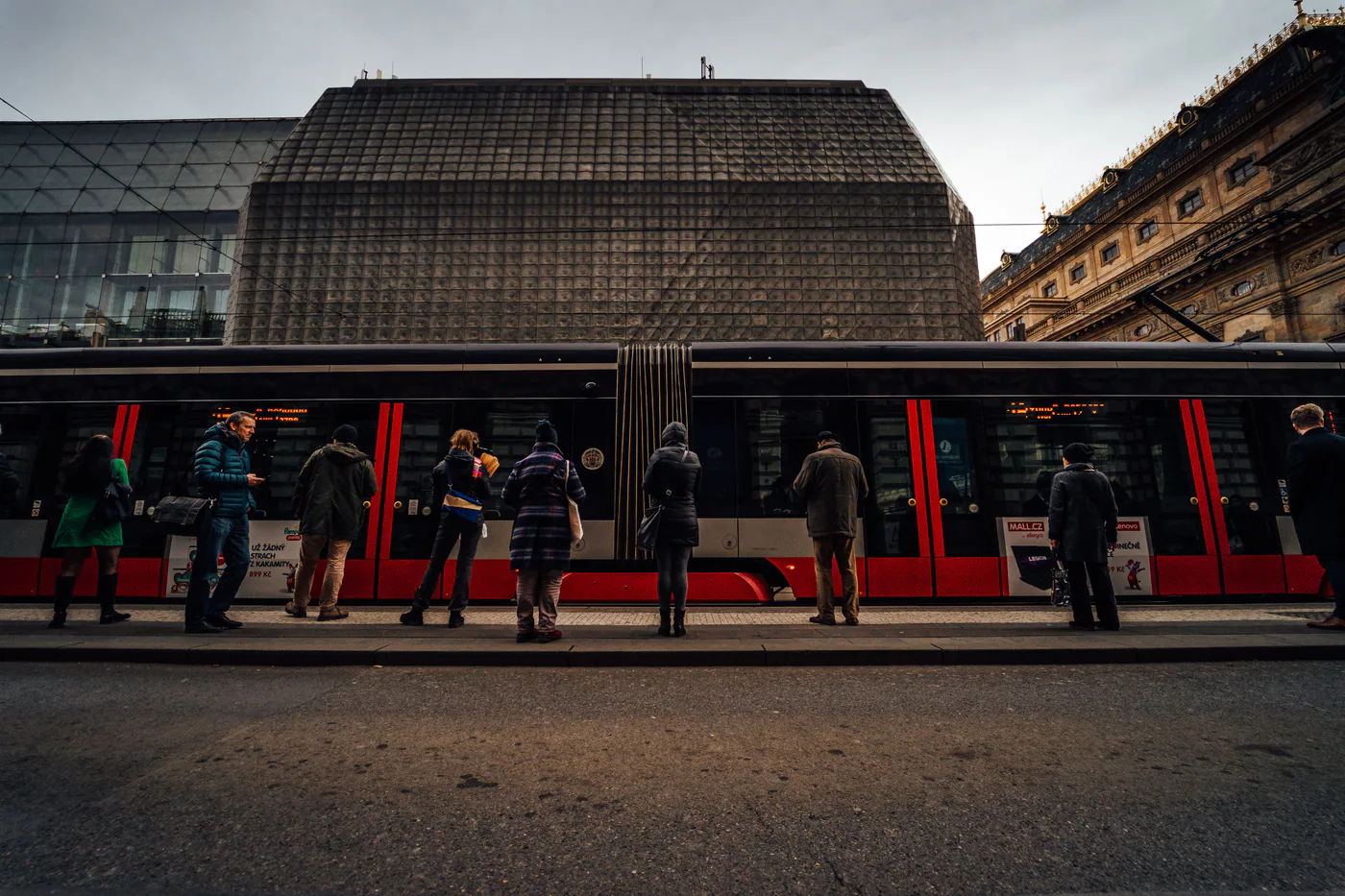
Prague is a major European visitor destination, so the most useful safety approach is ordinary urban awareness rather than alarm. Czech police specifically warn about pickpocketing in crowded public transport and recommend keeping valuables controlled rather than in easily accessed backpacks or pockets. Crowded trams, metro escalators, queues and dense tourist spaces deserve the same attention you would use in Barcelona, Paris or Rome.
Money-related mistakes are often more expensive than theft. Avoid changing large sums without checking the final rate. Read ATM prompts carefully. Decline unsolicited help at cash machines. Keep your card in sight when practical. If a terminal asks whether to charge you in your home currency or CZK, understand that the home-currency option uses a conversion rate set by the service provider, not necessarily your own bank.
Airport transport is another place where clear choices help. Prague Airport identifies Uber Airport as its official taxi service and warns passengers not to accept unsolicited ride offers from people standing outside the terminals. It also publishes guidance for using other licensed taxis and rideshare services. The broader rule is simple: order through an identified service, know the price or pricing method before departure, and keep the receipt or digital record.
Some “scams” discussed online are really avoidable tourist errors: buying a transport ticket but failing to validate it correctly; assuming every currency exchange with “0% commission” offers a good rate; ordering from a menu without checking prices; or using an unofficial ticket reseller when an attraction has an official channel. The solution is not suspicion toward everyone. It is using official systems whenever the transaction is standardized.
Meals, reservations and daily rhythm
Prague does not require a restaurant reservation for every meal, but the most popular small restaurants can fill at dinner, especially Friday and Saturday. Reserve when the restaurant itself is part of the trip. For ordinary lunches, cafés and pubs, keeping flexibility lets you adjust to weather and sightseeing pace. A 12:30 lunch booked across town can create more logistical damage than value if your morning visit runs long.
Lunch can be the efficient meal. Many Czech restaurants traditionally offer weekday lunch menus, though availability and style vary, and central tourist areas may operate differently. Dinner is better reserved for places you genuinely care about. If you want a concert or theatre performance, eat early enough to avoid rushing; Prague's cultural venues generally expect punctual arrival and late seating may be restricted.
Do not assume that central location predicts quality or that a Czech-sounding menu guarantees a traditional local clientele. Check current menus and recent reviews for practical issues such as pricing, card acceptance, accessibility and reservation policy. For food halls, markets and casual places, opening hours can be more seasonal than visitors expect. Christmas and Easter periods especially change normal schedules.
Build one long sit-down break into each full sightseeing day. It is not wasted time. Prague’s museums, castle interiors and cobbles produce physical fatigue even when distances are modest. A forty-five-minute meal or café stop often makes the final three hours of the day more productive than trying to “save time” with constant snacking while walking.
Solo travel and couples: same city, different pacing
Solo travellers benefit from Prague’s dense public transport, walkable centre and large amount of culture that works without a group. Museums, concerts, cafés, river walks and neighbourhood wandering are easy to do independently. The main planning advantage is flexibility: a solo visitor can shift meals and route choices around crowd levels. The trade-off is that late-night awareness matters more because there is no companion to notice a lost phone, wrong tram or badly chosen shortcut.
For solo evenings, build around active streets and direct transport home rather than designing the night around the most photogenic empty alley. Prague is generally easy to navigate, but tram service changes after daytime frequencies and some areas become much quieter. Save your accommodation location offline, keep enough battery for navigation, and know the nearest major tram or metro node before drinking.
Couples often over-plan “romantic Prague” into a sequence of expensive viewpoints and restaurants. The city is better suited to rhythm: one formal reservation, one long walk and one unplanned stop. Malá Strana early or late in the day, the riverbanks, Vyšehrad, parks and neighbourhood cafés often produce a better shared experience than trying to reserve every hour. If one partner is much more interested in history, music or gaming than the other, alternate anchor experiences rather than forcing each day into a single theme.
For both solo travellers and couples, accommodation location matters less by kilometres than by night transport and terrain. A hotel on a steep hill can be romantic on a map and tiring after dinner. A room two metro stops from the centre may be more practical than one in the Old Town if it is quieter, better connected and closer to the places you actually plan to visit.
Accessibility and senior planning
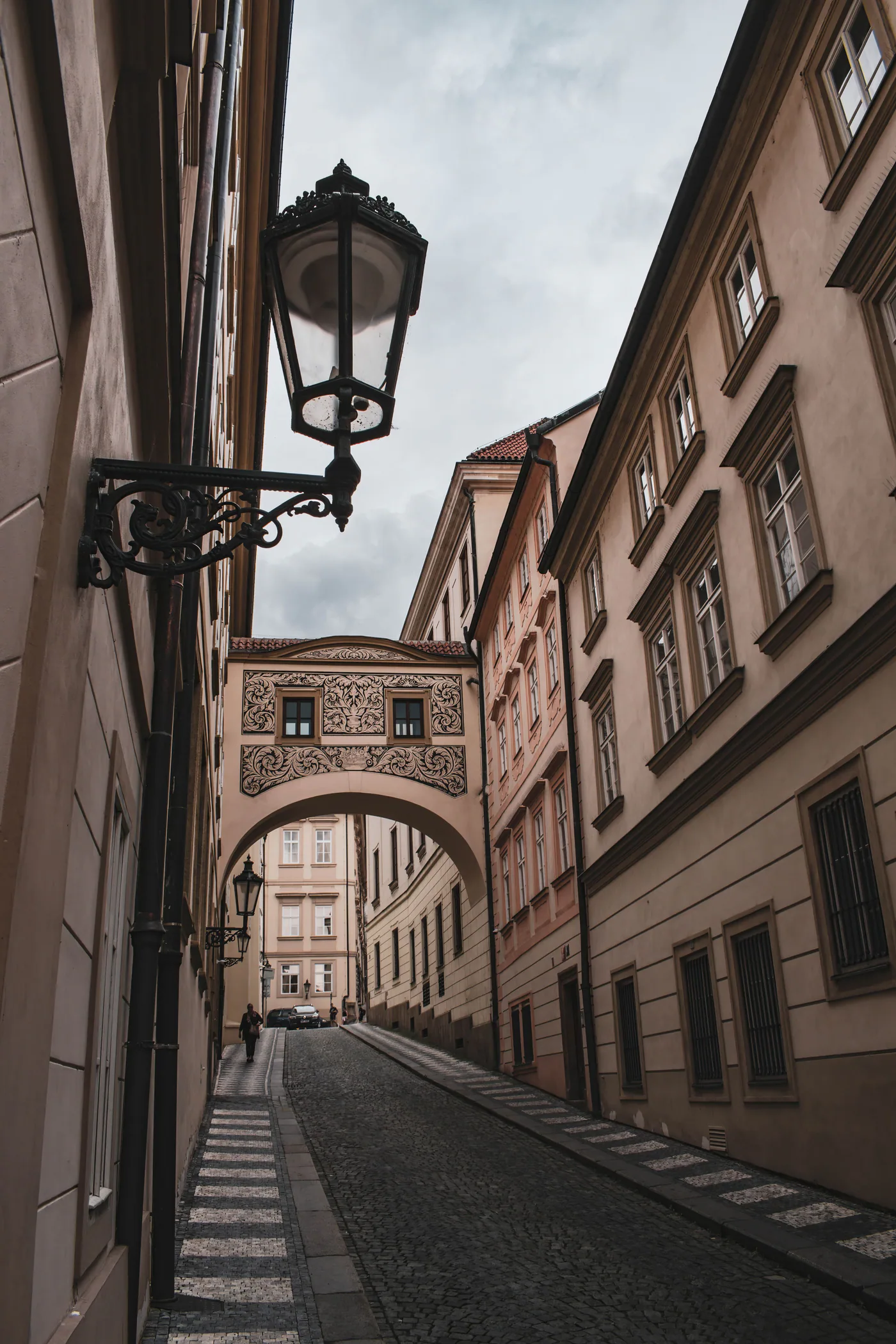
Prague is improving accessibility, but the historic city is not fully barrier-free. Prague City Tourism explicitly notes that public transport is not yet completely accessible. Low-floor vehicles are common and marked, but an accessible vehicle does not guarantee an accessible stop. Elevators can be temporarily out of service, construction can alter routes, and the historic centre contains steep gradients, cobbles, narrow pavements and buildings without lifts.
The practical response is to plan routes, not just destinations. Use PID or DPP accessibility filters and check the specific station or stop. If a museum or monument is essential, verify the entrance, internal lifts, accessible toilets and whether the “accessible” route gives access to the same areas. A tower may offer an elevator only part of the way; a church may have one step that is trivial for some visitors and a complete barrier for others.
For seniors without mobility disabilities, the main issue is cumulative load. Prague’s distances look short, but standing on stone floors, climbing castle approaches and crossing cobbled squares can make an 8-kilometre day feel much longer. Use trams strategically for hills and cross-city moves. Schedule seated interiors between outdoor walks. In hot weather, build shade and hydration into the route; in winter, protect daylight hours for uneven streets and outdoor viewpoints.
A slower itinerary is not a lesser itinerary. Four or five days with one geographic cluster per day often produces more meaningful visits than three days of constant transfer. Accessibility planning also benefits families with strollers, travellers recovering from injury and anyone carrying luggage. The same principles—verify gradients, lifts, stop accessibility and rest points—make Prague easier for nearly everyone.
Before you leave: a small checklist that prevents large annoyances
Install or bookmark the tools you will actually use: your accommodation confirmation, offline map, airline or rail ticket, and PID Lítačka if you plan to buy mobile public-transport tickets. Keep a second payment method separate from your main wallet. Store a copy of your passport or ID securely, but remember that a digital copy may not substitute for the original where official identification is required.
Check the weather close to departure and pack for surfaces as much as temperature. Comfortable shoes with grip matter in every season. In winter, wind and damp can make modest temperatures feel colder; in summer, exposed squares and tram stops can be hot even though evenings may cool. A compact layer and light rain protection are more useful than designing clothing around photographs.
For transport, know the exact rule for the ticket type you choose. Paper tickets and app tickets are both easy once understood, but confusion usually happens at the first ride from the airport or station. If you are unsure, use official ticket machines or counters rather than improvising from a third-party advertisement. Keep enough phone battery to display digital tickets when required.
Finally, preserve margin. Do not plan to cross the city for the last airport connection with no contingency, or to reach a timed tour after an intercity train that arrives minutes before it starts. Prague itself is forgiving; transport schedules and doors that close at fixed times are not. The most practical Prague itinerary is the one with enough slack that one delayed tram, long lunch or sudden rain shower remains an inconvenience rather than a crisis.
The planning rule that saves the most time: group by geography
Prague's centre looks tiny on a map, but repeated river crossings, castle hills, cobbles and queues turn careless routing into fatigue. Build each half-day around one side of the river or one linked corridor, then use trams or metro for the longer repositioning move. This is especially valuable for families, seniors and anyone with limited walking tolerance. A geographically coherent day also leaves room for cafés, viewpoints and unexpected interiors without turning every delay into a missed reservation.
The same rule improves restaurant planning. Book a meal near where the day naturally ends rather than choosing a famous address across town. Prague's public transport makes cross-city travel easy, but ease does not make unnecessary backtracking free. The best practical itinerary is not the one with the most pins; it is the one in which the pins belong together.
Sources & further reading
- New PID Tariff from 1 January 2026 — Prague Integrated Transport (PID)
- Public Transport Buses — Václav Havel Airport Prague
- Airport Express — Václav Havel Airport Prague
- Issuance of banknotes and coins — Czech National Bank
- Ten Golden Rules for Bureau-de-Change Clients — Czech National Bank
- Prague Visitor Pass — Prague City Tourism
- Accessible Prague — transport — Prague City Tourism
- Public transport — Prague City Tourism
- Unofficial Taxi Services — Václav Havel Airport Prague
- Travel by public transport — beware of pickpocketing — Police of the Czech Republic